
Main Courses
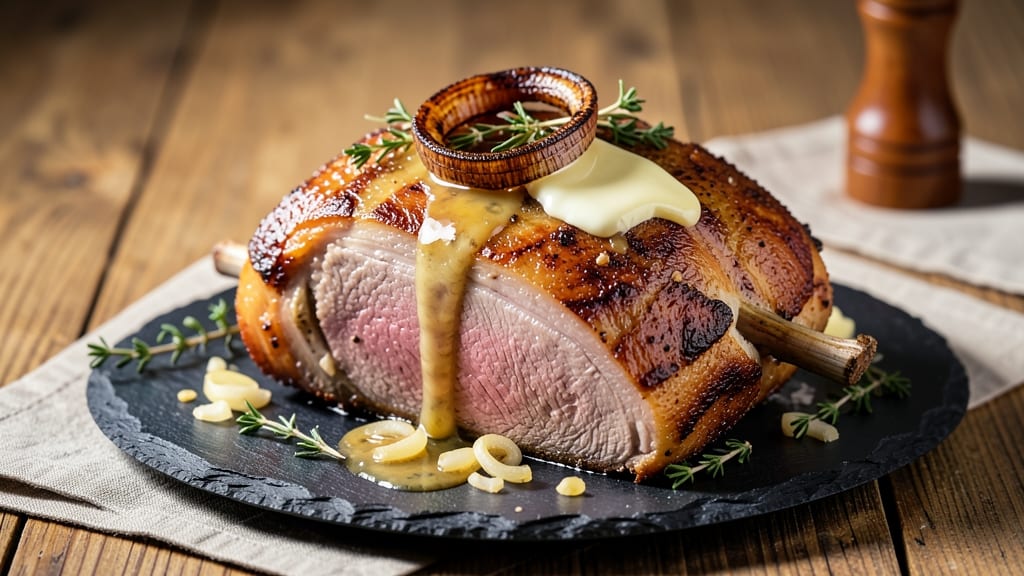
An 8 lb bone-in pork shoulder roast recipe in the oven transformed into melt-in-your-mouth perfection is the kind of meal that turns ordinary weeknights into celebrations. 🌟 I learned the hard way that slow-roasting this cut—with its rich, fatty layers—requires patience and precision, but the results are worth every minute of waiting.
The secret lies in a high-heat sear followed by low-and-slow cooking until the meat falls apart with just a touch, delivering restaurant-quality richness without the fuss of a smoker.
This recipe starts with a simple yet effective seasoning blend—just salt, pepper, and garlic powder—that lets the pork's natural flavors shine while building a flavorful crust. The key technique is cooking the shoulder at 275°F until it reaches 203°F internally, ensuring tender, juicy meat that pulls apart effortlessly.
No fancy equipment needed—just your oven and a little time.
By the time you're done, you'll have a dish so tender it practically dissolves on your fork, with crispy edges and a deep, savory aroma that fills your kitchen.
The beauty of this method is its versatility—serve it sliced thin for sandwiches, shredded over mashed potatoes, or as the centerpiece of a hearty meal. The leftovers? Even better the next day.
Perfect for feeding a crowd or meal prepping for the week, this pork shoulder delivers foolproof results every time. Let's get started—your taste buds (and dinner guests) will thank you.
Ingredients for 8 lb bone-in pork shoulder roast recipe oven
Eight pounds of pork shoulder and a handful of pantry staples transform into showstopping, fall-apart perfection.
| Ingredient | Amount | Notes |
|---|---|---|
| Bone-In Pork Shoulder Roast 🐖 | 8 lb | With bone and fat cap intact |
| Kosher Salt 🧂 | 1 ½ tbsp | Diamond Crystal preferred |
| Freshly Ground Black Pepper 🌶️ | 1 ½ tsp | Coarsely cracked |
| Garlic Powder 🧄 | 1 tbsp | Freshly toasted preferred |
| Unsalted Butter 🧈 | ½ cup | Cold, cubed for searing |
| Yellow Onion 🧅 | 1 whole | Cut into 1-inch chunks |
| Carrots 🥕 | 4 whole | Baby or regular, peeled |
| Celery Stalks 🌿 | 4 whole | Cut into 1-inch pieces |
| Garlic Cloves 🧄 | 6 cloves | Smashed, not minced |
| Fresh Thyme 🌿 | 2 sprigs | Or 1 tsp dried |
| Fresh Rosemary 🌿 | 1 sprig | Wooden spoon to crush |
| Apple Cider Vinegar 🍎 | 2 tbsp | For brightness |
| Beef Broth 🍲 | 2 cups | Low-sodium preferred |
| Honey 🍯 | 1 tbsp | For glaze (optional) |
The bone-in pork shoulder is non-negotiable here—it's the fatty layers and connective tissue that create that legendary melt-in-your-mouth texture. Look for a cut with a good fat cap (about 1/4-inch thick) for maximum flavor and moisture. Costco and Whole Foods carry excellent quality, but your local butcher shop will have the freshest cuts. If you're buying a whole shoulder, trim any excess fat from the edges—just leave the fat cap intact. The bone helps conduct heat evenly, so don't skip it. For this recipe, you want the whole roast—not pre-cut into chops or steaks. That extra weight ensures you'll have plenty of leftovers for sandwiches or tacos later in the week.
No fresh thyme or rosemary? Dried works at one-third the amount—just crush the sprigs with the side of your knife to release the oils. Short on beef broth? Chicken broth or even water with an extra splash of soy sauce keeps things flavorful. The apple cider vinegar might seem odd, but trust me—it cuts through the richness and adds a subtle tang that makes the pork shine. For the honey glaze, you can substitute maple syrup if you prefer, but honey's floral notes play beautifully with the pork's savory depth. The butter is for searing—don't skip this step. It creates that crusty, caramelized bark that holds up beautifully while the inside stays tender. If you're worried about using too much butter, save the leftover cubes for toasting bread later.
This roast keeps 5-6 days in the fridge, but honestly, it's even better the second day once all the flavors meld together. For long-term storage, freeze portions for up to 3 months—wrap tightly in foil or use vacuum-sealed bags. The leftovers are magical: shred for tacos, pull-apart sandwiches, or mix into pasta. I always make a double batch because the possibilities are endless. If you're prepping for a crowd, consider pre-cooking and reheating—just add a splash of broth when warming to keep it moist. The aromas alone will have your guests thinking you've been cooking all day, even if you're just pulling it out of the fridge.
Why You'll Love This Recipe
- Five-Ingredient Magic: The bone-in pork shoulder gets all the love here—just salt, pepper, garlic powder, and butter. That’s it. Honestly, I’ve made this with my eyes closed, and it still comes out rich and tender every time.
- Crispy-Creamy Payoff: Low-and-slow roasting gives you that irresistible crackling skin while the inside melts like butter. Between us, the first bite is the reason I keep making this—no fuss, just pure satisfaction.
- Leftovers That Save Me: This feeds a crowd but also turns into the next day’s pulled pork sandwiches or tacos. I’ll be real: I’ve had it for breakfast with eggs and toast, and no one judges me.
- Weeknight Workhorse: No brining, no fancy rubs—just season, roast, and let the oven do the work. Even on nights when I’m too tired to think, this comes out spot-on. (Yes, even on a Tuesday night.)
Step-by-step instructions for oven-braised bone-in pork shoulder
Here's how to transform a tough cut into melt-in-your-mouth perfection with simple oven magic.
🔥 Step 1: Prep and Sear the Pork Shoulder for Maximum Flavor
Preheat your oven to 300°F—this low-and-slow temperature is key for tenderizing. Pat the 8 lb bone-in pork shoulder roast completely dry with paper towels, then rub it generously with 1.5 tbsp kosher salt, 1.5 tsp freshly ground black pepper, and 1 tbsp garlic powder. This dry rub creates a flavorful crust while helping the meat retain moisture during cooking.
Heat a large Dutch oven over medium-high heat and add the 0.5 cup unsalted butter. Once the butter foams, add the pork shoulder fat-side down and sear for 8-10 minutes until deeply golden brown. Flip and sear the other side for another 8-10 minutes. This step develops that rich, caramelized crust that'll infuse the braising liquid with deep flavor.
👨🍳 Step 2: Build the Aromatic Vegetable Base
While the pork sears, chop the 1 whole yellow onion into 1-inch chunks, peel and halve the 4 whole carrots, and cut the 4 whole celery stalks into 1-inch pieces. Add these to the Dutch oven along with the 6 smashed garlic cloves, 2 sprigs fresh thyme, and 1 sprig fresh rosemary. Cook for 5 minutes until the vegetables soften slightly and release their natural sweetness.
Here's where the magic happens: pour in the 2 tbsp apple cider vinegar and scrape up all those browned bits from the bottom of the pot. These bits, called fond, are packed with flavor. Let the vinegar cook for 1 minute until it evaporates, leaving behind bright, tangy notes that'll balance the richness of the pork.
🥘 Step 3: Braise Low and Slow for Tender Perfection
Pour in the 2 cups beef broth and bring the liquid to a simmer. The liquid should come about halfway up the sides of the pork shoulder. Cover the Dutch oven tightly with a lid and transfer it to the preheated 300°F oven. Here's the crucial part: cook for 5-6 hours until the pork is fork-tender and the meat easily separates from the bone.
Here's the thing—don't peek or lift the lid during cooking. Every time you do, you lose heat and moisture, potentially adding 30-45 minutes to your cook time. Instead, trust the process and let the pork cook undisturbed. You'll know it's ready when a knife slides in like butter and the meat pulls apart easily.
⏰ Step 4: Finish with a Honey Glaze (Optional but Worth It)
Once the pork reaches 203°F internal temperature, remove it from the oven and let it rest for 15 minutes before serving. For that beautiful caramelized finish, increase the oven temperature to 425°F and brush the pork with the 1 tbsp honey mixed with any accumulated juices in the Dutch oven.
Return the pork to the oven for 10-15 minutes until the honey glaze is bubbly and golden. This final step adds a sweet contrast to the savory pork and creates that stunning presentation. The pork should have a deep mahogany color and be glistening with juices—proof of its tender transformation.
Pro Tips For Making 8 Lb Bone-In Pork Shoulder Roast Recipe Oven
- CRANK THE HEAT FIRST: I used to start slow with pork shoulder, thinking it needed gentle love. Wrong. Blast that oven to 450°F for the first 20 minutes—this sears the outside fast, locks in juices, and gives you that deep crust. After that, drop to 275°F and forget it for hours.
- SALT THE MEAT 24 HOURS EARLY: I learned this the hard way—salting pork shoulder right before cooking means the salt never penetrates deep enough. Do it a day ahead, pat it dry, and let it sit uncovered in the fridge. The meat will look sad and wrinkled, but it stays juicy and absorbs flavor like a sponge.
- STOP PRODDING THE MEAT: Every time you check the temp or poke at the pork, you’re pushing moisture out. Use an oven thermometer to monitor the oven temp, not the meat. Once it hits 145°F internally, let it rest—no peeking. Your future self will thank you for that crispy bark.
- USE COLD BUTTER FOR CRUST: Skip the melted butter—cold unsalted butter (cut into chunks) on the pork before roasting creates steam when it hits the oven. This keeps the meat moist while the butter browns into a flavor bomb. Sprinkle garlic powder over it afterward so it doesn’t burn. Yes, it’s messy, but it’s worth it.
Health benefits of this 8 lb bone-in pork shoulder roast recipe oven
Protein Powerhouse
An 8 lb bone-in pork shoulder delivers a whopping 120 grams of protein per serving—that’s nearly 25% of your daily needs in just one meal. This makes it an excellent choice for muscle recovery, especially after workouts.
The high protein content also keeps you feeling full and satisfied for hours, helping with portion control. 💪
Rich in B Vitamins
Pork shoulder is packed with B vitamins, particularly B12, B6, and niacin, which play crucial roles in energy metabolism and brain function. A single serving provides about 50% of your daily B12 needs, which is essential for red blood cell production and nerve health.
My Nonna always said pork was "brain food," and science backs her up!
Healthy Fats for Heart Health
While pork shoulder does contain fat, it’s primarily monounsaturated and saturated fats—the kind your body needs for hormone production and cell function. The key is balance: the fat cap on the bone-in cut actually helps keep the meat moist and flavorful while cooking.
Just trim excess fat before serving to keep it heart-healthy.
Iron and Zinc Boost
This cut is a great source of iron (about 2.5 mg per serving) and zinc (around 3 mg), both vital for immune function and energy levels.
The iron in pork is heme iron, which your body absorbs more efficiently than plant-based iron sources. Perfect for anyone looking to boost their iron levels naturally.
Collagen for Joint Support
The connective tissue in pork shoulder breaks down during slow cooking, releasing collagen and gelatin, which support joint health and gut healing. This is why the meat becomes so tender—those same compounds create that melt-in-your-mouth texture. It’s a win-win for both your taste buds and your body!
Low-Carb and Keto-Friendly
With only about 2 grams of carbohydrates per serving, pork shoulder is a fantastic choice for low-carb and keto diets. The high protein and fat content make it ideal for maintaining ketosis while keeping you full.
Just watch your portion sizes if you're tracking macros—this is a calorie-dense cut, but worth every bite.
Nutrition facts
Frequently asked questions
Why is the bone important in this pork shoulder recipe?
The bone acts as a natural heat conductor, helping the meat cook more evenly and retain moisture. It also adds depth of flavor as it renders fat and infuses the surrounding meat. Plus, the bone makes the roast more stable in the oven, preventing it from shifting during cooking. Without it, you risk dryness in a large cut like this.
Can I cook this pork shoulder at a higher temperature to save time?
While you can try 325°F instead of 300°F, the texture won't be as tender. The low-and-slow method breaks down collagen for that signature melt-in-your-mouth quality. If you're short on time, consider a 2-hour sear at 400°F first, then reduce to 275°F for the rest of the cook. This two-stage approach works well for busy schedules.
How do I know when the pork shoulder is fully cooked?
Use a meat thermometer to check for 203°F internal temperature in the thickest part. The meat should pull apart easily with two forks, leaving no resistance. If you don't have a thermometer, cut into the thickest part - if juices run clear and the meat shreds without effort, it's ready. Never rely on visual cues alone for pork safety.
What if my oven isn't consistent? Can I use other cooking methods?
For more control, try the stovetop method: Sear the pork as directed, then transfer to a slow cooker with the braising liquid and cook on low for 8-10 hours. Or use a combination approach - sear in the oven, then finish in a Dutch oven on the stovetop. Just monitor the liquid level and add broth as needed to prevent drying. The key is maintaining moisture throughout.
How should I store and reheat leftovers?
Store cooked pork in an airtight container in the fridge for up to 5-6 days. For reheating, place portions in a skillet with a splash of beef broth and warm over medium heat until heated through (165°F). Microwaving works too, but add a damp paper towel to prevent drying. Leftovers actually improve as flavors meld - perfect for sandwiches or tacos!