
Main Courses
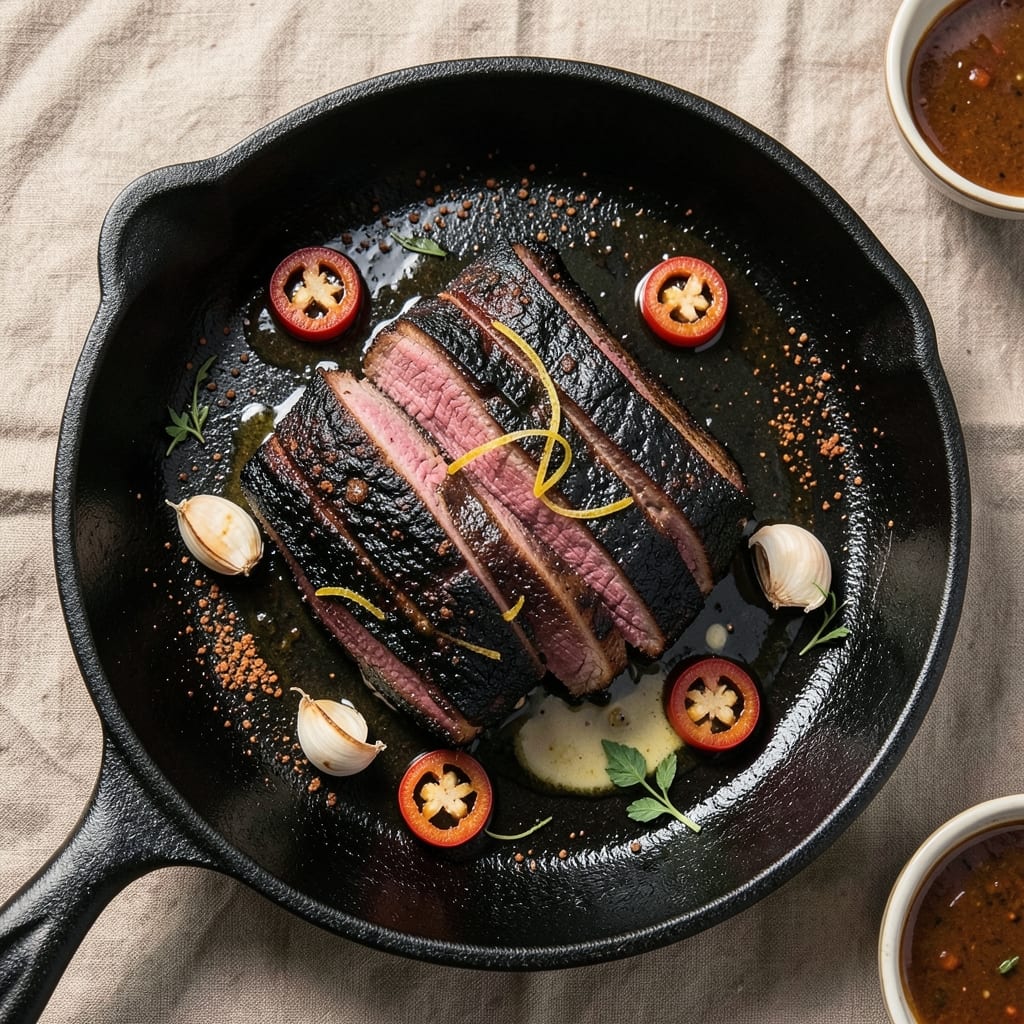
Mastering blackened pork transforms simple cuts into restaurant-quality centerpieces with intense flavor and caramelized edges. This technique, perfected in Cajun kitchens, relies on a precise spice crust that creates both heat and depth. I've spent years refining the method—especially with pork's leaner profile—to ensure every bite delivers that signature char without drying out the meat.
The secret lies in the dry rub (paprika, cayenne, garlic powder) and high-heat searing in cast iron, which builds a flavorful crust while keeping the interior juicy. Unlike beef, pork requires careful timing—too long, and it turns tough; too short, and the spices won't adhere. My version includes a 5-minute rest before slicing, which ensures clean cuts and maximum moisture retention.
What you'll end up with is bold, aromatic pork with a deep mahogany crust that cracks under pressure, revealing tender meat beneath. The spices—smoky, slightly sweet, with a kick of heat—create layers of flavor that pair perfectly with citrusy sides or creamy mashed potatoes. This dish isn't just about heat; it's about precision and balance.
Serve with a cooling element like quick-pickled onions or a bright slaw to cut through the richness, or drizzle with a tangy remoulade for extra depth. The key is confidence—once you nail the sear, the rest is instinct. Let's get cooking.
Ingredients for blackened pork
Pork chops, bold spices, and cast iron—simple ingredients for restaurant-worthy heat.
| Ingredient | Amount | Notes |
|---|---|---|
| Boneless Pork Loin Chops 🥩 | 1 ½ lb | Cut 1-inch thick, trimmed |
| Smoked Paprika 🌶️ | 2 tbsp | High-quality for smoky depth |
| Cayenne Pepper 🔥 | 1 tbsp | Adjust for preferred heat |
| Garlic Powder 🧄 | 1 tbsp | Freshly ground preferred |
| Onion Powder 🧅 | 1 tbsp | For aromatic base |
| Kosher Salt 🧂 | 1 ½ tsp | Diamond Crystal preferred |
| Ground Black Pepper 🌶️ | 1 tsp | Freshly cracked |
| Extra-Virgin Olive Oil 🫒 | 2 tbsp | High smoke point preferred |
| Fresh Lemon Juice 🍋 | 2 tbsp | Brightens the crust |
| Fresh Thyme Leaves 🌿 | ¼ cup | Chopped, for garnish |
| Fresh Parsley Leaves 🌿 | ¼ cup | Chopped, for garnish |
| Butter 🧈 | 2 tbsp | Unsalted, for basting |
The pork loin chops are non-negotiable here—1-inch thickness ensures proper searing without overcooking. I grab mine from Whole Foods or my local butcher, asking for the leanest cut available. The spices? Penzeys smoked paprika is my go-to for that authentic Cajun depth, but any high-quality brand works. Freshly ground spices make all the difference, so if you're using pre-ground, toast them in a dry pan for 30 seconds to wake up the flavors. The cayenne is where you control the heat—start with 1 tbsp and add more if you're feeling brave.
No smoked paprika? Substitute with a mix of regular paprika and a pinch of liquid smoke—it's not identical, but it gets you close. Running low on fresh thyme? Dried thyme at one-third the amount works in a pinch. The olive oil needs to have a high smoke point—Avocado oil is my backup if I'm worried about burning. For the butter, unsalted is crucial so you don't over-salt the dish. And if you're feeling fancy, add a splash of hot sauce to the basting butter for extra kick. The lemon juice can be bottled, but fresh is brighter and cuts through the richness beautifully.
Keep the pork chops in the fridge until ready to cook—use within 2 days for best texture. The dry rub can be mixed ahead and stored in an airtight container for up to 2 weeks. Fresh herbs? Wrap them in damp paper towels and store in a sealed bag for 5 days. The cooked chops reheat best in a skillet with a splash of water or broth—3-4 minutes at medium heat is all it takes. I always make extra because they're even better the next day, especially with a drizzle of remoulade or a side of pickled onions.
Why You'll Love This Recipe
- One-Pan Magic: I swear by this recipe when I’m too tired to scrub pots—just slather those chops with the paprika-cayenne mix, sear them in a hot pan, and let the smoky aroma do the rest. No extra dishes, no stress.
- Spice That Sticks: That charred crust from the cayenne and smoked paprika? It’s ridiculously addictive—crispy on the outside, tender inside, and packed with warmth that lingers. Honestly, I’ve made it for guests who don’t even like spice, and they still ask for seconds.
- Weeknight to Weekend: Toss these chops on the grill for a summer BBQ or pan-sear them for a weekday dinner—same flavors, zero fuss. (Yes, even on a Tuesday night.) They’re hearty enough for a main but light enough to pair with anything from roasted potatoes to a simple salad.
- Budget-Friendly Leftovers: Pork loin chops stretch further than you’d think, especially when you repurpose the leftovers into tacos, sandwiches, or fried rice the next day. Between us, I’ve turned a single pan of these into three meals without breaking the bank.
Instructions for blackened pork with caramelized spice crust
Here's how to build that perfect blackened crust while keeping the pork juicy inside.
Create the Spice Paste for Maximum Adherence
In a small bowl, combine the 2 tbsp smoked paprika, 1 tbsp cayenne pepper, 1 tbsp garlic powder, 1 tbsp onion powder, 1.5 tsp kosher salt, and 1 tsp ground black pepper. This dry blend is the foundation of that signature blackened crust. For best results, I like to toast the spices in a dry skillet over medium heat for 30 seconds—just until you smell their aromatic oils awakening. This step intensifies their flavors and prevents any bitterness from the cayenne.
Next, add the 2 tbsp extra-virgin olive oil and 2 tbsp fresh lemon juice to the spice mixture. Stir vigorously with a fork until you achieve a thick, paste-like consistency that clings to your fingers. The lemon juice is crucial here—it helps dissolve the spices into a cohesive coating while adding brightness that cuts through the heat. If the paste feels too dry, add 1 tsp water to help it bind. This paste needs to be workable but not runny, so adjust as needed.
Coat and Rest the Pork for Perfect Crust Formation
Pat the 1.5 lb boneless pork loin chops completely dry with paper towels—this is non-negotiable for that crispy crust. Working with one chop at a time, spread the spice paste evenly over all surfaces, pressing it firmly into the meat. The reason we press so hard is that this creates a thick, even coating that won't flake off during cooking. Place the coated chops on a plate and let them rest at room temperature for 15-20 minutes. This resting period allows the spices to penetrate slightly and the surface to dry out, which is essential for that perfect crust.
While the chops rest, preheat your grill or cast-iron skillet over high heat until it's screaming hot. You'll know it's ready when you sprinkle a few drops of water and they sizzle and evaporate instantly. This high heat is what creates that beautiful caramelization and blackened crust. If you're using a grill, clean it thoroughly first—any leftover food particles will burn and create bitter smoke that ruins the delicate flavors of the pork.
Sear the Pork Until Crust Forms and Internal Temp Reaches 145°F
Carefully place the pork chops in the preheated skillet or on the grill grates. Let them cook undisturbed for 2-3 minutes per side—this is where patience pays off. You'll see the edges start to crisp and darken, then eventually form that beautiful blackened crust. Don't be tempted to move them around or press down; this breaks the crust and steams the meat instead of searing it. The crust should be dark and almost charred in spots while the interior remains pink and juicy.
After the initial sear, reduce the heat to medium-high and continue cooking for another 1-2 minutes per side, basting occasionally with the 2 tbsp butter. This butter adds richness and helps create a glossy finish. Use a meat thermometer to check for doneness—insert it into the thickest part of the chop. When the internal temperature reaches 145°F, remove the chops from heat. They'll continue cooking slightly as they rest, so don't let them get past 150°F or they'll dry out.
Rest and Garnish for Maximum Juiciness
Transfer the blackened pork chops to a cutting board and let them rest for 5-10 minutes before serving. This resting period is crucial—it allows the juices to redistribute throughout the meat rather than pooling on the cutting board. During this time, I like to make a quick pan sauce by deglazing the skillet with 2 tbsp water, scraping up all those beautiful browned bits from the blackened crust. Simmer for 1-2 minutes until slightly thickened, then stir in the chopped 0.25 cup fresh thyme leaves and 0.25 cup fresh parsley leaves. This sauce captures all the concentrated flavors from the cooking process.
Slice the pork chops against the grain into ½-inch thick medallions and serve immediately with the pan sauce drizzled on top. The contrast between the crispy blackened exterior and the tender, juicy interior is what makes this dish so special. Each bite should deliver a perfect balance of smoky, spicy heat with rich, buttery pork. Serve with crusty bread to soak up any remaining sauce—it's that good.
Pro Tips For Making Blackened Pork
- CRANK THE HEAT THEN BACK OFF: Start your chops screaming on max heat—you want that crust to form fast—but pull them off the pan when the edges are deep brown, not black. Let them rest 2-3 minutes before finishing in a 350°F oven for 5-6 minutes, or they’ll dry out like a boot. I learned this the hard way when my first batch turned into charcoal.
- SALT THE CHOPS TWICE: Toss the pork with salt before you even think about the spices—let it sit 30 minutes uncovered on a plate. Then re-salt after patting dry and right before searing. The first layer draws out moisture for better crust, and the second locks in flavor. (Yes, even if you’re impatient like me.)
- STOP STIRRING THE SPICE MIX: That cayenne and smoked paprika are potent—don’t let them burn into bitterness. Toss the pork in the dry rub, then let it sit for 5 minutes before searing. The spices will cling better, and you’ll avoid the acrid taste that ruins a good blackened crust. (I used to rush this and wondered why my pork tasted like campfire ash.)
- USE BUTTER IN THE PAN: After searing, toss in 2 tablespoons of cold butter with a splash of garlic powder—it’ll foam up and baste the chops like a lazy sous chef. The fat renders down, keeping the meat juicy while adding richness the dry rub alone can’t match. (Sounds weird, but it works—trust the foam.)
Essential equipment for great blackened pork
Cast Iron Skillet
This is the non-negotiable workhorse for blackened pork—its thick, heavy construction conducts heat evenly and retains it perfectly for that signature crust. I swear by my Lodge 10.25-inch cast iron skillet (pre-seasoned, of course), but any well-seasoned brand will work. The key is getting it screaming hot before adding the pork—this creates the Maillard reaction that builds those deep, caramelized flavors. Pro tip: If you're new to cast iron, preheat it for 5 minutes on high before testing with a drop of water (it should sizzle and evaporate instantly). 🔥
Meat Thermometer
Pork's leaner profile means it can dry out fast, so precision is everything. A ThermoWorks Smoke or Meater thermometer gives you instant, accurate readings—critical for hitting that 145°F internal temp without overcooking. I insert the probe into the thickest part of the chop, avoiding fat or bone. The second the temp hits, remove it immediately—pork continues cooking as it rests, and you don't want to push past 150°F or you'll lose all that juiciness. Trust me, I've learned this the hard way!
Tongs and Spatula
Use heat-resistant silicone or stainless steel tongs to handle the chops—never forks, which pierce the meat and let juices escape. For flipping, a wide, flat spatula (like OXO Good Grips) gives you better control than a narrow one. I also keep a small offset spatula nearby to scrape up those flavorful browned bits from the skillet for the pan sauce. These tools might seem basic, but they make all the difference in maintaining that perfect crust.
Grill Grates (Optional)
If you prefer outdoor cooking, a charcoal or gas grill with clean, well-oiled grates works beautifully. The high, direct heat mimics the skillet's intensity, creating that blackened crust. I use Weber Original Kettle grates—they're durable and conduct heat evenly. Just remember: Never use a grill with leftover food residue—it burns and imparts bitter flavors. Scrub them thoroughly with a grill brush before cooking, and oil them again right before adding the pork. This ensures even heat distribution and prevents sticking. ⚡
Cutting Board and Knife
A sharp chef's knife (I prefer Wüsthof Classic 8-inch) and a sturdy wooden cutting board are essential for slicing against the grain into ½-inch medallions. The grain direction matters here—cutting perpendicular to the muscle fibers ensures each bite is tender. I also keep a small offset knife handy for trimming any excess fat before cooking. And if you're garnishing with fresh herbs, a microplane works wonders for creating delicate, even shreds of lemon zest or fresh thyme.
Nutrition facts
Frequently asked questions
Why does my blackened pork turn out dry?
Pork's lean nature makes it prone to drying out if overcooked. The key is hitting 145°F internal temp and removing immediately—pork continues cooking as it rests. I recommend using a meat thermometer and never letting it exceed 150°F. Also, patting the chops completely dry before seasoning helps create a better crust that seals in moisture.
Can I make blackened pork with pork shoulder instead of chops?
For pork shoulder, cut into 1.5-inch thick medallions and follow the same method. The cooking time will increase—aim for 4-5 minutes per side until internal temp reaches 145°F. The shoulder's fat content helps prevent dryness, but still use the thermometer to avoid overcooking. The crust will be even more dramatic on the thicker cuts.
How do I adjust the heat level in this recipe?
Start with the 1 tbsp cayenne pepper as written, then adjust to taste. For mild heat, reduce to ½ tsp cayenne and add ½ tsp smoked paprika for depth. If you love spice, increase cayenne to 2 tbsp and add ½ tsp crushed red pepper flakes. Always taste the spice paste before applying to meat—you can't fix too much heat later!
What's the best way to reheat leftover blackened pork?
Reheat in a skillet over medium heat for 3-4 minutes with a splash of water or broth to restore moisture. Never microwave—it turns the crust soggy. For extra flavor, add a pat of butter and a few drops of lemon juice while reheating. Leftovers keep well for 3 days in the fridge or 3 months frozen.
Can I use this technique for other meats?
Yes! The blackened method works beautifully with chicken thighs (cook to 165°F) or salmon fillets (cook to 145°F). For beef, use ribeye steaks (cook to 135°F for medium-rare). The spice paste formula stays the same, but adjust cooking times based on meat thickness and doneness requirements. The high-heat sear creates that signature crust on any protein.