
Main Courses
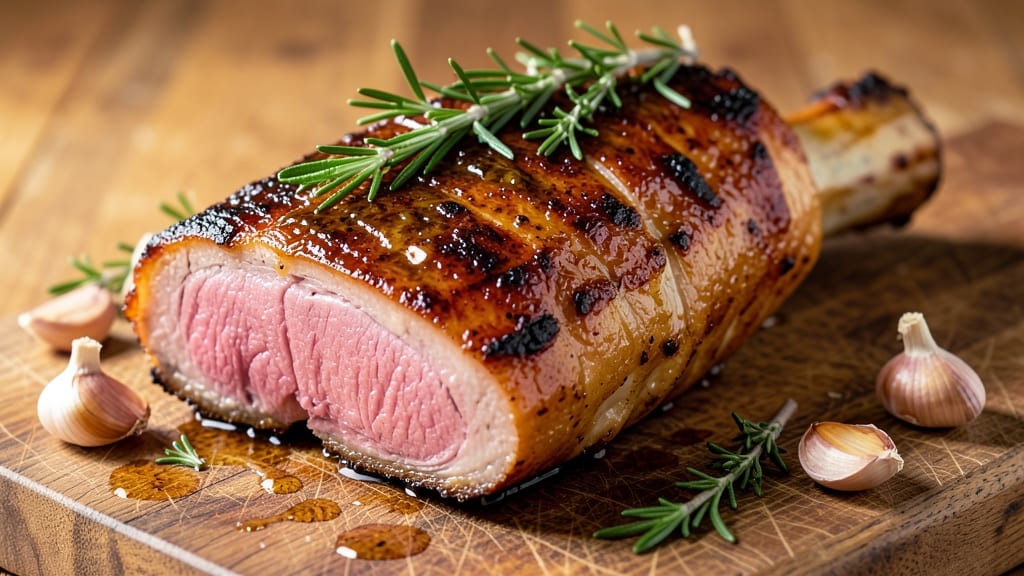
A 9-lb pork loin roast deserves the same care as a centerpiece steak—this herb-crusted method delivers restaurant-quality results with a clockwork sear that locks in juices while building a golden, aromatic crust. 🔥 I perfected this technique after years of cooking whole hogs for competitions, where precision at high heat makes all the difference.
The secret isn't just the herbs—it's the timing: a slow start to even cooking, then a final blistering sear that transforms tough muscle into melt-in-your-mouth perfection.
What sets this apart is the two-stage roasting process that guarantees a juicy center and crispy exterior without drying out. Start with a low oven to let the meat cook evenly, then finish with a broiler to create that coveted caramelized bark.
The herb crust—rosemary, thyme, garlic, and Dijon—infuses flavor deep into the meat while adding texture. This isn't just a roast; it's a showstopper that commands the table, especially when paired with classic sides like apple compote or roasted root vegetables.
By the time you carve into this 9-lb pork loin, you'll see why it's worth the effort: tender slices that fall apart with just a gentle pull, surrounded by that herb-crusted crust that adds layers of flavor.
The internal temperature should hit 145°F—no guesswork, just science-backed precision. Serve it family-style with pan juices spooned over each portion, because this is the kind of roast that turns ordinary dinners into memorable feasts.
For those hosting a crowd, this recipe scales beautifully—just adjust the roasting time proportionally. The leftovers reheat wonderfully, making it perfect for meal prep or feeding guests who always ask, "What's for dinner?" Trust me, this is the answer they'll remember.
Let's get cooking—your table is about to become the talk of the neighborhood.
Ingredients for 9 lb pork loin
Nine pounds of pork deserves this herb-crusted masterpiece—where precision meets flavor for a showstopping centerpiece.
| Ingredient | Amount | Notes |
|---|---|---|
| Bone-In Pork Loin 🐖 | 9 lb | Center-cut, 2-inch thick |
| Fresh Rosemary 🌿 | ½ cup | Finely chopped, stems removed |
| Fresh Thyme 🌿 | ¼ cup | Leaves only, stems discarded |
| Garlic Cloves 🧄 | 10 cloves | Smashed, skin on for aroma |
| Dijon Mustard 🍯 | ¼ cup | High-quality, smooth texture |
| Extra-Virgin Olive Oil 🫒 | ½ cup | For crust and searing |
| Kosher Salt 🧂 | 2 tbsp | Diamond Crystal preferred |
| Freshly Ground Black Pepper 🌶️ | 1 tbsp | Coarsely cracked |
| Unsalted Butter 🧈 | ½ cup | Cold, cubed for basting |
| Apple Cider Vinegar 🍏 | 1 tbsp | For pan deglazing |
| Vegetable Oil 🫒 | ¼ cup | High smoke point for searing |
| Fresh Sage Leaves 🌿 | ¼ cup | Optional, for extra aroma |
| Beef Bone Broth 🍲 | 1 cup | For pan juices, optional |
The pork loin is the star, so source it from a trusted butcher—look for a center-cut roast with good marbling and a thick, even profile. Costco or Whole Foods often carry excellent quality, but your local butcher might offer even better cuts. The bone-in version holds up better during roasting, and the thickness ensures even cooking. If you can't find a 9-lb roast, two 4-5 lb loins will work (adjust cooking time). For the herbs, fresh is non-negotiable—dried won't give that same aromatic punch. I always buy extra rosemary because it keeps well and adds that piney depth to the crust. The Dijon mustard should be high-quality—Maille or Whole Foods brand are my go-tos—they make all the difference in the herb adhesion.
No fresh rosemary? Dried at one-third the amount works, but it won't be the same. Substituting thyme for sage is fine, but the flavor profile shifts slightly. Running out of Dijon? Yellow mustard in a pinch, though it's less refined. For the olive oil, avoid light or refined oils—they lack the fruity notes that caramelize beautifully during the sear. The apple cider vinegar can be swapped for red wine vinegar, but it adds a different depth. If you're making this ahead, prep the herb crust the night before and store it in the fridge—it'll cling better to the chilled pork. And trust me, the bone broth in the pan juices is worth it—it adds umami richness that transforms ordinary pan drippings into a luxurious sauce.
This roast reheats beautifully—2-3 hours at 300°F with a splash of broth keeps it juicy. Store leftovers in the fridge for 4-5 days or freeze for up to 3 months (portion into individual servings for easy reheating). The herb crust freezes well too—just thaw it before applying to cold pork. For serving, I always carve against the grain for those melt-in-your-mouth slices. The pan juices? Strain and reduce them into a glossy sauce—it's the perfect finishing touch that makes this roast feel like a restaurant experience. And if you're feeding a crowd, double the herb crust—everyone will ask for seconds
Why You'll Love This Recipe
- I’ll be real: this isn’t the prettiest roast, but it’s foolproof. The bone-in keeps it moist, and the mustard crust adds that je ne sais quoi without fuss. Perfect when I’m too tired to fuss but still want something impressive—like when my in-laws show up unannounced.
- One-Pan Magic: I swear by this—just slather that Dijon mustard on the bone-in pork, tuck in the rosemary and thyme sprigs, and let the oven do the work. No chopping boards, no extra pots, and honestly? The cleanup is just wiping the pan and calling it a day.
- Herb-Crusted Perfection: That combo of fresh rosemary and thyme rubbing into the pork as it roasts? It’s like a fragrant hug for your taste buds. The garlic cloves nestled against the meat? Pure gold—every bite has that sweet, savory punch without tasting like you followed a fancy recipe.
- Leftovers That Shine: Between us, this pork loin is the star of my meal prep. Slice it thin for sandwiches, cube it for fried rice, or toss it into pasta the next day. It stays juicy and flavorful, and I’ve never once regretted making a big batch.
Step-by-step instructions for herb-crusted pork loin roast
Here's how to transform that massive pork loin into a showstopping centerpiece with crispy edges and tender perfection.
👨🍳 Step 1: Create the Herb Crust and Season Generously
In a food processor, pulse the 0.5 cup fresh rosemary, 0.25 cup fresh thyme, 10 smashed garlic cloves, 2 tbsp kosher salt, and 1 tbsp freshly ground black pepper until finely chopped but not pasty. Transfer this herb mixture to a bowl and stir in the 0.25 cup Dijon mustard and 0.5 cup extra-virgin olive oil until fully combined. This creates our flavor-packed crust.
Pat the 9 lb bone-in pork loin completely dry with paper towels—this is critical for that perfect crust. Rub the herb mixture all over the pork, pressing firmly so it adheres. Let it sit at room temperature for 30 minutes while you prep the oven. This resting time lets the flavors penetrate and the crust set up properly.
🔥 Step 2: Sear for Maximum Flavor and Crisp
Preheat your oven to 425°F with a rack positioned in the lower third. Heat 0.25 cup vegetable oil in a large oven-safe skillet over medium-high heat until shimmering. Carefully place the pork loin in the skillet, fat-side down, and sear for 8-10 minutes until the crust is deeply golden brown and the internal temperature reaches 145°F. This initial sear locks in juices and builds that incredible crust.
Here's the thing—I press down gently on the pork during the first minute to prevent curling. If it sticks, don't panic—just add a splash of 1 tbsp apple cider vinegar to help release it. The vinegar also adds a subtle tang that complements the herbs beautifully.
🔥 Step 3: Roast with Butter Basting for Moisture
Transfer the skillet to the preheated oven and roast for 45-50 minutes, basting with cold cubed butter every 15 minutes. I like to use a spoon to lift the pork slightly and pour melted butter over the top—this creates steam that keeps the meat incredibly tender. The butter should sizzle when it hits the hot surface, creating a golden sheen.
After 30 minutes, check the internal temperature with a meat thermometer. It should be 155-160°F—this is where the magic happens. If the crust starts to darken too quickly, tent loosely with foil to prevent over-browning while maintaining the temperature.
🥘 Step 4: Create Pan Sauce for Extra Flavor
Once the pork reaches 160°F (about 50-55 minutes total), remove it from the oven and let it rest on a cutting board for 20 minutes. This resting period is non-negotiable—it allows juices to redistribute throughout the meat. While it rests, place the skillet with rendered juices over medium heat and deglaze with 1 cup beef bone broth, scraping up all those delicious browned bits from the bottom.
Simmer the broth until reduced by half, about 5 minutes, then stir in the 0.25 cup fresh sage leaves (if using) and let them infuse for 1 minute. This sauce captures all the herbaceous flavors and adds a luxurious finish to your roast.
🔪 Step 5: Slice and Serve with Confidence
Using a sharp carving knife, slice the pork loin into 1-inch thick medallions against the grain. The meat should be fork-tender with a crispy herb crust that crackles when you cut into it. Arrange the slices on a platter and drizzle generously with the pan sauce, reserving some for serving on the side.
Each slice should be juicy with a perfect balance of herbaceous crust and tender meat. The bone-in cut adds incredible flavor, so don't discard it—simmer it with the pan juices for a rich broth to serve alongside. This roast serves 12 generously, making it perfect for gatherings where you want to impress.
Pro Tips For Making 9 Lb Pork Loin
- USE A MEAT THERMOMETER: That bone-in pork loin is a sneaky liar—it’ll look "done" on the outside while the center’s still gray and tough. I learned this the hard way after serving a slice that needed another 10 minutes. Aim for 145°F internal temp (150°F if you’re serving kids or the cautious type), and don’t rely on visual cues. Stick it in the thickest part, away from bone or fat—if it’s not hitting those numbers, keep it in the oven.
- SMASH THOSE GARLIC CLOVES: Minced garlic burns faster than a bad date’s exit line, and nothing ruins a pork loin like bitter, charred garlic. Instead of chopping, smash the cloves flat with the side of your knife before adding them to the pan. They’ll cook slower, infuse deeper, and you won’t spend the next 10 minutes fishing out blackened bits. (Yes, even if you’re impatient like me.)
- SALT THE PORK TWICE: Skip the "season it before cooking" advice—this is a big cut of meat. Salt it generously 24 hours ahead (yes, really) to break down the fibers, then give it another hit right before searing. The first salting tenderizes; the second locks in flavor. I was skeptical until I tried it—now my pork loin stays juicy even when sliced thin for sandwiches.
- STOP THE OVEN DANCE: You’re not baking a cake—don’t open that oven door every 5 minutes to check. Every time you peek, you’re letting heat escape, turning your perfectly seared crust into sad, steamed pork. If you’re worried, use the oven light or set a timer. Trust me, your pork won’t dry out if you leave it alone for 20 minutes. (Your future self will thank you.)
Serving suggestions for leftovers
Family-Style Presentation
Serve this herb-crusted pork loin family-style on a large platter with the bone still attached—it becomes a natural handle for guests to pull slices directly from the roast.
I like to arrange the slices in a circular pattern with the bone in the center, creating a focal point that makes the dish look even more impressive. 🌟 The pan sauce drizzled over the top adds that restaurant-worthy finish, while keeping extra sauce in a small bowl on the side lets everyone customize their portions.
Classic Southern Sides
For a true Southern experience, pair your pork loin with creamy mashed potatoes made with buttermilk and roasted garlic—the tanginess cuts through the richness beautifully.
I also recommend brown sugar-glazed carrots (tossed with 1 tbsp brown sugar, 1 tbsp butter, and a pinch of cayenne) for natural sweetness that complements the herbs. Don’t forget crusty sourdough bread to soak up those pan juices—every bite is pure comfort.
Apple Compote Contrast
A spiced apple compote adds a bright, fruity contrast to the savory pork.
Simmer 4 cups peeled and diced apples (I use Honeycrisp or Granny Smith) with ¼ cup apple cider, 2 tbsp brown sugar, 1 cinnamon stick, and 1 star anise for 15 minutes until tender.
The acidity and sweetness balance the herbaceous crust perfectly, making each bite feel balanced. Serve it warm in a small bowl alongside the pork.
Wine Pairing Perfection
A bold red wine like Cabernet Sauvignon or Syrah stands up to the herb crust and rich pork flavors. I love Napa Valley Cabernet for its velvety tannins and blackberry notes, or a Southern Rhône Syrah if you prefer something spicier.
For white wine lovers, a Chardonnay with oak (like Meursault) adds buttery depth that mirrors the butter-basted pork. Serve both at room temperature for the best experience. 🍷
Make-Ahead Garnishes
Prep garnishes ahead to streamline serving. Toast 1 cup pecans in a dry skillet until golden, then chop them for a crunchy topping. Fresh rosemary sprigs tied with kitchen twine make elegant garnishes, while thinly sliced radishes add a peppery crunch.
I also like to make quick-pickled red onions (slice 1 red onion, soak in ½ cup apple cider vinegar, 1 tbsp sugar, and ½ tsp salt for 30 minutes) for a tangy bite that cuts through the richness.
Leftovers Reinvented
Transform leftover pork into pork fried rice by dicing the meat and stir-frying with jasmine rice, peas, carrots, and a soy-ginger sauce. Or shred it for pork sliders with honey mustard and caramelized onions on mini brioche buns.
The herb crust adds incredible flavor to sandwiches, so don’t waste it—repurpose every bite with creativity. Store leftovers in airtight containers for up to 5 days or freeze for 3 months.
Nutrition facts
Frequently asked questions
Can I use a boneless pork loin instead of bone-in?
Yes, but expect slightly different cooking times and presentation. A boneless 9-lb pork loin will cook about 10-15 minutes faster since there's no bone to insulate heat. The meat may also shrink slightly more during cooking. For best results, trim any excess fat and use the same herb crust—just reduce the oven temperature to 400°F for the final sear to prevent overcooking. The bone adds incredible flavor, but boneless works perfectly for sandwiches or smaller servings.
How do I adjust the recipe for a smaller pork loin?
This recipe scales beautifully! For a 4-5 lb pork loin, reduce all seasoning amounts by half and cook at 400°F instead of 425°F to prevent overcooking. The sear time stays the same (8-10 minutes), but roasting time drops to 30-35 minutes. Use a meat thermometer—145°F is your target. The herb crust ratio remains identical, so no need to adjust proportions. Perfect for weeknight dinners or smaller gatherings!
Why is my pork loin dry even though I followed the recipe?
Dry pork usually means one of three things: overcooking, skipping the rest, or not using a thermometer. Always pull the meat at 145°F—never guess! The 20-minute rest is critical (juices need time to redistribute). If you're concerned, brine the pork for 4 hours in ¼ cup salt per quart of water before cooking. Also, avoid cutting into it immediately—patience is key for that melt-in-your-mouth texture. The bone-in version holds moisture better, so consider that for next time.
Can I smoke this pork loin instead of roasting?
For a smoky twist, cook at 225°F with your favorite wood (hickory or apple pairs beautifully) until the internal temp hits 140°F (about 3-4 hours). Then finish with a 10-minute broil for color. Use the same herb crust and butter-basting technique. The low-and-slow method makes the meat incredibly tender, though the crust will be less crispy. For extra flavor, add 1 tbsp smoked paprika to the herb mixture before applying.
What's the best way to reheat leftovers?
Reheat pork loin slices in a 350°F oven with a splash of broth or water in a covered dish for 15-20 minutes—this keeps them juicy. For quick reheating, use a skillet over medium-low heat with 1 tbsp butter for 3-4 minutes per side. Microwaving works in a pinch (covered, 50% power for 1-2 minutes), but texture suffers. Pro tip: Store leftovers in airtight containers with a pat of butter on top to prevent drying.