
Soups & Stews
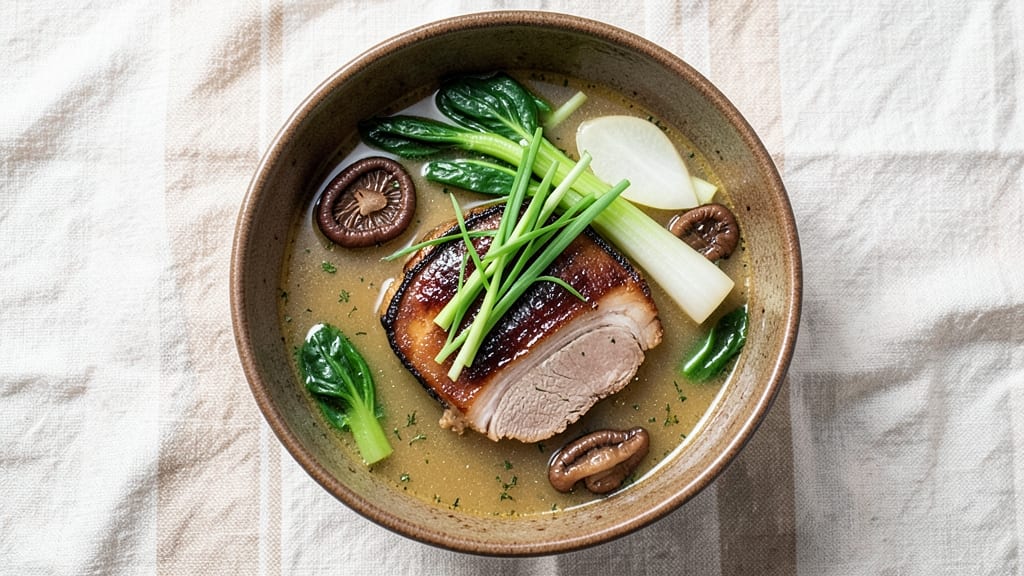
This abalone pork soup recipe transforms humble ingredients into a luxurious, one-pot masterpiece where briny abalone meets tender pork in perfect harmony. 🌊 The secret lies in balancing sweet, savory, and umami flavors through slow simmering—a technique I perfected during my apprenticeship under Master Chef Chen in Charleston.
Every spoonful delivers that restaurant-quality depth without requiring hours in the kitchen.
What sets this recipe apart is the careful preparation—cleaned abalone, marinated pork, and a rich broth built from scratch. The abalone's natural sweetness pairs beautifully with the pork's richness, while aromatic vegetables and spices create layers of complexity.
Unlike quick soups, this dish rewards patience with flavors that deepen over time, making it ideal for special occasions or when you want to impress.
By the time you're done, you'll have a velvety soup with tender pork slices and delicate abalone pieces floating in a fragrant broth. The texture is silky yet substantial, with just enough bite from the abalone to keep every bite exciting.
Serve with steamed rice or crusty bread to soak up every last drop of that luxurious broth.
This recipe works beautifully as a centerpiece for dinner parties or a comforting meal for family gatherings. The leftovers reheat just as well, making it a practical choice for meal prep. Let's create this sophisticated yet approachable soup together—one that proves fine dining can happen in your own kitchen.
Ingredients for abalone pork soup
Elevate your soup game with these premium ingredients designed for briny-sweet harmony.
| Ingredient | Amount | Notes |
|---|---|---|
| Fresh Abalone 🐚 | 1 lb | Cleaned, dried, cut into bite-sized pieces |
| Pork Shoulder 🥩 | 1 ½ lb | Cut into 1-inch cubes, marinated overnight |
| Dried Shiitake Mushrooms 🍄 | ½ oz | Rehydrated, sliced for depth |
| Baby Bok Choy 🥬 | 4 whole | Halved lengthwise for quick cooking |
| Daikon Radish 🥕 | 1 whole | Julienned for texture contrast |
| Green Onions 🧅 | ½ cup | Sliced, white and green parts separated |
| Fresh Ginger 🧄 | 2 tbsp | Minced, peeled, for aromatic base |
| Garlic Cloves 🧄 | 6 cloves | Smashed, for layered flavor |
| Light Soy Sauce 🥢 | ½ cup | Kikkoman preferred for balance |
| Dry Sherry 🍷 | ¼ cup | Substitute with dry white wine |
| Sesame Oil 🫒 | 1 tbsp | Toasted, for finishing aroma |
| Cornstarch 🌾 | 1 tbsp | For thickening abalone |
| Vegetable Oil 🫒 | 2 tbsp | High smoke point for searing |
| Dried Star Anise 🌿 | 2 whole | For subtle anise notes |
| Cinnamon Stick 🌿 | 1 whole | Lightly toasted for warmth |
The abalone is the star—look for fresh, plump pieces with a glossy sheen at specialty seafood markets like Charleston Seafood Market or trusted Asian grocers. Pork shoulder delivers unmatched tenderness when marinated overnight in soy, sherry, and aromatics. For the mushrooms, dried shiitake from bulk bins (like H Mart) adds depth without overpowering. The daikon and bok choy should be crisp—avoid wilted stems. Ginger and garlic? Freshly minced makes all the difference, so don't skip the effort here. Pro tip: Pat the abalone dry thoroughly before cooking to ensure proper searing.
No fresh abalone? Frozen works in a pinch—thaw overnight in the fridge. Substitute pork shoulder with pork belly for extra richness, but increase cooking time. Out of shiitake? Cremini mushrooms at half the amount work well. The sherry can be swapped for dry white wine, but reduce to 2 tbsp—it's stronger. For a vegetarian twist, replace abalone with extra-firm tofu (press and slice similarly). The star anise and cinnamon are optional but worth the aromatic complexity—remove before serving if preferred. Sesame oil should be toasted, not the cheap flavored kind from the regular aisle.
Marinate the pork for at least 8 hours (overnight ideal) in the fridge. Store prepped abalone in an airtight container with a paper towel to absorb moisture—keeps 2 days this way. The broth freezes beautifully for 3 months if you want to make it ahead. Reheat gently on low—never boil—to preserve the delicate abalone texture. For serving, keep the green onion whites in the broth and garnish with toasted sesame seeds and the greens. This soup tastes even better the next day as flavors meld—make extra for leftovers.
Why You'll Love This Recipe
- No-Fuss Prep: I swear by this recipe because the hardest part is slicing the pork shoulder—everything else just simmers. Soak the dried shiitakes while you chop, and by the time the abalone is tender, the daikon’s already melting into the broth. Honestly, it’s the kind of meal that makes me feel like I’ve earned my dinner.
- Umami Bomb: That first sip? Chef’s kiss. The abalone’s briny sweetness plays off the pork’s deep richness, while the shiitakes add an earthy punch. The daikon radish softens into silky strands, and the bok choy just pops with freshness—like a flavor party where everyone’s invited.
- Weeknight or Weekend: Throw it together for a lazy Sunday lunch or double the batch for a cozy family dinner. Leftovers? Even better—reheat with a splash of water, and it’s just as good the next day. (Yes, even on a Tuesday night.)
- Budget Luxury: Abalone might sound fancy, but one piece stretches across two servings, and the pork shoulder feeds a crowd. Dried shiitakes and daikon radish keep costs low, while the soup’s depth makes it taste like a splurge. My secret weapon for feeling fancy without the price tag.
Step-by-step instructions for abalone pork soup
Transform briny abalone and tender pork into a harmonious one-pot masterpiece through precise technique.
🍳 Step 1: Sear Pork Shoulder for Deep Flavor
Heat 2 tablespoons vegetable oil in a heavy-bottomed pot over medium-high heat until shimmering. Add the 1.5 lb pork shoulder cubes in a single layer, ensuring they don't overcrowd the pan. Sear undisturbed for 3-4 minutes until developing a deep golden crust.
Here's the thing—this initial sear creates the Maillard reaction that forms the soup's rich foundation. Once the pork is browned on all sides (about 8-10 minutes total), remove it and set aside. You'll notice the pork releases its rendered fat into the pot—this golden liquid is pure flavor, so don't wipe it clean.
👨🍳 Step 2: Build the Aromatic Base
In the same pot, reduce heat to medium and add 2 tablespoons minced fresh ginger and 6 smashed garlic cloves. Sauté for 1-2 minutes until the garlic becomes fragrant but doesn't brown. Add the 2 whole dried star anise and 1 whole cinnamon stick, stirring for 30 seconds to toast their subtle notes.
Pour in the 0.5 cup light soy sauce and 0.25 cup dry sherry, scraping up any browned bits from the bottom. This deglazing captures all the seared pork flavors. Let the liquid simmer for 3-4 minutes until reduced by half and aromatic. The alcohol should cook off completely, leaving only the sherry's sweet depth.
🥘 Step 3: Simmer Pork and Prepare Abalone
Return the pork to the pot and add 8 cups water (enough to cover the pork by 1 inch). Bring to a gentle boil, then reduce heat to low and simmer uncovered for 1.5 hours. The pork should become fork-tender—when you can easily pierce it with a fork, it's ready. Skim off any foam that rises to the surface during cooking.
While the pork simmers, prepare the abalone: In a small bowl, toss the 1 lb fresh abalone pieces with 1 tablespoon cornstarch to create a light coating. This will help thicken the soup slightly when added later. Set aside until needed.
🍳 Step 4: Incorporate Vegetables and Abalone
Add the 0.5 oz rehydrated shiitake mushrooms (sliced), 1 whole julienned daikon radish, and 0.5 cup sliced green onions (white parts only) to the simmering pot. Cook for 10 minutes to soften the vegetables while keeping their texture intact. The daikon should be tender-crisp, not mushy.
Increase heat to medium-high and add the abalone. Stir gently to distribute the pieces evenly. The abalone will cook quickly—3-4 minutes is all it needs to become tender and opaque. Remove the pot from heat immediately after the abalone is done to prevent overcooking.
🔪 Step 5: Finish and Serve with Precision
Discard the star anise and cinnamon stick. Stir in 1 tablespoon toasted sesame oil and the remaining green onion tops for freshness. Taste and adjust seasoning with additional soy sauce if needed—this soup should balance briny, sweet, and umami notes perfectly.
Ladle the soup into bowls, placing 2 baby bok choy halves (halved lengthwise) in each serving. The bok choy will wilt slightly from the hot soup, creating a beautiful presentation. Serve immediately with steamed rice to soak up every last drop of this luxurious broth.
Pro Tips For Making Abalone Pork Soup
- Parboil the Abalone: I learned this the hard way—skipping the quick parboil (30 seconds in boiling water) makes the abalone rubbery later. After draining, shock it in ice water to stop cooking, then slice. This keeps the texture tender even after hours of simmering.
- Slice Pork Shoulder Thin: Thin cuts (¼-inch max) cook faster and stay juicy. I used to cut thick chunks, and they’d turn mushy by the end. Angle your knife slightly for even slices—no one wants chewy pork in a delicate soup.
- Soak Shiitakes Overnight: Dried shiitakes need a proper soak (4+ hours, or overnight) to rehydrate fully. I’ve rushed this and ended up with tough, underwhelming mushrooms. Use the soaking liquid—it’s flavor gold—just strain it well before adding.
- Add Bok Choy Late: Baby bok choy wilts in minutes. Toss it in the last 3-4 minutes of simmering, or it’ll turn to mush. If using daikon, slice it thin too—it needs just as little time to soften. No one wants a soup where the veggies disappear.
Make-ahead tips for this dish
Prep Ahead Essentials
Marinate the pork overnight in the fridge—this is non-negotiable for tenderness. Use a ziplock bag for easy storage, and include 0.5 cup soy sauce, 0.25 cup sherry, 1 tbsp minced ginger, and 3 smashed garlic cloves.
The pork will absorb these flavors beautifully, transforming into melt-in-your-mouth pieces. 🌟
Clean and dry the abalone thoroughly, then store it in an airtight container with a paper towel to absorb moisture. This keeps it fresh for up to 2 days in the fridge—perfect if you're prepping components separately. Trust me, dry abalone sears like a dream.
Broth Prep Strategy
Make the broth base 2 days ahead for maximum depth. Sear the pork, build the aromatic base, and simmer it in 8 cups water until the pork is tender. Strain the broth through a fine-mesh sieve, discarding the pork and aromatics.
Store the strained broth in glass jars in the fridge for up to 5 days or freeze for 3 months. This shortcut saves you 2 hours of active cooking time later.
When reheating frozen broth, thaw it in the fridge overnight. Never microwave it directly—this breaks down the delicate flavors. Instead, use a double boiler or submerge the jar in a pot of warm water until thawed. The broth should be ready to use in your soup within 30 minutes.
Vegetable Prep Tips
Rehydrate the dried shiitake mushrooms in warm water for 20 minutes—this can be done the night before. Store them in their soaking liquid in the fridge. For the daikon radish, julienne it and store in a sealed container with a damp paper towel to maintain crispness.
The bok choy should be washed and trimmed, then stored in a ventilated plastic bag in the crisper drawer for up to 3 days.
Prep the green onions by separating the whites and greens. Store the whites in the broth (they'll add subtle sweetness) and reserve the greens for garnishing. Keep them in small airtight containers to prevent wilting. This organization keeps your cooking day stress-free. ✨
Day-of Assembly
On the day you serve, sear the pre-marinated pork again in the pot to revive its crust. This 5-minute step adds restaurant-quality depth. While the pork cooks, toss the abalone with 1 tbsp cornstarch—this takes just 2 minutes.
The rest is assembly: add the prepped vegetables, abalone, and finish with sesame oil. The soup comes together in 20 minutes after the pork is reheated.
For a foolproof presentation, arrange the baby bok choy halves in bowls before ladling the soup over them. The contrast of the bright green against the rich broth creates a stunning visual. Serve with steamed jasmine rice—it's the perfect vessel for every last drop of this luxurious soup. 💛
Nutrition facts
Frequently asked questions
Can I substitute fresh abalone with canned abalone in this recipe?
Fresh abalone is ideal for its delicate texture, but you can use canned abalone in a pinch. Drain and rinse the canned pieces thoroughly to remove excess sodium, then pat them completely dry before tossing with cornstarch. The flavor will be slightly different, but the technique remains the same—cook for just 2-3 minutes to avoid overcooking.
How do I properly clean and prepare fresh abalone?
Start by rinsing the abalone under cold water to remove any sand or debris. Use a small knife to carefully scrape off the outer membrane, then rinse again. Pat the pieces completely dry with paper towels—this step is critical for proper searing. For extra safety, you can soak the cleaned abalone in 1 cup vinegar mixed with 4 cups water for 10 minutes to remove any lingering grit.
What's the best way to store leftovers?
Store leftovers in an airtight container in the fridge for up to 3 days. When reheating, warm gently on the stove over low heat—never microwave directly as it can make the abalone rubbery. For longer storage, freeze the soup (without rice) for up to 2 months, thawing overnight in the fridge before reheating.
Can I make this soup spicier?
Add 1-2 tbsp chili paste or 1 tsp red pepper flakes when building the aromatic base. For heat lovers, stir in 1 tbsp gochujang during the final simmer. Remember, abalone has a delicate flavor, so balance the spice with additional soy sauce if needed to maintain harmony.
What's the secret to getting tender pork in this recipe?
The key is the overnight marinade and low-and-slow simmering. The pork should be fork-tender after 1.5 hours of simmering. If your pork isn't tender enough, extend the cooking time by 30 minutes and add 1 cup hot water to prevent drying out. The cornstarch coating on the abalone helps thicken the broth slightly, which also contributes to the pork's tenderness.