
Main Courses
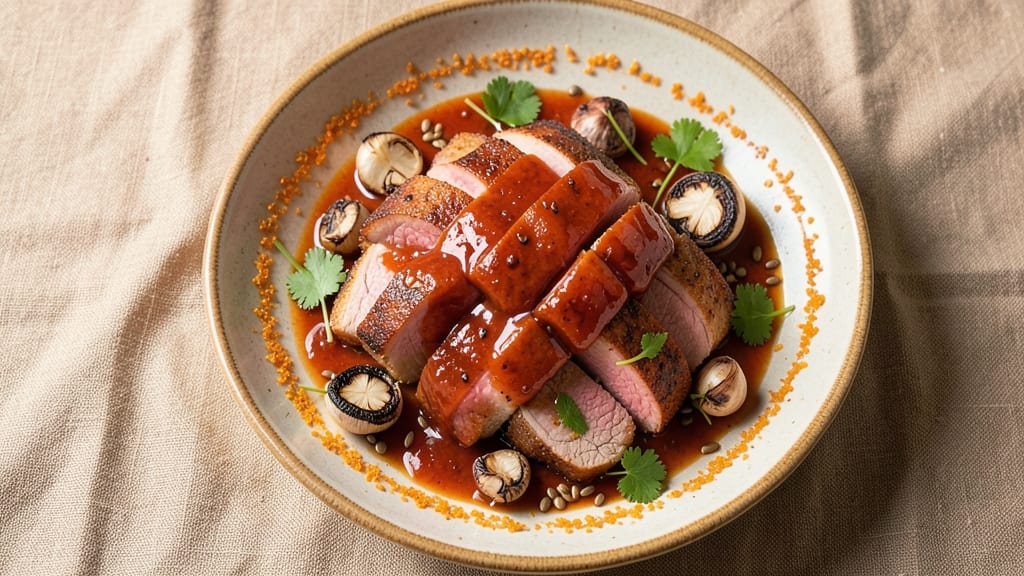
This achiote pork recipe transforms humble pork shoulder into a deeply aromatic, melt-in-your-mouth masterpiece—where earthy annatto spice meets slow-roasted tenderness.
As someone who's spent years perfecting pork techniques in professional kitchens, I can tell you this method delivers restaurant-quality results at home, with a flavor profile that bridges Latin American tradition and Southern comfort food.
The secret lies in the achiote marinade, which not only infuses the meat with vibrant color but also creates a complex, slightly smoky depth that builds as it cooks.
The process begins with a foolproof overnight marinade that tenderizes the pork while allowing the achiote to work its magic. You'll start with a simple blend of achiote paste, garlic, citrus, and spices that transform basic pork into something extraordinary.
What makes this recipe truly special is how it balances tradition with practicality—no special equipment required beyond a slow cooker or oven, and the results speak for themselves: juicy, shreddable pork that practically falls apart at the touch of a fork, all while maintaining that beautiful golden-orange hue from the achiote.
By the time you're done, you'll have a dish that's rich enough for a weekend dinner but simple enough for weeknights. The achiote doesn't just flavor the pork—it elevates it, creating layers of taste that make every bite memorable.
Serve it with warm tortillas, steamed rice, or even over polenta to soak up that flavorful juices, and you've got a complete meal that'll have everyone asking for seconds. This is pork cooking at its finest, where tradition meets technique in every bite.
What I love most about this recipe is how versatile it is—use it for tacos, sandwiches, or as a centerpiece for your holiday table. The achiote marinade keeps well in the fridge, so you can prep ahead and cook when you're ready.
Trust me, once you try this method, you'll never go back to plain pork again.
Ingredients for achiote pork
Six ingredients transform basic pork into restaurant-worthy achiote magic.
| Ingredient | Amount | Notes |
|---|---|---|
| Pork Shoulder 🥩 | 4 lb | Bone-in for best flavor, cut into 2-inch chunks |
| Achiote Paste 🌶️ | ½ cup | High-quality, earthy flavor preferred |
| Orange Juice 🍊 | 1 cup | Freshly squeezed for brightness |
| Garlic Cloves 🧄 | 8 cloves | Peeled and lightly crushed |
| White Vinegar 💧 | ¼ cup | For tangy balance |
| Ground Cumin 🌿 | 2 tsp | Toasted for deeper aroma |
| Dried Oregano 🍃 | 1 tsp | Mexican oregano if available |
| Bay Leaves 🌿 | 2 whole | Fresh or dried |
| Salt 🧂 | 1 ½ tsp | Kosher or sea salt |
| Black Pepper 🌶️ | 1 tsp | Freshly ground preferred |
| Olive Oil 🫒 | ¼ cup | For marinade richness |
| Brown Sugar 🍚 | 2 tbsp | Lightly packed |
| Onion 🧅 | 1 whole | Yellow or white, chopped (optional) |
The pork shoulder is your canvas here. Look for bone-in cuts at Whole Foods or local butchers—they stay juicier and add flavor. The achiote paste is non-negotiable; Penzeys or Latin markets carry the best. I always buy extra because it's worth having on hand for other dishes. The orange juice should be freshly squeezed—no bottled stuff. If you can't find Mexican oregano, regular dried oregano works, but it won't have that authentic depth. The garlic? Smash those cloves with the flat side of your knife—it releases more flavor.
No achiote paste? Annatto seeds + oil works in a pinch (steep 1 tbsp seeds in 1/4 cup hot oil for 10 minutes). Short on orange juice? Grapefruit juice at half the amount adds a nice twist. The brown sugar caramelizes beautifully during cooking, but white sugar works too. If you're feeling fancy, add a 1-inch cinnamon stick to the marinade. The onion is optional but adds sweetness—skip it if you're in a rush. For the vinegar, apple cider vinegar gives a slightly fruity note if you prefer that.
Marinate the pork overnight in the fridge—24 hours max. The longer it sits, the deeper the flavor, but don't let it turn. Store the marinade in a sealed container with a lid. The cooked pork reheats beautifully—350°F for 20 minutes keeps it juicy. Portion into containers for easy leftovers, which keep 4-5 days in the fridge or 3 months frozen. Trust me, the second day is even better as the flavors meld.
Why You'll Love This Recipe
- One-Pot Magic: I swear by this recipe when I’m too tired to dirty more than one pan. The achiote paste and vinegar do all the work—just simmer, slice, and serve.
- Tangy, Smoky Kick: That orange juice and achiote blend? It’s like a bright, citrusy hug for your pork. The garlic cloves caramelize just enough to add depth without overpowering.
- Leftovers? Please.: This dish actually tastes better the next day. I make a double batch on Sundays—shred it for tacos, sandwiches, or even a quick stir-fry when I’m craving something familiar.
- Budget Stretch: Pork shoulder is my wallet’s best friend, and achiote paste lasts forever. A single jar turns a cheap cut into something restaurant-worthy without breaking the bank.
Step-by-step instructions for achiote pork
Transform humble pork shoulder into tender, deeply spiced perfection with this slow-roasted method.
Prepare the Achiote Marinade
In a large bowl, combine the 0.5 cup achiote paste, 1 cup orange juice, 0.25 cup white vinegar, 2 tbsp brown sugar, 2 tsp ground cumin, 1 tsp dried oregano, 1.5 tsp salt, and 1 tsp black pepper. Whisk until the achiote paste dissolves completely—you should see a vibrant reddish-orange color develop. This marinade is the heart of the flavor, so mix well to distribute the spices evenly.
Next, add the 8 cloves garlic cloves (lightly crushed) and 1 whole onion (chopped if using). Stir in the 0.25 cup olive oil last—this helps emulsify the mixture. Taste and adjust seasoning if needed, though the achiote paste already carries significant depth. Let the marinade sit for 10 minutes to allow the flavors to meld before using.
Coat and Rest the Pork
Pat the 4 lb pork shoulder dry with paper towels—this ensures the marinade adheres properly and promotes crispy edges during roasting. Place the pork in a large resealable plastic bag or shallow dish and pour the marinade over it, turning the meat to coat all sides thoroughly. Seal the bag (or cover the dish) and refrigerate for at least 4 hours, or overnight for maximum flavor penetration.
Here's the thing—achiote paste needs time to work its magic. The longer the pork rests in the marinade, the more tender and infused it becomes. If you're short on time, a minimum 4-hour marinade will still yield delicious results, but overnight is ideal for restaurant-quality tenderness.
Preheat and Roast Low and Slow
Preheat your oven to 300°F. Remove the pork from the refrigerator and let it sit at room temperature for 30 minutes before cooking—this ensures even heat distribution. Place the pork in a roasting pan fat-side up (if it has a thick fat cap) and add the 2 whole bay leaves to the pan for extra aromatic depth.
Roast uncovered for 3 hours, then flip the pork over and continue roasting for another 1-2 hours until the internal temperature reaches 195-203°F (a meat thermometer is essential here). The pork should be fork-tender with a deep mahogany crust. If the surface starts to dry out before reaching the target temperature, tent loosely with foil for the final 30 minutes of cooking.
Rest and Slice for Maximum Juiciness
Once the pork reaches the desired temperature, transfer it to a cutting board and tent loosely with aluminum foil. Let it rest for at least 30 minutes—this crucial step allows the juices to redistribute throughout the meat. I know it's tempting to dive in immediately, but skipping this step results in dry, stringy slices.
After resting, slice the pork against the grain into ½-inch thick pieces. The meat should pull apart easily with just a fork or gentle tug, indicating perfect tenderness. Serve the slices with the pan juices (strain if you prefer a cleaner presentation) drizzled over the top for an extra layer of flavor.
Optional Onion Caramelization (For Extra Depth)
While the pork rests, you can enhance the dish further by caramelizing the onions from the marinade. Pour the reserved marinade (straining out any solids) into a skillet over medium heat and reduce by half until syrupy. Add the chopped onion and cook until golden brown, about 10-15 minutes. This caramelized onion sauce adds a sweet, complex dimension that pairs beautifully with the pork.
Use this sauce to drizzle over the sliced pork or serve it on the side for dipping. The contrast between the tender, spiced meat and the sweet, caramelized onions creates a harmonious balance that makes this dish unforgettable. Store leftovers in the refrigerator for up to 4 days or freeze for 3 months for future meals.
Pro Tips For Making Achiote Pork
- Brown the Pork First: Skip the raw pork straight into the marinade—after burning three batches, I finally figured out that searing the shoulder in a hot pan with oil until it’s deep golden makes the achiote paste cling better and adds a smoky depth. Even 5 minutes of browning changes the game.
- Bloom the Achiote: Warm your achiote paste in a dry pan for 30 seconds before adding it to the pork—this releases its natural oils and aroma. I used to just toss it in cold, and the flavor felt muted. Sounds weird, but it works.
- Deglaze with Vinegar Early: Add the white vinegar and orange juice together at the start of cooking, not at the end. The acid cuts through the fat right away, keeping the pork tender and the sauce bright. I learned this the hard way when my sauce turned greasy and dull.
- Simmer Low and Slow: Cover the pot and cook on low heat after the initial sear—this isn’t a rush job. I was skeptical until I tried it, and the pork stayed juicy while the achiote flavor melded into the meat. No peeking at the lid, or you’ll lose steam.
Pro cooking tips for achiote pork
Marinade Mastery
Don’t rush the marinade—achiote paste needs time to penetrate the pork deeply. I always let mine sit for at least 4 hours, but overnight is ideal. The key is to use high-quality achiote paste from sources like Penzeys or Latin markets.
This paste isn’t just for color; it carries earthy, slightly smoky notes that transform the meat. For extra depth, toast the cumin and oregano in a dry pan for 30 seconds before adding to the marinade—this releases their aromatic oils and intensifies their flavor. 🌶️
Low-and-Slow Roasting
Slow roasting at 300°F is non-negotiable for tender pork. I use a meat thermometer to track internal temperature, aiming for 195-203°F—this ensures the meat is fork-tender. Flipping the pork halfway through cooking helps even out the color and texture.
If the surface starts to dry out, tent it loosely with foil for the last 30 minutes to retain moisture. The fat cap should render beautifully, creating a rich, flavorful crust.
Resting for Juiciness
Never skip the 30-minute rest after roasting—this is where the magic happens. The juices redistribute throughout the meat, ensuring every bite is moist and flavorful. I like to tent the pork with foil and let it rest on a cutting board.
If you’re short on time, a 15-minute rest is better than none, but the longer you wait, the better the texture. Pro tip: Use a Lodge cast iron skillet to serve the pork—it retains heat and adds a subtle smoky note. 🔥
Equipment Essentials
You don’t need fancy tools, but a few key items make this recipe foolproof. A meat thermometer (I swear by ThermoWorks Smoke) is essential for perfect doneness. A large roasting pan with a rack elevates the pork for even cooking, and a sharp carving knife ensures clean slices.
For the marinade, a resealable plastic bag works perfectly—it coats the pork evenly and keeps it refrigerated. If you’re caramelizing onions, a heavy-bottomed skillet prevents burning.
Flavor Boosters
Want to take your achiote pork to the next level? Add a 1-inch cinnamon stick to the marinade for warmth, or a splash of apple cider vinegar instead of white vinegar for a fruity twist.
For extra richness, render the pork fat in the roasting pan and use it to baste the meat during the last 30 minutes of cooking. If you love heat, add ½ tsp cayenne pepper to the marinade.
The possibilities are endless, but start with the basics and build from there. ✨
Make-Ahead Magic
This recipe is perfect for meal prep. The marinade keeps in the fridge for 3 days, and the cooked pork reheats beautifully. Store it in an airtight container with some of the juices to keep it moist.
To reheat, warm in a 350°F oven for 20 minutes or until heated through. For freezing, portion the pork into quart-sized bags with a splash of juices—this prevents freezer burn and makes it easy to thaw just what you need.
The flavors actually deepen over time, so leftovers taste even better the next day. 💫
Nutrition facts
Frequently asked questions
Can I use achiote seeds instead of achiote paste?
To make your own paste, toast 1 tablespoon achiote seeds in a dry skillet for 1-2 minutes until fragrant, then grind them into a fine powder. Mix with ¼ cup hot oil and let steep for 10 minutes before straining. Use ½ cup of this homemade paste in place of the store-bought version. The homemade version has a fresher, more vibrant flavor but requires more effort.
What's the best way to store leftover achiote pork?
Store cooked pork in an airtight container with some of the pan juices to keep it moist. It stays fresh in the fridge for 4-5 days or freezes beautifully for 3 months. For reheating, warm in a 350°F oven for 20 minutes or until heated through. The flavors actually deepen overnight, making leftovers even more delicious! Pro tip: Portion into single-serving containers for easy grab-and-go meals.
Can I make this recipe in a slow cooker?
Yes! Marinate the pork as directed, then place it in your slow cooker with the marinade. Cook on low for 8 hours or high for 5-6 hours until fork-tender. The low-and-slow method works perfectly here, giving you that same tender, flavorful result. Just be sure to let it rest for 30 minutes before slicing.
Why does my pork turn out dry?
Most likely, you skipped the resting period or overcooked the pork. Always let it rest for 30 minutes after roasting—this lets the juices redistribute. Also, check your internal temperature: 195-203°F is perfect. If the surface dries out, tent it loosely with foil during the last 30 minutes of cooking. The fat cap should render beautifully, keeping the meat juicy.
What are the best sides to serve with this dish?
This rich, spiced pork pairs perfectly with steamed white rice, warm corn tortillas, or creamy polenta. For a refreshing contrast, add a simple mango avocado salad or black beans with lime**. The achiote's earthy notes complement the sweetness of tropical fruits and the heartiness of grains beautifully.