
Main Courses
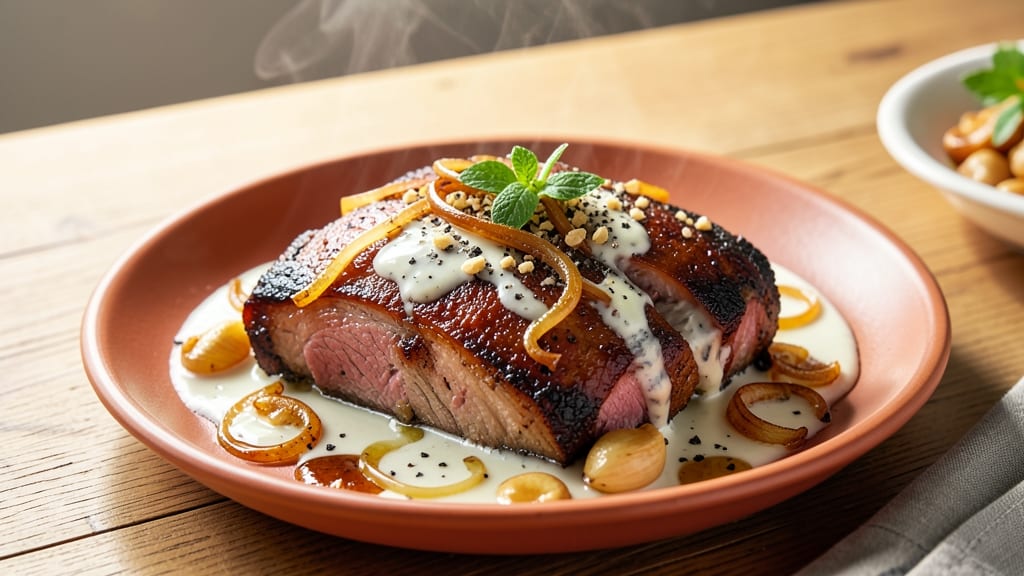
This adobo sa puti pork recipe transforms tough pork shoulder into melt-in-your-mouth tenderness with creamy coconut milk magic. 🌟 I perfected this Filipino classic after years of studying traditional braising techniques—where the slow simmer creates a velvety sauce that clings to every bite.
The key? A perfect balance of vinegar, garlic, and coconut milk that tenderizes the meat while building layers of flavor.
The beauty of this dish lies in its simplicity: just a few ingredients marinated overnight, then slow-cooked until the pork falls apart. Unlike traditional adobo, the coconut milk adds a luxurious creaminess that makes this version truly special.
I've adapted it for modern kitchens while keeping the soul of Filipino home cooking intact—rich, tangy, and deeply satisfying.
What you'll end up with is restaurant-quality pork that's tender enough to shred with a fork, swimming in a glossy sauce that's both sweet and tangy.
The aroma alone will have everyone gathering at your table, and the creamy texture makes it a standout dish for family dinners or special occasions. This is comfort food at its finest—authentic, flavorful, and impossible to resist.
Serve it with steamed jasmine rice to soak up every last drop of that creamy sauce, or pair it with atchara for a tangy contrast. The leftovers? Even better the next day as the flavors meld together. Let's get cooking—this recipe delivers on every promise of Filipino home-style goodness.
Ingredients for adobo sa puti pork
Pork shoulder, coconut milk, and vinegar create this creamy Filipino masterpiece.
| Ingredient | Amount | Notes |
|---|---|---|
| Pork Shoulder 🥩 | 2 ½ lb | Bone-in for flavor, cut into 2-inch chunks |
| Coconut Milk 🥥 | 1 can | Full-fat, 13.5 oz can (not light) |
| White Vinegar 🍶 | ½ cup | Distilled preferred, not apple cider |
| Garlic Cloves 🧄 | 8 cloves | Peeled, smashed for deeper flavor |
| Onion 🧅 | 1 whole | Yellow or red, sliced into half-moons |
| Sugar 🍚 | ¼ cup | White granulated, not brown |
| Bay Leaves 🌿 | 2 whole | Dried, standard size |
| Black Peppercorns 🌶️ | 1 tsp | Crushed lightly, not powdered |
| Salt 🧂 | 1 ½ tsp | Kosher or sea salt |
| Olive Oil 🫒 | 2 tbsp | Extra-virgin for richness |
| Fresh Ginger 🌿 | 1 inch | Peeled, sliced thin (about 1 oz) |
| Green Onions 🧅 | 2 whole | For garnish, chopped |
The pork shoulder is non-negotiable here—bone-in for maximum flavor, but boneless works if you're in a hurry. Filipino markets or Asian grocery stores often have the best cuts, but your local butcher can help too. Look for good marbling—it's what makes the meat tender. I usually grab mine from Costco when I'm doing a big batch, but the regular supermarket stuff works fine for a weeknight dinner. The coconut milk? Full-fat only—light versions won't give you that creamy magic. Thai Kitchen or Aroy-D brands are my go-tos, but any canned full-fat will do.
No white vinegar? Rice vinegar at half the amount works in a pinch, but the flavor will be different. Fresh ginger is ideal, but ground ginger at one-third the amount gets you close. The sugar balances the acidity—don't skip it. If you're worried about the pork being too rich, add 1/4 cup orange juice to brighten it up. The garlic and onions can be pre-minced to save time, but smashing the garlic cloves really makes a difference in flavor. And trust me on the bay leaves—they disappear during cooking, but they add depth that's impossible to replicate with spices alone.
This dish tastes even better the next day, so make extra if you can. The sauce thickens as it cools, so add a splash of water or coconut milk if it gets too thick when reheating. Store in the fridge for 5 days or freeze for 3 months. I like to portion it into containers with rice so I have quick meals ready. The pork will be so tender it practically falls apart—just shred it with two forks. Garnish with those green onions right before serving, or save them for topping your rice.
Why You'll Love This Recipe
- Coconut-Vinegar Magic: The moment those two—creamy coconut milk and tangy white vinegar—meet, it’s like flavor alchemy. My pork shoulder comes out tender but with this just-right bite that makes it unforgettable. (Yes, even on a Tuesday night.)
- One-Pan, No Stress: I swear by this recipe because it’s that simple: brown the pork, toss in chopped garlic and onion, then let the coconut-vinegar sauce do its work. No flipping, no fuss—just 30 minutes of hands-off cooking while you sip something cold.
- Leftovers That Beg for More: Between us, the second day is often the best. The pork stays juicy, the sauce thickens into a glossy, rich glaze, and suddenly you’re reheating it for lunch because you can’t resist. (My kids call it “mom’s magic sauce.”)
- Budget-Friendly Crowd-Pleaser: A pork shoulder feeds four for dinner and leaves enough for leftovers—no waste, no guilt. Plus, coconut milk and vinegar are pantry staples that stretch every ingredient to its fullest. This is the kind of meal that makes grocery day exciting.
Step-by-step instructions for adobo sa puti pork
Here's how to transform simple ingredients into rich, creamy coconut adobo magic.
🔥 Step 1: Sear the Pork for Deep Flavor
Heat a large Dutch oven over medium-high heat and add the 2 tablespoons olive oil. Once shimmering, add the 2.5 lb pork shoulder in 2-inch chunks, working in batches if needed. Let each piece sear for 3-4 minutes per side until golden brown and caramelized.
This step builds incredible flavor through the Maillard reaction. You'll know it's ready when the pork releases easily from the pan and has developed a nice crust. Transfer the seared pork to a plate and set aside—don't worry about cooking it through yet.
🍳 Step 2: Sauté Aromatics Until Fragrant
In the same Dutch oven, add the 8 cloves garlic cloves, 1 whole onion (sliced), and 1 inch fresh ginger (sliced). Cook over medium heat for 5-6 minutes until the garlic turns golden and the onions soften, stirring occasionally.
Here's where the magic starts. The aromatics should smell deeply sweet and fragrant—this is your flavor foundation. If the onions start to brown too quickly, reduce heat slightly. Add the 1 teaspoon crushed black peppercorns and stir for 30 seconds to toast them lightly.
🥘 Step 3: Simmer the Adobo Base
Pour in the ½ cup white vinegar and scrape up all those delicious browned bits from the bottom of the pan. Add the ¼ cup sugar, 1½ teaspoons salt, and 2 whole bay leaves. Bring to a gentle simmer and cook for 5 minutes to meld the flavors.
The vinegar will smell sharp at first, but it mellows as it cooks. This is the perfect time to taste and adjust seasoning—you want a balance of sweet, tangy, and savory. The mixture should coat the back of a spoon with a glossy sheen.
🍳 Step 4: Braise with Coconut Milk
Return the seared pork to the Dutch oven. Pour in the 1 can coconut milk and stir gently to combine. The liquid should just cover the pork—if it's too thin, add a splash of water. Bring to a gentle simmer, then reduce heat to low and cover partially.
Simmer for 3-3½ hours until the pork is fork-tender and easily pulls apart. You'll know it's ready when the meat shreds easily and the sauce has thickened into a creamy consistency. The pork should have absorbed all the rich coconut flavors.
🔪 Step 5: Finish and Garnish
Remove the pork and shred it using two forks. Discard the bay leaves. Return the shredded pork to the sauce and simmer for another 5 minutes to heat through. Garnish with 2 whole green onions (chopped) and serve immediately over steamed rice.
Each bite should deliver perfectly tender pork in a velvety coconut sauce with just the right balance of sweetness and tang. The creamy texture comes from the coconut milk breaking down during the long cook, creating that signature adobo sa puti richness.
Pro Tips For Making Adobo Sa Puti Pork
- Start with Cold Coconut Milk: Dump the hot sauce into cold coconut milk instead of the other way around—this keeps the curds from breaking and gives you that signature creamy texture. I learned this the hard way after my first batch turned into a lumpy mess.
- Brown the Pork First: Sear the pork shoulder in batches until deeply browned before adding vinegar—this builds flavor that just simmering won’t. Skip this, and you’ll end up with something that tastes more like boiled pork than adobo.
- Use Less Vinegar Early: Add only half the vinegar upfront, then let the pork cook uncovered for 10 minutes to mellow the sharpness before adding the rest. My grandmother swore by this, and she was right: it balances the acidity without overpowering the dish.
- Simmer Low and Slow: Once everything’s in the pot, reduce heat to a bare simmer—no boiling—and let it cook for at least 2 hours. Rushing this step makes the meat tough; patience here guarantees tender, fall-apart pork.
Perfect pairings for this recipe
Rice Pairings
Steamed jasmine rice is the classic partner for adobo sa puti—its delicate floral aroma complements the rich coconut sauce beautifully. I like to cook 2 cups jasmine rice with 3 cups water in a rice cooker, then fluff with a fork before serving.
The rice soaks up the creamy sauce perfectly, creating each bite's ideal balance of textures. 🍚
Tangy Contrasts
For a bright contrast, serve with atchara—Filipino pickled papaya slices. The sharp acidity cuts through the richness, cleansing your palate between bites.
I make my own by thinly slicing 1 green papaya, soaking in ½ cup vinegar, 1 tbsp sugar, and 1 tsp salt for 30 minutes. Store in the fridge for up to 2 weeks.
Vegetable Sides
Steamed bok choy or garlic sautéed spinach adds freshness to the plate. For bok choy, blanch 2 heads in boiling water for 2 minutes, then shock in ice water.
The crisp-tender texture contrasts wonderfully with the creamy pork. Toss with 1 tbsp soy sauce and 1 tsp sesame oil before serving.
Drink Pairings
A cold San Miguel beer or Calamansi juice balances the dish perfectly. The beer's crisp bitterness cuts through the coconut richness, while calamansi's tart citrus brightens each bite. For a non-alcoholic option, try hibiscus tea with honey—its floral notes complement the garlic and vinegar beautifully.
Extra Garnishes
Fresh cilantro leaves or toasted coconut flakes add visual appeal and extra flavor. Sprinkle 1 tbsp cilantro over each serving just before eating, or toast ¼ cup coconut flakes in a dry pan for 2 minutes** until golden. Both elevate the dish's presentation and depth of flavor.
Make-Ahead Tips
This dish tastes even better the next day, so prepare components ahead. Cook the rice and store in the fridge, then reheat the pork and sauce separately. Assemble just before serving to keep the rice from getting soggy.
For extra convenience, prep the atchara or steamed veggies a day ahead—they keep well in the fridge.
Nutrition facts
Frequently asked questions
Why does this recipe use coconut milk instead of soy sauce?
This version of adobo sa puti replaces traditional soy sauce with coconut milk to create a creamy, velvety texture that's uniquely rich. The coconut milk adds natural sweetness while balancing the vinegar's acidity, making the sauce both comforting and elegant. It's a Filipino technique that transforms regular adobo into something special—like a cross between traditional adobo and a creamy braise.
Can I use chicken or beef instead of pork?
While pork is traditional, you can adapt this recipe! For chicken, use 2.5 lb bone-in thighs and reduce cooking time to 1.5 hours. For beef, try 2.5 lb chuck roast and simmer for 3.5 hours until fork-tender. The coconut milk works beautifully with all three meats, but pork gives the most authentic Filipino flavor profile.
How do I know when the pork is fully tender?
The pork is done when it shreds easily with two forks and pulls apart cleanly. A good test is to pierce the thickest piece—the juices should run clear, not pink. If it's still slightly firm, cook another 20-30 minutes covered. Never rush this step, as the pork needs time to absorb all those rich coconut flavors.
What if my sauce gets too thin or too thick?
If the sauce is too thin, simmer uncovered for 10-15 minutes to reduce it. For a thicker sauce, mix 1 tablespoon cornstarch with 2 tablespoons water, then stir into the simmering sauce until it reaches your desired consistency. The coconut milk naturally thickens as it cooks, but adjustments are easy if needed.
Can I make this in a slow cooker?
Sear the pork as directed, then transfer everything to a 6-quart slow cooker. Cook on low for 6-7 hours or high for 4-5 hours**, stirring occasionally. The slow cooker's gentle heat creates the same tender results with less attention. Just add the coconut milk at the beginning and let it work its magic.