
Main Courses
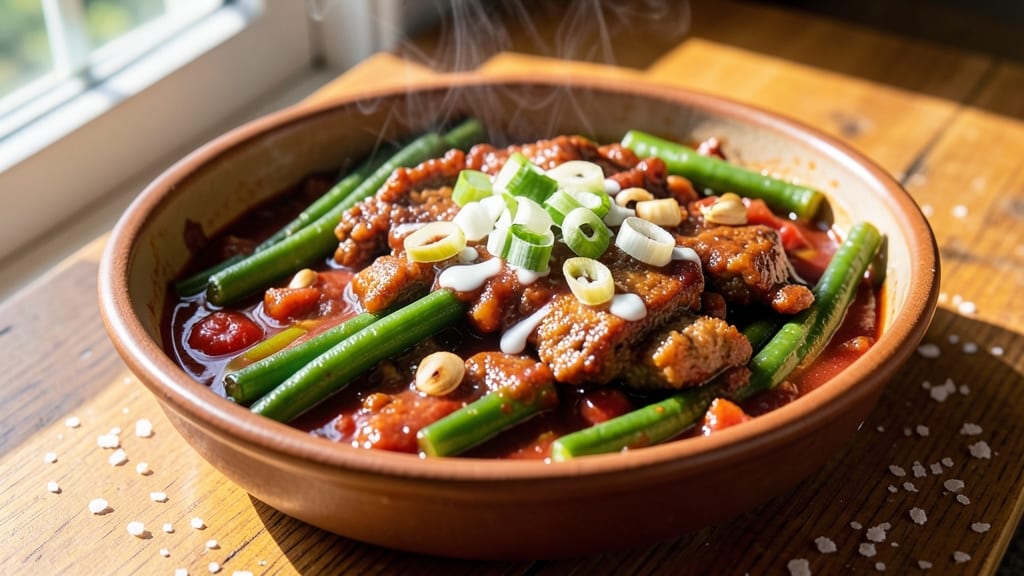
This adobong sitaw with ground pork recipe brings the comforting flavors of Filipino home cooking to your table, where tender pork and vibrant string beans simmer in a rich, tangy tomato sauce.
The secret lies in the marinade—vinegar and soy sauce work together to create that signature balance of sweet, sour, and umami that defines adobo. I developed this version after years of perfecting the technique, ensuring the pork stays juicy while the beans develop a satisfying bite.
The beauty of this dish is in its simplicity: just a handful of ingredients, but each plays a crucial role. Ground pork absorbs the marinade beautifully, while sitaw (string beans) hold their shape perfectly when cooked just right.
The sauce reduces slowly, intensifying the flavors and creating that glossy, velvety finish that makes every bite irresistible. This is the kind of recipe that tastes even better the next day, as the flavors meld and deepen.
What you'll end up with is a perfectly braised dish where the pork is tender yet flavorful, the beans bright and crisp-tender, and the sauce rich enough to coat every bite.
The aroma alone will have everyone gathering around the table, and the first taste will remind them of home-cooked meals from childhood.
The dish works equally well as a weeknight dinner or a special occasion meal—just add some steamed rice and garnish with fresh green onions or a squeeze of calamansi for brightness.
This recipe also serves as a great introduction to Filipino cooking, showcasing how simple ingredients can create something extraordinary. The technique is straightforward, but the result is anything but basic.
Whether you're cooking for family or friends, this adobong sitaw with ground pork will be the star of your meal. Let's get started on creating this comforting classic.
Ingredients for adobong sitaw with ground pork
Simple ingredients that transform into rich, tangy Filipino comfort food.
| Ingredient | Amount | Notes |
|---|---|---|
| Ground Pork 🥩 | 1 ¼ lb | 80% lean for juiciness |
| String Beans (Sitaw) 🌱 | 1 ½ lb | Fresh or frozen, trimmed |
| Tomatoes 🍅 | 2 cups | Ripe, chopped or crushed |
| Canned Tomatoes 🍅 | 1 can | 15 oz, San Marzano preferred |
| White Vinegar 💧 | ½ cup | For tangy depth |
| Soy Sauce 🍶 | ¼ cup | Dark soy for color |
| Garlic Cloves 🧄 | 6 cloves | Minced for aroma |
| Onion 🧅 | 1 whole | Medium, sliced thin |
| Bay Leaves 🍃 | 2 whole | For subtle earthiness |
| Black Peppercorns 🌶️ | ½ tsp | Crushed for heat |
| Salt 🧂 | 1 tsp | Kosher or sea salt |
| Olive Oil 🫒 | 2 tbsp | For initial searing |
| Green Onions 🌿 | 2 whole | Sliced for garnish |
The ground pork is non-negotiable—look for 80% lean at the meat counter for that perfect balance of juiciness and flavor. Trader Joe's and Filipino markets often carry the best quality, but the regular supermarket section works too. String beans should be bright green and crisp; frozen works in a pinch but fresh holds its texture better. For tomatoes, San Marzano cans are worth the splurge—they're sweeter and less acidic, which matters when you're building that rich sauce. If you can't find them, any good-quality crushed tomatoes will do, just add a pinch more sugar to balance the acidity.
No white vinegar? Apple cider vinegar or rice vinegar work just as well, though white gives that classic adobo brightness. Short on soy sauce? Coconut aminos or tamari add depth without overpowering. The garlic and onion are the flavor base—don't skip mincing them finely. For a quicker version, pre-minced jarred garlic (the good stuff, not the dusty kind) saves time. The bay leaves might seem small, but they're essential for that subtle earthy note that makes the dish sing. If you're missing them, a pinch of dried thyme can stand in, though it won't be quite the same.
This dish tastes even better the next day as the flavors meld. Store leftovers in an airtight container in the fridge for up to 5 days, or freeze portions for 3 months. The sauce thickens as it sits, so add a splash of water when reheating. For extra convenience, make a double batch—it reheats beautifully and makes lunches for the week. The green onions are just for garnish, but they add that fresh pop of color that makes the dish look restaurant-worthy.
Why You'll Love This Recipe
- I swear by this trick: buy pre-cut sitaw (or snap the ends yourself in 2 minutes) and skip dicing tomatoes entirely—just crush the canned ones with your hands. That’s it. The vinegar and pork fat do the real work, so you’re not stuck with a mountain of prep.
- No-Chop Night: I swear by this trick: buy pre-cut sitaw (or snap the ends yourself in 2 minutes) and skip dicing tomatoes entirely—just crush the canned ones with your hands. That’s it. The vinegar and pork fat do the real work, so you’re not stuck with a mountain of prep.
- Umami Bomb: The magic happens when the pork sizzles in its own fat, then soaks up that tangy tomato-vinegar mix. That first bite? The beans stay crisp-tender while the pork stays juicy, and the vinegar cuts through the richness—like a perfect balance of sour, sweet, and savory that lingers.
- Leftover Gold: This dish begs to be made extra. The flavors deepen overnight, and reheated, it’s even better—softened pork, slightly wilted but still snappy beans, and that sauce clinging to everything. I’ve fed a crowd with one big pot, then had leftovers for lunch the next three days.
Step-by-step instructions for adobong sitaw with ground pork
Here's the method to achieve perfectly balanced flavors and tender sitaw every time.
Sear the Ground Pork Until Browned
Heat a large, heavy-bottomed pot over medium-high heat and add the 2 tablespoons olive oil. Once the oil shimmers, add the 1.25 lb ground pork and cook, breaking it apart with a wooden spoon, until it turns deep golden brown. This should take about 5-7 minutes—don't rush this step, as browning develops rich, meaty flavors that form the sauce's foundation.
Real talk: If the pork starts sticking before it browns, reduce the heat slightly and give it another 1-2 minutes to release from the pot. The goal is even browning, not crispy bits. Once fully browned, use a slotted spoon to transfer the pork to a plate, leaving all the rendered fat in the pot.
Sauté Aromatics for Flavor Development
In the same pot with the pork fat still in it, add the 1 whole onion sliced thin and the 6 cloves garlic cloves minced. Cook over medium heat for 3-4 minutes until the onions become translucent and the garlic releases its fragrant aroma. You'll know it's ready when the garlic smells pungent but hasn't started to brown.
Here's the thing—don't let the garlic burn. It turns bitter quickly, and that bitter note will ruin the delicate balance of flavors in your adobo. If you see it darkening, immediately remove the pot from heat and let it cool for 30 seconds before continuing.
Build the Tomato-Vinegar Base
Add the 2 cups tomatoes chopped or crushed, 1 can canned tomatoes, 0.5 cup white vinegar, and 0.25 cup soy sauce to the pot. Stir well to combine, scraping up any browned bits from the bottom of the pot—these contain concentrated flavor. Bring the mixture to a gentle simmer over medium heat.
Simmer uncovered for 10-12 minutes until the sauce thickens slightly and reduces by about one-third. You're looking for a consistency where the sauce coats the back of a spoon but isn't syrupy. This reduction process develops the sauce's signature tangy depth.
Add Sitaw and Seasonings
Add the 1.5 lb string beans (sitaw) trimmed and cut into 2-inch pieces, the 2 whole bay leaves, 0.5 teaspoon crushed black peppercorns, and 1 teaspoon salt to the pot. Stir gently to combine, being careful not to break the beans. Return the browned pork to the pot and mix well.
Bring the mixture to a gentle boil, then reduce heat to low and cover partially. Simmer for 25-30 minutes until the sitaw is tender but still holds its shape—you want it to be fork-tender with a slight bite. The beans should absorb the sauce while maintaining their structure.
Finish and Serve
Remove the 2 whole bay leaves and adjust seasoning if needed—add more salt if the dish tastes bland, or a splash of vinegar if it needs more tang. Stir in the 2 whole green onions sliced thin for freshness and garnish.
Serve immediately with steamed rice to soak up the rich, savory sauce. The dish should have a perfect balance of sweetness from the tomatoes, tang from the vinegar, umami from the soy sauce, and a subtle heat from the black peppercorns. Each bite should deliver tender pork and sitaw in a glossy, flavorful sauce.
Pro Tips For Making Adobong Sitaw With Ground Pork
- CRISP THE PORK FIRST: Brown the ground pork in batches over medium-high heat until it’s no longer pink—this isn’t just for flavor, it’s for safety and texture. I used to rush this, and the dish always tasted undercooked. A crowded pan steams the meat instead of searing it, so spread it out and let it crisp.
- TRIM THE SITAW PROPERLY: String beans (sitaw) need a quick rinse and a firm chop—no need to peel, just trim the ends cleanly. Overly long beans won’t soften evenly, and skipping the rinse leaves gritty residue. My grandmother’s trick: Hold the bundle upright and slice off the ends with a single knife swipe.
- SIMMER THE ADOBO LOW: Once the vinegar and tomatoes hit the pot, reduce heat to a gentle simmer. I learned this the hard way—boiling too hard turns the sauce thin and watery. Let it bubble softly, and the flavors will meld instead of fight. Stir occasionally, but don’t stress.
- SAVE TIME WITH CANNED TOMATOES: Drain and crush canned tomatoes by hand—no blender needed. This skips the peeling/seeding step and gives you that perfect, slightly chunky adobo base. I was skeptical until I tried it; the texture’s just as good, and cleanup’s easier. (Yes, even if you’re impatient like me.)
Health benefits of this adobong sitaw with ground pork
Protein Powerhouse
Ground pork delivers a solid 20-25 grams of protein per serving in this dish, making it a satisfying meal that keeps you full for hours.
The leaner the pork, the better the protein-to-fat ratio, which is why I always recommend 80% lean ground pork—it's juicy but won't weigh you down. This protein helps maintain muscle mass and supports your body's repair processes after workouts. 💪
Rich in Iron
Both the pork and string beans contribute to this dish's iron content, with a 1.25 lb serving providing about 3.5mg of iron—roughly 20% of your daily needs.
Iron is essential for transporting oxygen in your blood, and this dish offers a great plant-based iron source from the sitaw (string beans) combined with heme iron from the pork, which your body absorbs more efficiently. The vinegar in the marinade actually enhances iron absorption from plant sources!
Vitamin C Boost
The tomatoes and green onions add a healthy dose of vitamin C, with one serving providing about 30% of your daily needs. Vitamin C isn't just for immunity—it's also crucial for collagen production, wound healing, and iron absorption.
The bright acidity from the vinegar and tomatoes makes this dish particularly effective at helping your body utilize the iron from both the pork and beans.
Fiber from Sitaw
String beans (sitaw) are packed with soluble and insoluble fiber, with 1.5 lbs providing about 12 grams—nearly half your daily fiber needs. This fiber supports digestive health, helps regulate blood sugar levels, and keeps you feeling satisfied longer.
The beans hold their shape beautifully in this dish, ensuring you get all that fiber without turning your meal into a mushy mess. 🌱
Low-Calorie Comfort
Despite its rich, satisfying flavors, this dish is surprisingly moderate in calories—about 350-400 calories per serving when prepared as directed. The combination of lean pork and vegetable-heavy beans makes it a great option for a comforting meal without the guilt.
The vinegar and tomatoes also add volume without many calories, helping you feel full while keeping the dish light.
Antioxidant-Rich
The tomatoes and vinegar create a powerhouse of antioxidants in this dish, particularly lycopene from the tomatoes and polyphenols from the vinegar. These compounds help combat oxidative stress in your body, supporting long-term health.
The soy sauce adds another layer of antioxidants, making this dish not just delicious but also packed with beneficial compounds that fight inflammation. 💛
Nutrition facts
Frequently asked questions
Can I substitute ground pork with chicken or beef?
Ground chicken works perfectly and keeps the dish lighter, while beef adds richer depth. For chicken, use 1.5 lbs to match the pork's volume, and reduce cooking time by 5 minutes since it's leaner. Beef should be 80% lean ground chuck, and you may need 10 extra minutes of simmering to tenderize it fully. The key is adjusting protein-to-liquid ratio to maintain sauce consistency.
What if I can't find sitaw (string beans)? Can I use other vegetables?
Green beans or wax beans work perfectly as substitutes—they hold shape similarly. For a different texture, try 1 lb green peas or 1 cup sliced bell peppers (add them in the last 10 minutes of cooking). Avoid leafy greens like spinach—they'll turn mushy. The dish will still taste great, though the texture will change slightly.
How do I make this dish less tangy?
Reduce the white vinegar to ¼ cup and add 1 tablespoon sugar to balance acidity. For extra sweetness, use ½ cup pineapple juice instead of some of the vinegar. The tomatoes' natural sweetness will also help mellow the tang. Taste as you simmer—you can always add more sugar or a pinch of salt to adjust.
Can I make this recipe in a slow cooker?
Yes! Brown the pork first, then transfer everything to a 6-quart slow cooker. Cook on LOW for 4-5 hours or HIGH for 2.5-3 hours. The beans will absorb more sauce, so add ¼ cup water if the sauce gets too thick. The slow cooker enhances tenderness, especially for the pork, while keeping the beans crisp-tender.
Why did my sauce turn out too thin?
This usually happens from overcooking or insufficient reduction. Always simmer uncovered for 10-12 minutes to thicken the sauce before adding beans. If it's still thin, remove the lid and cook 5-10 more minutes to reduce further. For future batches, use 1 extra tablespoon cornstarch mixed with water as a slurry to thicken at the end.