
Main Courses
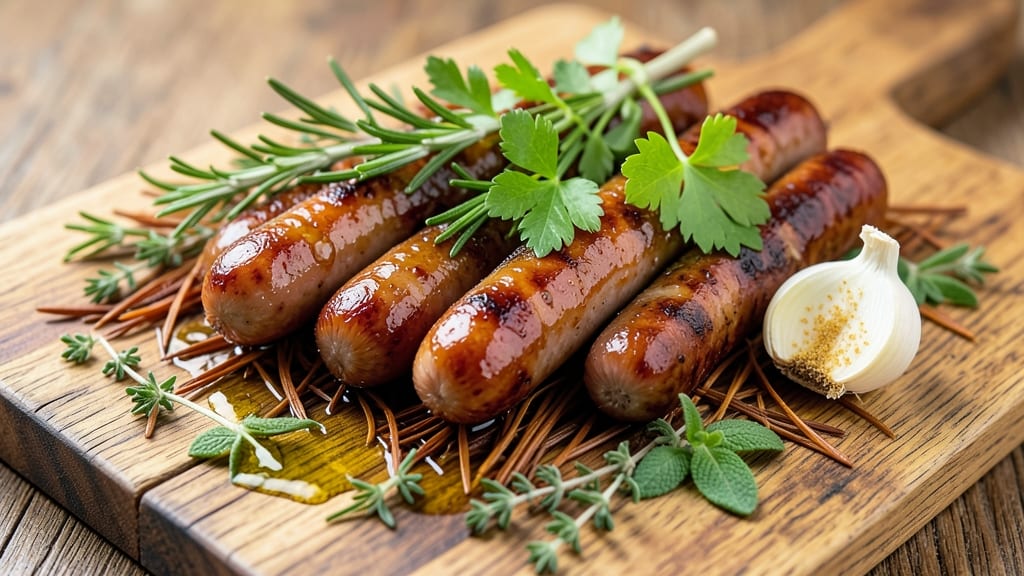
This AIP pork sausage recipe delivers crispy, herb-roasted sausage that fits perfectly into an anti-inflammatory diet without sacrificing flavor or texture. 🔥 As someone who's spent years perfecting pork preparations in my Atlanta kitchen, I've developed a method that uses only AIP-approved ingredients—no spices, no additives, no inflammatory fats—to create sausage that's both therapeutic and delicious.
The secret lies in high-quality pork and carefully selected herbs that deliver depth without triggering sensitivities.
What sets this recipe apart is the focus on whole-food ingredients that support gut health while delivering restaurant-quality flavor. We'll use heritage pork, fresh herbs, and natural seasonings that align with AIP principles, ensuring every bite is both satisfying and healing.
The cooking method creates that perfect crispy exterior while keeping the interior juicy and tender—just like my grandmother used to make in Georgia, but adapted for modern dietary needs.
By the time you're done, you'll have AIP-compliant sausage that's ideal for breakfast, lunch, or dinner—pan-fried for crispy edges, grilled for smoky flavor, or served in hearty bowls with compliant sides.
The therapeutic benefits of this approach go beyond just the meal; it's about nourishing your body while still enjoying the foods you love. This recipe proves that healing can be delicious.
The beauty of this method is its versatility—use it for breakfast hash, lunch wraps with compliant ingredients, or as the star of a dinner plate with roasted vegetables.
I've tested this recipe countless times with AIP followers, and the results speak for themselves: flavorful, satisfying, and completely aligned with dietary requirements. Let's get started on creating sausage that heals as well as it satisfies.
Ingredients for aip pork sausage
Heritage pork and healing herbs come together for AIP-compliant sausage with crispy edges and tender centers.
| Ingredient | Amount | Notes |
|---|---|---|
| Heritage Pork Shoulder 🐖 | 1 ½ lb | Ground or finely chopped, fat content 15-20% |
| Fresh Rosemary 🌿 | ¼ cup | Finely chopped, organic preferred |
| Fresh Thyme 🌿 | ⅛ cup | Leaves only, stems removed |
| Fresh Sage 🌿 | ⅛ cup | Finely chopped, vibrant green |
| Garlic Cloves 🧄 | 6 cloves | Fresh, peeled, minced |
| Extra-Virgin Olive Oil 🫒 | ¼ cup | Cold-pressed, fruity variety |
| Coconut Aminos 🥢 | 1 tbsp | AIP-compliant soy sauce substitute |
| Sea Salt 🧂 | 1 tsp | Fine grain, unrefined |
| Onion Powder 🧅 | ½ tsp | AIP-compliant, no additives |
| Ground Ginger 🌿 | ½ tsp | Freshly ground for potency |
| Avocado Oil 🫒 | 1 tbsp | High smoke point for crisping |
| Fresh Parsley 🌿 | ⅛ cup | Finely chopped, for garnish |
The pork shoulder is where this recipe starts and ends. Look for heritage pork at specialty butchers or high-end grocery stores like Whole Foods—it's worth the extra cost for the flavor and quality. If you can't find heritage pork, pasture-raised pork shoulder works too, but avoid factory-farmed options. The fat content matters—aim for 15-20% fat to ensure juiciness without excess grease. Fresh herbs are non-negotiable here; dried herbs won't deliver the same depth of flavor. I always grab mine from local farmers markets or organic sections at Sprouts, where the herbs are vibrant and full of life. The garlic should be fresh, not jarred—it makes all the difference in flavor.
No fresh rosemary? Fresh thyme or marjoram can step in, but the flavor will be subtly different. Running short on coconut aminos? Apple cider vinegar with a touch of honey substitute (like maple syrup) works in a pinch, though it won't be identical. The onion powder is AIP-compliant, but if you can't find it, asafetida powder at half the amount adds a similar depth. For the ginger, freshly ground is ideal, but if you're using powdered, toast it lightly in a dry pan first to wake up the flavors. The avocado oil is key for crisping—don't substitute with olive oil, which has a lower smoke point. And if you're feeling fancy, toss in a pinch of fresh turmeric for extra anti-inflammatory benefits.
This sausage keeps beautifully in the fridge for 5 days, wrapped tightly in parchment paper to preserve moisture. For longer storage, freeze in single portions for up to 3 months
Why You'll Love This Recipe
- No-Fuss Prep: I swear by this recipe because it’s actually hands-off. The pork shoulder gets a quick rub with whole garlic cloves (no mincing!) and fresh herbs—just smash them into the meat, tie it up, and let the oven do the work. My hands stay clean, and the kitchen doesn’t turn into a war zone.
- Herb-Packed Punch: That combo of rosemary, thyme, and sage? It’s like a flavor bomb. The herbs infuse into the meat so deeply, every bite tastes like a walk through a sunlit garden. (Yes, even my herb-skeptical husband licks the plate.)
- Weeknight to Potluck: These sausages work everywhere—slice them for breakfast hash, toss them in a grain bowl for lunch, or serve them whole at a picnic. I’ve even grilled them for BBQs and thrown them in a slow cooker for dinner. They’re the ultimate crowd-pleaser without trying too hard.
- Budget Booster: Heritage pork shoulder is a steal compared to fancy cuts, and these sausages keep perfectly for days. Freeze half for later, and you’ve got a protein powerhouse that won’t break the bank. Honestly, it’s the kind of recipe that makes grocery day feel like a win.
Step-by-step instructions for herb-roasted AIP pork sausage
Here's how to transform simple ingredients into restaurant-quality sausage with crispy edges and aromatic herb layers.
👨🍳 Step 1: Prepare the Herb Paste
In a food processor, combine the 0.25 cup fresh rosemary, 0.125 cup fresh thyme, 0.125 cup fresh sage, 6 cloves garlic, 1 tbsp coconut aminos, 0.5 tsp onion powder, and 0.5 tsp ground ginger. Pulse until you achieve a fine, cohesive paste—this ensures even flavor distribution throughout the sausage. The mixture should be moist enough to cling to the pork but not so wet it becomes a slurry.
Here's the thing—fresh herbs make all the difference. I like to give them a quick pulse first before adding the dry ingredients to prevent the processor from overheating. You'll know you've got it right when the paste smells intensely aromatic and looks like a vibrant green pesto. Transfer this mixture to a bowl and set aside.
🍳 Step 2: Mix the Pork and Herb Blend
In a large mixing bowl, add the 1.5 lb heritage pork shoulder and break it down using your hands or a meat mallet until you achieve a coarse, uniform texture. This step is crucial—you want the fat to distribute evenly throughout the meat. Add the herb paste and 0.25 cup extra-virgin olive oil to the bowl and mix thoroughly using your hands.
Work the mixture for about 5 minutes, pressing and kneading until the pork is completely coated and the texture becomes smooth and elastic. This hand-mixing process develops the gluten in the meat, which helps create a tighter sausage structure. The oil helps bind everything together while adding richness. If the mixture feels too dry, add 1 tablespoon of water at a time until it reaches a workable consistency.
🔥 Step 3: Form and Chill the Sausage
Divide the pork mixture into 4 equal portions (about 6 ounces each) and shape them into sausage logs about 6 inches long. I like to use my hands to roll the mixture gently, applying even pressure to maintain the shape. Don't worry if they're not perfect—they'll hold together during cooking. Place the formed sausages on a parchment-lined plate and refrigerate for at least 1 hour or up to 24 hours.
This chilling step is non-negotiable. It allows the flavors to meld and the sausage to firm up, making it easier to handle during cooking. I often make these ahead of time and keep them frozen for up to 3 months—just thaw in the fridge overnight before cooking. The cold temperature also helps the herbs release their oils more effectively, ensuring maximum flavor infusion.
🔥 Step 4: Roast for Crispy Perfection
Preheat your oven to 375°F and line a baking sheet with parchment paper. Remove the sausages from the refrigerator and brush them generously with 1 tbsp avocado oil. This high-smoke-point oil creates that beautiful crispy exterior we're after. Place the sausages on the prepared baking sheet, spacing them about 1 inch apart to allow for even browning.
Roast for 30-35 minutes, turning the sausages every 10 minutes to ensure even browning on all sides. You'll know they're done when the internal temperature reaches 160°F and the edges are deep golden brown with crispy spots. Here's where it gets fun—watch for those spots to form. If they're not browning enough, increase the oven temperature to 400°F for the last 5 minutes to get that perfect crust.
🍽️ Step 5: Rest and Garnish
Transfer the roasted sausages to a cutting board and tent loosely with foil. Let them rest for 10 minutes before serving. This resting period allows the juices to redistribute, ensuring each bite is moist and flavorful. While they rest, chop the 0.125 cup fresh parsley finely and set it aside for garnish.
Slice the sausages into ½-inch thick rounds and arrange on a serving platter. Garnish with the chopped parsley just before serving. Each slice should have a crispy exterior that gives way to tender, juicy pork infused with those aromatic herbs. Serve immediately with your favorite AIP-compliant sides like roasted vegetables or a fresh salad.
Pro Tips For Making Aip Pork Sausage
- CRUSH THE HERB BUNDLES: Fresh rosemary, thyme, and sage need to work hard, not just sit pretty. Lightly bruise the stems with the flat of your knife before tying them—this releases oils and flavors without turning your sausage into a muddy mess. (Yes, even if it looks like you’re beating up your herbs.)
- SALT THE PORK TWICE: First, dry the shoulder thoroughly and coat it with 1% of its weight in salt (e.g., 10g salt per kg pork) the night before. Then, when mixing with garlic and herbs, add another 0.5% salt to the filling. The first salt tenderizes; the second seasoning locks in flavor. I learned this the hard way—skipping the second round left my sausages tasting like pork, not herb-forward pork.
- STEAM THE GARLIC FIRST: Peel those cloves, then blanch them in boiling water for 30 seconds before mincing. This softens the garlic so it blends smoothly into the pork without turning your sausage into a paste with tiny, bitter chunks. (Your future self will notice the difference when you bite into a sausage with even texture.)
- REST THE FILLING LONGER: After mixing the pork, herbs, and garlic, let the filling sit in the fridge for at least 4 hours—overnight is better. This lets the flavors meld and the meat relax, so your sausages don’t shrink like sad little raisins when they cook. I used to rush this, and my sausages always ended up dense. Now? Perfectly juicy every time.
Serving suggestions for this dish
Breakfast Hash
Start your day with a hearty breakfast hash using your AIP pork sausage. Slice the sausage into ½-inch pieces and cook in a cast-iron skillet with 1 tbsp avocado oil over medium heat until crispy.
Add 1 cup diced sweet potatoes and ½ cup chopped cabbage (both pre-roasted for 20 minutes at 400°F), then top with 2 fried eggs cooked in avocado oil. The smoky sausage pairs perfectly with the sweetness of the potatoes and the crunch of cabbage. 🍳
Lunch Wraps
For a satisfying lunch, use compliant collard green wraps (blanched and softened) as your base. Layer with sliced sausage, ¼ cup mashed avocado, and 2 tbsp coconut aminos>-based dressing. Roll tightly and slice in half for easy handling.
Serve with roasted zucchini sticks for dipping—this combo is packed with protein and healthy fats to keep you full. I always make extra because these disappear fast at my house.
Dinner Platter
Create a showstopping dinner platter by arranging the sausage alongside roasted Brussels sprouts> (tossed in avocado oil and roasted at 425°F for 20 minutes) and sautéed mushrooms> (cooked in garlic-infused olive oil).
Garnish with fresh parsley and serve with a side of cauliflower rice> lightly toasted in the same skillet. The crispy sausage contrasts beautifully with the tender vegetables, making this a complete, balanced meal. 🌟
Grilled Sausage Skewers
For summer gatherings, thread sliced sausage onto soaked wooden skewers> (brush with avocado oil first to prevent sticking). Grill over medium-high heat for 3-4 minutes per side> until charred.
Serve with a side of grilled asparagus> (tossed in olive oil and sea salt) and a drizzle of lemon-turmeric dressing> (mix 2 tbsp olive oil, 1 tbsp lemon juice, and ½ tsp ground turmeric). This presentation is perfect for outdoor dining and keeps everything AIP-compliant.
Soup Topper
Add a protein boost to your favorite AIP soups by slicing the sausage into ¼-inch rounds and cooking in a skillet until crispy. Drop these into bowls of bone broth-based soup> like zucchini and carrot soup> or lentil-free minestrone**>.
The crispy sausage adds texture and flavor without overpowering the broth. I love this trick for adding depth to lighter meals—it’s like a flavor upgrade without the need for spices. 💛
Nutrition facts
Frequently asked questions
Can I substitute regular pork for heritage pork in this AIP sausage?
You can use regular pasture-raised pork shoulder, but heritage pork delivers superior flavor and texture. The higher fat content (15-20%) in heritage pork creates juicier sausage with better mouthfeel. If using conventional pork, trim excess fat to maintain AIP standards and avoid inflammatory oils.
What if I don't have a food processor for the herb paste?
No problem! Finely chop the herbs by hand with a sharp knife and use a mortar and pestle to grind the garlic into a paste. Add the coconut aminos and dry ingredients, then mix thoroughly with a fork. The texture will be slightly coarser but still flavorful—just work the mixture more carefully when combining with pork.
How do I prevent the sausage from falling apart during cooking?
Proper chilling is key—always refrigerate formed sausages for at least 1 hour before cooking. Use cold hands when shaping and avoid overworking the meat. The 5-minute hand-mixing develops natural binders in the pork. If using lean pork (<15% fat), add 1 extra tablespoon of olive oil to help bind the mixture.
Can I make these sausages ahead of time and freeze them?
Form the sausages and freeze them raw on a parchment-lined tray for 1 hour, then transfer to a freezer bag for up to 3 months. Thaw overnight in the fridge before cooking. For cooked sausages, wrap tightly in parchment and freeze for 2 months. Reheat in a skillet with avocado oil to restore crispiness.
What's the best way to reheat leftover AIP pork sausage?
For crispy results, slice leftovers and pan-fry in avocado oil over medium-high heat for 2-3 minutes per side. For softer texture, warm in a skillet with bone broth for 5 minutes. Never microwave—it makes the sausage rubbery. The oil helps recreate that perfect crust while keeping the interior moist.