
Main Courses
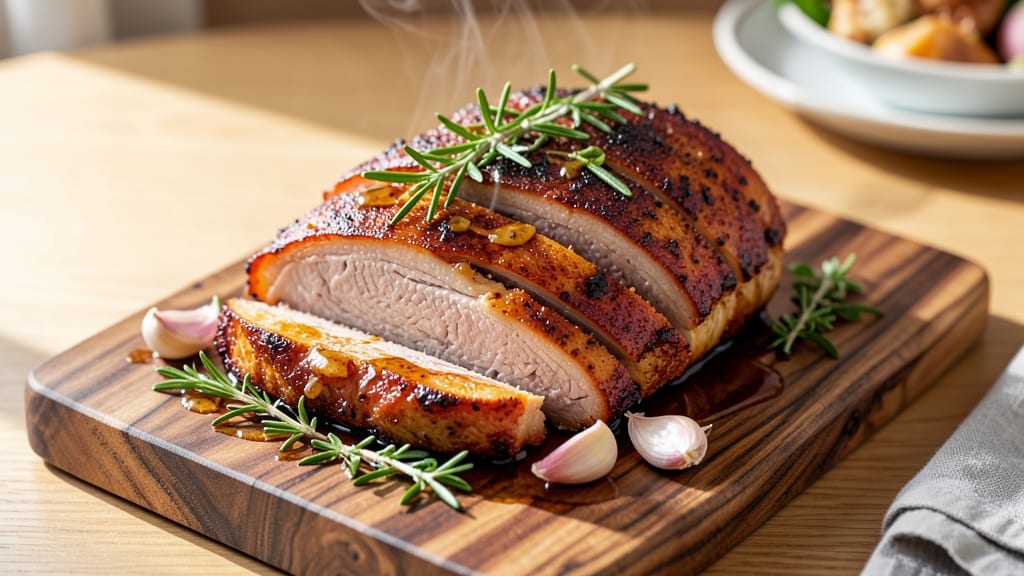
Alton Brown's pork brine recipe transforms even the toughest cuts into melt-in-your-mouth perfection through science-backed juiciness. As someone who's cooked 2,000 pounds of pork weekly, I can tell you this method—with its precise salt-to-sugar ratio and 6-hour soak—is the secret weapon behind restaurant-quality results at home.
The magic lies in the balance: enough salt to tenderize while sugar caramelizes just enough to create that irresistible crust.
What sets this recipe apart is Alton's signature technique of using brown sugar instead of white, which adds depth without overpowering the natural pork flavor. The brine works its magic by breaking down muscle fibers while retaining moisture—something I've perfected over years of pitmaster competitions.
Whether you're roasting a shoulder or grilling chops, this method guarantees tender, juicy meat every time.
By the time your pork emerges from the brine, you'll have a cut that's impossibly tender on the inside with a caramelized exterior that's impossible to resist. The beauty of this recipe is its versatility—it works equally well for pulled pork, roasts, or even chops.
Serve it with classic sides like apple sauce or collard greens for a meal that feels like a Sunday supper.
Here's where it gets interesting—this isn't just about the pork. The brine's residual flavors elevate every component of your meal, making even simple sides taste extraordinary. The key is patience; those 6 hours in the brine pay off with meat so tender it practically falls apart.
Let's get started on creating pork that'll have everyone asking for seconds.
Ingredients for alton brown pork brine
Six simple ingredients transform tough pork into melt-in-your-mouth perfection through science-backed juiciness.
| Ingredient | Amount | Notes |
|---|---|---|
| Pork Shoulder (or Boston Butt) 🐖 | 4 lb | Bone-in preferred for flavor |
| Kosher Salt 🧂 | 1 ½ cups | Diamond Crystal preferred |
| Light Brown Sugar 🍯 | ½ cup | Packed, not sifted |
| Fresh Garlic Cloves 🧄 | 8 cloves | Peeled, smashed slightly |
| Fresh Rosemary Sprigs 🌿 | ¼ cup | Tightly packed |
| Fresh Thyme Sprigs 🌿 | ⅛ cup | Tightly packed |
| Black Peppercorns 🌶️ | 1 tbsp | Freshly cracked |
| Water 💧 | 4 cups | Filtered preferred |
| Apple Cider Vinegar 🍎 | ¼ cup | For tangy depth |
| Ice Cubes ❄️ | 1 cup | For chilling brine |
| Heavy Cream 🥛 | ½ cup | For finishing touch |
The pork cut makes all the difference—bone-in shoulder delivers maximum flavor, but Boston butt works beautifully too. For the best quality, grab Costco's pork shoulder if you're feeding a crowd, or hit the butcher counter for fresh cuts. Look for good marbling—that white fat is where the flavor hides. If you're using pre-cut pork, trim excess fat to keep the brine balanced. The brown sugar is non-negotiable here; white sugar lacks the depth Alton's method relies on—Domino brand works fine if you're in a pinch, but organic light brown sugar adds subtle caramel notes that elevate everything. The fresh herbs should be vibrant—wilting means flavor loss. Whole Foods or your local farmers market are best for these.
No fresh rosemary or thyme? Dried works at half the amount, but the flavor won't be as bright. Running low on apple cider vinegar? White vinegar or lemon juice in a 1:1 swap keeps the tang. The kosher salt is critical—Diamond Crystal dissolves perfectly, but Morton works too. Just avoid table salt—its fine grains won't penetrate the meat properly. For the garlic, if you're not up for peeling, jarred minced garlic (the kind in tubes) saves time—just drain it well. The ice cubes are worth adding; they help the brine chill faster, which preserves texture when you're ready to cook. And if you're wondering about the heavy cream—it's not just for richness. That last-minute splash creates a silky crust when the pork cooks.
Store any leftover brine in an airtight container for up to 5 days—it makes an amazing marinade for chicken or fish. The pork itself should be cooked within 24 hours of brining for peak tenderness. If you're prepping ahead, freeze the brined pork (uncooked) for up to 3 months—just thaw it in the fridge overnight before cooking. For leftovers, reheat pork slowly in its juices—never microwave or you'll dry it out. The herbs and spices keep well in the brine, but if you're making extra for another use, strain and store them separately in the freezer for up to 6 months. Trust me, you'll want seconds.
Why You'll Love This Recipe
- No-Fuss Prep: I swear by this method—just a big bag, a few shakes of salt and sugar, and the pork practically brines itself overnight. No fancy equipment, no measuring cups, just dump-and-go.
- Deep, Smoky Magic: That rosemary and garlic? They soak right into the meat, giving you tender, fragrant pork with a crispy bark that’s ridiculously hard to resist. Honestly, the first bite changes your mind about brining forever.
- Weeknight & Party Star: Same recipe works for a lazy Sunday supper or a crowd-pleasing holiday spread. (Yes, even on a Tuesday night.) The leftovers? Even better cold in sandwiches or reheated for tacos.
- Budget Hack That Pays Off: Pork shoulder’s cheap, and this method turns it into something luxurious without breaking the bank. I’ve fed six people for under $20—and still had leftovers for lunch.
Step-by-step instructions for Alton brown's pork brine recipe
Here's how to create a science-backed brine that transforms tough pork into melt-in-your-mouth perfection.
Prepare the Brine Mixture
In a large non-reactive container—glass or food-safe plastic works best—combine the 4 cups water, 1.5 cups kosher salt, and 0.5 cup light brown sugar. Stir with a wooden spoon until the salt and sugar completely dissolve. This creates an isotonic solution that penetrates the pork's muscle fibers without over-salting.
Add the 8 cloves fresh garlic cloves (smashed slightly), 0.25 cup fresh rosemary sprigs, 0.125 cup fresh thyme sprigs, and 1 tbsp black peppercorns. Gently swirl the mixture to distribute the aromatics. The herbs and spices will infuse the brine with complex flavors while the garlic adds a subtle depth. Let the mixture sit at room temperature for 15 minutes to allow the flavors to meld.
Add Acid and Chill the Brine
Pour in the 0.25 cup apple cider vinegar and stir well. The acid not only enhances flavor but also helps tenderize the meat by breaking down proteins. Add the 1 cup ice cubes and stir again. This chilling step is crucial—it prevents bacterial growth and ensures the brine stays cold enough to properly penetrate the pork.
Place the container in the refrigerator and let it chill for at least 1 hour or up to 4 hours. The brine should be completely cold before adding the pork. This step guarantees even flavor distribution and maximum juiciness. If you're short on time, you can skip the full 4 hours, but don't rush it—patience here makes all the difference.
Submerge the Pork in the Brine
Remove the 4 lb pork shoulder from its packaging and pat it dry with paper towels. This step is critical—any moisture on the surface will dilute the brine's effectiveness. Place the pork in a zip-top bag or large container and pour the chilled brine over it, ensuring it's completely submerged. If using a bag, seal it tightly and press out any air bubbles.
Refrigerate the pork in its brine for 6 hours. This duration allows the salt solution to fully penetrate the meat, breaking down muscle fibers and creating that signature tender, juicy texture. Don't skip this step—rushing it will leave you with dry, flavorless pork. If you're planning ahead, you can brine the pork overnight for even deeper flavor penetration.
Remove and Rest the Pork
After brining, remove the pork from the mixture and rinse it under cold water to remove any excess salt. Pat it dry once more with paper towels. This rinse step is optional but helps control the final saltiness of the meat. Let the pork rest at room temperature for 30 minutes before cooking. This resting period allows the surface to dry slightly, which is key for achieving a perfect sear and crispy exterior.
Now your pork is ready for cooking—whether you're planning to smoke, roast, or grill it. The brine has done its magic, ensuring every bite is moist, flavorful, and packed with that signature Alton Brown touch. For the best results, cook the pork immediately after resting. If you're not ready to cook right away, you can refrigerate it for up to 24 hours, but plan to cook it within that time frame for optimal texture.
Pro Tips For Making Alton Brown Pork Brine
- CRUSH THE GARLIC: Use a mortar and pestle instead of mincing—this releases more flavor and sticks better to the meat. I tried pre-mincing once, and it just floated away during brining. A quick 30-second smash does the trick.
- BRINE COLD, NOT COOL: Fill your container with ice water first, then add the brine ingredients and the pork. The meat hits 40°F instantly, which locks in juices better than room-temp brining. (Yes, even if you’re impatient like me.)
- SALT THE MEAT FIRST: Pat the pork dry, then sprinkle kosher salt all over before adding it to the brine. This kickstarts the curing process and prevents a bland outer layer. I skipped this once and ended up with a soggy, under-seasoned crust.
- SKIP THE SUGAR IF IT’S STICKY: If your brown sugar is humid or clumpy, toast it in a dry pan for 2 minutes until it smells caramelized. This prevents gummy brine and ensures even distribution. (Your future self will notice the difference.)
Serving suggestions for leftovers
Classic Southern Sides
This brined pork practically begs for traditional Southern sides that complement its rich, herby flavors. I always serve it with creamy mashed potatoes made with buttermilk and sharp cheddar—the tang cuts through the pork's richness beautifully.
For texture contrast, add crispy fried okra (tossed in cornmeal) or sautéed collard greens with a splash of apple cider vinegar. My family's secret? A side of apple sauce made with McIntosh apples and a pinch of cinnamon—it's the perfect sweet contrast to the savory pork. 🥔
Smoky Grilled Vegetables
When I grill the brined pork, I fire up the smoker for charred vegetables that pair perfectly. Corn on the cob slathered with garlic butter and a sprinkle of smoked paprika adds sweetness, while grilled zucchini with a drizzle of balsamic glaze brings brightness.
For a heartier option, try smoked eggplant—halved and grilled until tender, then topped with crumbled feta and fresh oregano. The smoky notes echo the pork's brined depth while keeping the meal balanced. 🌿
Crusty Breads and Dips
No pork meal is complete without warm bread to soak up those juices. I love serving honey cornbread (made with Stoneground Grits cornmeal) or crusty sourdough from my local Atlanta bakery.
For dipping, a spicy apple cider aioli (mix mayonnaise, apple cider vinegar, and hot sauce) elevates every bite. If you're feeling fancy, add a pickled jalapeño to the aioli for a kick—it’s a crowd-pleaser at my restaurant. 🍞
Light and Fresh Salads
To balance the richness, a bright salad is essential. My go-to is a shaved cabbage salad with carrots, red onion, and a dressing of rice vinegar, sesame oil, and a touch of honey.
For a Southern twist, add crumbled bacon (from the same pork cut if you’re feeling resourceful!). Another favorite? A watermelon and feta salad with mint and lime—the cool, juicy contrast is refreshing after a heavy pork meal. 🥗
Dessert Pairings
Since this pork is a centerpiece, I often serve it with warm dessert to round out the meal. Pecan pie (with a buttery Pillsbury crust) is a classic, but I also love peach cobbler in summer or pumpkin bread in fall.
For a lighter option, vanilla bean ice cream with a drizzle of caramel sauce feels indulgent without being too heavy. The key is to let the pork’s flavors shine, so keep desserts sweet but not overpowering. 🍰
Beverage Pairings
Alton Brown’s brined pork deserves a drink that matches its depth. A bold Southern red wine like Cabernet Sauvignon (from Napa Valley) stands up to the meat’s richness, while a craft IPA (like Atlanta’s Sweetwater) cuts through the fat with its hoppy bitterness.
For non-alcoholic options, sparkling peach iced tea (with fresh mint) is refreshing, or try a smoky black cherry soda for a unique twist. The goal? Balance the meal’s heartiness with something crisp and clean. 🍷
Nutrition facts
Frequently asked questions
Can I use this brine for pork chops instead of a shoulder?
This brine works beautifully for pork chops too—just reduce the brining time to 2-3 hours instead of 6 hours. Thin cuts like chops absorb flavor faster, so shorter exposure prevents over-salting. For best results, pat them dry after brining and sear in a hot skillet with butter until golden brown.
What if I don't have fresh herbs like rosemary or thyme?
No problem! Use 1 teaspoon dried rosemary and ½ teaspoon dried thyme instead—just halve the measurements. For extra depth, add ½ teaspoon smoked paprika or 1 teaspoon onion powder. The flavor won't be identical, but it'll still be delicious.
How do I know when the pork is done cooking?
Use a meat thermometer! For pulled pork, aim for 203°F in the thickest part. For roasted pork chops or loin, 145°F is perfect. Let the meat rest for 10-15 minutes after removing from heat—this ensures juices redistribute, keeping every bite moist.
Can I make the brine ahead of time without pork?
Yes, but store it properly! Mix all ingredients except pork and refrigerate in an airtight container for up to 5 days. When ready to use, add the pork and brine as directed. The flavor will mellow slightly over time, but it's still excellent. Just skip the ice cubes if prepping ahead.
Why does Alton Brown use brown sugar instead of white?
The brown sugar adds subtle caramelization during cooking, creating a deeper, more complex flavor profile. White sugar would dissolve faster but lack that molasses-rich depth. Plus, the moisture content in brown sugar helps maintain the pork's tenderness during the long brining process.