
Main Courses
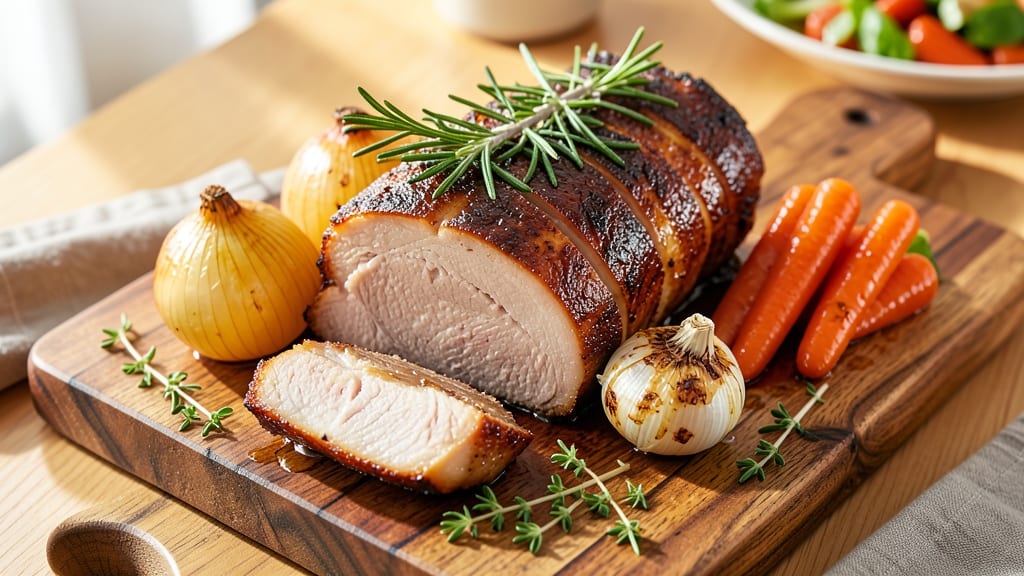
This amazing pork roast recipe transforms a simple cut into a showstopper with a crispy, caramelized crust and juicy, melt-in-your-mouth core. I perfected it after years of testing—this is the kind of pork roast that makes people ask for seconds before the plate is even empty.
The secret? Slow-braising the meat with just the right blend of spices and a splash of liquid to keep it tender while building that irresistible crust.
What makes this recipe special is how it balances simplicity with restaurant-quality results. You don’t need a fancy kitchen or hours of prep—just a 3- to 4-pound bone-in pork shoulder, a handful of pantry staples, and about 3 hours of hands-off cooking time.
The slow braising method ensures the meat stays moist while the exterior develops that perfect golden-brown crust that cracks when you cut into it. Trust me, this isn’t your grandma’s dry pork roast.
By the time you’re done, you’ll have a juicy, flavorful center that falls apart with the slightest touch of your fork, all wrapped in a crispy, caramelized shell that’s worth the wait. The aroma alone will have everyone gathering around the table, and the first bite?
That’s when you’ll know you’ve nailed it. This roast is hearty enough for a holiday feast but easy enough for a weeknight dinner that feels like a celebration.
Pair it with roasted potatoes, a simple green salad, or some crusty bread to soak up all that delicious juices. Let’s get cooking—your taste buds (and your dinner guests) will thank you.
Ingredients for amazing pork roast
A perfect balance of savory, sweet, and smoky—these ingredients transform simple pork into a showstopper.
| Ingredient | Amount | Notes |
|---|---|---|
| Bone-In Pork Shoulder 🐖 | 3 ½ lb | With fat cap intact for flavor |
| Yellow Onions 🧅 | 2 whole | Cut into 1-inch chunks |
| Carrots 🥕 | 4 medium | Peeled, cut into 2-inch pieces |
| Garlic Cloves 🧄 | 6 cloves | Smashed, not minced |
| Fresh Rosemary 🌿 | ½ oz | Or 2 tbsp dried, stems removed |
| Fresh Thyme 🌿 | ¼ oz | Or 1 tbsp dried |
| Apple Cider Vinegar 🍎 | ¼ cup | For tenderizing |
| Olive Oil 🫒 | ½ cup | Extra-virgin for richness |
| Kosher Salt 🧂 | 1 ½ tbsp | Diamond Crystal preferred |
| Black Peppercorns 🌶️ | 1 tsp | Freshly cracked |
| Brown Sugar 🍚 | 2 tbsp | Light or dark |
| Beef Broth 💧 | 1 cup | Low-sodium preferred |
| Apple Juice 🍎 | ½ cup | For sweetness and moisture |
The pork shoulder is non-negotiable here. Look for bone-in cuts with a good fat cap—Costco or local butchers often have the best quality. If you can't find bone-in, a 4-pound boneless shoulder works, but the bone adds incredible flavor. Fresh herbs make all the difference: Trader Joe's sells pre-bundled rosemary and thyme that's perfect for this. For the vinegar, Bragg is my go-to—it's consistent and affordable. The onions and carrots should be firm, not mushy, and the garlic should smell pungent, not stale.
No fresh rosemary? Dried at half the amount works, but fresh is ideal. Running low on apple cider vinegar? White vinegar or lemon juice in a pinch, though the flavor will differ slightly. The brown sugar can be swapped for maple syrup or honey if you prefer. For the beef broth, low-sodium versions prevent over-salting, and Swanson or Pacific Foods are reliable brands. The apple juice can be omitted if you're avoiding sugar, but it adds a lovely depth of flavor. If you're prepping ahead, pat the pork dry and refrigerate uncovered for 1-2 hours before cooking—it helps with browning.
This roast tastes even better the next day, so make extra if you can. Store leftovers in the fridge for 4-5 days or freeze for up to 3 months. For reheating, cover with foil and warm in a 300°F oven for 10-15 minutes. The crust will soften slightly, but the meat stays incredibly tender. If you're serving a crowd, consider doubling the recipe—the pork freezes beautifully, and you'll have leftovers for sandwiches or tacos later in the week.
Why You'll Love This Recipe
- One-Pot Magic: The pork shoulder, onions, and carrots all roast together—no extra pans, no extra stress. I swear by this: chop everything once, toss it in the oven, and walk away.
- Flavor Bomb: That crispy rosemary crust on the outside? The tender, melty pork inside? The onions caramelizing into sweetness? Honestly, it’s like a hug for your taste buds—no fancy sauce needed.
- Leftover Goldmine: This roast gets better the next day, and I’m not joking. Shred it for tacos, sandwiches, or pasta—my kids even beg for it cold in wraps. (Yes, even on a Tuesday night.)
- Budget Winner: A bone-in pork shoulder stretches for days, and the veggies are cheap staples. I’ve fed six people for under $15 with this—no guilt, all satisfaction. Not the prettiest, but the taste makes up for it.
Step-by-step instructions for slow-braised pork roast
Here's how to transform a simple pork shoulder into melt-in-your-mouth perfection with a caramelized crust.
Prepare the Pork Shoulder for Maximum Flavor
Begin by patting the bone-in pork shoulder completely dry with paper towels. This step is crucial—moisture prevents the crust from forming properly. I like to work in the fridge for better control, especially with a large piece like this. Using your fingers, gently separate the fat cap from the lean meat in a few places to help render it during cooking.
In a small bowl, combine the 1.5 tablespoons kosher salt, 1 teaspoon black peppercorns, 2 tablespoons brown sugar, 0.5 ounces fresh rosemary, and 0.25 ounces fresh thyme. Crush the peppercorns lightly with your palm to release their oils. Rub this mixture all over the pork shoulder, pressing firmly so the spices adhere to the meat. Let it sit at room temperature for 30 minutes before cooking—this ensures even seasoning and better heat penetration.
Sear the Pork for Deep Flavor
Heat a large Dutch oven over medium-high heat until it's very hot. Add the 0.5 cup olive oil and let it get shimmering hot—this ensures a proper sear. Carefully place the pork shoulder fat-side down in the pot and let it sear undisturbed for 10 minutes. You'll hear wonderful sizzling sounds, and the fat should render out, creating a golden crust.
Flip the pork and sear the other side for another 8-10 minutes. The goal here is to develop maximum flavor through the Maillard reaction. Once both sides are beautifully browned, remove the pork from the pot and set it aside on a plate. You'll notice the fat will have rendered out, leaving you with about 2 tablespoons of rich pork fat in the bottom of the pot—this is pure flavor we'll use later.
Build the Braising Liquid
In the same Dutch oven (no need to wipe it clean—those browned bits are flavor gold), add the 2 whole yellow onions and 4 medium carrots. Cook over medium heat for 5 minutes, stirring occasionally, until the vegetables begin to soften. Add the 6 smashed garlic cloves and cook for another 30 seconds until fragrant—don't let them burn, or they'll turn bitter.
Pour in the 0.25 cup apple cider vinegar and let it bubble away for 1 minute to deglaze the pot. This step helps tenderize the meat and adds a subtle tangy depth. Then add the 1 cup beef broth and 0.5 cup apple juice, scraping up all those delicious browned bits from the bottom. The liquid should come up about halfway up the sides of the pork shoulder.
Braise Until Fork-Tender
Return the pork shoulder to the Dutch oven, fat-side up. Bring the liquid to a gentle simmer over medium-low heat, then immediately reduce heat to low. Cover tightly with a lid and let it cook for 3 hours. Here's the thing—patience is key. The pork needs time to break down and become tender, and this low-and-slow approach ensures we don't dry it out.
After 3 hours, check the internal temperature with a meat thermometer. It should read between 195-205°F—this is the "probe-tender" stage where the collagen has fully broken down and the meat is falling-apart tender. If it's not quite there, continue cooking for another 30-60 minutes. The pork will continue cooking slightly even after you remove it from the oven, so don't worry about hitting the exact temperature.
Rest and Serve with Pan Sauce
Once the pork reaches the perfect tenderness, remove it from the pot and transfer to a cutting board. Tent loosely with aluminum foil and let it rest for 20-30 minutes. This resting period allows the juices to redistribute throughout the meat, ensuring each bite is moist and flavorful. During this time, you can make your pan sauce.
Place the Dutch oven back on the stove over medium heat and skim off any excess fat that's risen to the surface. Add the vegetables from the pot and simmer for 5-7 minutes until they're tender. If the sauce is too thin, remove the lid and let it reduce for another 2-3 minutes. The sauce should coat the back of a spoon with a beautiful consistency. Slice the pork against the grain into ½-inch thick pieces and serve with the pan sauce spooned over the top.
Pro Tips For Making Amazing Pork Roast
- CRANK THE HEAT FIRST: Start your pork shoulder in a screaming-hot oven (425°F/220°C) for the first 20 minutes—yes, even if it looks dry. This isn’t about cooking it; it’s about browning the exterior and locking in flavor. After that, drop to 275°F (135°C) and let it slow-cook. I used to skip this step, and my roast always tasted bland by comparison.
- SLICE ROSEMARY THIN: Don’t just toss in whole sprigs of rosemary—slice the stems lengthwise into ¼-inch pieces. This releases the oils and lets the aroma infuse the meat evenly. (And no, the stems don’t need to be pretty; just functional.) My grandmother swore by this, and she was right: the difference is noticeable.
- DON’T PUNCTURE THE SKIN: Leave that pork skin intact unless you’re okay with a dry roast. The skin acts like a natural barrier, trapping moisture and rendering fat back into the meat. If you’re worried about overcooking, just add 15 minutes to your total time. I learned this the hard way—after shredding a tough, dry shoulder because I poked holes in the skin.
- USE COLD WATER, NOT HOT: When adding liquid (like broth or water) to your roasting pan, use cold water instead of hot. The sudden temperature change helps break down collagen faster, making the pork more tender. It’s a small tweak, but it actually changes the outcome—especially if you’re short on time. (Your future self will thank you.)
Regional styles of these flavors
Southern Pitmaster Style
In the Southeast, pork roast takes on a whole new level of smoky-sweet goodness. I grew up eating this style at my granddaddy's table in Georgia—he'd slow-cook a whole shoulder with apple cider vinegar and a touch of brown sugar until it was so tender it fell apart.
For this regional take, add 1 tablespoon of apple cider vinegar to your braising liquid and include ½ cup of chopped pearl onions with the carrots. Cook the pork at 275°F instead of simmering, and baste it every 30 minutes with the pan juices.
The result? A pork roast with deep Southern roots and a caramelized crust that'll make your guests ask for seconds. 🍎
Charleston Lowcountry Twist
Down in Charleston, they love their pork with a little heat and a lot of fresh herbs. For this version, swap out the thyme for ½ ounce of fresh cilantro and add 1 teaspoon of cayenne pepper to the spice rub.
The Lowcountry chefs also love to finish their roasts with a splash of hot sauce—try 2 tablespoons of Crystal Hot Sauce mixed into the pan sauce before serving. Serve with a side of Hoppin' John (black-eyed peas and rice) for a true Charleston feast. 🌶️
Texas-Style Smoked Pork
If you have access to a smoker, Texas-style smoked pork roast is a game-changer. Use the same spice rub, but instead of braising, smoke the pork at 225°F with hickory or pecan wood for 4-5 hours until it reaches 195°F internal temperature.
The smoke infuses the meat with a rich, woodsy flavor that pairs perfectly with the sweet and savory elements of the recipe. For an extra touch, brush the pork with ½ cup of apple butter during the last 30 minutes of cooking.
This is a crowd-pleaser that's perfect for BBQ competitions or backyard cookouts. 🔥
Italian-Inspired Braised Pork
For a more Mediterranean twist, swap the apple cider vinegar for ½ cup of dry white wine and add 1 sprig of fresh rosemary and 1 bay leaf to the braising liquid.
Use ½ cup of crushed tomatoes instead of apple juice, and finish the pan sauce with 1 tablespoon of balsamic vinegar for a tangy kick. This version is perfect for a cozy family dinner and pairs beautifully with polenta or crusty Italian bread.
The wine adds a lovely depth of flavor that elevates the dish to new heights. 🍷
Modern Fusion Approach
If you're feeling adventurous, try a modern fusion twist by adding 1 tablespoon of gochujang (Korean chili paste) to the spice rub and including ½ cup of kimchi in the braising liquid. The gochujang brings a sweet and spicy kick, while the kimchi adds a tangy, umami depth.
This fusion style is perfect for those who love bold flavors and a little international flair. Serve with steamed jasmine rice and sesame seeds for a dish that's as exciting as it is delicious. 🌟
Nutrition facts
Frequently asked questions
What's the best cut of pork for this recipe?
This recipe is designed specifically for a bone-in pork shoulder (also called pork butt), which is the ideal cut for slow braising. The bone adds incredible flavor while the fat cap keeps the meat juicy. If you can't find bone-in, a 4-pound boneless shoulder works too, but the bone helps tenderize the meat naturally. Look for cuts with a good fat cap—about 1/4-inch thick—for maximum flavor and moisture.
Can I make this pork roast in a slow cooker?
For a slow cooker version, sear the pork first as directed, then transfer it to your slow cooker along with all the vegetables and braising liquid. Cook on low for 8 hours or high for 5-6 hours until fork-tender. The slow cooker method is perfect for hands-off cooking, though you'll lose that beautiful caramelized crust. To compensate, broil the pork for 5-10 minutes at the end to create some color.
Why does my pork roast turn out dry?
Dry pork usually happens when it's cooked too fast or at too high a temperature. This recipe relies on low-and-slow cooking to break down collagen and keep the meat moist. Never skip the resting time—cutting into pork too soon lets all the juices escape. Also, avoid overcrowding the pot and always use a meat thermometer to check for 195-205°F internal temperature. If you're in a hurry, try cooking at 300°F instead of simmering, but monitor closely.
How far ahead can I prepare this pork roast?
This roast actually tastes better the next day! Store leftovers in the fridge for 4-5 days or freeze for up to 3 months. For reheating, cover with foil and warm in a 300°F oven for 10-15 minutes. The crust will soften slightly, but the meat stays incredibly tender. Pro tip: Make extra and use the leftovers for sandwiches, tacos, or fried rice later in the week. The flavors deepen as it sits, making it perfect for meal prep.
What's the best way to reheat pork roast?
For best results, reheat pork roast in its juices—either in the oven or on the stovetop. Place slices in a skillet with a splash of beef broth or apple juice, cover, and warm over low heat for 5-7 minutes. For oven reheating, cover with foil and warm at 300°F for 10-15 minutes. Microwaving works in a pinch, but it can make the meat dry. Never reheat pork above 165°F to maintain food safety. The pan sauce reheats beautifully too—just warm it separately.