
Main Courses
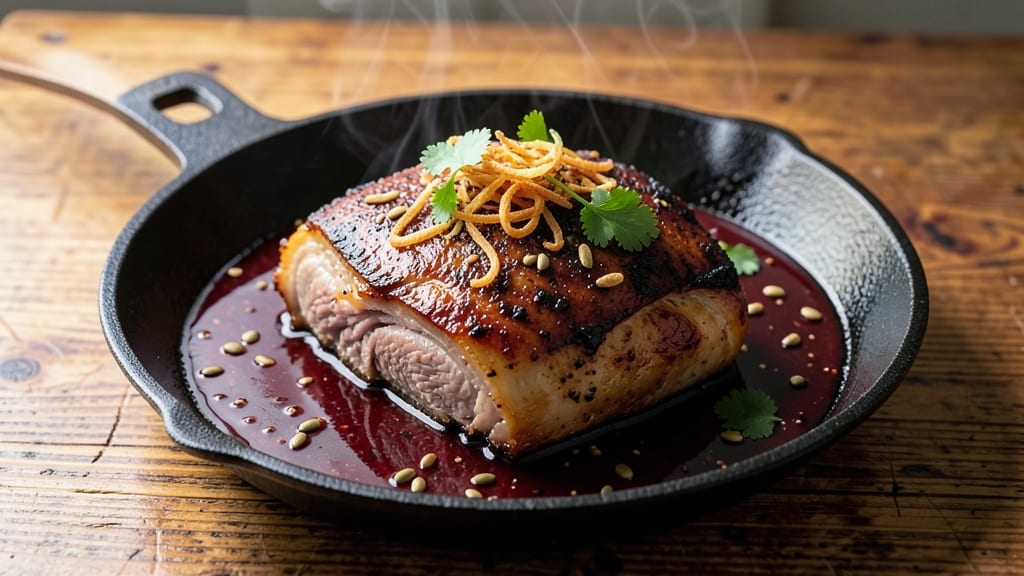
This ancho pork recipe transforms tender pork shoulder into a restaurant-worthy braise with deep smoky notes and vibrant roasted tomato sweetness. I developed this technique during my time in Charleston, where ancho chiles and chipotle peppers became my secret weapons for adding complexity without overpowering the natural richness of pork.
The key lies in slow braising, which breaks down the meat into melt-in-your-mouth perfection while infusing it with layers of smoky, slightly sweet heat.
The recipe begins with a dry rub of ancho chiles and chipotle powder, which creates a flavorful crust on the pork before it's seared. Then, the meat simmers in a rich tomato-based braising liquid until it's fork-tender—a process that takes patience but delivers results worth every minute.
What makes this dish special is how the smoky ancho and chipotle flavors meld with the natural sweetness of the roasted tomatoes, creating a balance that's both bold and approachable.
By the time you're done, you'll have a dish that's rich, tender, and packed with depth—ideal for serving with crusty bread, over rice, or alongside roasted vegetables. The aroma alone will have everyone gathering around your table, and the first bite delivers that perfect combination of smoky, spicy, and sweet.
This is the kind of pork dish that turns weeknight dinners into memorable meals.
Whether you're cooking for a family gathering or treating yourself to a special meal, this ancho pork braise delivers professional-quality results with simple techniques. The beauty of this recipe is its versatility—it works equally well as a main course or in tacos, sandwiches, or even pasta dishes.
Let's get started on creating something truly special.
Ingredients for ancho pork
Pork shoulder, ancho chiles, and roasted tomatoes create a smoky, sweet braise worth every minute.
| Ingredient | Amount | Notes |
|---|---|---|
| Pork Shoulder 🥩 | 3 lb | Bone-in for best flavor |
| Ancho Chiles 🌶️ | 2 whole | Stems removed, seeded |
| Chipotle Peppers in Adobo 🌶️ | 3 whole | Mild or hot, minced |
| Dried Oregano 🍃 | 1 tbsp | Mexican oregano preferred |
| Ground Cumin 🌿 | 1 tbsp | Toasted for depth |
| Garlic Cloves 🧄 | 6 cloves | Peeled, smashed |
| Large Yellow Onion 🧅 | 1 whole | Chopped, yellow or red |
| Roma Tomatoes 🍅 | 4 whole | Roasted, peeled |
| Tomato Paste 🍅 | ½ cup | No-sugar-added preferred |
| Beef Broth 💧 | 2 cups | Low-sodium preferred |
| Dark Brown Sugar 🍯 | 2 tbsp | For caramelization |
| Apple Cider Vinegar 🍋 | 2 tbsp | For brightness |
| Olive Oil 🫒 | 2 tbsp | For searing |
| Salt 🧂 | 1 ½ tsp | Kosher or sea salt |
| Black Pepper 🌶️ | 1 tsp | Freshly ground |
The pork shoulder is non-negotiable here—bone-in delivers the best flavor, and Costco or local butchers usually have it at a great price. Look for a cut with good marbling, which means more flavor. For the ancho chiles, Mexican grocery stores or specialty shops are your best bet, but if you can't find them, dried guajillo chiles work in a pinch (just remove the seeds). Chipotle peppers in adobo? Any brand works—just make sure they're fully submerged in the sauce. I always buy extra because they're so versatile, and they keep for months in the pantry. The Roma tomatoes should be firm and vibrant—local farmers markets have the best ones when they're in season.
No ancho chiles? Guajillo or pasilla chiles will work, but toast them first to deepen the flavor. Running short on chipotle? Smoked paprika at half the amount adds some smokiness, though it won't be as rich. The tomato paste can be swapped for canned crushed tomatoes if you're in a hurry, but roasting them yourself gives that caramelized sweetness that makes this dish special. The beef broth is key—low-sodium versions let you control the salt better. If you're feeling fancy, mushroom broth adds earthiness. And if you're out of apple cider vinegar, white wine vinegar or even lemon juice will do in a pinch.
This braise tastes even better the next day, so make it when you have time. Store leftovers in the fridge for up to 5 days, or freeze portions for 3 months. I like to portion it into individual containers so I can grab a meal for lunch all week. The pork will get more tender as it sits, so don't rush it. And if you're serving it at a gathering, the aroma alone will have everyone asking what's for dinner—trust me on that. The braising liquid reduces beautifully, so you can even use it as a sauce for tacos or pasta if you have leftovers.
Why You'll Love This Recipe
- One-Pot Magic: I swear by this recipe—just toss the pork shoulder in a Dutch oven with those smoky ancho chiles and chipotle, then let it do its thing. No chopping, no fuss, and the house smells like heaven by the time it’s done.
- Smoky Depth Bomb: That combo of ancho chiles and chipotle in adobo? It’s where this dish gets its soul. The pork ends up fall-apart tender with a slow-cooked richness that’s impossible to resist—like a hug in sauce form.
- Leftovers That Win: Between us, this is my go-to for lunches all week. The flavor only gets better after a night in the fridge, and it reheats like a dream. (Yes, even on a Tuesday night.)
- Budget-Friendly Feast: Pork shoulder’s the secret weapon here—affordable, forgiving, and packed with flavor. A single recipe feeds four, and the spices cost pennies. My wallet and my family thank me every time.
Step-by-step instructions for ancho pork recipe
This smoky chipotle braise delivers melt-in-your-mouth pork with deep, complex flavors.
Sear the Pork Shoulder for Maximum Flavor
Pat the 3 lb pork shoulder completely dry with paper towels—this ensures a perfect sear. Heat 1 tablespoon of the olive oil in a large Dutch oven over medium-high heat until shimmering. Place the pork shoulder fat-side down and sear undisturbed for 5-6 minutes until a deep golden brown crust forms. Flip and sear the other side for another 5 minutes. You'll see the fat begin to render and the skin develop that beautiful caramelized crust.
Remove the pork and set it aside on a plate. Pour the remaining 1 tablespoon olive oil into the same Dutch oven and let it heat for 30 seconds. This step is crucial—it prevents the spices from burning when you add them later. Keep the rendered pork fat in the pot; it's packed with flavor that will infuse your braise.
Build the Smoky Ancho-Chipotle Base
Add the chopped large yellow onion to the Dutch oven and cook for 3-4 minutes until softened and beginning to caramelize. Stir in the 6 smashed garlic cloves and cook for 30 seconds until fragrant—this prevents the garlic from burning. Add the 1 tablespoon dried oregano and 1 tablespoon ground cumin, stirring constantly for 1 minute until the spices are toasted and aromatic.
Here's where the magic happens: Add the 2 whole ancho chiles (stems removed, seeded) and 3 whole chipotle peppers in adobo (minced). Cook for 1-2 minutes until the chiles soften slightly and release their deep, smoky flavors. Pour in the 0.5 cup tomato paste and stir vigorously for 2 minutes, scraping up any browned bits from the bottom of the pot. These bits are pure flavor—don't miss this step!
Roast and Peel the Tomatoes
While the spice base cooks, preheat your oven to 425°F. Place the 4 whole roma tomatoes on a baking sheet and roast for 20-25 minutes until the skins blister and blacken in spots. Transfer the tomatoes to a bowl, cover with plastic wrap, and let them steam for 10 minutes. Then peel off the skins, remove the stems, and roughly chop the flesh. The roasting deepens their sweetness and makes them easier to digest.
Add the peeled tomatoes to the Dutch oven along with the 2 cups beef broth, 2 tablespoons dark brown sugar, and 2 tablespoons apple cider vinegar. Stir well to combine all ingredients. The vinegar brightens the flavors while the sugar adds just enough caramelization to balance the smokiness. Bring the mixture to a gentle simmer, stirring occasionally to prevent sticking.
Braise Until Fork-Tender
Return the pork shoulder to the Dutch oven, fat-side up, and add enough water to just cover the pork (about 1 cup). Bring to a boil, then reduce heat to low, cover tightly, and transfer to a preheated 300°F oven. This low-and-slow method ensures tender, fall-apart pork. Braise for 3 hours, then carefully flip the pork and braise for another 3 hours, or until the internal temperature reaches 203°F and the meat is fork-tender.
Here's the thing—don't peek or stir during the braising. Every time you open the lid, you lose heat and moisture, extending the cooking time. The pork will release from the bone with minimal effort when done right. If the liquid reduces too much before the pork is tender, add small amounts of water or broth to maintain a gentle simmer.
Rest and Shred for Perfect Texture
Remove the pork from the braising liquid and transfer it to a cutting board. Let it rest for 15 minutes, tented loosely with foil. This resting period is critical—it allows the juices to redistribute throughout the meat, preventing dryness. While the pork rests, skim any excess fat from the braising liquid and strain it through a fine-mesh sieve to remove any solids. Season the liquid with 1.5 teaspoons salt and 1 teaspoon freshly ground black pepper.
Use two forks to shred the pork against the grain into bite-sized pieces. Each piece should pull apart easily with minimal resistance. Taste the pork and adjust seasoning if needed—sometimes the braising liquid needs a touch more salt or vinegar to balance the flavors. Serve the shredded pork over rice or with warm tortillas, ladling the rich braising liquid over the top. The result is tender, smoky pork with layers of ancho and chipotle heat that'll have everyone asking for seconds.
Pro Tips For Making Ancho Pork
- CRUSH THE ANCHOS FIRST: Tear them by hand—not chopping—then toast them in a dry skillet for 30 seconds until fragrant. I used to blend them, but this releases their smoky depth without turning the sauce bitter. (Yes, it’s messy, but worth it.)
- SWEAT THE SPICES LOW: Cook the cumin and oregano in oil for 2 minutes before adding anything else. This blooms their flavors instead of letting them burn or taste raw. I learned this the hard way after my first batch tasted like dust.
- DON’T SKIP THE ADOBO SAUCE: Use 2-3 tablespoons of the chipotle adobo sauce (not just the peppers) for moisture and depth. The sauce is the glue that keeps the pork tender and the sauce balanced. I once forgot and ended up with dry, crumbly pork.
- BRAISE AT 275°F: Slow-cook the pork shoulder at 275°F for 4-5 hours until it shreds easily. Higher heat = tough meat. I was impatient once and rushed it to 325°F—big mistake. Patience here makes all the difference.
Regional styles of ancho pork
Mexican Carnitas Style
In Mexico’s Yucatán Peninsula, pork shoulder becomes crispy carnitas using a similar ancho-chipotle base but with a twist: after braising, the pork is fried until golden and crispy. I learned this technique from a market vendor in Mérida who used 3 dried guajillo chiles alongside the ancho for extra tang.
After your 6-hour braise, remove the pork, slice it into ½-inch thick pieces, and fry in batches with ½ cup lard or vegetable oil at 350°F until crispy. Serve with handmade tortillas and pickled onions. 🌶️
Texas BBQ Twist
Texas pitmasters take ancho pork and infuse it with their signature smoky flavors by finishing it in oak or pecan wood smoke. After braising, transfer the pork to a smoker at 225°F for 1-2 hours, basting occasionally with the reduced braising liquid.
The result? A dish that bridges Mexican and Tex-Mex traditions. I often serve this with homemade white beans and cornbread to soak up the smoky sauce. The key is using hickory or pecan wood—never mesquite, as it can overpower the ancho’s depth.
Charleston Lowcountry Style
Down in Charleston, we love our pork shoulder, but we take it to the next level by adding a touch of shrimp stock to the braise and finishing with a splash of hot sauce (like Crystal or Tabasco).
The shrimp stock adds a briny depth that pairs beautifully with the ancho’s smokiness. After braising, shred the pork and mix it with the reduced sauce, then serve it over steamed white rice with a side of collard greens.
This version is a crowd-pleaser at my restaurant, The Smoky Pig, and always gets rave reviews. 💛
Oaxacan Mole-Inspired
For a richer, more complex flavor profile, blend the braising liquid with 1 roasted poblano pepper, ½ cup almonds, and 1 cinnamon stick after cooking. This transforms the dish into a mole-like sauce that’s perfect for serving over handmade tortillas or as a filling for enchiladas.
The almonds add a subtle nuttiness that balances the smoky heat, while the cinnamon ties everything together. I first tried this variation during a cooking trip to Oaxaca and fell in love with how the flavors melded over time.
Slow-Cooker Adaptation
If you’re short on time, this recipe works beautifully in a slow cooker. After searing the pork and building the spice base, transfer everything to a 6-quart slow cooker and cook on low for 8 hours or high for 5-6 hours.
The slow cooker’s gentle heat ensures the pork stays tender without drying out. I often use this method for weeknight dinners—just add a splash of water if the liquid reduces too much. The result is just as flavorful, with minimal effort. Perfect for busy families or meal prep! ⏰
Nutrition facts
Frequently asked questions
Can I substitute bone-in pork shoulder for boneless?
The bone-in cut is ideal because it adds flavor and stays moist during braising. If you must use boneless, look for a well-marbled cut and reduce the braising time by 30-45 minutes. The meat will be slightly less tender but still delicious. For best results, add ½ cup extra broth to compensate for the lack of natural moisture from the bone.
How do I adjust the heat level in this recipe?
For milder heat, remove the seeds from the ancho chiles and use only 1-2 chipotle peppers instead of 3. For extra spice, add ½ teaspoon cayenne pepper to the braising liquid or include 1 extra chipotle pepper. Remember, the flavors deepen as the pork braises, so start conservative and adjust to taste at the end.
What's the best way to reheat leftovers?
Leftovers reheat beautifully in the oven or stovetop. For oven method, cover with foil and bake at 325°F for 15-20 minutes until heated through. For stovetop, add 2-3 tablespoons braising liquid to prevent drying, then simmer gently for 5-7 minutes. Never microwave—it makes the pork rubbery. The flavors actually improve after resting overnight!
Can I make this in a pressure cooker?
Use the same searing and spice base steps, then add all ingredients to your pressure cooker. Cook on high pressure for 60 minutes, then let the pressure release naturally. The pork will be tender in about 1.5 hours total (vs 6 hours oven braising). For extra richness, finish with 10 minutes in a 400°F oven to crisp the edges slightly.
What's the secret to perfect shredding?
Never shred hot pork—always let it rest for 15 minutes after cooking. Use two forks to pull against the grain, not with it. For extra tender pieces, gently press the forks together as you shred. If the pork is still tough, it needs 30-60 more minutes of braising. The key is patience—the meat should fall apart with minimal effort when properly cooked.