
Main Courses
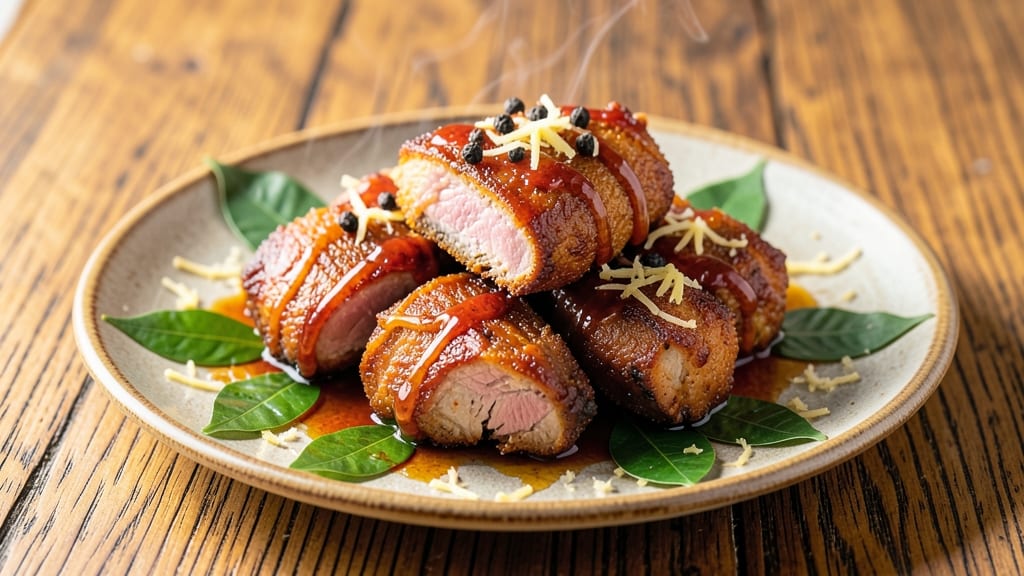
This Angamaly pork fry recipe brings the bold flavors of Kerala to your kitchen with its signature crispy bites and tangy tamarind twist. 🌟 I first encountered this dish in a bustling market in Kochi, where the aroma of shallow-fried pork sizzling in coconut oil drew me in.
The secret lies in the marinade—black pepper, curry leaves, and a touch of tamarind that balances the richness of the pork.
The technique is what makes this dish truly special: shallow frying in batches ensures each piece gets perfectly crispy without losing its tender interior. Unlike other pork dishes, Angamaly fry relies on simple yet powerful spices—no complicated blends here.
The result? A dish that's crispy on the outside, juicy within, and packed with the aromatic essence of Kerala.
What you'll achieve is restaurant-quality pork fry that pairs beautifully with steamed rice, appam, or a cooling coconut curry. The tamarind adds a bright tang that cuts through the richness, while the spices create layers of flavor in every bite.
This is comfort food at its finest—crispy, flavorful, and impossible to resist.
Ready in about 45 minutes, this recipe delivers authentic Kerala flavors without the fuss. The key is patience during frying—don't rush it. Here's how to make it perfectly every time.
Ingredients for angamaly pork fry
Simple yet powerful ingredients for Kerala's crispy, tangy pork fry delight.
| Ingredient | Amount | Notes |
|---|---|---|
| Pork Shoulder 🍖 | 1 ½ lb | Cut into 1-inch cubes |
| Coconut Oil 🥥 | ½ cup | For frying, unrefined preferred |
| Black Peppercorns 🌶️ | 1 ½ tbsp | Crushed, not ground |
| Curry Leaves 🌿 | ½ cup | Fresh, tightly packed |
| Tamarind Paste 🍋 | 2 tbsp | Adjust for tanginess |
| Ginger 🧄 | 1 ½ tbsp | Freshly grated |
| Garlic Cloves 🧄 | 6 cloves | Minced, not pressed |
| Red Chili Powder 🔥 | 1 tbsp | Adjust for heat preference |
| Turmeric Powder 🌿 | ½ tsp | Freshly ground preferred |
| Salt 🧂 | 1 ½ tsp | Kosher or sea salt |
| Lemon Juice 🍋 | 1 tbsp | Freshly squeezed |
| Green Chilies 🌶️ | 2 whole | Slit lengthwise, seeds removed |
The pork shoulder is key here—it stays juicy while getting crispy edges. Look for well-marbled cuts at Indian grocery stores like Patel Brothers or your local butcher. If using pre-cut pork, ask for bone-in pieces—they crisp up better. Curry leaves are non-negotiable for that authentic aroma, so grab a bunch from the Asian section. Tamarind paste can be found in jars at Whole Foods or any Indian market—just make sure it's not too fibrous. For the coconut oil, unrefined virgin oil gives the best flavor, but refined works in a pinch.
No curry leaves? Dried curry leaf powder at half the amount works, but it's not the same. Short on tamarind? Lime juice plus a pinch of sugar mimics the tang. The ginger and garlic can be swapped for 1 tbsp ginger-garlic paste if you're in a hurry. For heat control, use less chili powder or swap for red pepper flakes. The green chilies add freshness—skip them if you prefer milder flavor. And trust me, don't skip the lemon juice at the end—it brightens everything up.
Marinate the pork for at least 30 minutes (overnight is better). The spices will penetrate deeper. Fry in batches—don't overcrowd the pan—or the oil temp drops and you lose crispiness. Leftovers? Store in an airtight container for 3 days, but honestly, they disappear fast. Freezes well for 2 months if you're making extra. Reheat gently in a skillet with a splash of coconut oil to restore crispiness.
Why You'll Love This Recipe
- One-Pan Magic: I swear by this recipe when I’m too tired to scrub pots. Just sear the pork in coconut oil, toss in the peppercorns and curry leaves, and let the tamarind work its tangy magic—no flipping, no fussing, just golden-brown perfection in one pan.
- Tamarind Tang Kick: Between us, that tamarind paste is the star. It cuts through the richness of the pork shoulder, giving it this bright, almost citrusy punch that makes every bite feel special. Honestly, I’ve tried other pork fries, but this sour-sweet balance? Unmatched.
- Lunchbox Hero: This isn’t just dinner—it’s my go-to for packed lunches. The pork stays tender even cold, and the spices keep it exciting. I’ll be real: my kids beg for seconds, and I’ve sent this to work meetings (yes, even on a Tuesday) with zero complaints.
- Budget-Friendly Feast: Pork shoulder stretches for miles, and coconut oil adds richness without breaking the bank. Plus, leftovers reheat like a dream—crispy edges, juicy center, all while saving me money and time. My wallet and taste buds thank me every time.
Step-by-step instructions for Angamaly pork fry
Here's how to make these addictive Kerala-style bites with a perfect crunch and tangy kick.
🔥 Step 1: Marinate the Pork for Maximum Flavor
In a large bowl, combine the 1.5 lb pork shoulder cut into 1-inch cubes with the 1.5 tbsp ginger, 6 cloves garlic cloves (minced), 1 tbsp red chili powder, 0.5 tsp turmeric powder, 1.5 tsp salt, and 1.5 tbsp black peppercorns (crushed). Mix everything thoroughly with your hands until the pork pieces are well coated and the marinade clings to them.
Here's the thing - let this marinade sit for at least 30 minutes (I prefer 1 hour if possible) at room temperature. This isn't just about flavor - it helps tenderize the meat and ensures every bite gets that perfect spice crust when we fry it. The pork should absorb the marinade completely, so don't skip this step.
🍳 Step 2: Fry Until Golden and Crispy
Heat 0.5 cup coconut oil in a heavy-bottomed pan over medium-high heat until it shimmers but doesn't smoke. Add the marinated pork in batches (don't overcrowd the pan) and fry for 4-5 minutes per side until the pieces are deep golden brown and crispy on the outside. You'll know it's ready when the edges look almost caramelized and the pork releases easily from the pan.
I press down gently on the pork pieces during the first minute of frying - this prevents them from curling and ensures even contact with the hot oil. If the oil starts smoking too much, reduce the heat slightly but don't let it cool down completely. The goal is that perfect balance between crispy exterior and juicy interior.
👨🍳 Step 3: Build the Tangy Curry Leaf Sauce
In a separate pan, heat 1 tablespoon coconut oil over medium heat. Add the 0.5 cup curry leaves and fry for 30 seconds until they release their aromatic oils and turn dark green. Add the 2 tbsp tamarind paste, 1 tbsp lemon juice, and the 2 whole green chilies (slit lengthwise). Cook for 2 minutes until the tamarind dissolves and the mixture becomes slightly syrupy.
This is where the magic happens - the curry leaves add that distinctive Kerala flavor, while the tamarind and lemon juice create the perfect tangy balance. Don't skip the green chilies - they add just the right amount of heat without overpowering the dish. The sauce should coat the back of a spoon but still be pourable.
🥘 Step 4: Combine and Finish with Crispy Pork
Add the fried pork pieces to the curry leaf sauce and toss everything together gently. Cook for 1-2 minutes just to let the flavors meld - you don't want to overcook the pork now that it's already perfectly done. The residual heat will finish cooking the sauce while keeping the pork crispy.
Taste and adjust the seasoning if needed. Sometimes the tamarind needs a little more lemon juice for the perfect tang, or the chili powder could use a pinch more for extra heat. Serve immediately while the pork is still crispy - these bites lose their crunch as they cool. Pair with steamed rice and a side of coconut chutney for the full Angamaly experience.
Pro Tips For Making Angamaly Pork Fry
- Cut Pork Thinly: I learned this the hard way—thin slices (about ¼-inch thick) cook faster and soak up flavors better than thick chunks. Use a sharp knife and slice against the grain for tenderness that actually matters.
- Bloom Tamarind First: Warm the tamarind paste in coconut oil for 30 seconds before adding other spices—this softens its acidity and lets the flavors meld. Skipping this step means your dish will taste sharp instead of balanced.
- Don’t Overcrowd the Pan: Fry in batches if needed—packing too much pork steams it instead of searing. A crowded pan turns crispy edges into soggy disappointment, and no one wants that.
- Toast Curry Leaves Last: Add curry leaves after the pork is halfway cooked—they burn fast and lose their delicate aroma if tossed in too early. A quick 10-second sizzle at the end releases their magic.
Pro cooking tips for this dish
Marinade Mastery
Let the pork marinate at room temperature for at least 30 minutes—I usually do 1 hour—to ensure the spices penetrate deeply. The crushed black peppercorns and curry leaves need time to infuse, while the tamarind paste and lemon juice begin breaking down the meat's fibers for better texture.
I always use my hands to massage the marinade into the pork, ensuring every cube gets coated evenly. The key is patience—rushing this step means flavor only clings to the surface. 🌶️
Oil Temperature Control
Use unrefined coconut oil for authentic flavor, but maintain a medium-high heat—around 350°F—to achieve that signature crisp. I test the oil by dropping a small piece of pork in; if it sizzles immediately and floats, it's ready.
Overcrowding the pan drops the temperature, so fry in 2 batches if needed. A heavy-bottomed cast iron skillet (like my Lodge 10.25-inch) distributes heat perfectly and prevents burning. 🔥
Batch Frying Technique
Press down gently on the pork pieces with tongs during the first 30 seconds of frying to prevent curling. This ensures even browning and crispiness. Fry for 4-5 minutes per side until golden—don’t walk away! The pork should release easily from the pan and have a caramelized edge.
If the oil smokes excessively, reduce heat slightly but keep it hot enough to maintain crispiness. I use a thermometer probe to monitor oil temp, aiming for 340-360°F for consistent results. ⚡
Sauce Timing Secrets
Fry the curry leaves for only 30 seconds—any longer and they’ll burn, turning bitter. Add the tamarind paste and lemon juice immediately to dissolve the tamarind’s fibers. The sauce should coat the pork lightly, not drown it.
Toss the fried pork in the sauce for just 1-2 minutes—longer cooking will make the pork soggy. Serve immediately while the pork is still crisp, or the texture will suffer. 💫
Equipment Upgrades
Invest in a deep-fry thermometer (like the ThermoWorks Type K) to monitor oil temperature precisely. A slotted spoon helps drain excess oil without breaking the pork’s crisp. For extra crunch, I sometimes dust the fried pork with 1 tsp cornstarch before tossing it in the sauce.
And trust me, a fine-mesh strainer makes draining the pork after frying a breeze—no soggy batches here. 💡
Nutrition facts
Frequently asked questions about Angamaly pork fry
Why does Angamaly pork fry need tamarind?
The tamarind adds that signature tangy brightness that balances the rich, crispy pork perfectly. In Kerala cuisine, tamarind cuts through the fat and enhances the spices, creating the dish's signature flavor profile. Without it, you'd miss that signature zing that makes this dish so special.
Can I use chicken instead of pork?
Yes, but the texture and flavor will differ significantly. Chicken would cook faster and stay juicier but wouldn't achieve the same crispy exterior. For a chicken version, reduce frying time to 3-4 minutes per side and use 1/4 cup less oil since chicken absorbs less fat.
How do I prevent the pork from getting soggy?
Fry the pork in batches without overcrowding the pan to maintain high oil temperature. Serve immediately after tossing in the sauce—don't let it sit. If reheating, use a skillet with fresh coconut oil over medium heat for just 2-3 minutes to restore crispiness.
What's the best way to store leftovers?
Store in an airtight container for up to 3 days in the fridge. For longer storage, freeze for 2 months. To reheat, thaw overnight in the fridge first, then crisp in a skillet with 1 tbsp coconut oil over medium-high heat for 3-4 minutes per side.
Can I make this dish spicier?
Add 1 extra green chili (whole, slit) to the sauce or increase red chili powder by 0.5 tsp. For heat lovers, include 1/2 tsp cayenne pepper with the marinade. Always taste as you go—Kerala cuisine balances heat with cooling elements like coconut and tamarind.