
Main Courses
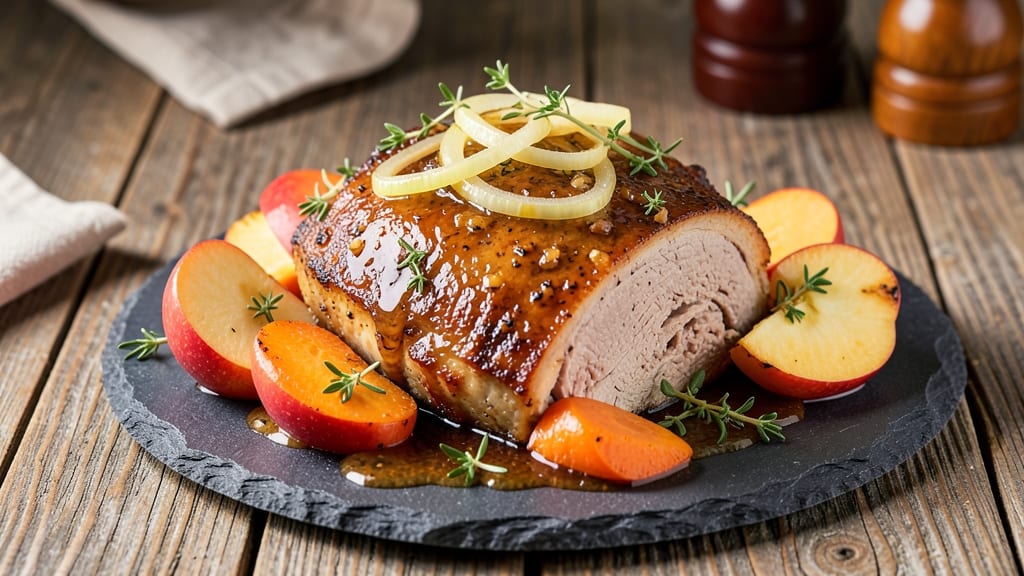
This apple cider braised pork recipe transforms tough pork shoulder into melt-in-your-mouth perfection using a spiced apple cider simmer. 🍎 As someone who's spent years perfecting braising techniques, I can tell you this method delivers restaurant-quality results with minimal effort.
The secret lies in slow-cooking the pork until it falls apart, while the apple cider creates a rich, aromatic sauce that's sweet, tangy, and deeply flavorful.
The process begins with searing the pork to develop deep caramelization, then braising it in a Dutch oven with apple cider, aromatics, and herbs. This technique builds layers of flavor as the pork tenderizes over hours of gentle cooking.
What makes this recipe special is how the apple cider transforms from a simple ingredient into the star of the dish—its natural sweetness balances beautifully with the savory pork and warm spices.
By the time you're done, you'll have fork-tender pork that practically dissolves at the touch of a fork, swimming in a glossy sauce that's perfect for drizzling over each serving.
The aroma alone will have everyone gathering at your table, while the texture and flavor combination makes this dish a fall favorite that's equally impressive for weeknight dinners or holiday gatherings.
Whether you're using a traditional Dutch oven or an Instant Pot for a quicker version, this recipe delivers consistent results. The best part? Leftovers taste even better the next day as the flavors continue to meld. Let's get cooking—this is pork braising at its finest.
Ingredients for apple cider braised pork
Six ingredients transform tough pork into fall-apart perfection with apple cider's sweet-tangy magic.
| Ingredient | Amount | Notes |
|---|---|---|
| Pork Shoulder (Boston Butt) 🥩 | 4 lb | Bone-in, cut into 2-inch chunks |
| Apple Cider 🍎 | 3 cups | Unfiltered, preferably spiced |
| Yellow Onion 🧅 | 1 whole | Cut into 1-inch chunks |
| Carrots 🥕 | 4 medium | Peeled, cut into 2-inch pieces |
| Garlic Cloves 🧄 | 6 cloves | Smashed, not minced |
| Fresh Thyme 🌿 | 2 sprigs | Stems removed, leaves only |
| Fresh Rosemary 🌿 | 1 sprig | Needles only, chopped |
| Apples 🍎 | 2 medium | Honeycrisp or Granny Smith, peeled |
| Apple Cider Vinegar 🍶 | 2 tbsp | For tangy depth |
| Brown Sugar 🍚 | 2 tbsp | Light or dark preferred |
| Kosher Salt 🧂 | 1 ½ tsp | For seasoning and braising |
| Black Peppercorns 🌶️ | 1 tsp | Freshly cracked |
| Olive Oil 🫒 | 2 tbsp | For searing pork |
| Fresh Bay Leaves 🌿 | 2 whole | For aromatic depth |
The pork shoulder is the star—look for bone-in cuts at the butcher counter, as the marrow adds richness. Costco or local grocers often have it pre-cut, but if buying whole, ask for the Boston butt section. Chunk it yourself for even cooking. Apple cider? Muir Glen or Woodchuck brands have that perfect spiced balance. If using store-bought, check the label—unfiltered cider has more sediment and flavor. The apples should be firm but not hard—Honeycrisp for sweetness or Granny Smith for tartness, depending on your taste. Peel them first to avoid bitterness.
No apple cider vinegar? White vinegar plus 1 tsp sugar mimics the tang. Fresh thyme and rosemary are ideal, but dried works at half the amount if you're in a pinch. The carrots can be baby carrots if that's what's on hand—just trim the ends. For a quicker version, swap the fresh herbs with 1 tsp each dried thyme and rosemary. The brown sugar helps balance the acidity, but white sugar works too. If you're short on time, use pre-minced garlic instead of smashing whole cloves—just add an extra clove for flavor.
This dish tastes even better the next day as flavors meld. Store leftovers in the fridge for up to 5 days or freeze for 3 months. I like to portion mine into containers with extra sauce for easy lunches. For reheating, slow cook on low for 2-3 hours or warm in a skillet with a splash of water. The sauce thickens as it cools, so add a splash of apple cider when reheating if it's too stiff. Keep the bay leaves in during cooking but remove them before serving—they're just for flavor, not eating.
Why You'll Love This Recipe
- One-Pot Magic: I swear by this recipe because it’s all in one pot—no chopping boards full of mess. Just brown the pork, toss in onions, carrots, and garlic, pour the cider over everything, and let it simmer. That’s it. (Yes, even on a Tuesday night.)
- Sweet-Savory Magic: The apple cider transforms everything—tender pork with a glossy, slightly sticky sauce that’s ridiculously good. The carrots melt into the meat, and the onions caramelize just enough to make every bite feel like a hug. Honestly, the first time I tasted it, I immediately texted my mom to make more.
- Leftovers That Beg for More: This dish tastes better the next day—like, dangerously so. I’ve reheated it three times in a row, and my family still asks for seconds. (Between us, I’ve even served it cold in sandwiches, and no one complained.)
- Budget-Friendly Crowd-Pleaser: Pork shoulder is cheap, and this recipe stretches it across multiple meals without breaking the bank. Plus, it feeds a crowd—my in-laws always ask for seconds, and I’ve never had to stress about leftovers going to waste. Not the prettiest, but the taste makes up for it every time.
Step-by-step instructions for apple cider braised pork
This fall favorite delivers melt-in-your-mouth pork with rich, spiced cider flavors.
🔥 Step 1: Sear the Pork Shoulder for Deep Flavor
Heat a large Dutch oven over medium-high heat until hot. Add the 2 tablespoons olive oil and swirl to coat the bottom. Pat the 4 lb pork shoulder (Boston Butt) dry with paper towels—this is crucial for crispy edges.
Place the pork in the pot, fat-side down, and let it sear undisturbed for 8-10 minutes until a deep golden crust forms. You'll see the fat render out and the meat release easily from the pan. Flip the pork and sear the other side for another 8-10 minutes. Remove the pork and set it aside—we'll return it to the pot later.
🍳 Step 2: Build the Aromatic Braising Base
In the same Dutch oven, add the 1 whole yellow onion (cut into 1-inch chunks), 4 medium carrots (peeled and cut into 2-inch pieces), and 6 cloves garlic (smashed). Cook for 5-6 minutes until the onions soften and the carrots begin to caramelize slightly.
Stir in the 2 sprigs fresh thyme, 1 sprig fresh rosemary (chopped needles), 2 whole fresh bay leaves, 2 tablespoons apple cider vinegar, and 2 tablespoons brown sugar. Cook for another 1 minute to toast the spices and let their aromas bloom. This step forms the flavor foundation for your braise.
🥘 Step 3: Deglaze and Simmer the Pork
Pour in the 3 cups apple cider and scrape up all the browned bits from the bottom of the pot with a wooden spoon. These bits are packed with flavor—don't miss them! Return the pork to the pot, fat-side up, and sprinkle it with the 1.5 teaspoons kosher salt and 1 teaspoon black peppercorns.
Bring the liquid to a gentle simmer over medium-high heat, then reduce heat to low and cover with a tight-fitting lid. The liquid should bubble gently around the edges but not boil vigorously. Add the 2 medium apples (peeled and cored) to the pot—they'll break down during cooking and add natural sweetness to the braising liquid.
⏰ Step 4: Braise Until Fork-Tender
Transfer the Dutch oven to a 300°F oven and braise for 3 hours. Here's the thing—this long, slow cook time is what transforms tough pork shoulder into fork-tender meat. After 3 hours, check the pork's doneness by inserting a meat thermometer into the thickest part—it should read 195-205°F.
If the pork isn't tender yet, return it to the oven for another 30-60 minutes. The meat should pull apart easily with two forks, and the braising liquid should be rich and slightly reduced. If the liquid seems too thin, uncover the pot and simmer on the stovetop for 10-15 minutes to thicken it slightly.
🍽️ Step 5: Rest and Serve
Remove the pork from the pot and transfer it to a cutting board. Tent loosely with aluminum foil and let it rest for 15-20 minutes. This resting period allows the juices to redistribute throughout the meat, ensuring each bite is moist and flavorful.
While the pork rests, skim any excess fat from the surface of the braising liquid. Taste and adjust seasoning if needed—you might want to add a pinch more salt or a splash of apple cider vinegar for brightness. Serve the pork sliced thickly over mashed potatoes or crusty bread, ladling the rich braising liquid over the top for maximum flavor in every bite.
Pro Tips For Making Apple Cider Braised Pork
- SEAR THE PORK FIRST: That golden crust isn’t just for looks—it traps flavor. After seasoning, sear the pork shoulder in batches over medium-high heat until deep brown on all sides. I used to skip this, and the final dish always tasted flat. Two minutes per side, no rush—just let the meat hit the pan hard.
- USE FULL-STRENGTH CIDER: Skip the watered-down stuff. The acidity in real apple cider tenderizes the pork and balances the sweetness. If your cider is weak, reduce it by half before adding. I learned this after a batch turned cloyingly sweet—now I always check the label for "100% juice" or "hard cider" (yes, the alcoholic kind works too).
- DON’T SKIP THE BLANCH: Toss chopped onions, carrots, and garlic into boiling water for 2 minutes before braising. This softens them faster and keeps them from turning to mush. I used to add them raw, and they’d either stay crunchy or dissolve into the sauce. A quick blanch guarantees they’ll stay intact but tender.
- COVER TIGHTLY AFTER 2 HOURS: The first half of braising is about rendering fat; the second is about moisture. After 2 hours, seal the pot with foil or a lid. This traps steam and coaxes the pork to fall apart. I used to leave it uncovered "to reduce the sauce," but the meat dried out—now I wait until the last 30 minutes to uncover if I want a thicker liquid.
Regional styles of this recipe
New England Style
In New England, apple cider braised pork often features dried cranberries and maple syrup to honor the region's harvest traditions. I like to add ½ cup dried cranberries with the apples and 1 tablespoon pure maple syrup to the braising liquid for a sweet-tart balance.
The cranberries soften beautifully during cooking, adding bursts of tangy flavor. Serve with cornbread instead of bread—it's a classic New England pairing that soaks up the rich sauce perfectly. 🍁
Southern BBQ Twist
Down in the South, we take this dish to the next level by adding smoked paprika and a splash of bourbon. Swap 1 teaspoon smoked paprika for half the thyme and deglaze with ¼ cup bourbon instead of apple cider vinegar.
The bourbon caramelizes beautifully during cooking, adding depth. Finish with a sprinkle of crushed red pepper flakes for heat. This version tastes even better the next day, making it perfect for leftovers. 🔥
Midwest Heartland
The Midwest version keeps it simple but hearty, focusing on caramelized onions and potatoes. Cook the onions for an extra 10 minutes until deeply caramelized, then add 2 cups diced potatoes with the apples.
The potatoes absorb the flavors beautifully, creating a one-pot meal. Top with crispy fried onions before serving—a Midwest favorite. This approach turns the dish into a comforting, all-in-one meal. 🥔
French-Inspired
For a French twist, I use red wine instead of apple cider and add mushrooms for umami depth. Deglaze with 1 cup dry red wine (like Pinot Noir) and include 8 oz sliced cremini mushrooms with the onions.
Finish with a sprinkle of fresh parsley and a drizzle of Dijon mustard on each serving. This version feels elegant enough for dinner parties but still delivers that tender pork we all love. 🍷
German-Influenced
Inspired by German Schweinshaxe (pork knuckle), this version uses dark beer and mustard seeds. Replace apple cider with 2 cups dark lager and add 1 teaspoon caraway seeds with the thyme. The beer adds a malty depth that pairs perfectly with the pork.
Serve with buttered noodles and sauerkraut for an authentic German experience. The mustard seeds add a subtle earthy note that elevates the dish. 🍺
Modern Shortcut
For a quicker version, use an Instant Pot and reduce the cook time to 90 minutes on high pressure. Add 1 cup apple cider and 1 cup broth to the pot, then cook with all the other ingredients.
The pressure cooker speeds up the process without sacrificing tenderness. This method is perfect for busy weeknights but still delivers that restaurant-quality result. 💫
Nutrition facts
Frequently asked questions
Can I use regular apple juice instead of apple cider?
While apple juice will work, it won't provide the same depth of flavor or spiced complexity. Apple cider contains natural spices and sediment that add richness to the braising liquid. For a similar effect, use 1 cup apple juice plus 1 teaspoon cinnamon and ½ teaspoon allspice to mimic the spiced notes.
How do I know when the pork is fully tender?
The pork is ready when it reaches 195-205°F internally and pulls apart easily with two forks. For extra assurance, check the texture by inserting a fork—if it slides in like butter, it's perfectly tender. If it's still slightly firm after 3 hours, extend cooking by 30-60 minutes.
Can I make this in a slow cooker?
Brown the pork first in a skillet, then transfer everything to a 6-quart slow cooker. Cook on low for 8 hours or high for 5-6 hours. The slow cooker method is perfect for hands-off cooking, though the sauce may be thinner than oven-braised versions.
What's the best way to reheat leftovers?
Reheat in a skillet over medium-low heat with a splash of apple cider to restore moisture. For oven reheating, cover with foil and warm at 300°F for 20-30 minutes. Never microwave—it makes the pork dry. Leftovers keep for 5 days refrigerated or 3 months frozen.
Why did my sauce turn out too thin?
This usually happens from overcrowding or not reducing the liquid enough. For next time, simmer uncovered for 10-15 minutes at the end to thicken, or add 1 tablespoon cornstarch mixed with water as a slurry. The pork should be submerged in liquid initially, but the sauce should reduce by the end.