
Main Courses
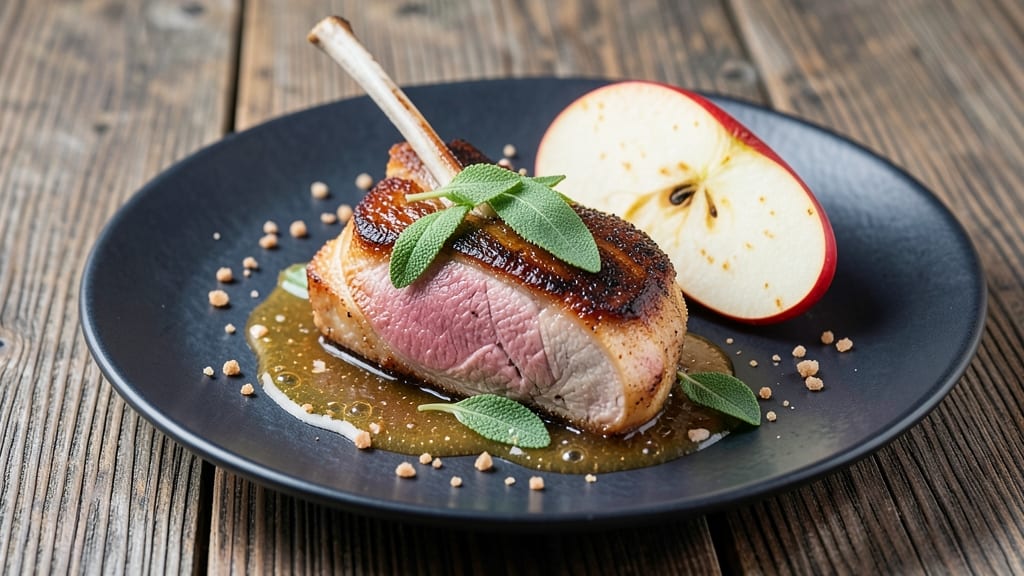
This apple sage pork chop recipe transforms a classic into something restaurant-worthy with just five ingredients and 30 minutes of hands-on time. 🔥 The secret lies in marinating the pork in apple cider and fresh sage—creating tender meat with crispy edges and caramelized apple bites that melt into every bite.
I developed this during a particularly chilly fall weekend when I wanted to showcase how simple ingredients can deliver restaurant-quality results at home.
The technique is straightforward but critical: sear the pork chops in a hot cast-iron skillet until golden, then deglaze with apple cider to create a glossy, aromatic sauce. While the pork rests, toss sliced apples in butter and brown sugar until they develop that perfect caramelized texture.
This method ensures the pork stays juicy while the apples add natural sweetness that balances the herbaceous sage.
What you'll end up with is a plate that looks as impressive as it tastes—juicy, herb-infused pork chops with tender caramelized apples and a rich, glossy sauce. The combination of textures and flavors makes this dish feel special without requiring advanced techniques.
It's the kind of meal that feels like a celebration, even on a weeknight.
Serve with roasted sweet potatoes or a simple green salad to round out the meal. The leftovers reheat beautifully, making this a perfect recipe for meal prep or entertaining. Let's get cooking!
Ingredients for apple sage pork chop
Five ingredients elevate this classic dish to restaurant-quality perfection with minimal effort.
| Ingredient | Amount | Notes |
|---|---|---|
| Bone-In Pork Chops 🥩 | 4 pieces | 1-inch thick, center-cut preferred |
| Unsalted Butter 🧈 | 4 tbsp | Cold, cut into 1-inch cubes |
| Apple Cider 🍎 | ½ cup | Dry, not sweetened |
| Fresh Sage Leaves 🌿 | ¼ cup | Packed, stems removed |
| Honeycrisp Apples 🍎 | 2 medium | Peeled, sliced into 1/4-inch pieces |
| Light Brown Sugar 🍚 | 2 tbsp | Packed, not granulated |
| Diamond Crystal Kosher Salt 🧂 | 1 tsp | For pork seasoning |
| Ground Black Pepper 🌶️ | ½ tsp | Freshly cracked |
| Extra-Virgin Olive Oil 🫒 | 1 tbsp | For apple tossing |
The bone-in pork chops are non-negotiable for flavor and texture—look for center-cut pieces at your butcher or grocery store's meat counter. Whole Foods or Trader Joe's carry excellent quality, but any reputable market will do. Fresh sage matters here; avoid dried substitutes unless absolutely necessary, as the aroma is critical. For the apples, Honeycrisp delivers the perfect balance of sweetness and tartness, but Fuji or Granny Smith work well too. If using Granny Smith, reduce sugar slightly to balance the tartness. The apple cider should be dry—avoid sweetened varieties, which will overpower the dish.
No fresh sage? Dried sage at one-third the amount works in a pinch, though the flavor won't be as vibrant. Running short on Honeycrisp apples? Gala or Braeburn are excellent alternatives—they caramelize beautifully. Substituting brown sugar for granulated? Use the same amount, but expect slightly less caramelization. For a quicker prep, pre-slice the apples and store them in lemon water to prevent browning. The pork chops should be room temperature before cooking—this ensures even searing. If short on time, pat them dry and let them sit for 15 minutes while you prep the apples.
The pork chops reheat beautifully—simply warm in a skillet with a splash of apple cider for 2-3 minutes per side. Store leftovers in an airtight container for up to 3 days in the fridge. For longer storage, freeze the cooked pork chops for up to 3 months, though the apples are best used fresh. The caramelized apples can be prepped ahead and stored in the fridge for 2 days, though they're best served immediately for peak texture. Portion the apples separately if freezing—reheat gently to avoid drying them out.
Why You'll Love This Recipe
- One-Pan Magic: I swear by this trick—just sear the pork chops, toss in sliced apples and sage, then let the cider reduce. No extra pots, no extra stress. The butter pools at the bottom like a golden reward, and honestly? I’ve never cleaned up faster.
- Crispy-Creamy Balance: That bone-in pork chop? It delivers—crispy edges that shatter, juicy center that melts. The apples add sweetness that cuts through the richness, while the sage leaves perfume every bite. It’s the kind of dish where I’ll pause mid-bite just to appreciate how good it is.
- Weeknight to Weekend: Make it on a Tuesday for a no-fuss family dinner, or double the batch for a holiday table. The leftovers reheat beautifully (yes, even the crispy bits), and the flavors only deepen overnight. Between us, this is the recipe I pull out when I don’t want to think too hard.
- Budget-Friendly Luxury: Bone-in pork chops stretch further than you’d think, and Honeycrisp apples—even on sale—feel like a splurge without breaking the bank. The butter and cider are pantry staples that elevate everything, so you’re basically turning grocery store basics into something that tastes like a restaurant special.
Step-by-step instructions for apple sage pork chops
Here's how to achieve perfectly seared pork chops with caramelized apples and aromatic sage.
🔥 Step 1: Season and Sear the Pork Chops
Pat the 4 pieces bone-in pork chops dry with paper towels—moisture is the enemy of a good sear. Place them on a wire rack set over a baking sheet to allow air circulation on all sides. Season both sides generously with 1 teaspoon diamond crystal kosher salt and ½ teaspoon ground black pepper, pressing the seasoning into the meat so it adheres well.
Heat a large skillet over medium-high heat until it's smoking hot. Add 2 tablespoons of the cold unsalted butter (cubed) and let it melt, then add the pork chops. Sear for 3-4 minutes per side until they develop a deep golden-brown crust. Don't move them around—they need undisturbed contact with the pan to develop that flavorful bark. If the butter starts to brown too quickly, reduce the heat slightly to prevent burning.
🍳 Step 2: Deglaze and Simmer with Apple Cider
Once the pork chops are seared, remove them from the skillet and set aside on a plate. Immediately pour in ½ cup apple cider, scraping up all the browned bits from the bottom of the pan with a wooden spoon—this is where all the flavor hides. Let the cider simmer for 2-3 minutes until it reduces by about half and becomes slightly syrupy.
Add the remaining 2 tablespoons cold unsalted butter to the skillet and stir until melted. Return the pork chops to the skillet, spooning the apple cider butter sauce over them. Let them simmer together for 2-3 minutes to finish cooking. The pork chops should reach an internal temperature of 145°F—use a meat thermometer to check the thickest part of each chop. If they're not quite there, cover the skillet and cook for another minute or two.
🥘 Step 3: Prepare the Caramelized Apple-Sage Bites
While the pork chops cook, peel and slice the 2 medium honeycrisp apples into ¼-inch pieces. In a separate skillet, heat 1 tablespoon extra-virgin olive oil over medium heat. Add the apple slices and cook for 3-4 minutes, stirring occasionally, until they begin to soften slightly but still hold their shape.
Add the 2 tablespoons light brown sugar and ¼ cup fresh sage leaves (packed, stems removed) to the skillet. Stir to combine, then cook for another 2-3 minutes until the apples are tender but still slightly crisp, and the sugar begins to caramelize. The mixture should smell intensely aromatic—this is when you know the flavors are melding beautifully. If the apples release too much liquid, cook them uncovered for the last minute to evaporate any excess moisture.
🥘 Step 4: Combine and Finish
Transfer the pork chops to a serving platter and arrange the caramelized apple-sage mixture alongside them. Spoon any remaining apple cider butter sauce from the skillet over the top of the pork chops. Let the pork chops rest for 5 minutes before serving—this allows the juices to redistribute, ensuring each bite is moist and flavorful.
To serve, place a pork chop on each plate and surround it with the apple-sage mixture. The combination of the crispy sear on the pork, the tender caramelized apples, and the aromatic sage creates a harmonious balance of textures and flavors. Garnish with additional fresh sage leaves if desired, and enjoy immediately while everything is hot.
Pro Tips For Making Apple Sage Pork Chop
- SEAR THE CHOPS FIRST: I learned this the hard way—skipping the initial sear means flavorless butter and soggy sage. Hit your bone-in chops with a hot pan (no oil needed) for 3 minutes per side until deep brown, then pull them out. The crust locks in juices and makes the apple-cider glaze cling like it’s supposed to.
- USE COLD APPLE CIDER: Sounds weird, but it works: chill your apple cider in the fridge for 10 minutes before adding it to the pan. Cold liquid prevents steaming and lets the pork cook evenly instead of turning into a watery sauce. Plus, it keeps the sage leaves from wilting into oblivion.
- DON’T SKIP THE APPLE SKIN: Peel those Honeycrisp apples? Bad move. The skin adds texture and depth—it’s the only thing keeping this dish from tasting like baby food. Thinly slice the whole fruit (skin on) and let it caramelize in the pan for 5 minutes before adding the cider. The bitterness balances the sweetness.
- REST THE CHOPS UNDER FOIL: I was skeptical until I tried it: after pulling the chops from the pan, tent them loosely with foil and let them sit for 5–10 minutes. This traps the rendered fat and juices, so when you slice into them, you’re not met with a sad, dry interior. (Yes, even if you’re impatient like me.)
Troubleshooting perfect results
Pork Chop Overcooked?
If your pork chop feels tough or dry, it’s likely overcooked. The key is hitting 145°F internal temperature—no higher! I’ve ruined many a chop by keeping them on the heat too long.
Use a meat thermometer to check the thickest part, and remove them from heat as soon as they reach temp. Let them rest for 5 minutes before slicing—they’ll stay juicy while the juices redistribute. 💡
Apple Sauce Too Thin?
The sauce might be watery if you didn’t reduce the apple cider enough. Always simmer the cider until it’s syrupy—about 2-3 minutes should do it. If it’s still too thin, transfer the sauce to a small saucepan and reduce it further over medium heat until it thickens.
A splash of cornstarch slurry (1 tsp cornstarch + 1 tbsp water) can also help thicken it quickly.
Sage Losing Flavor?
Fresh sage is non-negotiable for maximum flavor, but if you’re using dried, it’s too strong. Use ⅓ the amount of dried sage (about 1 tsp) and add it later in the cooking process—right when the apples are almost done.
This prevents the sage from overpowering the dish. If the flavor still feels off, add a pinch of smoked paprika (½ tsp) to mimic the depth of fresh sage.
Pork Chops Not Browning?
If your pork chops aren’t getting that golden crust, your pan isn’t hot enough. Heat the skillet over medium-high heat until it’s smoking before adding the butter and pork. A cast-iron skillet is ideal for this—it retains heat better than stainless steel.
If your pan isn’t browning the pork, let it heat up for 5 minutes before adding the chops. Patience here is key!
Apples Turning Mushy?
Overcooking the apples will turn them into a sad, mushy mess. Keep them over medium heat and stir frequently to prevent sticking. If they release too much liquid, cook them uncovered for the last 1-2 minutes to evaporate excess moisture.
For extra texture, toss the cooked apples with 1 tsp lemon juice before serving—it brightens their flavor and keeps them slightly crisp.
Butter Burning Too Fast?
If your butter is browning too quickly, your heat is too high. Reduce the heat to medium and let the butter melt gradually. If the butter starts to smoke, remove the pan from heat for 30 seconds to let it cool slightly.
A good rule of thumb is to keep the butter bubbling gently—not vigorously. If you’re in a rush, use clarified butter, which has a higher smoke point and won’t burn as easily.
Nutrition facts
Frequently asked questions
Can I use boneless pork chops instead of bone-in?
Yes, but expect slightly faster cooking times. Boneless chops will take about 2-3 minutes per side instead of 3-4 minutes—check with a meat thermometer to reach 145°F. The flavor won't differ much, but the bone adds subtle depth to the dish. For a restaurant-style touch, ask your butcher to leave a small rib bone attached.
What's the best way to store leftovers?
Store cooked pork chops in an airtight container for up to 3 days in the fridge. Reheat gently in a skillet with a splash of apple cider for 2-3 minutes per side to restore moisture. The caramelized apples keep best for 2 days—store them separately in a sealed container. For longer storage, freeze the pork chops (up to 3 months) but use the apples fresh.
Can I make this dish in a slow cooker?
Not ideal for the pork chops—they'll become tough. However, you can adapt the apple-sage mixture: combine sliced apples, brown sugar, sage, and apple cider in the slow cooker on low for 2-3 hours until tender. Serve alongside store-bought or pan-seared pork chops. The texture won't be caramelized, but it's a tasty alternative for busy days.
Why does the recipe call for dry apple cider?
Dry apple cider adds depth without sweetness that would overpower the dish. Sweetened varieties contain added sugar that can make the sauce cloying. For a subtle sweetness boost, add ½ teaspoon honey to the apple cider while deglazing. The acidity in dry cider also helps tenderize the pork slightly during cooking.
What wine pairs best with this dish?
A medium-bodied red like Pinot Noir or Gewürztraminer complements the apple and sage beautifully. For white wine lovers, try a crisp Sauvignon Blanc with citrus notes. Avoid heavy reds like Cabernet—they can overpower the delicate flavors. Serve your wine slightly chilled (55-60°F) to enhance the meal's autumnal vibes.