
Main Courses
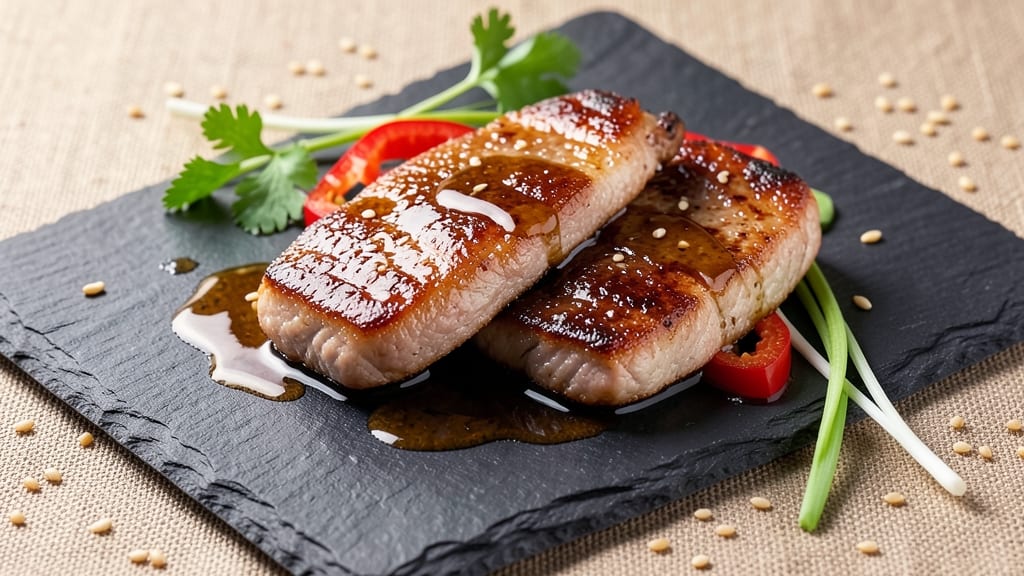
This Asian pork medallions recipe transforms simple pork chops into restaurant-quality bites with a perfect balance of garlic, ginger, and umami. The secret lies in a quick sear that locks in juices, followed by a glossy glaze that caramelizes into sweet-savory perfection.
I developed this technique after years of perfecting pork cuts for my restaurant menu—now you can recreate it at home with just a few key ingredients and a hot skillet.
The process starts with thinly pounded pork medallions that cook in minutes, absorbing the aromatic marinade while developing a golden crust. A touch of honey in the glaze creates that signature sticky finish, while soy sauce and rice vinegar add depth.
This method works equally well on the stovetop or grill, making it adaptable for any kitchen. The result? Tender, flavorful pork with a glossy sheen that makes every bite irresistible.
What makes this recipe truly special is how it balances traditional Asian techniques with approachable home cooking. The garlic-ginger marinade infuses the meat deeply, while the glaze delivers that restaurant-quality finish without requiring specialized equipment.
Serve these medallions over steamed jasmine rice or with quick-pickled vegetables for a complete meal that feels both elegant and effortless.
For extra authenticity, finish with a sprinkle of toasted sesame seeds and fresh cilantro. The combination of textures—crispy edges, tender meat, and glossy glaze—creates a dish that’s perfect for weeknight dinners or special occasions. Once you try this method, you’ll never go back to plain pork chops again.
Ingredients for asian pork medallions
Restaurant-quality Asian pork medallions start with these 13 essential ingredients—each playing a precise role in texture and flavor.
| Ingredient | Amount | Notes |
|---|---|---|
| Boneless Pork Loin Chops 🥩 | 1 ½ lb | Pounded to ¼-inch thickness |
| Extra-Virgin Olive Oil 🫒 | 2 tbsp | For searing and glaze |
| Fresh Garlic Cloves 🧄 | 6 cloves | Minced for marinade and glaze |
| Fresh Ginger Root 🌿 | 2 tbsp | Finely grated, peeled |
| Low-Sodium Soy Sauce 🍶 | 3 tbsp | For umami depth |
| Rice Vinegar 🍶 | 2 tbsp | For brightness |
| Honey 🍯 | 1 ½ tbsp | For caramelization |
| Sesame Oil 🫒 | 1 tbsp | For aroma |
| Toasted Sesame Seeds 🌾 | 1 tbsp | For garnish |
| Fresh Cilantro Leaves 🌿 | ¼ cup | Chopped for garnish |
| Diamond Crystal Kosher Salt 🧂 | 1 ½ tsp | For seasoning |
| Freshly Ground Black Pepper 🌶️ | ½ tsp | For seasoning |
| Jasmine Rice 🍚 | 1 ½ cups | Uncooked, for serving |
The pork loin is non-negotiable—look for well-marbled cuts at your butcher or grocery store's meat counter. Costco or Whole Foods carry excellent quality, but any reputable butcher will have the right selection. Pound the chops to even thickness; this ensures perfect doneness. For the garlic, fresh is mandatory—jarred minced lacks the aromatic depth. Ginger should be peeled and grated just before using to preserve its bright, peppery kick. The sesame oil and seeds add that signature nutty aroma, so choose 100% pure sesame oil—avoid the cheap, flavorless versions.
No fresh ginger? Substitute with 1 tbsp ground ginger, but reduce to half the amount. Running low on sesame oil? Avocado oil works in a pinch, though it lacks the toasted depth. The honey can be swapped for maple syrup in a 1:1 ratio if you prefer. For a deeper umami punch, add 1 tsp fish sauce (ensure it's gluten-free if needed). The rice vinegar is key for brightness—substitute apple cider vinegar if unavailable, but taste first as it's slightly sharper. For the sesame seeds, toast them in a dry pan for 30 seconds until fragrant—this step makes all the difference. The jasmine rice pairs perfectly, but brown rice or basmati work just as well.
Pork medallions keep best in the fridge for 2 days if stored in an airtight container with the glaze. The glaze itself can be made ahead and reheated gently—microwave 30 seconds or warm in a small saucepan. For longer storage, freeze the cooked medallions for up to 3 months; thaw in the fridge overnight before reheating. The rice reheats beautifully in a steamer basket over simmering water. Garnishes like cilantro and sesame seeds can be added fresh after reheating for maximum flavor impact. Double the batch and freeze half—these medallions reheat like a dream and make weeknight dinners effortless.
Why You'll Love This Recipe
- One-Pan Magic: I swear by this recipe when I’m too tired to scrub pots—just sear those pork chops in olive oil, toss in minced garlic and ginger, and let the soy sauce work its magic. The pan drippings? Flavor gold that turns into a quick sauce with zero extra effort.
- Umami Bomb: That combo of fresh ginger, garlic, and low-sodium soy sauce? It’s the kind of depth that makes you pause mid-bite. The pork stays juicy with a caramelized crust, and the aroma alone will have your kitchen smelling like a takeout spot you actually want to cook at home.
- Lunchbox Hero: Between us, these medallions are my secret weapon for meal prep. Slice them thin, pack with rice and steamed veggies, and they hold up for days—no sad, dry leftovers here. (Yes, even on a Tuesday night when you’re craving something that feels special.)
- Pocketbook Pleaser: Pork loin chops are affordable, and this recipe uses pantry staples you already own. A single batch feeds four, and the leftovers reheat beautifully—no fancy ingredients, no wasted money, just reliable, satisfying flavor that won’t break the bank.
Step-by-step instructions for garlic-ginger pork medallions with umami glaze
Master this technique for perfectly seared pork medallions with a glossy, balanced glaze every time.
Prepare the Pork and Marinade Components
Begin by pounding the 1.5 lb boneless pork loin chops between two sheets of plastic wrap to an even ¼-inch thickness. This ensures even cooking and prevents the center from remaining underdone. Use a meat mallet or rolling pin for this—press firmly but evenly to avoid tearing the meat.
While the pork rests at room temperature, prepare the marinade by mincing the 6 cloves fresh garlic cloves and grating the 2 tbsp fresh ginger root. The ginger should be finely grated so it dissolves completely into the marinade rather than remaining as visible pieces. Combine these with 3 tbsp low-sodium soy sauce, 2 tbsp rice vinegar, and 1.5 tbsp honey in a small bowl. This mixture creates the flavor foundation that will infuse the pork during the quick sear.
Sear the Pork Medallions to Develop Crust
Heat a heavy skillet over medium-high heat until it's smoking hot. Add 2 tbsp extra-virgin olive oil and swirl to coat the pan evenly. Working in batches if needed, add the pounded pork medallions and sear for 2-3 minutes per side until they develop a deep golden-brown crust. Press down gently on the medallions during the first minute to prevent curling, which ensures even contact with the pan.
Remove the pork from the skillet and set aside on a plate. The internal temperature should reach 145°F at its thickest point. If the pork releases easily from the pan, it's ready—if not, sear for another 30 seconds. The crust is your indicator of success; it should be caramelized and slightly crisp, not pale or rubbery.
Build the Umami Glaze
Return the skillet to the stove over medium heat and add the prepared marinade components. Scrape up any browned bits from the bottom of the pan with a wooden spoon—these contain concentrated flavor. Simmer the marinade for 2-3 minutes until it reduces by about half and begins to thicken slightly. The glaze should coat the back of a spoon and have a glossy sheen.
Stir in 1 tbsp sesame oil and remove the pan from heat. The sesame oil adds aromatic depth without overpowering the other flavors. If the glaze is too thick, add 1-2 teaspoons of water to loosen it to a pourable consistency. The glaze should be cohesive enough to cling to the pork but still flow smoothly when spooned.
Finish and Garnish the Pork Medallions
Return the seared pork medallions to the skillet and spoon the glaze evenly over the top. Let them simmer for 1-2 minutes to absorb the flavors and develop a glossy finish. The pork should be fully cooked through and the glaze should adhere to the surface without pooling.
Transfer the pork to a serving platter and garnish with 1 tbsp toasted sesame seeds and 0.25 cup chopped fresh cilantro leaves. The sesame seeds add texture and visual contrast, while the cilantro brightens the dish with its fresh, herbal notes. Serve immediately with 1.5 cups cooked jasmine rice to soak up the flavorful glaze.
Prepare the Jasmine Rice (Optional)
While the pork medallions are searing, rinse the 1.5 cups jasmine rice under cold water until the water runs clear. This removes excess starch that could make the rice gummy. Combine the rice with 3 cups water in a pot, bring to a boil, then reduce heat to low, cover, and simmer for 15 minutes. Fluff the rice with a fork before serving to complement the rich, savory pork medallions.
Pro Tips For Making Asian Pork Medallions
- SHARPEN YOUR KNIFE: Pork loin chops are dense—don’t fight them with a dull blade. A sharp knife makes mincing garlic and ginger actually fine (not chunky), and thin, even slices of pork sear faster. I used to rush this and end up with uneven cooking—now I take 30 seconds to hone the blade first.
- SALT THE PORK FIRST: Toss the chops with salt before searing—let them sit 10 minutes uncovered. This draws out moisture so the crust forms properly, not steam. I learned this the hard way when my medallions turned out soggy despite high heat.
- LOW AND SLOW FINISH: After searing, drop the heat to medium-low and cover the pan. This cooks the pork through without drying it out while letting the soy and garlic reduce into a glossy sauce. My first few batches turned out dry—I was too aggressive with the heat.
- USE GINGER JUICE: After grating ginger, squeeze out the excess liquid with a clean towel. Wet ginger adds bitterness and dilutes the sauce. Sounds weird, but it works—your medallions stay bright and flavorful, not muddy. I skip this when I’m lazy, and the dish is noticeably better when I don’t.
Wine and beer pairings for this dish
Crisp White Wine
For these pork medallions, I always reach for a dry Riesling from Germany or a Sauvignon Blanc from New Zealand. The bright acidity cuts through the richness of the pork and honey glaze beautifully.
A 2022 Dr. Loosen Blue Slate Riesling has just the right mineral edge to complement the garlic and ginger notes. Serve it slightly chilled—around 50°F—to enhance its crispness. 🍷
Light-Bodied Beer
A Japanese lager like Asahi Super Dry or a Belgian witbier such as Hoegaarden pairs wonderfully with the dish. The subtle sweetness and effervescence of these beers balance the umami glaze without overpowering it.
For a local option, try a crisp American lager like Bud Light—it’s light enough to let the pork shine while providing a clean finish. 🍺
Sake for Authenticity
If you want to lean into the Asian influence, a dry sake like Dassai Premium Junmai elevates the meal to new heights. The nutty, clean profile of sake enhances the sesame and garlic flavors while adding a touch of sophistication.
Serve it chilled—around 45°F—to highlight its delicate aroma. For a budget-friendly option, Kubota Junmai delivers excellent quality at a fraction of the cost. 🍶
Red Wine Option
If you prefer red wine, a light Pinot Noir from Oregon or a Chianti Classico from Italy works surprisingly well. The acidity in these wines mirrors the rice vinegar in the glaze, while their earthy notes complement the ginger.
Look for a 2021 Domaine Serene Pinot Noir—it’s approachable and won’t overpower the dish. Decant for 15-20 minutes before serving to soften its tannins. 🍷
Non-Alcoholic Pairings
For a non-alcoholic option, a sparkling yuzu soda or a ginger beer like Feather Ginger Beer mirrors the dish’s bright, zesty flavors. The effervescence cleanses the palate between bites, while the citrus notes enhance the garlic and ginger.
For something more traditional, serve iced green tea—its subtle sweetness and grassy notes provide a refreshing contrast. 💧
Nutrition facts
Frequently asked questions
Can I use pork shoulder instead of pork loin for this recipe?
Pork loin is ideal because it's lean and tender, but you can substitute pork shoulder if you prefer. For best results, trim excess fat and pound it to ¼-inch thickness—this prevents chewiness. Cook time will increase slightly (aim for 3-4 minutes per side), and you may need to adjust the glaze to 3 tbsp to compensate for the larger surface area. The flavor will be richer but slightly fattier.
How do I prevent the pork medallions from curling while cooking?
Press down firmly on the medallions with a spatula during the first 30 seconds of searing to flatten them. Use a heavy skillet (cast iron works best) and avoid overcrowding—cook in batches if needed. The key is even heat distribution. If they still curl, try poking small holes with a knife before cooking to release tension. A perfectly flat medallion ensures even cooking and maximum glaze adhesion.
Can I make this recipe ahead of time?
Cook the medallions and glaze, then store them in an airtight container in the fridge for 2 days. Reheat in a skillet over medium heat for 2-3 minutes per side until warmed through. For longer storage, freeze for up to 3 months. Thaw overnight in the fridge before reheating. The glaze may thicken slightly when reheated—add 1 tsp water if needed.
What's the best way to adjust the spice level?
For milder flavor, reduce the soy sauce to 2 tbsp and omit the sesame oil initially. For extra heat, add ½ tsp chili flakes or 1 tsp sriracha to the glaze. If you love garlic, double the minced cloves to 8 for a more intense aroma. Remember, the glaze can be adjusted after cooking—simmer it with your preferred seasonings for 1-2 minutes before serving.
Are these medallions suitable for meal prep?
Yes, but with a few precautions. Store components separately: cooked pork in one container, glaze in another, and rice in a third. Reheat pork and glaze together in a skillet to maintain texture. The rice reheats best in a steamer basket. For best results, assemble and serve within 24 hours—the glaze stays glossy and the pork remains tender. Pack garnishes separately to keep them fresh.