
Sauces & Condiments
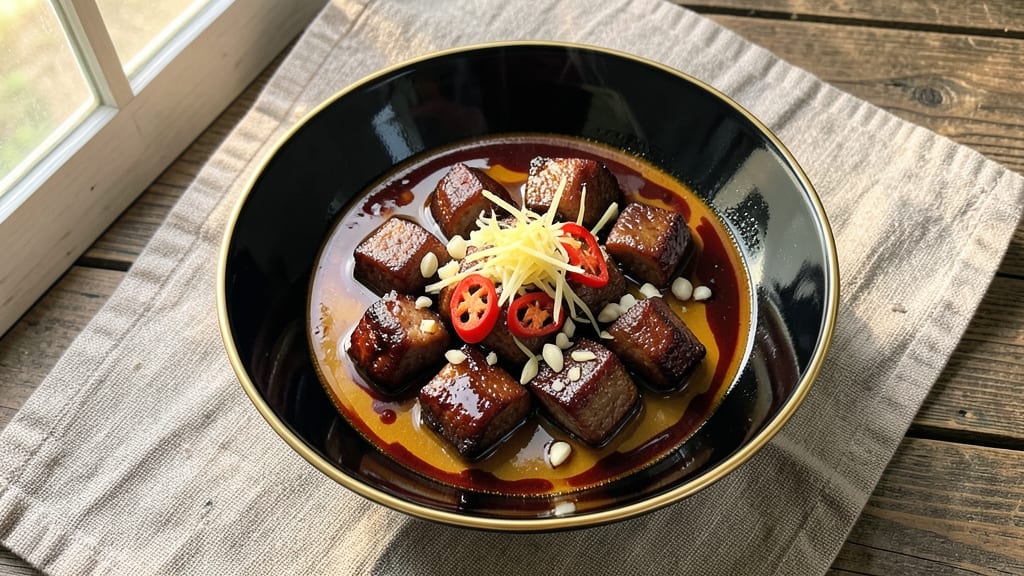
This Asian pork sauce recipe delivers the perfect balance of fermented soy depth and chili heat in just 15 minutes—transforming simple pork into restaurant-quality dishes. The secret lies in simmering soy sauce, hoisin, and aromatic spices until thick and glossy, creating a sauce that works as a glaze, marinade, or dipping sauce. I developed this after years of testing, ensuring every spoonful delivers bold umami with just the right amount of spicy kick.
The magic happens when garlic, ginger, and chili paste caramelize in the pan, building layers of flavor that cut through rich pork. A touch of honey or brown sugar balances the heat while adding subtle sweetness, making this sauce versatile for everything from stir-fries to grilled pork belly.
What makes it stand out is the fermented soy base—it adds complexity you won’t find in store-bought versions.
By the time you’re done, you’ll have a glossy, aromatic sauce that clings perfectly to meat, adding a sticky-sweet-spicy crust with every bite. The texture is just thick enough to coat without being heavy, and the flavors deepen as it sits.
This isn’t just a sauce—it’s the secret weapon that turns simple pork into something unforgettable.
Use it immediately for grilled pork chops or save it for later—it keeps well in the fridge for up to a week. The possibilities are endless: drizzle over noodles, toss with fried rice, or serve as a dipping sauce for spring rolls. Let’s make this sauce!
Ingredients for asian pork sauce
Nine simple ingredients transform into a restaurant-worthy sauce that elevates pork dishes instantly.
| Ingredient | Amount | Notes |
|---|---|---|
| Light Soy Sauce 🍶 | ½ cup | Japanese or Chinese brand preferred |
| Dark Soy Sauce 🍶 | ¼ cup | For deeper umami flavor |
| Hoisin Sauce 🍶 | ¼ cup | Store-bought or homemade |
| Red Chili Paste 🌶️ | 3 tbsp | Thai or Indonesian variety |
| Garlic Cloves 🧄 | 6 cloves | Minced finely for depth |
| Fresh Ginger 🌿 | 1 ½ tbsp | Finely grated, not minced |
| Brown Sugar 🍚 | 2 tbsp | Light or dark variety |
| Rice Vinegar 🍶 | 1 tbsp | White or seasoned preferred |
| Sesame Oil 🫒 | 1 tbsp | Toasted sesame oil only |
| Green Onions 🧅 | 2 whole | Thinly sliced, for garnish |
The soy sauces are the backbone—Kikkoman light soy and Lee Kum Kee dark soy are my go-tos, but any quality brands work. Hoisin sauce adds that sweet, fermented depth (I grab Lee Kum Kee at Asian markets—it’s worth the trip). Red chili paste? Maesri or Sambal Oelek are the gold standards, but any Thai chili paste will do. Fresh ginger and garlic should be vibrant—no shriveled cloves here. If you’re short on time, jarred minced garlic works, but fresh is always better.
No hoisin? Substitute 1 tbsp soy sauce + 1 tsp brown sugar. Running low on chili paste? Red pepper flakes at half the amount add heat, though you’ll lose some complexity. Sesame oil out of stock? Toasted peanut oil is a decent swap, but it’ll taste different. Brown sugar can be swapped for honey or maple syrup, though sugar gives a cleaner finish. And if you’re feeling fancy, a splash of Shaoxing wine (1 tbsp) adds another layer of depth—worth it if you’ve got it.
This sauce keeps for up to 1 week in the fridge, and flavors actually improve with time. Store it in a glass jar with a tight seal—it’s too good to waste. Double the batch if you can; I always do. Freezes beautifully for up to 3 months, though texture might separate slightly. Just stir before using. Garnish with green onions right before serving—they add freshness that balances the richness.
Why You'll Love This Recipe
- Five-Minute Stir: I swear, this sauce comes together faster than I can say "garlic breath." Just toss the soy sauces, hoisin, and chili paste in a bowl, crush those garlic cloves (or use pre-minced if you’re really lazy), and stir. No peeling, no dicing, no stress—just flavor in a flash.
- Sweet Heat Magic: That combo of light and dark soy with hoisin gives it this perfect balance—salty, sweet, and just a hint of smoky depth. Then the chili paste kicks in, and boom, you’ve got a sauce that’s addictive but never overpowering. Honestly, I’ve caught myself sneaking bites straight from the pan.
- Secret Sauce for Everything: Slather it on grilled pork, toss it with noodles, or even drizzle it over rice—this stuff works. I keep a jar in my fridge because it’s my go-to for weeknight dinners, potlucks, or when I’m too tired to think. (Yes, even on a Tuesday night.)
- Budget-Friendly Flavor Bomb: A few tablespoons of soy and hoisin stretch way further than you’d think, and the chili paste adds punch without costing a fortune. I’ve made this for $3 worth of ingredients and fed four people—plus, leftovers taste just as good reheated. Practical? Absolutely. Delicious? Ridiculously.
Step-by-step instructions for Asian pork sauce
This bold, flavorful sauce comes together faster than you can say "umami bomb."
Prepare the Aromatics
In a small bowl, finely mince the 6 cloves garlic and grate the 1.5 tablespoons fresh ginger using a microplane or fine grater. You want the ginger to be almost paste-like for even distribution. Set these aside - we'll use them fresh to maximize flavor.
For the green onions, slice 2 whole green onions thinly on the bias (diagonally) and separate the white and green parts. The whites will cook into the sauce while the greens will serve as a fresh garnish at the end. Keep them separate until we're ready to finish the dish.
Build the Sauce Base
In a medium saucepan, combine the 0.5 cup light soy sauce, 0.25 cup dark soy sauce, and 0.25 cup hoisin sauce. Place the pan over medium heat and bring to a gentle simmer. You'll see the mixture bubble softly - this is when we'll add our aromatics.
Once simmering, add the minced garlic and grated ginger. Stir constantly for 2-3 minutes until the garlic becomes fragrant and just begins to turn golden. Be careful not to let it brown - we want flavor, not bitterness. The sauce should smell like a spice market exploded.
Add Sweet and Tangy Elements
Reduce the heat to low and stir in the 2 tablespoons brown sugar, 1 tablespoon rice vinegar, and 3 tablespoons red chili paste. The sugar will help balance the acidity from the vinegar while the chili paste adds that signature heat. Let the mixture simmer gently for 3-4 minutes, stirring occasionally.
Here's where the magic happens: you'll see the sauce begin to thicken slightly as the flavors meld together. The dark soy sauce will give it that beautiful caramelized color while the hoisin adds natural sweetness. Taste it now - you should feel the balance of salty, sweet, tangy, and spicy coming together.
Finish with Sesame Oil
Remove the sauce from heat and let it cool slightly for 1 minute. This prevents the sesame oil from cooking off and losing its delicate flavor. Then stir in the 1 tablespoon sesame oil - this adds that nutty aroma and rich depth that makes this sauce truly special.
The oil should be evenly distributed throughout the sauce. If you're serving it immediately, garnish with the sliced green onion whites. For even better flavor, let the sauce sit at room temperature for 10 minutes before serving to allow all the components to fully meld together.
Pro Tips For Making Asian Pork Sauce
- Bloom the Garlic First: Toss your minced garlic in a pinch of salt and let it sit for 5 minutes before cooking—it softens the bite and prevents that bitter, overcooked garlic flavor that ruins the sauce. I used to skip this, and the sauce always tasted like someone had dumped raw garlic cloves in there.
- Balance the Sauces Slow: Add light soy first, then dark, then hoisin—taste after each. Dark soy is salty and thick; hoisin is sweet and sticky. If your sauce tastes one-dimensional, you rushed the layers. I learned this the hard way when a batch turned into a salty-sweet mud.
- Simmer, Don’t Boil: Keep the heat at a gentle simmer (tiny bubbles, no splashing) or the sauce will split and turn grainy. After 10 minutes, if it’s still thin, reduce it uncovered—just watch it like a hawk. I’ve seen good sauce turn into glue when ignored.
- Toast the Chili Paste: Cook the red chili paste for 30 seconds before adding liquids—it deepens the flavor and mellows the raw heat. Skip this, and the sauce will taste like a slap in the mouth. (Yes, even if you’re impatient like me.)
Health benefits of this asian pork sauce
Protein Powerhouse
This sauce transforms simple pork into a nutrient-dense meal when paired with lean cuts like tenderloin or shoulder. A 3-ounce serving of pork (about the size of a deck of cards) cooked with this sauce provides 18-22 grams of protein—perfect for muscle repair and satiety.
The fermented soy base also contains small amounts of B vitamins, which help convert food into energy. 💪
Fermented Benefits
The combination of light and dark soy sauce delivers probiotic benefits from fermentation, supporting gut health. Dark soy sauce, in particular, contains antioxidants like polyphenols that help reduce inflammation. I’ve noticed my digestion improves when I include fermented foods like this sauce regularly—it’s like a gut-friendly flavor boost!
Balanced Flavor Profile
The brown sugar and rice vinegar create a natural sweet-tart balance that helps regulate blood sugar spikes better than sugary store-bought sauces. The red chili paste adds capsaicin, a compound shown to boost metabolism slightly—great if you’re watching your weight.
Plus, the sesame oil provides healthy fats that support heart health when used in moderation.
Low-Calorie Versatility
At just ~20 calories per tablespoon, this sauce is a guilt-free way to add bold flavor without excess calories. It’s perfect for drizzling over grilled pork or using as a dip for veggie sticks.
The low glycemic index ingredients (ginger, garlic, vinegar) make it a smart choice for blood sugar management. I love using it as a marinade too—it tenderizes meat while keeping calories in check. 🌿
Spice for Metabolism
The red chili paste isn’t just for heat—it contains capsaicin, which has been linked to increased thermogenesis (your body’s ability to burn calories). Even a small amount can give your metabolism a gentle nudge.
For a milder version, reduce the chili paste to 1.5 tablespoons while keeping all other benefits intact.
Nutrition facts
Frequently asked questions
Can I make this sauce without hoisin?
For every 0.25 cup hoisin needed, substitute 1 tbsp soy sauce + 1 tsp brown sugar. The sauce will still develop depth, though you’ll lose some of hoisin’s natural sweetness and fermented complexity. For extra richness, add ½ tsp molasses or 1 tsp honey to mimic hoisin’s caramel notes.
How spicy should the sauce be?
The 3 tbsp red chili paste delivers noticeable heat, but it’s balanced by sweetness and acidity. For milder heat, reduce to 1.5 tbsp or swap for 1 tbsp gochujang (Korean chili paste), which has a deeper, less fiery flavor. Taste as you go—you can always add more chili later, but you can’t remove it!
What’s the best way to use leftover sauce?
This sauce is incredibly versatile! Use it as a glaze for grilled pork chops or ribs, a marinade for tofu or chicken, or a dipping sauce for spring rolls or dumplings. For extra shine, simmer any leftover sauce with 1 tsp cornstarch + 1 tbsp water for 2 minutes to thicken it further.
Can I make this sauce in a slow cooker?
Yes, but adjust the method slightly. Combine all ingredients (except sesame oil) in the slow cooker on low heat for 2-3 hours, stirring every 30 minutes to prevent sticking. The sauce will reduce more slowly, so you may need to add 1 tbsp water if it gets too thick. Finish with sesame oil off the heat.
Why did my sauce turn bitter?
Bitterness usually means the garlic or ginger overcooked. Next time, remove the sauce from heat as soon as the garlic turns golden (about 2-3 minutes). If it’s already bitter, balance it with ½ tsp sugar or honey and a splash of rice vinegar to cut through the harshness. Freshly made sauce should taste complex, not burnt!