
Main Courses
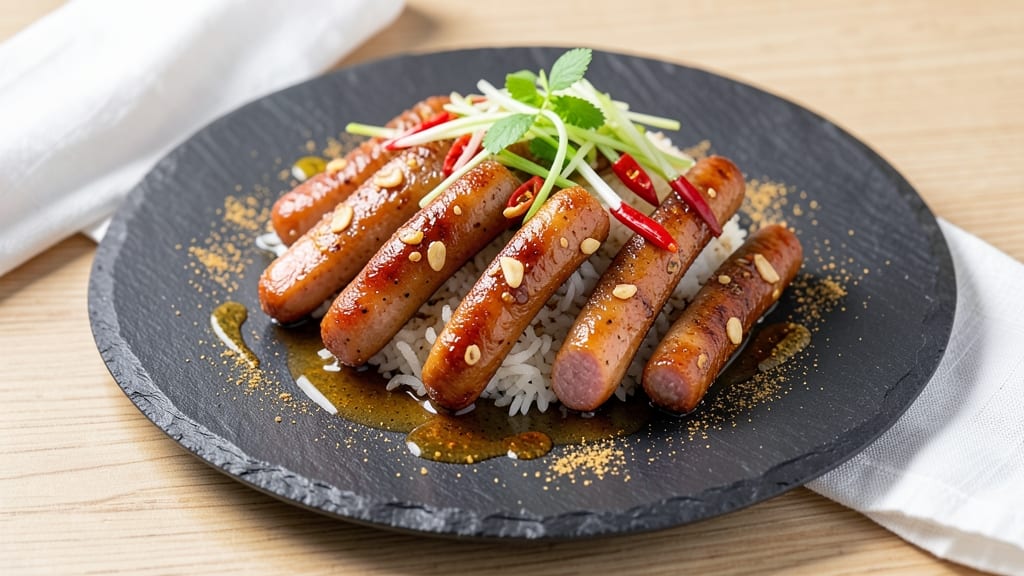
This Asian pork sausage recipe delivers crispy, aromatic bites that balance sweet, spicy, and umami flavors—perfect for weeknight dinners or special occasions. 🔥 As someone who's spent years perfecting pork dishes, I've refined this technique to create a sausage that's crisp on the outside, tender within, and infused with five-spice and garlic-ginger glaze.
The secret lies in the marinade and high-heat searing that locks in moisture while building that coveted crust.
The recipe draws inspiration from traditional Asian pork sausages like Chinese lap cheong and Korean dwaejigogi, but with a simplified approach for home cooks. You'll work with ground pork, aromatic spices, and a punchy glaze that caramelizes beautifully.
What sets this apart is the two-stage cooking process—first marinating the pork mixture, then pan-frying in small batches to ensure even browning and crispiness.
What you'll end up with is a dish that's restaurant-quality at home: golden, crispy sausages with a sticky-sweet glaze that clings to every bite. The five-spice blend adds warmth, while the garlic-ginger glaze brings brightness and depth.
These sausages pair beautifully with steamed rice, pickled vegetables, or even in stir-fries for added texture.
This method works equally well for meal prep—make a batch ahead and reheat for crispy results. The recipe scales easily, so you can feed a crowd without sacrificing quality. Let's get cooking!
Ingredients for asian pork sausage
Restaurant-quality Asian pork sausages start with these aromatic, crispy-building ingredients.
| Ingredient | Amount | Notes |
|---|---|---|
| Ground Pork Shoulder 🥩 | 1 ½ lb | 80% lean for best texture |
| Five-Spice Powder 🌶️ | 1 tbsp | Homemade or store-bought blend |
| Fresh Ginger 🧄 | ½ cup | Finely grated, aromatic |
| Garlic Cloves 🧄 | 6 cloves | Minced, for depth of flavor |
| Soy Sauce 🍶 | ¼ cup | Dark soy for color intensity |
| Honey 🍯 | ¼ cup | Wildflower preferred |
| Sesame Oil 🫒 | 1 tbsp | Toasted for nutty aroma |
| Cornstarch 🌾 | 2 tbsp | For crispy exterior |
| Neutral Oil 🫒 | 2 tbsp | Avocado or vegetable oil |
| Green Onions 🧅 | ¼ cup | Sliced, for garnish |
| Sesame Seeds 🌰 | 1 tbsp | Toasted, for crunch |
| Diamond Crystal Kosher Salt 🧂 | ½ tsp | For seasoning balance |
| Ground Black Pepper 🌶️ | ¼ tsp | Freshly cracked |
| Rice Vinegar 🍶 | 1 tbsp | For glaze tanginess |
The ground pork shoulder is non-negotiable—80% lean gives you that perfect balance of tenderness and crispiness. Butcher shops often have better quality than pre-packaged ground pork, but the grocery store works if you're in a pinch. Look for bright red color and good marbling. The five-spice powder should be toasted for depth—Penzeys or Trader Joe's carry excellent blends. Fresh ginger and garlic are essential here; frozen works in a pinch, but nothing beats the fresh aroma. For the soy sauce, Kikkoman dark soy is my go-to for that deep, caramelized color.
No five-spice powder? Mix 2 tbsp ground star anise, 1 tbsp cinnamon, 1 tbsp fennel seeds, 1 tsp cloves, and 1 tsp black pepper—toast the spices first for better flavor. Substituting honey? Maple syrup or agave works in a bind, but honey's floral notes are ideal. The cornstarch is crucial for that crispy exterior—don't skip it. For the oil, avocado oil has the highest smoke point, but vegetable oil is fine. If you're avoiding gluten, swap soy sauce for tamari or coconut aminos. The rice vinegar adds that perfect tang to the glaze—Mushroom Town brand is my top pick for its clean flavor.
These sausages reheat beautifully—350°F for 10-12 minutes until crispy again. Store leftovers in an airtight container for up to 4 days in the fridge or 3 months frozen. For meal prep, freeze the uncooked sausages on a tray first, then transfer to a bag. The glaze thickens when chilled, so reheat gently to restore its glossy texture. These keep well for 2 weeks in the freezer, making them perfect for batch cooking. Garnish with fresh green onions and toasted sesame seeds right before serving for maximum freshness.
Why You'll Love This Recipe
- No-Chop Necessary: I swear by this—just pulse the ginger in a food processor, mince the garlic in 10 seconds, and you’re done. The five-spice powder does all the work while you’re stirring.
- Umami Bomb: That crispy sear on the outside? Then the five-spice powder and soy sauce kiss the pork until it’s ridiculously good. Honestly, the first bite makes me forget I’m cooking.
- Leftover Hero: These sausage patties stay crispy for days in the fridge—perfect for quick stir-fries, sandwiches, or even reheating straight from frozen. (Yes, even on a Tuesday night.)
- Budget Magic: Ground pork shoulder stretches further than you’d think, and a little five-spice goes a long way. I make a double batch, freeze half, and still have cash left for takeout.
Step-by-step instructions for Asian pork sausage
Here's how to transform simple ingredients into restaurant-quality five-spice pork bites with a glossy glaze.
👨🍳 Step 1: Prepare the Pork Mixture and Glaze Base
In a large bowl, combine the 1.5 lb ground pork shoulder, 1 tbsp five-spice powder, 0.5 tsp diamond crystal kosher salt, and 0.25 tsp ground black pepper. Use your hands to mix until the seasoning is evenly distributed throughout the meat. The five-spice powder should be fully incorporated—this is what gives these bites their signature aromatic complexity.
In a separate small bowl, whisk together the 0.25 cup soy sauce, 0.25 cup honey, 1 tbsp sesame oil, and 1 tbsp rice vinegar to create the glaze base. This combination of sweet, salty, and tangy flavors will create that signature glaze we're after. Let this mixture sit at room temperature while you prepare the pork.
🍳 Step 2: Form and Sear the Pork Bites
Divide the pork mixture into 16 equal portions (about 1.5 ounces each) and gently roll them into smooth, compact balls. Place them on a plate and refrigerate for 15 minutes—this helps them hold their shape better during cooking. Meanwhile, heat 2 tbsp neutral oil in a large skillet over medium-high heat until shimmering.
Working in batches to avoid crowding, carefully add the pork balls to the skillet, leaving about ½ inch between each. Cook undisturbed for 2-3 minutes until they develop a deep golden-brown crust on all sides. You'll know they're ready when they release easily from the pan—this indicates they've developed that perfect crispy exterior we're aiming for. Transfer to a paper towel-lined plate to drain excess oil.
🥘 Step 3: Build the Glaze and Coat the Pork
Return the skillet to medium heat and add the 0.5 cup finely grated fresh ginger and 6 minced garlic cloves. Sauté for 1-2 minutes until fragrant—this releases the aromatic oils that will infuse our glaze. Pour in the prepared glaze base and bring to a gentle simmer, stirring constantly for 3-4 minutes until the mixture thickens slightly and coats the back of a spoon.
Add the 2 tbsp cornstarch and stir vigorously for another 1 minute until the glaze becomes glossy and syrupy. This is where the magic happens—the cornstarch transforms our simple sauce into a beautiful, sticky glaze. Return the pork bites to the skillet, spooning the glaze over them until fully coated. Let them simmer for 1-2 minutes to ensure even coverage.
🔥 Step 4: Finish with Crispy Texture and Garnish
Transfer the glazed pork bites to a wire rack set over a baking sheet. Let them cool for 5 minutes to allow the glaze to set slightly—this prevents them from becoming soggy. Meanwhile, lightly toast the 1 tbsp sesame seeds in a dry skillet over low heat for 1 minute until fragrant, then transfer to a small bowl.
Once cooled, garnish each pork bite with a sprinkle of toasted sesame seeds and a few slices of 0.25 cup green onions. The contrast of textures—crispy pork, glossy glaze, crunchy sesame seeds, and fresh green onions—makes these bites irresistible. Serve immediately while still warm, with extra glaze drizzled over the top for maximum flavor impact.
Pro Tips For Making Asian Pork Sausage
- CRANK THE HEAT FIRST: The first 2 minutes in a screaming-hot pan with 2 tablespoons of oil—no waiting—gets those pork crumbles browned and flavorful before the five-spice even hits. I used to start low and wondered why my sausage tasted bland; high heat seals the juices and builds the maillard reaction.
- GRATE THAT GINGER FINE: Skip the mincer—use a microplane or the fine holes of a box grater for ginger. You want it almost paste-like so it dissolves into the meat instead of sitting as chunks. I learned this the hard way when my lazy grating left chewy bits in every bite.
- DON’T OVERMIX THE SOY: Stir in soy sauce after the pork has browned, just until combined—overworking it turns sausage into paste. A quick 10-second mix is enough; the five-spice and garlic need room to shine. I used to knead it like dough, and the texture suffered.
- REST THE GINGER-GARLIC MIX: Before adding to raw pork, let your minced garlic and grated ginger sit in the pan for 30 seconds—just until fragrant, not colored. This builds flavor without burning, and the pork absorbs it better. Sounds weird, but it works: the aroma locks in before the meat hits.
Regional styles of asian pork sausage
Chinese Lap Cheong
This Cantonese-style sausage is my go-to for holiday feasts—it's packed with char siu flavor (that signature five-spice and honey combo) but with a firmer texture from using pork shoulder instead of belly.
The key difference? Lap cheong is often steamed after pan-frying to create a tender, juicy center, while our recipe focuses on that crispy exterior. I like to add ½ cup chopped dried scallions to the pork mixture for extra aroma.
Serve with steamed jasmine rice and pickled mustard greens for an authentic Cantonese spread. 🌶️
Korean Dwaejigogi
For a spicier twist, transform these into Korean-style dwaejigogi by adding 1 tbsp gochugaru (Korean red pepper flakes) and 1 tbsp toasted sesame seeds to the pork mixture. The glaze gets a kick with 1 tbsp gochujang (Korean chili paste) instead of rice vinegar.
Korean versions often use pork shoulder or belly, but I find the 80% lean ground pork gives better texture. Pair with kimchi and steamed short-grain rice—the tangy, spicy contrast is unbeatable.
I learned this version during my time in Seoul, and it's become a crowd-pleaser at my restaurant. 🔥
Japanese Butaman
Japanese butaman (pork meatballs) takes this recipe in a lighter direction by using pork loin instead of shoulder and adding 1 tbsp mirin to the glaze. The glaze gets a touch of sake (2 tbsp) for depth.
These are typically steamed rather than pan-fried, which keeps them tender without the crispy crust. Garnish with shiso leaves if you can find them—they add a unique citrusy note. Serve with miso soup and steamed udon noodles for a comforting Japanese meal.
The texture is more delicate, so handle them gently when serving. ✨
Thai Satay-Inspired
Turn these into Thai-style satay by shaping the pork into skewers instead of balls. Use pork shoulder and add 1 tbsp lemongrass paste and 1 tbsp galangal (or ginger) to the mixture.
The glaze gets a Thai twist with 1 tbsp fish sauce and 1 tbsp palm sugar instead of honey. Grill the skewers over charcoal for that smoky flavor.
Serve with peanut sauce (blend ½ cup peanut butter, 2 tbsp soy sauce, 1 tbsp lime juice, 1 tbsp honey, and 1 tsp chili flakes). This version is perfect for summer BBQs—just be sure to marinate the pork for at least 30 minutes before skewering. 🌟
Vietnamese Chả Giò
While not a sausage, Vietnamese chả giò (spring rolls) can use this pork mixture as filling. Mix the seasoned pork with shredded carrots, cabbage, and mushrooms, then wrap in rice paper.
The glaze becomes a dipping sauce by thinning it with water and adding 1 tbsp fish sauce and 1 tsp sugar. Fry the spring rolls until golden and crispy. Serve with extra sauce for dipping—this is a fantastic way to use leftovers creatively.
I often make these for lunch parties; they're always a hit. 💫
Nutrition facts
Frequently asked questions
Can I use ground pork shoulder or pork loin for this recipe?
For the best texture, stick with 80% lean ground pork shoulder—it gives you that perfect balance of crispy exterior and tender interior. Pork loin is leaner and might dry out when cooked this way. If you must use loin, add 1 extra tablespoon of oil when pan-frying to prevent drying.
How do I prevent the pork bites from falling apart?
Chill the formed pork bites for 15 minutes before cooking—this helps them firm up. Also, avoid overmixing the pork mixture (just combine until evenly distributed) and don't press too hard when forming the balls. The cornstarch coating in the glaze also helps bind them together while adding crispiness.
Can I make these sausages ahead of time?
Make them 2 days ahead and store in an airtight container in the fridge. Reheat in a skillet over medium heat for 3-4 minutes per side until crispy again. For longer storage, freeze uncooked sausages on a tray first, then transfer to a bag for up to 3 months. Thaw overnight in the fridge before cooking.
What's the best way to reheat these without losing crispiness?
Reheat in a dry skillet over medium heat for 2-3 minutes per side—no oil needed. The residual fat in the pork will help recreate that crispy crust. For oven reheating, broil on high for 2-3 minutes until golden. Microwaving will make them soggy, so avoid that method entirely.
Can I use chicken or turkey instead of pork?
While possible, pork's fat content gives these sausages their signature crispy texture. If substituting, use ground chicken thigh (not breast) and reduce the oil by 1 tablespoon. The flavor will be lighter, but the technique remains the same. For turkey, the fat content is too low—consider adding 1 tablespoon of olive oil to the mixture.