
Main Courses
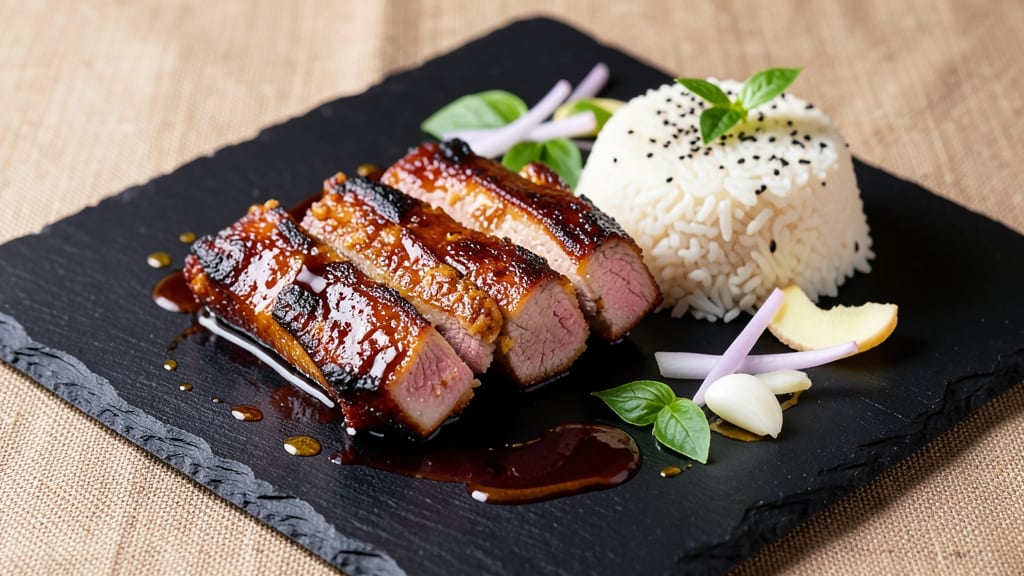
This Asian pork short ribs recipe delivers melt-in-your-mouth tenderness that transforms tough cuts into luxurious bites. 🔥 I developed this method after years of perfecting braising techniques that balance sweet, savory, and umami flavors—just like my grandmother's recipes from Georgia, but with an Asian twist.
The secret lies in slow-cooking the ribs until they practically fall apart, creating a dish that's both comforting and impressive.
What sets this recipe apart is the marinade—a blend of soy sauce, brown sugar, garlic, and ginger—that creates a caramelized crust while keeping the meat incredibly tender. I use a combination of searing and braising to develop deep, complex flavors without requiring hours of active time.
The result is rich, glossy ribs that stay juicy even after reheating, perfect for serving at family gatherings or special occasions.
The cooking process begins with a quick sear to lock in juices, followed by a long, gentle braise that allows the ribs to absorb all those flavorful marinade notes. By the time they're done, you'll have perfectly tender pork with a sticky, caramelized glaze that's impossible to resist.
This method works equally well with bone-in or boneless short ribs, giving you flexibility for different presentations.
Serve these ribs over steamed jasmine rice with quick-pickled vegetables for a complete meal that's both satisfying and balanced. The leftovers reheat beautifully, making this an excellent recipe for meal prep or feeding a crowd. Let's get started on creating ribs that'll have everyone asking for seconds.
Ingredients for asian pork short ribs
Sweet, savory, and sticky—these ingredients transform tough ribs into melt-in-your-mouth perfection.
| Ingredient | Amount | Notes |
|---|---|---|
| Pork Short Ribs 🥩 | 2 lb | Bone-in for best flavor |
| Soy Sauce 🥄 | ½ cup | High-quality, like Kikkoman |
| Brown Sugar 🍯 | ½ cup | Packed, light or dark |
| Garlic Cloves 🧄 | 6 cloves | Minced, fresh preferred |
| Fresh Ginger 🌿 | 2 tbsp | Grated, peeled |
| Honey 🍯 | 2 tbsp | Pure, for balance |
| Sesame Oil 🫒 | 1 tbsp | Toasted, not flavored |
| Red Wine 🍷 | ½ cup | Bold, dry variety |
| Beef Broth 💧 | 1 ½ cups | Low-sodium preferred |
| Cornstarch 🌾 | 1 tbsp | For thickening glaze |
| Jasmine Rice 🍚 | 2 cups | Uncooked, long-grain |
| Green Onions 🧅 | 4 whole | Sliced, for garnish |
| Sesame Seeds 🌰 | 1 tbsp | Toasted, for crunch |
| Vegetable Oil 🫒 | 2 tbsp | High smoke point |
| Salt 🧂 | 1 ½ tsp | Kosher or sea salt |
The ribs are the star, so bone-in, well-marbled short ribs make all the difference. Costco or local butchers usually carry the best cuts—look for good fat distribution. If you can't find bone-in, boneless works too, but bone-in stays juicier during braising. The soy sauce? Kikkoman or Tamari for that authentic umami punch. Fresh ginger and garlic are non-negotiable here—dried just won't cut it. I always grab extra ginger because it's used in so many recipes, and it keeps for weeks in the freezer.
No sesame oil? Toasted peanut oil at half the amount works in a pinch, but it changes the flavor profile. Running low on beef broth? Vegetable broth plus a splash of Worcestershire sauce gets you close. The cornstarch is key for that glossy glaze—don't skip it. For the rice, jasmine rice from Trader Joe's is my go-to because it's consistently fluffy. The green onions can be swapped for regular onions if you're out, but they add that fresh pop that's worth having. If you're feeling fancy, toast your sesame seeds in a dry pan until golden for extra flavor.
Marinate the ribs overnight if you can—they'll thank you. The braising liquid keeps for 3 days in the fridge, so double it if you're feeding a crowd. These ribs reheat beautifully—just warm in the sauce with a splash of water. I always make extra because they're perfect for sandwiches or rice bowls the next day. Store the cooked ribs in their braising liquid to keep them moist. The rice? Cook it fresh or use the microwave—just add a splash of water and cover for 2 minutes.
Why You'll Love This Recipe
- One-Pot Magic: I swear by this—just ribs, sauce, and a sheet pan. No chopping mountains of veggies or juggling pots. The soy and brown sugar caramelize right into the pan while you’re stirring, and honestly? That’s half the battle won.
- Sweet-Savory Bomb: Between us, the garlic-ginger punch in the marinade cuts through the richness of the ribs like a knife. The brown sugar doesn’t just sweeten—it creates this sticky, glossy glaze that makes every bite feel like a hug. (Yes, even on a Tuesday night.)
- Leftover Hero: These ribs taste better the next day. I’ve reheated them in the oven with a splash of water until the sauce clings back on, and they’re still the star of my lunch. Pack them for work or freeze them—no one will guess they’re not fresh off the grill.
- Budget Crowd-Pleaser: Pork short ribs are cheaper than you think, and this recipe stretches them far. Serve with rice for a full meal, or toss the leftover sauce into noodles. My college friends still ask for this one—proof it’s a solid, no-fuss dish that doesn’t break the bank.
Step-by-step instructions for braised Asian pork short ribs
Here's how to transform tough ribs into melt-in-your-mouth perfection with rich, caramelized flavors.
🔥 Step 1: Sear the Ribs for Deep Flavor
Pat the 2 lb pork short ribs completely dry with paper towels—this ensures maximum browning. Heat 2 tablespoons vegetable oil in a heavy Dutch oven over medium-high heat until shimmering. Working in batches if needed, sear the ribs for 3-4 minutes per side until they develop a deep, golden-brown crust.
Don't rush this step—the crust locks in juices and builds the foundation for your sauce. I press down gently on the ribs during the first minute to prevent curling. Once all ribs are browned, transfer them to a plate and set aside.
🍳 Step 2: Build the Aromatic Base
In the same Dutch oven, reduce heat to medium and add 6 cloves minced garlic and 2 tablespoons grated fresh ginger. Sauté for 30 seconds until fragrant—you'll smell that sweet garlic aroma. Be careful not to burn them; they cook fast.
Add 1.5 teaspoons salt and stir for 10 seconds to distribute. Then pour in 0.5 cup soy sauce and 0.5 cup packed brown sugar, scraping up any browned bits from the bottom. Let this mixture bubble gently for 2 minutes until slightly thickened.
Return the seared ribs to the pot, bone-side down. Pour in 0.5 cup red wine and 1.5 cups beef broth, then bring to a gentle simmer. Cover and cook for 1 hour on low heat, turning the ribs occasionally to coat evenly in the sauce. Here's the thing—you want the sauce to reduce and caramelize. If it looks too thin after 45 minutes, uncover and simmer uncovered for 10 minutes to concentrate the flavors. The ribs are done when they're fork-tender with just a slight resistance.
In a small bowl, whisk together 2 tablespoons honey, 1 tablespoon cornstarch, and 1 tablespoon sesame oil until smooth. Pour this mixture over the ribs and stir to combine. Increase heat to medium-high and simmer uncovered for 5-7 minutes until the sauce thickens to a glossy glaze that coats the back of a spoon. Taste and adjust seasoning—you might need a touch more soy sauce for saltiness or honey for sweetness. The sauce should coat the ribs beautifully, with a balance of sweet, salty, and umami flavors. Remove from heat and let the ribs rest for 10 minutes** before serving.
While the ribs rest, cook the 2 cups jasmine rice according to package instructions. Before serving, garnish the ribs with 4 sliced green onions and 1 tablespoon toasted sesame seeds for texture and freshness. Ladle the braised ribs and their rich sauce over the fluffy jasmine rice. Each bite should deliver melt-in-your-mouth tenderness with a perfect balance of sweet, salty, and caramelized flavors. The sauce should cling beautifully to the rice, creating a harmonious dish that's both comforting and impressive.🥘 Step 3: Deglaze and Simmer the Ribs
⏰ Step 4: Finish with Glazed Perfection
🍽️ Step 5: Serve Over Jasmine Rice
Pro Tips For Making Asian Pork Short Ribs
- SEAR THE RIB BONES: Get your pan scorchingly hot before adding the ribs—bone-side down first. I learned this the hard way when my first batch came out greasy instead of caramelized. A 5-minute sear locks in flavor and builds that glossy crust that makes the dish look (and taste) restaurant-worthy.
- PEEL THE GINGER THIN: Skip the knife for the ginger—use a spoon to scrape off just the pale inner layer. Thick slices burn and turn bitter, while this method gives you finely textured, aromatic bits that dissolve into the sauce. (Yes, it looks messy, but it works.)
- DEGLAZE WITH SOY SAUCE: After searing, splash in just enough soy sauce to loosen the browned bits—about ¼ cup—before adding the rest. This step pulls all that meaty flavor into the sauce instead of letting it stick to the pan. (Your future self will notice the difference.)
- BRAISE LOW AND COVERED: Once the ribs hit the liquid, crank the heat to boiling for 2 minutes, then drop to a gentle simmer, cover, and walk away. The ribs need 2–2.5 hours to fall apart, but the sauce won’t turn gluey if you resist the urge to peek. (I know, I know—patience isn’t your strong suit either.)
Best sauces and condiments for these flavors
Sweet-Savory Glaze
My go-to sauce for these ribs is a honey-sesame glaze that balances sweetness with umami depth. Whisk together 2 tablespoons honey, 1 tablespoon cornstarch, and 1 tablespoon toasted sesame oil until smooth.
Simmer this mixture with the braising liquid for 5-7 minutes until it thickens to a glossy finish. The cornstarch creates that signature sticky texture while the sesame oil adds nutty warmth. 🍯
Spicy Chili-Lime Twist
For a bold kick, stir 1 tablespoon chili paste (like Mae Ploy) and 1 tablespoon lime juice into the braising sauce during the final 10 minutes of cooking. This Southeast Asian-inspired variation adds tangy heat that cuts through the richness.
Garnish with thinly sliced Thai basil for an authentic touch. I first tried this at a street food stall in Bangkok and fell in love with the contrast.
Miso-Ginger Reduction
Swap the honey glaze for a white miso reduction by dissolving 2 tablespoons white miso paste in ¼ cup hot beef broth, then whisking it into the braising liquid. Add 1 tablespoon grated ginger and simmer for 15 minutes until thickened.
This Japanese-inspired sauce delivers deep umami without sweetness. Serve with steamed bok choy on the side for a complete meal. 🌿
Garlic-Chili Oil Finish
For a quick finishing touch, heat 2 tablespoons neutral oil with 3 crushed garlic cloves and 1 teaspoon red pepper flakes until fragrant. Drizzle this over the ribs just before serving.
The oil creates a silky sheen while the garlic and chili add layers of flavor. I keep this blend in my pantry for instant elevation on any braised dish.
Pickled Vegetable Pairing
Balance the richness with quick-pickled vegetables—slice 1 cup daikon radish and 1 carrot into matchsticks, then toss with ¼ cup rice vinegar, 1 tablespoon sugar, and ½ teaspoon salt.
Let sit for 30 minutes before serving alongside the ribs. The bright acidity cleanses your palate between bites. I make a big batch to use on multiple dishes all week. 🥬
Sesame Soy Drizzle
For an elegant finish, whisk 2 tablespoons soy sauce, 1 tablespoon toasted sesame oil, and 1 teaspoon honey in a small bowl. Drizzle this over the ribs just before serving for a glossy, savory coating.
The sesame oil adds a toasty aroma that elevates the dish. This is my go-to trick for restaurant-quality plating at home. 🍜
Nutrition facts
Frequently asked questions
How long should I marinate the pork short ribs?
For best results, marinate the ribs for at least 4 hours or overnight in the refrigerator. This allows the flavors to deeply penetrate the meat, ensuring maximum tenderness. The marinade of soy, brown sugar, and aromatics works best with time—don't skip this step if you want that restaurant-quality depth!
Can I use boneless pork short ribs instead of bone-in?
Yes, boneless ribs work perfectly fine! They'll cook slightly faster since there's no bone to conduct heat. Just reduce the braising time by about 15-20 minutes and check for tenderness at 45 minutes. Bone-in ribs stay juicier longer, but boneless gives you more consistent slices for serving. Either way, the flavor will be delicious.
What's the best way to reheat leftovers?
Reheat the ribs in their braising sauce with a splash of water or beef broth to prevent drying. Warm over low heat for 5-10 minutes until heated through—never microwave them directly. The sauce helps keep them moist and tender. These ribs reheat beautifully and taste just as good the second day!
Can I make this recipe in a slow cooker?
Sear the ribs first, then transfer everything to a slow cooker and cook on low for 6-8 hours or high for 3-4 hours. The ribs will become fork-tender without much effort. Just add the honey-cornstarch glaze during the final 30 minutes of cooking. The slow cooker method is perfect for hands-off preparation.
What if my ribs aren't tender enough after braising?
If the ribs still have resistance, continue cooking them uncovered for another 15-20 minutes to let the sauce reduce further. The ribs should pull apart easily with a fork. If they're still tough, try shredding them slightly with two forks to break up any remaining connective tissue. Patience is key—don't rush the process!