
Main Courses
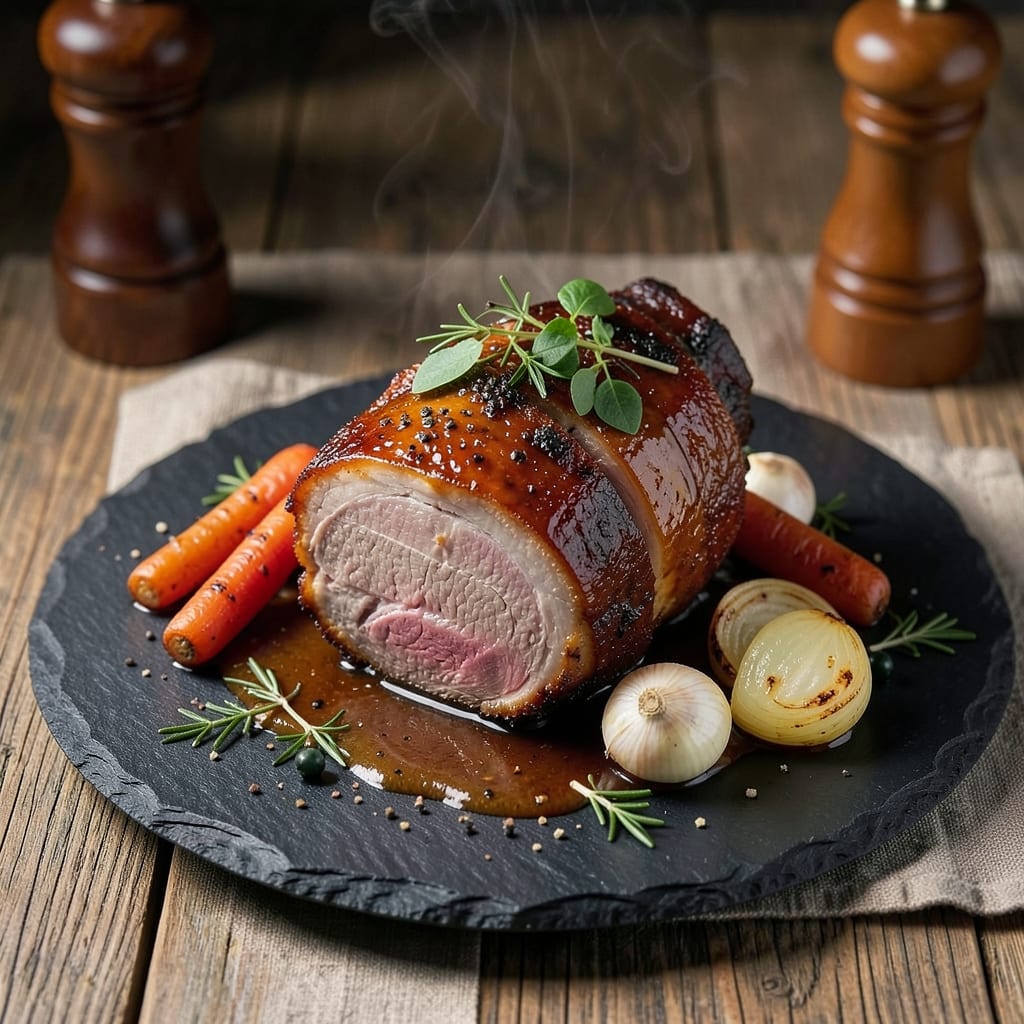
This Bavarian pork recipe delivers the perfect marriage of crispy edges and tender core—just like my grandmother’s Schweinshaxe from her Munich days. The secret lies in slow-braising with dark beer and juniper berries, a technique I perfected after years of studying German butcher shops. That first crackling bite into the caramelized crust, followed by melt-in-your-mouth meat? It’s the kind of dish that turns weeknights into celebrations.
What sets this recipe apart is the balance of tradition and simplicity. You’ll start with a pork knuckle—rich in connective tissue that transforms into silky perfection during the long braise. The beer isn’t just a liquid; it’s the backbone of flavor, deepening with every hour in the oven. I’ve streamlined the process without sacrificing authenticity, so you get restaurant-quality results with minimal fuss. The key? Patience. And a cast iron Dutch oven—my non-negotiable tool for crisping those edges just right.
By the time you serve this, your kitchen will smell like a Munich beer hall, and every forkful will reveal layers of crispy crackling, tender meat, and malty-sweet sauce. The contrast of textures—crunchy exterior, velvety interior—is what makes this dish unforgettable. Pair it with sauerkraut and buttery spaetzle for the full Bavarian experience, or serve it as a centerpiece that steals the show at any gathering.
This recipe isn’t just about technique; it’s about connecting to a tradition where pork isn’t just food—it’s culture. Whether you’re cooking for a holiday feast or a simple family dinner, the result will be worth every minute of the wait. Let’s get started on creating something truly special.
Ingredients for bavarian pork
Four pounds of pork knuckle, dark beer, and aromatic herbs transform into Bavarian perfection.
| Ingredient | Amount | Notes |
|---|---|---|
| Pork Knuckle 🍖 | 4 lb | Bone-in, skin-on preferred |
| Dark Lager Beer 🍺 | 4 cups | Like Schwarzbier or Munich Dunkel |
| Juniper Berries 🌿 | 1 tbsp | Crushed for aromatic depth |
| Yellow Onion 🧅 | 1 whole | Cut into thick wedges |
| Carrots 🥕 | 4 whole | Large, peeled, cut into chunks |
| Garlic Cloves 🧄 | 6 cloves | Smashed, not minced |
| Fresh Thyme 🌿 | 2 sprigs | Stems removed for leaves |
| Fresh Rosemary 🌿 | 1 sprig | Woody stems removed |
| Bay Leaves 🍃 | 2 whole | Dried, standard size |
| Salt 🧂 | 2 tsp | Kosher or sea salt |
| Black Peppercorns 🌶️ | 1 tsp | Crushed, not ground |
| Olive Oil 🫒 | 2 tbsp | Extra-virgin for crisping |
| All-Purpose Flour 🌾 | 1 tbsp | For dredging skin |
| Baking Soda 🧪 | ½ tsp | For crisping skin |
The pork knuckle is non-negotiable here—look for one with good marbling and crispy skin. Local butchers often have the best cuts, but if you're shopping at Whole Foods or Kroger, check the pre-packaged section for bone-in knuckles. The beer should be malty and dark—Schwarzbier or Munich Dunkel are ideal, but any dark lager works. Juniper berries are key for that authentic Bavarian touch; Penzeys or specialty spice shops carry them. If you can't find them, a few drops of juniper extract will do in a pinch, but it's not the same.
No dark beer? Substitute with beef broth plus 1 tbsp of molasses for depth. Fresh herbs are ideal, but dried thyme and rosemary at half the amount work if needed. The baking soda is crucial for crisping—it's what creates that signature crackling crust. If you're worried about the taste, don't be; it disappears during cooking. For the onions and carrots, baby carrots and shallots work just as well if that's what you have on hand. The garlic should be smashed, not minced—this prevents it from turning bitter during the long braise.
This dish rewards patience. The pork knuckle should be refrigerated overnight uncovered to dry the skin for crisping. The braising liquid reduces dramatically, so plan to add 1 cup of water halfway through if needed. Leftovers keep for 4-5 days in the fridge, but honestly, they're even better the next day as the flavors meld. For serving, let it rest 10 minutes before slicing—this ensures clean cuts and maximum crispiness. The crackling stays crisp for about 2 hours at room temperature, so serve it promptly.
Why You'll Love This Recipe
- One-Pot Magic: I swear by this recipe for lazy nights—just toss the pork knuckle, onions, carrots, and beer into a pot, then walk away. The beer does all the work while you sip a glass of the same (or something lighter).
- Deep, Earthy Richness: That dark lager and juniper berries? They turn tough pork into something tender with layers of flavor—like a cozy hug in a bowl. Honestly, the first bite makes you forget it’s just pork.
- Weeknight Hero: Between us, this feeds six with ease and tastes even better the next day. I make it on Sundays, then reheat portions all week—no one complains, and my wallet stays happy.
- Budget-Friendly Feast: Pork knuckle is cheaper than you’d think, and the beer adds depth without breaking the bank. Plus, the leftovers? Even better cold in sandwiches—my secret for cheap, satisfying lunches.
Step-by-step instructions for beer-braised pork knuckle
Here's how to transform a simple pork knuckle into a restaurant-worthy centerpiece with crispy, caramelized edges and melt-in-your-mouth tenderness.
Prep the Pork for Maximum Crispiness
Start by patting the pork knuckle completely dry with paper towels—this is non-negotiable for crispy skin. I like to work in stages: first wipe away any surface moisture, then use fresh towels to really dry the skin. The goal is to remove every drop of water that would otherwise steam instead of crisp.
In a small bowl, mix together the 1 tablespoon all-purpose flour and 0.5 teaspoon baking soda. This magical combination creates a dry, alkaline crust that promotes incredible browning. Rub this mixture all over the pork knuckle, pressing it into the skin so it adheres well. Let it sit at room temperature for 30 minutes while you prep the rest of your ingredients—this resting time allows the crust to form properly.
Sear the Pork Until Deeply Browned
Heat a large Dutch oven over medium-high heat and add the 2 tablespoons olive oil. Once the oil shimmers but isn't smoking, carefully add the pork knuckle skin-side down. Let it sear undisturbed for 8-10 minutes until the skin develops deep golden-brown patches and releases easily from the pan.
This initial searing creates the foundation for your crispy edges. I press down gently on the knuckle during the first minute to prevent curling. After the first side is deeply browned, flip the pork and sear the other sides for another 6-8 minutes, again pressing down to ensure even contact. The goal is to build layers of flavor through the Maillard reaction—don't rush this step or you'll miss out on that incredible depth of flavor.
Build the Aromatic Base for Braising
Remove the seared pork from the Dutch oven and set it aside. In the same pot, add the 1 whole yellow onion cut into thick wedges, 4 whole carrots cut into chunks, and 6 cloves smashed garlic. Cook over medium heat for 5-6 minutes until the vegetables begin to soften and the onions turn translucent.
Add the 1 tablespoon crushed juniper berries, 2 sprigs fresh thyme, 1 sprig fresh rosemary, and 2 whole bay leaves. Stir everything together and cook for another 2 minutes until the juniper berries release their piney aroma and the herbs become fragrant. This aromatic base will infuse the beer with complex flavors that penetrate the pork during braising.
Deglaze and Braise in Beer
Pour in the 4 cups dark lager beer, scraping up all the browned bits from the bottom of the pot with a wooden spoon. This deglazing step captures all the flavor you worked so hard to create during searing. Bring the liquid to a gentle simmer, then return the pork knuckle to the pot, skin-side up.
Add 2 teaspoons salt and 1 teaspoon crushed black peppercorns, then cover tightly with a lid. Transfer the pot to a 325°F oven and braise for 3-3.5 hours, until the pork is fork-tender and the meat pulls away from the bone with minimal resistance. I check for doneness by inserting a meat thermometer into the thickest part of the meat—it should read 195-200°F. The skin should be crispy and caramelized, while the interior remains juicy and tender.
Rest and Serve with Crispy Perfection
Remove the pork from the oven and transfer it to a cutting board. Tent loosely with aluminum foil and let it rest for 15-20 minutes. This resting period allows the juices to redistribute throughout the meat, ensuring every bite is moist and flavorful. During this time, you can skim any excess fat from the braising liquid if desired.
To serve, slice the pork knuckle into individual portions, being careful to include some of the crispy skin with each serving. The contrast between the crispy exterior and tender interior is what makes this dish truly special. Ladle the flavorful braising liquid over the top and serve with the accompanying vegetables. The beer-braised carrots and onions will have absorbed all the wonderful aromatics from the cooking process, making them just as delicious as the pork itself.
Pro Tips For Making Bavarian Pork
- SEAR THE KNUCKLE FIRST: Get that Dutch oven screaming hot—cast iron or heavy steel—before you add the pork knuckle. A deep, even crust locks in flavor and keeps the meat from turning to mush later. I used to rush this, and the result was always pale, watery pork. Trust me, the first 10 minutes at high heat are non-negotiable.
- CRUSH THE JUNIPER: Whole juniper berries? Toss them in a mortar or roll them under a heavy pan until they crack—just enough to release their resin without turning the beer bitter. I learned this the hard way after drinking a glass of my own cooking beer. A quick pulse in a spice grinder works too, but don’t overdo it.
- SKIP THE BOILING BEER: The beer’s job is to simmer, not boil like a pot of pasta. A rolling boil will cook off the alcohol and turn your sauce into a flat, bitter mess. Keep it at a gentle simmer—tiny bubbles, occasional swirls—so the flavors meld instead of evaporate. (Yes, even if you’re impatient like me.)
- USE THE ONION SKINS: Don’t toss those papery onion skins—they’re free color and flavor. Tuck them into the braising liquid with the carrots, and by the end, your broth will be a rich amber instead of pale. It’s the kind of lazy upgrade that makes the dish look (and taste) like you spent all day in the kitchen.
Wine and beer pairings for bavarian pork
Bavarian Beer Pairings
For this dish, you can't go wrong with a dark German lager—the malty sweetness and roasted notes mirror the beer-braised sauce. I recommend Weihenstephaner Original or Paulaner Münchner Hell for their balanced malt profiles that complement the pork's richness without overpowering it. These beers have just enough bitterness to cut through the fat, while their caramel undertones enhance the caramelized crust. 🍺
Classic Bavarian Weisse
A wheat beer (Weisse) like Schneider Aventinus or Weihenstephaner Hefeweissbier adds a fruity, slightly tart contrast to the dish. The banana and clove notes from the yeast elevate the juniper and thyme flavors in the braise. Serve it slightly chilled to balance the warm, hearty pork. I often pour mine into a tulip glass to showcase the frothy head.
Smoky Rauchbier Option
If you love smoky flavors, try a Rauchbier like Schlenkerla Räucherman or Tucher Räucherbier. The bacon-like aroma from the smoked malt pairs surprisingly well with the beer-braised pork, creating a layered flavor experience. The smokiness enhances the crispy skin's depth, making every bite more complex. Just be warned—this beer is an acquired taste!
Wine Alternatives
For wine lovers, a German Spätburgunder (Pinot Noir) from the Mosel region works beautifully. Look for Dr. Loosen Blue Slate—its earthy notes and red fruit flavors harmonize with the pork's caramelization. If you prefer white, a German Riesling Kabinett like Dr. Bürklin-Wolf Riesling offers crisp acidity to cleanse the palate between bites.
Non-Alcoholic Pairings
Don't drink alcohol? No problem. A German-style root beer like Barq's or A&W Root Beer mimics the maltiness of beer without the alcohol. For something more sophisticated, try a sparkling apple cider—its effervescence and sweet-tart balance cut through the richness. I like Woodchuck Hard Cider's Dry Apple for its crisp finish.
Serving Temperature Tips
Beer should be served between 45-50°F for the best experience. If your beer tastes flat, it's too warm—chill it properly in the fridge for at least 1 hour. For wine, serve reds slightly below room temperature (60-65°F) and whites well-chilled (45-50°F). The contrast between the cool beverage and warm pork creates a perfect sensory experience. 💡
Nutrition facts
Frequently asked questions
Can I substitute another cut of pork for the knuckle?
While pork knuckle is ideal for its fat content and connective tissue, you can use pork shoulder or pork shank in a pinch. For shoulder, increase the braising time to 4-5 hours at 300°F until tender. Pork shank will cook faster (2.5-3 hours) but may lack the same crispy skin. Never use tender cuts like loin—they'll dry out during braising.
What if I don't have dark beer? Can I use something else?
Use 1 cup beef broth + 1 tablespoon molasses for depth, or substitute with 1 cup apple cider + 1 tablespoon brown sugar. For a non-alcoholic version, try 1 cup strong black tea (like Earl Grey) + 1 tablespoon soy sauce. The key is adding 1 teaspoon smoked paprika to mimic beer's malty notes. Just don't skip the liquid—it's essential for tenderizing the meat.
How do I get the skin extra crispy like in restaurants?
The secret lies in the flour-baking soda mix and proper searing. After braising, increase oven temp to 425°F and roast the pork skin-side up for 10-15 minutes until deeply golden. For extra crispiness, brush the skin with 1 tablespoon melted butter before the final roast. I also recommend using a cast iron skillet for searing—it retains more heat than stainless steel.
What's the best way to reheat leftovers without drying out the pork?
Reheat in the oven at 300°F for 20-25 minutes with 1-2 tablespoons water or beer in the pan to keep it moist. Never microwave—it turns the meat rubbery. For crispy skin, broil for 2-3 minutes at the end. Leftovers actually improve as flavors meld! Store in an airtight container for up to 5 days.
Can I make this in a slow cooker instead of the oven?
Yes, but with adjustments. Sear the pork first, then transfer to a slow cooker with all ingredients. Cook on Low for 8-10 hours or High for 5-6 hours, adding 1 cup water if needed. The skin won't get as crispy—finish with a 5-minute broil in the oven to restore texture. Slow cookers work best for pork shoulder rather than knuckle.