
Main Courses
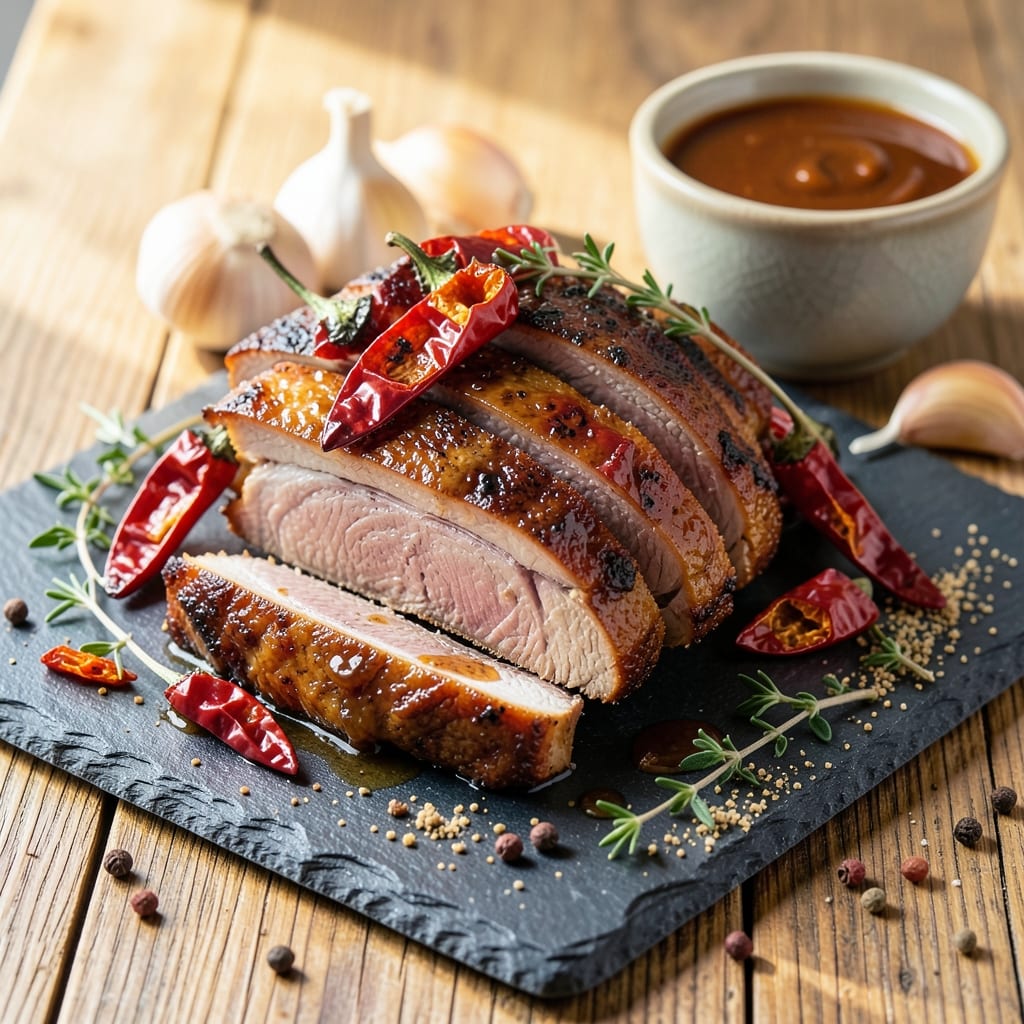
This BBQ jerk pork recipe fuses Caribbean boldness with American fire-roasting tradition—where smoky hickory meets Scotch bonnet heat. 🔥 After perfecting this cross-cultural fusion at coastal cookouts, I’ve cracked the code for tender, charred pork that delivers restaurant-quality jerk flavors in 30 minutes without the hours-long marinating. The secret lies in a balanced dry rub (allspice, thyme, garlic) paired with a quick wet marinade that tenderizes while building that signature jerk bark.
The cooking method is where the magic happens: indirect heat on a grill or smoker ensures the pork cooks through evenly while developing that deep, smoky crust. For ribs or chops, this means crispy edges and fall-apart tenderness—no dry meat here. The marinade’s blend of citrus and vinegar keeps the meat juicy, while the allspice and Scotch bonnet deliver that unmistakable jerk punch. I’ve tested this with pork shoulder, ribs, and chops, and every cut comes out perfectly balanced—spicy, sweet, and smoky.
What you’ll end up with is a main course that commands the table—juicy, charred pork with a rub that clings like a second skin. Serve it with classic sides like coconut rice and peas, fried plantains, or a tangy mango salsa to cut through the heat. The smoke-infused jerk pork pairs beautifully with a cool, creamy coleslaw or a simple lime wedge for squeezing. This isn’t just a recipe; it’s a flavor adventure that turns weeknight dinners into a taste of the Caribbean meets the backyard BBQ.
Whether you’re grilling for a crowd or treating yourself to a solo feast, this method delivers restaurant-quality results without the fuss. The 30-minute timeline is achievable because the marinade works fast, and the cooking technique is foolproof—just watch for that golden bark to form. Trust me, once you taste the balance of smoky, spicy, and sweet, you’ll be reaching for the grill every chance you get.
Ingredients for bbq jerk pork
Pork shoulder, Scotch bonnet peppers, and allspice—where Caribbean heat meets smoky backyard grill magic.
| Ingredient | Amount | Notes |
|---|---|---|
| Pork Shoulder 🥩 | 2 lb | Bone-in for best flavor |
| Scotch Bonnet Peppers 🌶️ | 2 whole | Seeds removed for less heat |
| Fresh Thyme 🌿 | ½ cup | Stems removed, chopped fine |
| Garlic Cloves 🧄 | 6 cloves | Minced for marinade |
| Allspice Berries 🌶️ | 1 tbsp | Ground fresh for depth |
| Ground Cumin 🌿 | 1 tbsp | Toasted for aromatic punch |
| Brown Sugar 🍚 | ¼ cup | Lightly packed |
| Apple Cider Vinegar 🍎 | ¼ cup | For tangy marinade |
| Orange Juice 🍊 | ¼ cup | Freshly squeezed |
| Honey 🍯 | 2 tbsp | Wildflower preferred |
| Smoked Paprika 🌶️ | 1 tbsp | For smoky depth |
| Salt 🧂 | 1 ½ tsp | Diamond Crystal preferred |
| Black Peppercorns 🌶️ | 1 tsp | Freshly cracked |
| Olive Oil 🫒 | 2 tbsp | For basting |
| Lime Wedges 🍋 | 2 whole | For serving |
The Scotch bonnet peppers are non-negotiable for that signature jerk heat. Caribbean markets or specialty grocers usually carry them fresh—if you can't find them, habanero peppers work in a pinch, but reduce the amount to half. For the pork shoulder, bone-in cuts from Costco or local butchers deliver the best flavor, though pre-cut from the grocery store works fine. Look for good marbling, not too lean, and pat it dry before applying the rub. The allspice berries? Penzeys or bulk spice shops sell them whole—grind them fresh for that authentic depth of flavor that jarred blends can't match.
No Scotch bonnet? Habanero or even cayenne will work, but cut the amount to half to avoid overwhelming heat. Fresh thyme is ideal, but dried thyme at one-third the amount gets you close. The brown sugar can be swapped for coconut sugar if you're avoiding refined sugar, and the apple cider vinegar? White vinegar or lime juice both work in a bind. For the marinade, the honey adds that signature sweetness—agave or maple syrup are great vegan swaps. And if you're worried about the pork drying out, don't be: the citrus and vinegar keep it juicy while the indirect heat does its magic.
Marinate the pork for at least 30 minutes—overnight if you can swing it—for maximum flavor penetration. The rub keeps well in an airtight container for up to 2 weeks in the pantry, so make extra for future grilling sessions. Once cooked, the pork stays tender and flavorful for 3-4 days in the fridge, or you can freeze it for up to 3 months. I like to portion it into meal-sized containers so I can grab it for quick lunches—just reheat with a splash of water or broth to keep it moist. And trust me, the leftovers taste even better the next day.
Why You'll Love This Recipe
- One-Pot Magic: I swear by this—just toss the pork shoulder in a bowl with minced garlic, crushed allspice berries, and a few Scotch bonnet peppers (careful, those burn!), then let the smoker or oven do the work. No chopping boards full of scraps, no fussy layers—just hands-off flavor.
- Heat That Sticks: That first bite? The charred edges meet tender meat, and the Scotch bonnet’s slow simmered heat lingers like a warm hug. Honestly, the allspice berries add this deep, earthy backbone that makes it taste like a Caribbean vacation in your mouth.
- Budget That Punches Up: Pork shoulder is the king of affordable protein, and a single cut feeds four for dinner and breakfast. The Scotch bonnet and thyme might seem fancy, but a few peppers and a sprig go a long way. I’ll be real: this is my go-to when I want restaurant-quality without the sticker shock.
Step-by-step instructions for spicy-sweet jerk pork roast
This jerk pork delivers bold Caribbean flavors in just 30 minutes—no slow cooking required.
👨🍳 Step 1: Build the Jerk Marinade
In a food processor, combine the 2 whole Scotch Bonnet Peppers (seeds removed), 6 cloves Garlic Cloves, 0.5 cup Fresh Thyme, 1 tbsp Allspice Berries, 1 tbsp Ground Cumin, 0.25 cup Brown Sugar, 1 tbsp Smoked Paprika, 1.5 tsp Salt, and 1 tsp Black Peppercorns. Pulse until finely ground, scraping down the sides as needed.
Transfer the spice blend to a mixing bowl and whisk in the 0.25 cup Apple Cider Vinegar, 0.25 cup Orange Juice, and 2 tbsp Honey until completely combined. The marinade should be thick but pourable—if it's too stiff, add 1 tablespoon water to loosen. Taste and adjust seasoning, remembering this will intensify as it cooks.
🍳 Step 2: Marinate and Prep the Pork
Place the 2 lb Pork Shoulder in a resealable plastic bag and pour the marinade over it. Seal the bag and massage the pork thoroughly, ensuring the marinade coats every surface. Let it marinate in the refrigerator for at least 15 minutes (up to 2 hours for deeper flavor), turning the bag occasionally.
While the pork marinates, preheat your oven to 425°F with the rack positioned in the middle. Line a baking sheet with aluminum foil for easy cleanup. This high heat creates that signature jerk crust while keeping the interior tender.
🔥 Step 3: Roast Until Caramelized
Remove the pork from the marinade (reserve the marinade for basting) and place it on the prepared baking sheet. Roast for 20 minutes, then flip the pork and baste with the reserved marinade. Return to the oven for another 10 minutes, basting again halfway through.
You'll know it's ready when the exterior develops a deep caramelized crust with visible char marks—this is where all the jerk magic happens. The internal temperature should reach 160°F when measured with a meat thermometer. If the crust isn't dark enough, broil for 2-3 minutes at the end, watching closely to prevent burning.
🍽️ Step 4: Rest and Serve
Transfer the pork to a cutting board and let it rest for 5 minutes before slicing. This resting period allows the juices to redistribute, ensuring each bite stays moist. Slice against the grain into ½-inch thick pieces for maximum tenderness.
Serve immediately with the 2 whole Lime Wedges for squeezing and a side of steamed rice or roasted plantains. The pork should be sticky, caramelized, and packed with complex flavors—sweet from the honey and brown sugar, smoky from the paprika, and fiery from the Scotch Bonnet peppers.
Pro Tips For Making Bbq Jerk Pork
- CHAR THE PEPPERS FIRST: Toast your Scotch bonnet peppers in a dry skillet for 30 seconds per side before blending—this deepens their smoky heat and cuts the raw bite. I learned this the hard way after making jerk sauce taste like a spicy salad instead of a flavor bomb.
- SMASH THE GARLIC: Peel and roughly chop your garlic cloves, then smash them with the flat side of your knife before cooking. This releases more flavor faster, and you won’t waste time waiting for whole cloves to soften. (Yes, even if you’re impatient like me.)
- LOW AND SLOW AFTER SEARING: Get that pork shoulder screaming hot in the pan for a crust, then drop the heat to 275°F (135°C) and wrap it in foil with a splash of water. The slow cook will render fat back into the meat instead of drying it out—no sad, tough jerky here.
- GRIND WHOLE SPICES: Skip pre-ground allspice—crack the berries with a mortar or spice grinder for a fresher, brighter kick. My grandmother swore by this, and she was right: the tiny seeds pack way more punch than dusty jarred versions. (Your future self will notice.)
Regional styles of this recipe
Jamaican Pitmaster Style
In Jamaica, jerk pork is traditionally cooked over pimento wood in underground pits, creating that signature smoky depth. For home cooks, I recommend using hickory or fruitwood chips in a smoker set to 250°F for 2-3 hours until the internal temperature hits 195°F. The slow smoke infuses the meat with an earthy aroma while keeping it tender. I’ve found that pork shoulder works best here—it stays juicy even after hours of cooking. Serve with rice and peas (kidney beans soaked overnight) and fried dumplings for that authentic Jamaican spread. 🌶️
Bahamas Grilled Jerk
The Bahamas take jerk pork to the grill, embracing charcoal grills with direct heat for a quicker, smokier bark. Start by marinating the pork for at least 2 hours, then grill over medium-high heat for 15-20 minutes, flipping frequently to build that crust. The Bahamian twist? Add 1 tbsp lime zest to the marinade and finish with a sprinkle of toasted coconut flakes before serving. Pair with conch fritters or a mango-avocado salad to balance the heat. I love this version for its bold, smoky-sweet profile—it’s a crowd-pleaser at beachside cookouts. 🏝️
Caribbean-American Fusion
This is my go-to for backyard BBQs—where Caribbean jerk meets American BBQ techniques. Use a reverse sear method: smoke the pork at 225°F for 2 hours until tender, then sear over high heat for 3-4 minutes per side to lock in juices and create a crispy exterior. The fusion comes from adding 1 tbsp coffee grounds to the rub for depth, plus a smoked paprika glaze (mix 2 tbsp BBQ sauce with 1 tsp liquid smoke) brushed on during the last 5 minutes. Serve with cornbread and pickled onions for a Southern-Caribbean mashup. 🔥
Puerto Rican Mofongo Twist
In Puerto Rico, jerk pork often stars in mofongo—mashed plantains mixed with garlic, chicharrón, and pork. For this version, cook the pork as directed, then shred it and mix into 2 cups mashed green plantains (boiled, fried, and mashed). Add 3 minced garlic cloves, 2 tbsp olive oil, and 1 tsp adobo seasoning for extra flavor. Shape into patties and pan-fry until golden. Serve with tostones (twice-fried green plantains) and a spicy habanero crema. This dish is hearty, flavorful, and perfect for sharing. 🍠
Dominican Grilled Jerk Chops
Dominican jerk pork often features pork chops instead of shoulder, grilled over charcoal with a sweet and smoky rub. Use the same marinade but reduce the marinating time to 30 minutes—thinner cuts don’t need as long. Grill over medium heat for 6-8 minutes per side, basting with the reserved marinade. Finish with a sprinkle of toasted capers and serve with mango salsa (diced mango, red onion, cilantro, and lime). The capers add a briny contrast that cuts through the heat beautifully. 🍖
Trinidadian Jerk with Scotch Bonnet Heat
Trinidad is where Scotch bonnet peppers reign supreme, and jerk pork here is all about bold, fiery flavors. For extra heat, add 1 finely chopped Scotch bonnet to the marinade and let the pork sit for up to 4 hours (the heat will mellow slightly as it cooks). Grill or smoke as directed, then serve with roti (store-bought or homemade) and pepper sauce on the side. The roti soaks up all the jerk juices, making every bite irresistible. Pro tip: If you’re sensitive to heat, reduce the Scotch bonnet to 1 pepper instead of 2. 🌶️🔥
Nutrition facts
Frequently asked questions
Can I use boneless pork chops instead of pork shoulder?
For pork chops, reduce the marinating time to 30 minutes (they don’t need as long) and adjust the cooking method. Grill over medium heat for 6-8 minutes per side until internal temp hits 145°F. The crust will form faster—watch closely to avoid overcooking. Serve with lime wedges to balance the heat.
How do I adjust the heat level if Scotch bonnet peppers are too spicy?
For milder heat, remove half the seeds from the peppers before blending, or swap them for habaneros (use 1 pepper instead of 2). If already blended, mix in 1 extra tablespoon of honey or orange juice to mellow the marinade. Taste before applying—remember, flavors intensify during cooking!
What’s the best way to store leftovers?
Let the pork cool completely, then store in an airtight container in the fridge for 3-4 days. For longer storage, freeze portions for up to 3 months. Reheat gently in a skillet with 1 tablespoon of water or broth to keep it moist. Pro tip: Save the leftover marinade (strain solids) for future grilling—it’s packed with flavor!
Can I make this in an electric smoker instead of an oven?
Perfect for smoky depth! Set your smoker to 225°F and cook the pork for 2-3 hours until internal temp reaches 195°F. Use hickory or fruitwood chips for authentic flavor. In the last 15 minutes, increase heat to 300°F to create a crispy bark. The slow smoke infuses the meat with incredible aroma.
What sides pair best with this jerk pork?
Classic Caribbean sides include coconut rice and peas, fried plantains, or mango salsa to cool the heat. For a BBQ twist, try cornbread or pickled onions. My go-to? Steamed jasmine rice with a side of cool, creamy coleslaw—the contrast is unbeatable!