
Main Courses
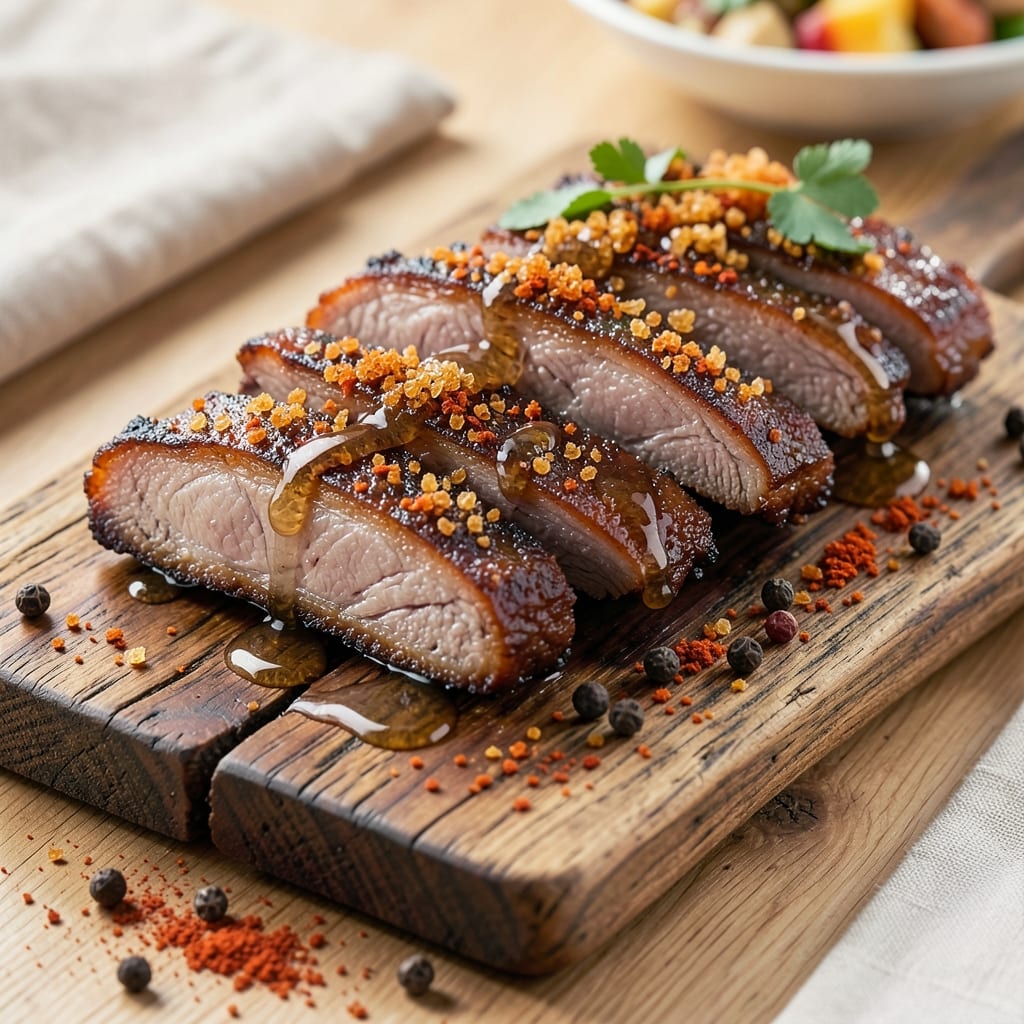
This BBQ pork jerky recipe delivers restaurant-quality, smoky-sweet protein that's perfect for snacking, camping, or meal prep. 🔥 After years of perfecting my pitmaster techniques, I've developed a method that ensures tender, flavorful jerky every time—no guesswork required. The secret lies in a precise blend of spices and the right curing process, which transforms tough pork into irresistible, bite-sized perfection.
What sets this recipe apart is the balance of smoky, sweet, and savory flavors that develop during the slow cooking process. I use a dry rub with brown sugar, smoked paprika, and a touch of cayenne for depth, then cure the meat for 24 hours to ensure safety and maximum flavor absorption. Whether you're smoking it low and slow or dehydrating for convenience, the result is consistently tender jerky with a satisfying chew.
The process is straightforward but requires patience—8 hours of smoking at 165°F or 6-8 hours in a dehydrator at 160°F—but the reward is worth it. Your kitchen (or campsite) will smell amazing, and the jerky will stay fresh for weeks when stored properly. This isn't just a snack; it's a versatile protein that elevates any meal or satisfies cravings on the go.
Once you try homemade jerky, you'll never go back to store-bought. The texture is perfectly tender yet chewy, and the flavor is a harmonious blend of smoky, sweet, and spicy notes that keep you reaching for more. Let's get started on making your own batch—your taste buds (and future self) will thank you.
Ingredients for bbq pork jerky
Lean pork shoulder and a smoky-sweet spice blend transform into restaurant-quality jerky with perfect chew.
| Ingredient | Amount | Notes |
|---|---|---|
| Lean Pork Shoulder 🥩 | 2 lb | Fat trimmed to 1/4-inch thickness |
| Brown Sugar 🍯 | ½ cup | Light or dark variety |
| Smoked Paprika 🌶️ | 2 tbsp | High-quality for smoky depth |
| Granulated Garlic Powder 🧄 | 1 tbsp | Freshly ground preferred |
| Ground Black Pepper 🌶️ | 1 tbsp | Freshly cracked for heat |
| Cayenne Pepper 🔥 | 1 tsp | Adjust for spice preference |
| Kosher Salt 🧂 | 1 ½ tbsp | Diamond Crystal preferred |
| Worcestershire Sauce 🍶 | 2 tbsp | Vegan version if needed |
| Apple Cider Vinegar 🍎 | ¼ cup | For tenderizing |
| Sodium Nitrite Cure #1 🧪 | ½ tsp | For safety and color |
| Ground Mustard 🌿 | 1 tsp | Dry, for binding |
| Honey 🍯 | 2 tbsp | For sweetness and gloss |
| Onion Powder 🧅 | 1 tsp | For savory depth |
The pork shoulder is non-negotiable here—look for lean cuts with good marbling, but trim any thick fat to keep it tender. Costco or butcher shops often have pre-cut pork shoulder at great prices, but if you're buying a whole shoulder, ask for the leanest cut possible. Trim the fat to about 1/4-inch thickness before slicing—this ensures even cooking and prevents greasiness. For the spices, Penzeys or bulk bins at Whole Foods are your best bets for quality, but the grocery store will work in a pinch. Just make sure your smoked paprika is labeled 'smoked'—regular paprika won't give you that authentic BBQ flavor.
No smoked paprika? Substitute with 1 tbsp regular paprika plus 1 tsp liquid smoke, but it won't be quite the same. Short on Worcestershire? Use 1 tbsp soy sauce plus 1 tsp vinegar—it's not identical, but it'll get you close. The cure #1 is critical for safety and that classic pink color, but if you're avoiding nitrates, celery powder juice is a natural alternative (though the color will be different). For the vinegar, apple cider vinegar adds subtle sweetness, but white vinegar works just as well if that's what you have. The honey can be swapped for maple syrup or agave if you're avoiding it, but it's worth using for that caramelized finish during smoking.
Slice the pork against the grain into 1/4-inch thick strips—this is the secret to that perfect chewy texture. Cure the meat for 24 hours in the fridge before cooking, and don't skip this step—it's non-negotiable for both safety and flavor absorption. The finished jerky keeps for 2-3 weeks in an airtight container in the fridge or 6 months in the freezer. For smoking, use fruitwood or hickory for that classic BBQ aroma, and keep the temperature steady at 165°F. If you're dehydrating, 160°F for 6-8 hours works perfectly—just rotate the trays halfway through for even drying.
Why You'll Love This Recipe
- Minimal Prep, Big Payoff: I swear by this recipe because it’s the kind of thing you can throw together while scrolling through your phone. Thin slices of pork shoulder, a quick rub of brown sugar and smoked paprika—no fancy techniques, just a sheet pan and oven time.
- Sweet-Smoky Magic: That caramelized brown sugar crust? It’s the star. The smoked paprika gives it this deep, smoky warmth, while the garlic powder sneaks in a little punch. Honestly, the first bite makes me forget it’s jerky—I just want more.
- Snack Attack Ready: Between us, this is my go-to for movie nights, road trips, or when I’m craving something salty but don’t want to cook. It’s dry enough to last days in the fridge, but still tender enough to eat straight off the bone.
- Budget-Friendly Protein: A pound of pork shoulder stretches forever, and the spices? Basic pantry stuff. I make a batch every few weeks, and it’s always the first thing to disappear. Plus, no fancy equipment—just a knife and an oven.
Step-by-step instructions for smoky-sweet BBQ pork jerky
Here's the method I've perfected for jerky that's sweet, smoky, and packed with that perfect BBQ flavor.
🔪 Step 1: Prep and Cure the Pork Shoulder
First, trim the fat from the 2 lb lean pork shoulder down to ¼-inch thickness using a sharp knife. This ensures even cooking and prevents greasy jerky. Cut the meat into ¼-inch thick slices against the grain for maximum tenderness.
In a large bowl, combine the 0.5 cup brown sugar, 2 tbsp smoked paprika, 1 tbsp granulated garlic powder, 1 tbsp ground black pepper, 1 tsp cayenne pepper, 1.5 tbsp kosher salt, 2 tbsp Worcestershire sauce, 0.25 cup apple cider vinegar, 0.5 tsp sodium nitrite cure #1, 1 tsp ground mustard, 2 tbsp honey, and 1 tsp onion powder. Mix until the dry ingredients are fully incorporated and the wet ingredients create a thick paste.
Coat each slice of pork thoroughly with the mixture, pressing it into the meat so it adheres well. Place the coated slices in a single layer on a wire rack set over a baking sheet. Cover and refrigerate for 12-24 hours to allow the cure to penetrate deeply. This step is crucial for flavor and food safety.
🍳 Step 2: Preheat and Smoke the Jerky
Preheat your smoker to 165°F using hickory or apple wood chips. This low temperature ensures the jerky cooks slowly and evenly without drying out. Place the cured pork slices on the smoker racks, leaving ½-inch space between each piece for proper air circulation.
Smoke the jerky for 4-6 hours, checking occasionally to ensure the wood chips are producing clean, blue smoke. The jerky is ready when it reaches an internal temperature of 160°F and feels firm to the touch. You'll notice the edges starting to crisp slightly—that's your signal it's nearly done.
Real talk: Don't rush this step. The low-and-slow approach is what creates that perfect balance of smoky flavor and tender texture. If the jerky starts to dry out too quickly, you can tent it loosely with foil for the last 30 minutes of cooking.
⏰ Step 3: Finish and Rest for Maximum Flavor
Once the jerky reaches 160°F internally, remove it from the smoker and let it rest on a clean wire rack for 1 hour. This resting period allows the flavors to meld and the jerky to firm up slightly. The longer it rests, the more concentrated the flavors become.
Here's where it gets fun—transfer the cooled jerky to a food dehydrator or oven set to 140°F for 1-2 hours to remove any remaining moisture. This final step ensures your jerky stays shelf-stable and maintains that perfect chewy texture. If you don't have a dehydrator, you can use your oven on its lowest setting with the door slightly ajar for ventilation.
Once completely dry, store your jerky in an airtight container in the refrigerator for up to 2 weeks or freeze for up to 6 months. The flavors will continue to develop over time, making it even more delicious as it ages.
Pro Tips For Making Bbq Pork Jerky
- Trim Thin, Not Shredded: Pork shoulder jerky needs to be sliced paper-thin—about ⅛-inch or less—otherwise it’ll dry out unevenly or take forever to cook. I used to rush this with a knife, but a sharp slicing wheel or deli cutter makes it effortless (and safer). No thin slice? No crispy jerky. ---
- Brown Sugar First: Mix the brown sugar dry with the smoked paprika and garlic powder before adding the meat—this helps the sugar cling instead of turning into a sticky mess. Wet ingredients later, or you’ll end up scrubbing your bowl. (Yes, I learned this after a sticky disaster.) ---
- Skip the Crowding: If you’re dehydrating, space the slices at least ½-inch apart on the trays—otherwise, they’ll steam instead of crisp up. I crammed them once, and they came out gummy. Trust me, the extra 5 minutes rearranging saves you from sad jerky. ---
- Start Hot, Then Slow: Kick the dehydrator or oven to 160°F (71°C) for the first hour to kill bacteria fast, then drop to 145°F (63°C) for the rest—this prevents a rubbery texture. (Oven users: prop the door open slightly if it’s not a true dehydrator.) Patience here = chewy perfection.
Serving suggestions for leftovers
Snacking Made Easy
Keep a resealable plastic bag or airtight container of jerky in your car, gym bag, or desk drawer for instant energy. I always have a stash in my motorcycle saddlebag for those long coastal rides—it’s perfect for fueling up between stops. The smoky-sweet flavor satisfies cravings without weighing you down, making it ideal for on-the-go snacking. 🥩
Meal Prep Powerhouse
Add your homemade jerky to salads for a protein boost—toss it with mixed greens, cherry tomatoes, and a balsamic vinaigrette. I also love wrapping it around cheese cubes or pickles to create mini BBQ sliders. For a hearty lunch, pair it with whole-grain crackers and a side of spicy mustard for dipping. The possibilities are endless!
Camping Essentials
Pack jerky in vacuum-sealed bags for your next camping trip—it’s lightweight, non-perishable, and pairs perfectly with trail mix or beer by the campfire. I swear by it during my coastal foraging trips, where fresh ingredients are hard to come by. The smoky flavor even enhances grilled veggies or hot dogs over an open flame. 🔥
Gift-Worthy Treats
Present your jerky in small mason jars or cellophane bags tied with twine for a thoughtful homemade gift. I’ve given these to friends during BBQ competitions, and they always rave about the smoky-sweet flavor. Add a custom label with the recipe and a note about your favorite smoking technique—it’s a gift that keeps on giving! 🎁
Breakfast Boost
Start your day with a BBQ jerky scramble—crumble it into eggs with cheddar cheese and sautéed onions for a savory twist. I also love sprinkling it over avocado toast or mixing it into breakfast burritos for an extra protein kick. The smoky notes wake up your taste buds in the best way possible.
Party and Game Day
Set out a jerky bar with different flavors (like adding honey mustard or chipotle variations) for game day or tailgating. I’ve hosted parties where guests can customize their own jerky bites with toppings like hot sauce or blue cheese crumbles. It’s a crowd-pleaser that keeps everyone coming back for more! 🏈
Nutrition facts
Frequently asked questions about BBQ pork jerky
Can I use beef instead of pork for this recipe?
While you can make beef jerky with similar methods, pork works best here because of its leaner texture and how it absorbs flavors during the curing process. Beef requires longer curing times (48+ hours) and different seasoning ratios—this recipe is specifically balanced for pork's unique properties. If you're set on beef, reduce the cure time to 24 hours and add an extra 1 tsp of salt to the mix.
How do I know when my jerky is fully cooked and safe to eat?
Your jerky is safe when it reaches an internal temperature of 160°F and has a firm, dry texture. Use a meat thermometer to check—insert it into the thickest part of a slice. The edges should be slightly crispy, and it should bend but not feel rubbery. If it's still moist after smoking, finish it in a dehydrator at 140°F for 1-2 hours to ensure food safety.
What's the best way to store homemade jerky for maximum freshness?
Store your jerky in an airtight container in the fridge for up to 2 weeks or freeze for 6 months in vacuum-sealed bags. For longer storage, wrap individual pieces in parchment paper before placing them in the container—this prevents moisture buildup. The flavors actually improve over time, so don't worry about eating it all at once!
Can I make this jerky without a smoker?
Use an oven set to 165°F with the door slightly ajar for ventilation, or try a dehydrator at 160°F for 6-8 hours. For extra smoky flavor, add 1 tsp liquid smoke to the cure mixture. The key is maintaining low heat and proper airflow—just rotate the trays halfway through to ensure even drying.
Why did my jerky turn out too chewy or tough?
Overly chewy jerky usually means it wasn't sliced thin enough (aim for ¼-inch strips) or didn't dry completely. For tough jerky, check your curing time—it needs 24 hours minimum. Also, ensure your meat was properly rested after cooking. If using a dehydrator, increase the time by 1-2 hours or raise the temperature to 170°F for the last 30 minutes.