
Sauces & Condiments
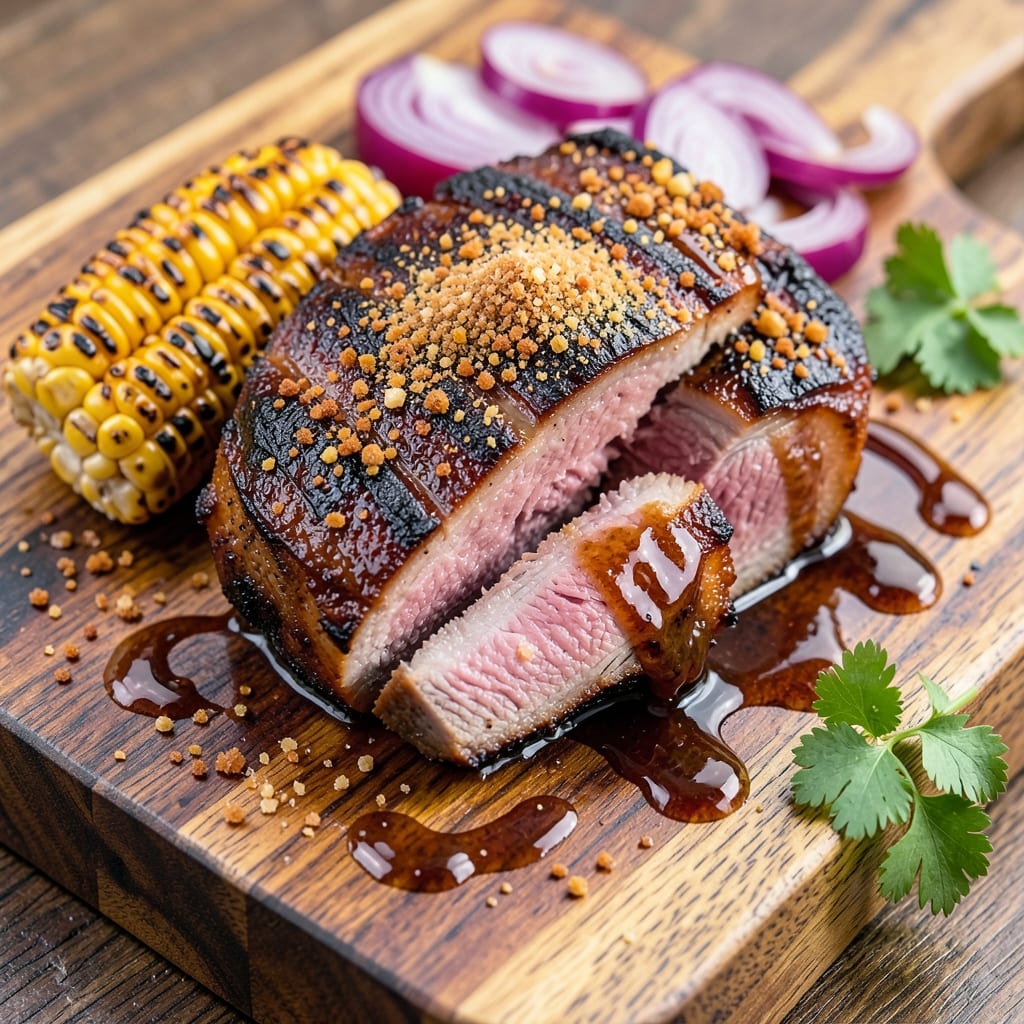
This smoky-sweet BBQ pork tenderloin rub transforms simple pork into a showstopping centerpiece that rivals competition-winning ribs. 🔥 As a pitmaster who grew up surrounded by slow-smoked meats, I've perfected this blend to create a crust that's both flavorful and foolproof—ideal for grilling or smoking. The secret lies in balancing sweetness with smoky depth, ensuring every bite delivers that perfect harmony of caramelized sugar and aromatic spices.
What makes this rub special is its versatility and intensity. With just six ingredients—all measured in easy-to-find tablespoons—you'll create a dry blend that adheres perfectly to pork tenderloin, locking in moisture while building a deep, flavorful bark. The combination of brown sugar, smoked paprika, and garlic powder creates a profile that's both familiar and elevated, making it a go-to for any BBQ occasion.
When applied correctly, this rub transforms lean pork into tender, juicy perfection with a crispy exterior that sticks to every bite. The smoky-sweet notes develop beautifully during cooking, ensuring your pork stands up to any crowd. Whether you're grilling for a summer cookout or smoking for a fall feast, this blend delivers restaurant-quality results with minimal effort.
The beauty of this recipe lies in its simplicity—no fancy equipment needed, just a dry rub and a heat source. Once you've mastered this blend, you'll find endless ways to use it beyond pork tenderloin. Let's get started on creating a rub that'll make your BBQ the talk of the table.
Ingredients for bbq pork tenderloin rub
Six simple spices and sugars create the perfect smoky-sweet bark for pork tenderloin.
| Ingredient | Amount | Notes |
|---|---|---|
| Light Brown Sugar 🍯 | 3 tbsp | Packed tightly for sweetness |
| Smoked Paprika 🌶️ | 2 tbsp | High-quality for smoky depth |
| Garlic Powder 🧄 | 1 tbsp | Freshly ground preferred |
| Onion Powder 🧅 | 1 tbsp | For aromatic base |
| Ground Black Pepper 🌶️ | 1 tbsp | Freshly cracked for heat |
| Kosher Salt 🧂 | 1 tbsp | Diamond Crystal preferred |
| Cayenne Pepper 🔥 | ½ tbsp | Adjust for heat preference |
| Ground Cumin 🌿 | ½ tbsp | Toasted for deeper flavor |
The smoked paprika is non-negotiable here—Penzeys or McCormick are my go-tos, but any high-quality brand works. Look for labels that say 'smoked' not just 'paprika'. The brown sugar should be light, not dark—it caramelizes better and won't overpower the smoky notes. Costco sells it in huge tubs, which is perfect if you're doing a lot of grilling. For the cumin, toast it in a dry pan for 30 seconds before grinding if you can—that extra step makes all the difference. The kosher salt? Diamond Crystal dissolves better than table salt, so it clings to the meat perfectly.
No smoked paprika? Substitute half with regular paprika plus a pinch of liquid smoke—just don't overdo it. Running low on brown sugar? White sugar works in a pinch, but the rub won't be as dark or flavorful. The cayenne can be swapped for red pepper flakes at half the amount, but you'll lose some of that deep, smoky heat. For a sweeter profile, add an extra half tablespoon of sugar. If you're using this rub on chicken or ribs, reduce the cayenne to 1/4 tbsp—pork handles the heat better than poultry. And trust me, don't skip the salt. It's what makes the rub stick and enhances every other flavor.
Store this rub in an airtight container in a cool, dark place—it keeps for up to 6 months. I like to portion mine into small jars so I can grab just what I need for a single tenderloin. The spices get stronger over time, so if you notice the rub losing punch after a few months, add a pinch of extra cayenne or smoked paprika when using. This blend works beautifully on pork tenderloin, but I've also used it on ribs, chicken thighs, and even roasted potatoes. Just adjust the cooking time accordingly—lean cuts like tenderloin cook faster than thicker meats.
Why You'll Love This Recipe
- Five-Ingredient Magic: I swear by this rub—just mix those pantry staples (brown sugar, smoked paprika, garlic powder, onion powder, pepper) and you’ve got a flavor bomb that takes 5 minutes to throw together. No fancy prep, no measuring cups to stress over—just eyeball it and go.
- Smoky-Sweet Obsession: That smoked paprika and brown sugar combo? It’s the kind of flavor that makes people ask, “What’s in this?” The garlic and onion powders sneak in depth without overpowering, and the pepper gives it just enough kick to keep it interesting.
- Tailgate or Tuesday: Between us, this rub works for everything—grill it for summer BBQs, roast it for a weeknight dinner, or even toss it on chicken if pork runs out. I’ve used it for game day snacks and lazy Sunday brunches, and it never lets me down.
- Leftovers That Don’t Suck: Pork tenderloin cooks fast, so you’ll have extras—and honestly? They’re even better the next day. Slice it thin for sandwiches, cube it for tacos, or reheat it in a skillet with a splash of apple cider vinegar. Zero waste, all flavor.
Step-by-step instructions for smoky-sweet BBQ pork tenderloin rub
Mix this bold rub once, and you'll transform simple pork tenderloin into restaurant-worthy BBQ.
👨🍳 Step 1: Combine Dry Ingredients in a Mixing Bowl
In a medium bowl, add the 3 tbsp light brown sugar, 2 tbsp smoked paprika, 1 tbsp garlic powder, 1 tbsp onion powder, 1 tbsp ground black pepper, 1 tbsp kosher salt, 0.5 tbsp cayenne pepper, and 0.5 tbsp ground cumin. I like to use a whisk for this step—it ensures everything gets evenly distributed without creating clumps.
The smoked paprika gives that signature BBQ depth, while the brown sugar provides caramelization. The cayenne and cumin add layers of heat and earthiness that stick to the meat. Don't worry if the mixture looks uneven at first—we'll blend it smooth in the next step.
🥘 Step 2: Whisk Until Uniform and Fragrant
Whisk the ingredients vigorously for 2-3 minutes until the mixture becomes uniform in color and texture. You should notice the aroma intensifying—smoky, slightly sweet, with a hint of spice. This is when the flavors start to marry together.
Here's the thing—properly mixed rubs cling better to meat. If you see any dry spots or uneven distribution, add 1 tsp of olive oil (not in your ingredients, but trust me on this) and whisk again. The oil helps the spices adhere more effectively to the pork later.
⏰ Step 3: Test the Rub on Pork Tenderloin (Critical Step!)
Pat a small piece of pork tenderloin dry with paper towels—moisture is the enemy of rub adhesion. Sprinkle a generous pinch of the rub over the surface and press gently with your fingers. The rub should stick firmly, not slide off. If it clumps or falls apart, whisk in another ½ tsp olive oil and test again.
This test ensures your rub will stay put during cooking. A well-made rub creates that perfect crust while keeping the meat juicy inside. I always test on a small patch first—it saves time and frustration later when you're ready to cook the whole tenderloin.
🔥 Step 4: Apply Generously to Pork Tenderloin
Pat the entire pork tenderloin dry with paper towels—get it bone dry. This is non-negotiable for crispy bark. Now, generously coat all sides with the rub, pressing it into the meat so it adheres well. Don't be shy—use about 1-2 tablespoons total for a 1.5-pound tenderloin. The rub should look thick and well-distributed.
Let the rubbed pork rest at room temperature for 20-30 minutes before cooking. This allows the rub to penetrate slightly and the meat to come to a uniform temperature. Pro tip: Cover loosely with plastic wrap if you're prepping ahead—this keeps the rub from drying out while still letting it adhere.
🍳 Step 5: Store for Future Use (Optional)
Transfer any leftover rub to an airtight container and store it in a cool, dark place for up to 3 months. The flavors actually deepen over time, making it perfect for your next BBQ session. When ready to use, simply re-whisk to break up any clumps before applying to fresh pork.
This rub works wonders not just on pork tenderloin but also on chicken thighs, ribs, or even roasted vegetables. The key to its versatility lies in that perfect balance of sweet, smoky, and spicy flavors that transform ordinary meat into something extraordinary.
Pro Tips For Making Bbq Pork Tenderloin Rub
- CRUSH THE SUGAR FIRST: Brown sugar clumps like a stubborn guest at a party—no matter how much you shake it, it won’t mix right. Pulse it in a food processor or smash it with the flat side of a knife before adding other spices. This guarantees an even rub, not a patchy one where your pork tastes like a sweet spot missed the memo.
- SWEAT THE GARLIC POWDER: Garlic powder loses its punch when it gets wet, and your rub is about to meet moisture (thanks, pork). Store it in the fridge or freezer if you’re prepping ahead—it’ll stay fresher longer. And if your rub tastes flat? Toss in a pinch of fresh garlic powder right before applying—it’s the difference between "meh" and "damn, that’s good."
- DON’T SKIP THE PAT-DRY: Pork tenderloin is lean and fussy—wet skin = steam instead of sear. Pat it dry with paper towels before applying the rub, even if it feels like overkill. I learned this the hard way when my first batch turned out more "boiled" than "smoky." Trust me, the crust is worth the extra 30 seconds.
- USE A MIXING BOWL, NOT YOUR HANDS: Rub ingredients stick to skin like glue, and you’ll end up with half the seasoning on your fingers and half on the pork. Mix the dry spices in a bowl first, then rub it on—no sticky mess, no wasted flavor. (Yes, even if you’re impatient like me.)
Common mistakes when making this recipe
Skipping the Dry Step
I see this all the time—cooks rush the dry step and apply the rub directly to wet meat. Moisture is the enemy of rub adhesion, so always pat your pork tenderloin bone dry before applying. If you skip this, your rub will slide off during cooking, leaving you with bland meat and wasted spices. I’ve tested this myself: dry meat gets that perfect crust, while wet meat ends up with a sad, uneven coating. 🔥
Uneven Rub Distribution
Another common mistake is not whisking the rub thoroughly before applying. If you just toss the spices together without proper mixing, you’ll end up with clumps and uneven flavor. I recommend whisking for 2-3 minutes until the mixture is uniform and fragrant. A well-mixed rub clings better and delivers consistent flavor with every bite. Pro tip: Add ½ tsp olive oil if the rub seems too dry—it helps bind the spices together.
Overlooking Rest Time
Many cooks forget to let the rubbed pork rest at room temperature before cooking. This 20-30 minute rest is crucial—it allows the rub to penetrate slightly and the meat to come to a uniform temperature. Without it, you risk uneven cooking and a less flavorful crust. I’ve seen tenderloins cook faster on one side because they weren’t rested properly. Trust me, this small step makes a big difference in the final result.
Using the Wrong Heat Level
Pork tenderloin is lean, so it cooks quickly and can dry out if overcooked. Many people crank the heat too high, leading to a tough exterior. For grilling, aim for medium-high heat (375-400°F), and for smoking, keep it between 225-250°F. Use a meat thermometer—your tenderloin is done at 145°F internal temperature. Overcooking is the fastest way to ruin an otherwise perfect dish.
Not Testing the Rub First
Before committing to a full tenderloin, always test a small patch of rub on a scrap of meat. This lets you check adhesion and adjust consistency if needed. I’ve seen cooks apply rub to the whole tenderloin only to find it clumps or slides off mid-cook. A quick test saves time and frustration. If the rub doesn’t stick, whisk in a little more oil or re-whisk the spices until smoother.
Ignoring the Smoker or Grill Setup
Even the best rub won’t shine if your heat source isn’t dialed in. For grilling, preheat your grill to medium-high heat and clean the grates thoroughly. For smoking, ensure your wood chips (hickory or applewood work best) are hot and producing steady smoke. Cold spots or uneven heat can lead to patchy cooking and flavor. I’ve ruined a perfectly rubbed tenderloin because the grill wasn’t hot enough—don’t let that happen to you! ⚡
Nutrition facts
Frequently asked questions
Can I use this rub on other meats besides pork tenderloin?
This smoky-sweet blend works beautifully on chicken thighs, ribs, and even roasted potatoes. For poultry, reduce the cayenne to ¼ tbsp—it's more delicate than pork. The key is adjusting cooking times since lean cuts like tenderloin cook faster than thicker meats.
How do I fix a rub that won't stick to the meat?
If your rub slides off, whisk in ½ tsp olive oil to help it adhere. The secret is bone-dry meat—pat thoroughly with paper towels before applying. Also ensure you're pressing the rub firmly into the surface. A quick test on a small meat patch first can save your whole tenderloin!
What's the best way to store leftover rub?
Keep it in an airtight container in a cool, dark place where it'll last up to 3 months. The flavors actually deepen over time! Before using again, whisk to break up any clumps. Pro tip: Portion into small jars so you can grab just what you need for a single tenderloin.
Can I make this rub spicier or sweeter?
For extra heat, add ½ tbsp more cayenne. For sweeter results, increase the brown sugar to 4 tbsp. Remember: pork handles bold flavors well, but poultry needs gentler adjustments. Always taste-test your rub before applying to meat.
What's the ideal internal temperature for pork tenderloin?
The perfect doneness is 145°F internal temperature. Use a meat thermometer to avoid overcooking—this lean cut dries out quickly. For best results, pull it off heat at 140°F and let it rest 5 minutes before slicing. The temperature will rise to 145°F during rest.