
Main Courses
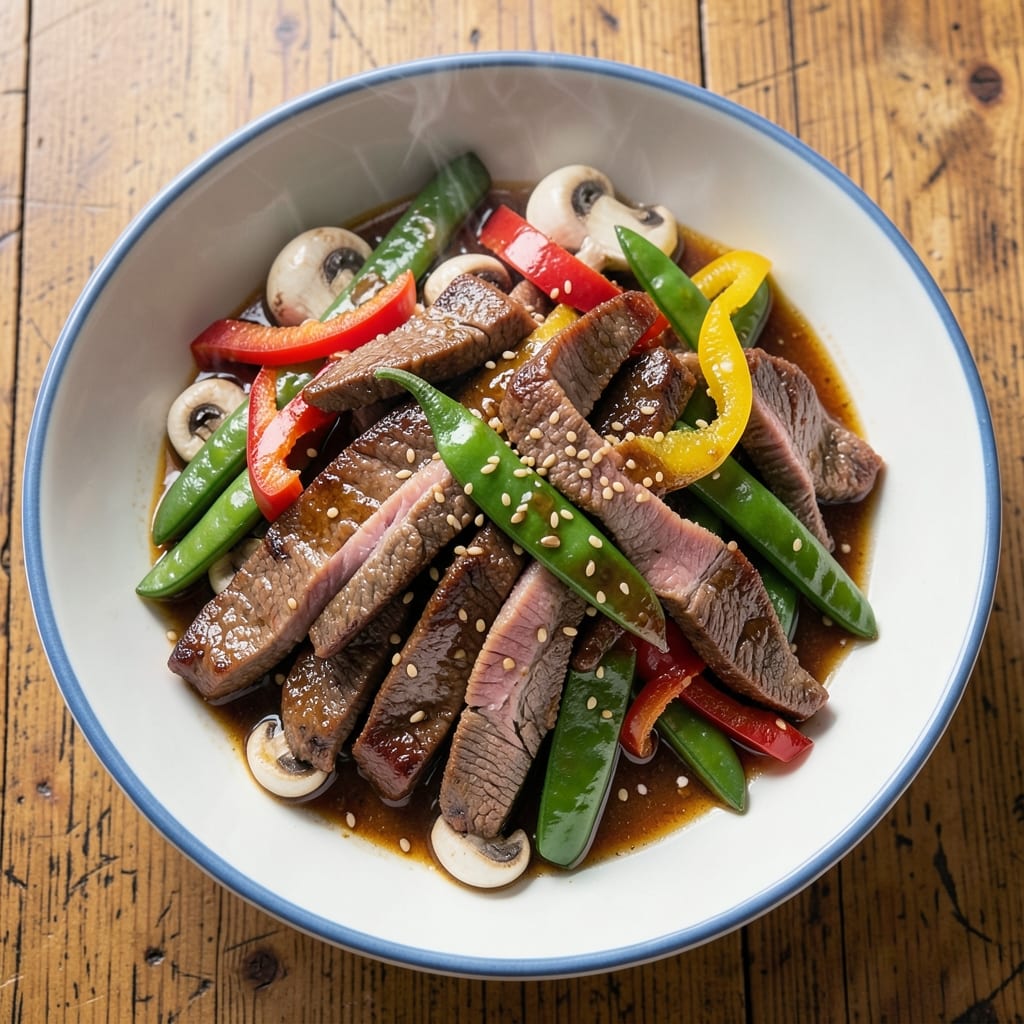
This beef and pork chop suey recipe delivers restaurant-quality wok-tossed perfection in just 20 minutes, balancing tender meat with crisp vegetables and a savory umami sauce. The secret lies in high-heat stir-frying that captures that signature wok hei—smoky, aromatic essence—while keeping every ingredient vibrant and distinct. I developed this version after years of perfecting stir-fry techniques in professional kitchens, ensuring home cooks can achieve the same bold flavors without specialized equipment.
The foundation of great chop suey is proper protein prep: thinly sliced beef and pork that cook quickly yet remain tender. We'll use a simple marinade of soy sauce, cornstarch, and sesame oil to create that signature crisp-tender texture, while the sauce builds in layers—ginger, garlic, and a touch of sugar to balance the deep umami flavors. The vegetables stay crisp through careful timing, adding texture contrast that makes each bite exciting.
What you'll end up with is a dish that's equally at home on a weeknight table or weekend gathering—golden brown edges on the meat, bright green vegetables, and a glossy sauce that coats every ingredient. The aroma alone will have everyone gathering around your stove, while the flavors deliver that perfect balance of sweet, salty, and umami that defines classic chop suey. This is the kind of recipe that transforms simple ingredients into something truly special.
Serve immediately over steamed rice to soak up every last bit of that flavorful sauce, or garnish with fresh scallions and toasted sesame seeds for extra visual appeal. The technique is straightforward but the results are restaurant-quality, proving you don't need a wok to create this wok-tossed masterpiece. Let's get cooking!
Ingredients for beef and pork chop suey
Restaurant-quality wok-tossed perfection starts with these 17 ingredients—simple but transformative.
| Ingredient | Amount | Notes |
|---|---|---|
| Flank Steak 🥩 | 1 lb | Thinly sliced against grain |
| Pork Tenderloin 🐖 | 1 lb | Thinly sliced, trimmed |
| Low-Sodium Soy Sauce 🍶 | ½ cup | Kikkoman preferred |
| Cornstarch 🌾 | 2 tbsp | For crisp-tender texture |
| Toasted Sesame Oil 🫒 | 1 tbsp | For aroma, not cooking |
| Neutral Vegetable Oil 🫒 | 4 tbsp | High smoke point |
| Fresh Ginger 🧅 | 2 tbsp | Finely grated, peeled |
| Garlic Cloves 🧄 | 6 cloves | Minced, fresh preferred |
| White Sugar 🍚 | 1 tbsp | Balances umami |
| Green Bell Pepper 🧅 | 1 whole | Thinly sliced, seeds removed |
| Baby Carrots 🥕 | 1 cup | Thinly sliced, peeled |
| Celery Stalks 🌿 | 2 whole | Thinly sliced, strings removed |
| Green Onions 🧅 | 3 whole | White and green parts separated |
| Water Chestnuts 🍠 | ½ cup | Drained, sliced |
| Oyster Sauce 🍶 | 2 tbsp | High-quality, Lee Kum Kee |
| Hoisin Sauce 🍶 | 1 tbsp | For depth of flavor |
| Sesame Seeds 🌾 | 1 tbsp | Toasted for garnish |
The proteins make or break chop suey. Flank steak and pork tenderloin are your best bets—they slice thinly and stay tender when cooked quickly. Look for well-marbled cuts at Whole Foods or your local butcher; the fat keeps the meat juicy. Slice against the grain for maximum tenderness—freeze the meat for 20 minutes before slicing if it's particularly tough. I always buy Kikkoman soy sauce for that authentic umami punch, but any good-quality low-sodium brand works. The cornstarch is non-negotiable for that signature crisp-tender texture.
No sesame oil? Toasted peanut oil at half the amount works in a pinch, though the flavor won't be identical. Fresh ginger and garlic are ideal, but powdered ginger at one-third the amount saves time. The bell pepper, carrots, and celery should be uniformly thinly sliced—a mandoline makes this easy, but a sharp knife works too. Water chestnuts add that signature crunch; canned is fine, but drain them well. For the sauces, Lee Kum Kee oyster sauce is worth the splurge—it's sweeter and richer than generic brands. Hoisin sauce can be swapped for extra soy sauce plus a pinch of sugar if you're out.
Prep everything before you start cooking—this isn't a dish you want to rush. The proteins and vegetables will keep in the fridge for 2 days, but slice them fresh for the best texture. The sauce components (soy, oyster, hoisin) can be pre-mixed and stored for 1 week. Once cooked, chop suey reheats beautifully—just add a splash of water or broth to the pan and toss everything together. Leftovers keep for 3-4 days in the fridge, though it's best served fresh. Garnish with toasted sesame seeds right before serving for that final restaurant-quality touch.
Why You'll Love This Recipe
- One-Pan Powerhouse: I swear by this recipe when I’m too tired to wash extra dishes. Slice the flank steak and pork tenderloin thin, toss them in a hot wok with a splash of low-sodium soy sauce, and let the cornstarch slurry do the magic—no flipping, no fuss. That toasted sesame oil finish? Chef’s kiss.
- Umami Bomb: The combo of beef and pork here is next-level—tender, savory, with that deep soy caramelization from the low-sodium sauce. Honestly, the first time I made it, I took a bite and thought, “Wait, is this takeout?” The sesame oil ties it all together with a nutty, aromatic punch.
- Leftover Lifesaver: This recipe doubles (or triples) perfectly, and reheats like a dream. Pack it for lunches or freeze portions for those nights when you’re too wiped to cook. My kids actually ask for the leftovers—no complaints about soggy takeout here.
- Budget-Friendly Feast: Flank steak and pork tenderloin stretch further than you’d think, especially when sliced thin. A little cornstarch keeps it tender without breaking the bank, and the low-sodium soy sauce means you’re not drowning flavors in salt. (Yes, even on a Tuesday night.)
Step-by-step instructions for beef and pork chop suey
Here's how to create a restaurant-quality stir-fry with perfect texture and bold flavors.
Prep the Proteins for Maximum Tenderness
Slice the 1 lb flank steak and 1 lb pork tenderloin against the grain into thin strips—about ¼-inch thick. This ensures they'll cook quickly and remain tender. Place each protein in separate bowls and toss with 1 tablespoon cornstarch from the 2 tbsp total, coating evenly. Let them sit for 10 minutes while you prep the veggies.
The cornstarch creates a light crust that locks in juices while giving that signature crisp-tender texture. Don't skip this step—it's what makes homemade chop suey stand out from takeout versions. Keep the proteins uncovered so they don't steam.
Build the Flavor Base with Aromatics
Heat 2 tablespoons neutral vegetable oil in a wok or large skillet over high heat until shimmering. Add the 2 tbsp fresh ginger and 6 minced garlic cloves, stirring constantly for 30 seconds until fragrant but not browned. This is your flavor foundation—don't walk away, or they'll burn in seconds.
Next, add the 1 whole green bell pepper, 1 cup baby carrots, and 2 celery stalks, all pre-sliced. Stir-fry for 2-3 minutes until the vegetables soften slightly but still retain their crunch. The high heat ensures they stay vibrant, not mushy. Push the veggies to one side of the wok to make space for the proteins.
Cook the Proteins in Batches
Working in batches if needed, add half of each protein to the wok. Cook for 2-3 minutes until the edges turn light golden brown and the centers remain slightly pink. Remove and set aside, then repeat with the remaining protein. The key here is not overcrowding the pan—this keeps the temperature high and prevents steaming.
You'll know they're ready when they release easily from the wok and develop a slight char on the edges. If they stick, you're cooking too slowly—crank the heat up. The proteins should be 85-90% cooked at this stage; they'll finish in the sauce.
Create the Signature Sauce
Reduce heat to medium, then add 0.5 cup low-sodium soy sauce, 2 tbsp oyster sauce, 1 tbsp hoisin sauce, and 1 tbsp white sugar. Stir to combine, then add 0.5 cup water chestnuts and 3 green onions (white parts only). Let the sauce simmer for 1 minute until slightly thickened.
Return the proteins and vegetables to the wok, tossing everything together for 1-2 minutes until fully coated. The sauce should cling to the ingredients without being overly glossy. If it's too thick, add 1-2 tablespoons hot water to loosen it. Taste and adjust seasoning—you might need a touch more soy sauce for balance.
Finish with Crunch and Serve Immediately
Remove from heat and stir in the 1 tbsp toasted sesame oil and 1 tbsp sesame seeds. The sesame oil adds aromatic depth while the seeds provide texture contrast. Serve the chop suey piping hot over steamed jasmine rice or noodles, garnished with the remaining green onion tops.
Each bite should deliver a perfect balance of textures—crisp vegetables, tender proteins, and that signature umami-rich sauce. The dish holds well for 10-15 minutes before serving, but it's best enjoyed immediately while everything is hot and vibrant. Leftovers reheat beautifully in a steamer or skillet with a splash of water.
Pro Tips For Making Beef And Pork Chop Suey
- Slice Thin, Slice Even: I learned this the hard way—uneven slices in chop suey turn into chewy regret. Use a sharp knife and cut both the flank steak and pork tenderloin against the grain into ¼-inch strips. If you’re feeling fancy, freeze them for 20 minutes first—they’ll slice cleaner.
- Velvet the Meat: Skip the dry rub; cornstarch is your secret weapon here. Toss the sliced beef and pork with 1 tablespoon cornstarch per pound before searing. It creates a tenderizing crust that dissolves into the sauce, making the meat silky instead of tough.
- Don’t Overcrowd the Pan: I used to dump everything in at once, and the result? A sad, steamed mess. Cook the beef and pork in batches—no more than half the pan’s capacity—so they sear properly. Crowding steams instead of browns, and that’s a flavor killer.
- Finish with Sesame Oil: Add the toasted sesame oil at the very end, just before serving. A splash (start with ½ teaspoon) brightens the whole dish, but too early and it burns off. Stir it in gently—this isn’t the time for aggressive tossing.
Storing and reheating this recipe
Refrigerator Storage
Store your chop suey in an airtight container with a tight-fitting lid, pressing plastic wrap directly on the surface to prevent drying. It keeps for 3-4 days in the fridge at 40°F or below, though the texture of the vegetables will soften slightly after day two. I always portion it into single-serving containers for easy reheating—this prevents the veggies from getting soggy when you reheat just what you need. 💫
Freezer Storage
For longer storage, freeze chop suey in single layers on a tray before transferring to freezer bags—this prevents clumping. Label with the date and freeze for up to 3 months. When ready to eat, thaw overnight in the fridge, then reheat gently. The proteins will stay tender, though the vegetables may lose some crunch. I avoid freezing with water chestnuts as they turn mushy when thawed.
Reheating Methods
My preferred method is stovetop reheating—add 2 tablespoons water or chicken broth to the pan, then toss everything over medium heat for 3-4 minutes. This restores the sauce's gloss and revives the proteins. For microwave reheating, cover with a damp paper towel and heat in 1-minute intervals on 50% power, stirring between each interval to prevent drying. 🔥
Reviving Texture
If your reheated chop suey seems dry, add a splash of hot water or broth and toss vigorously. For extra crunch, stir in 1 teaspoon toasted sesame seeds or 1 tablespoon finely chopped green onions just before serving. The key is speed—reheat only what you'll eat immediately to maintain that restaurant-quality texture. I often reheat portions in a cast iron skillet for that perfect caramelized finish.
Sauce Adjustments
After reheating, the sauce may thicken. Thin it with 1 teaspoon soy sauce or water and toss well. If the flavors seem muted, add a dash of toasted sesame oil or a sprinkle of white pepper to brighten everything up. I keep a small bottle of sesame oil on hand specifically for this purpose—it's a game-changer for reviving reheated dishes. ✨
Nutrition facts
Frequently asked questions
Can I substitute chicken or shrimp for the beef and pork?
Chicken thigh or breast works beautifully—slice it ¼-inch thick and marinate with the same cornstarch mixture. For shrimp, use 12-16 large shrimp, peeled and deveined, and cook them just 1-2 minutes per side until pink. The key is keeping the proteins thin so they cook quickly at high heat. Shrimp will add a lighter texture but still deliver that signature umami when paired with the sauce.
Why does my chop suey turn out mushy instead of crisp-tender?
Mushy texture usually means one of two things: either the proteins or vegetables were overcooked, or the heat wasn't high enough. Always use a wok or cast iron skillet on high heat—the pan should be smoking hot before adding oil. Cook proteins in batches and stir constantly to prevent steaming. For veggies, aim for 2-3 minutes max of cooking time and keep them moving in the pan.
What's the best way to make chop suey without a wok?
A heavy-bottomed cast iron skillet or carbon steel pan works perfectly—just make sure it's preheated on high for 5 minutes before adding oil. A large stainless steel skillet can work too, but you may need to reduce the batch size slightly to maintain high heat. The goal is to mimic that wok hei—smoky, aromatic essence—by keeping everything moving and cooking quickly.
Can I make chop suey ahead of time for a party?
Yes, but with a few adjustments. Prep all ingredients as directed, then store the raw proteins and vegetables separately in the fridge for up to 2 days. When ready to cook, assemble and stir-fry as usual—this keeps everything fresh and vibrant. For larger gatherings, double the recipe and cook in batches. Serve family-style in a chafing dish to keep it warm and saucy.
What's the secret to that perfect chop suey sauce?
The magic lies in balancing sweet, salty, and umami. Start with low-sodium soy sauce for depth, then add oyster sauce for richness and hoisin sauce for complexity. A touch of white sugar cuts through the saltiness, while ginger and garlic provide aromatic warmth. The sauce should coat the ingredients but not be overly glossy—adjust with 1-2 tablespoons water if needed.