
Main Courses
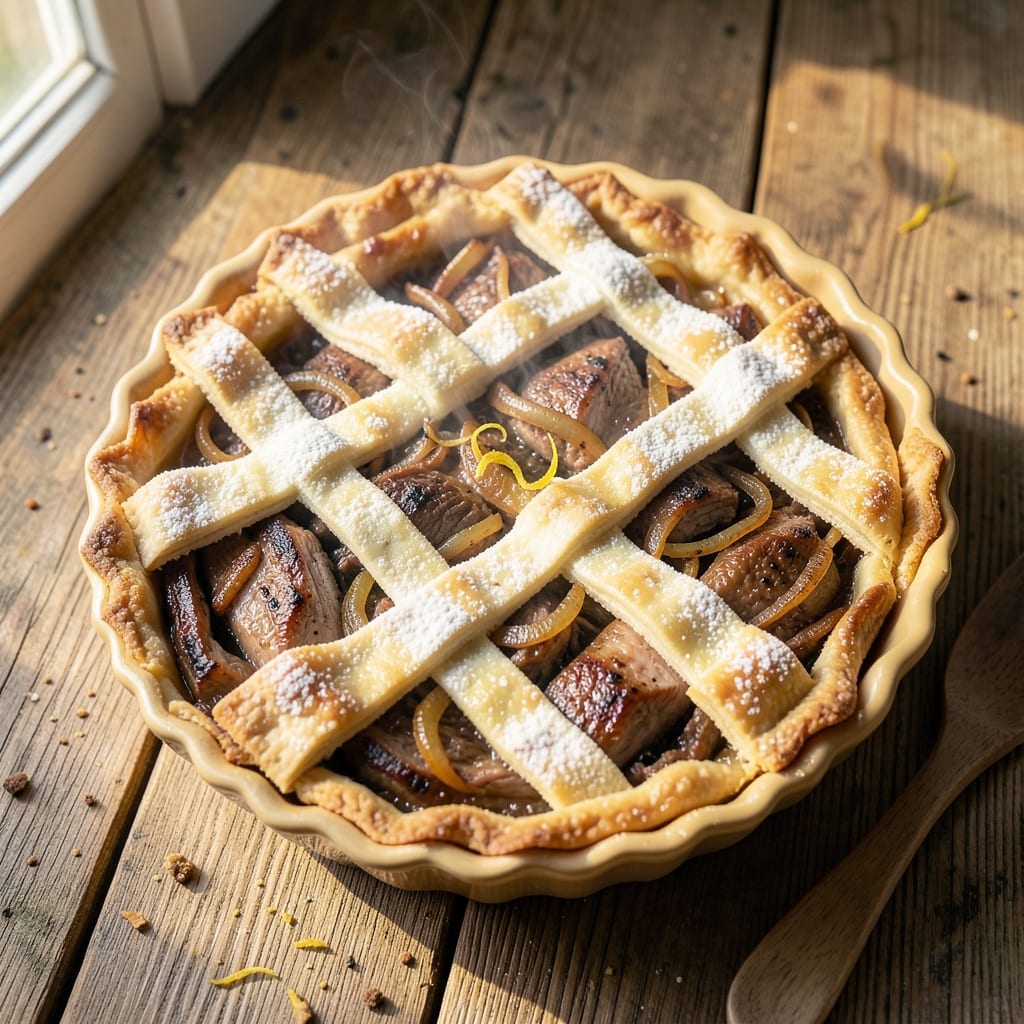
This beef and pork meat pie recipe delivers the perfect balance of tender filling and flaky pastry crust—a classic comfort dish with restaurant-quality results. The secret lies in slow-cooked meat that falls apart with every bite, encased in a golden, crispy pastry that's impossible to resist. I developed this recipe after years of perfecting meat pies for my restaurant, where the crust had to hold up to even the heartiest appetites.
The filling starts with seared beef and pork, seasoned with herbs and spices, then braised until fork-tender. Meanwhile, the pastry—whether homemade puff or shortcrust—gets rolled out just thick enough to hold the filling without becoming soggy. The key is baking it low and slow, letting the crust develop layers of crispiness while the filling stays juicy. This is the kind of dish that tastes even better the next day, making it ideal for meal prep or special occasions.
What makes this recipe stand out is the textural contrast: the crispy, golden crust gives way to a rich, savory filling that's packed with flavor. The meat stays moist and tender, while the pastry achieves that signature flakiness that makes every bite worth savoring. Whether you're serving it at a family gathering or enjoying a cozy night in, this meat pie is a showstopper that never disappoints.
For those with dietary preferences, you can easily adapt the crust to be gluten-free or use pre-made dough to save time. The filling can also be customized with additional spices or vegetables, but the core technique remains the same: slow-cooked meat in a flaky, golden crust. Let's get started on creating a pie that's as impressive as it is delicious.
Ingredients for beef and pork meat pie
Pantry staples plus a few specialty items for that restaurant-style meat pie.
| Ingredient | Amount | Notes |
|---|---|---|
| Beef Chuck Roast 🥩 | 1 ½ lb | Pre-cubed for even cooking |
| Pork Shoulder 🐖 | 1 ½ lb | Bone-in for extra flavor |
| All-Purpose Flour 🌾 | 3 cups | For homemade pastry crust |
| Unsalted Butter 🧈 | 1 cup | Cold, cubed for pastry |
| Ice Water 💧 | ½ cup | For pastry dough |
| Onions 🧅 | 1 whole | Yellow, diced |
| Garlic Cloves 🧄 | 4 cloves | Minced for filling |
| Carrots 🥕 | 2 medium | Peeled, chopped small |
| Beef Stock 🥫 | 1 ½ cups | Homemade preferred |
| Red Wine 🍷 | ½ cup | Dry, like Cabernet |
| Tomato Paste 🍅 | 2 tbsp | Smooth, not chunky |
| Dried Thyme 🌿 | 1 tbsp | Or 1 tbsp fresh |
| Ground Black Pepper 🌶️ | 1 tsp | Freshly cracked |
| Salt 🧂 | 1 ½ tsp | Kosher or sea salt |
| Egg 🥚 | 1 whole | For egg wash |
The meat is everything here. Beef chuck and pork shoulder give that classic meat pie texture—tender but still hearty. Grab them from the butcher section if you can, or the pre-cubed packages at Costco or Trader Joe's work great too. For the pastry, all-purpose flour is your best friend—King Arthur or Gold Medal brands stay flaky. The carrots? Don't skimp on chopping them small—they should practically disappear into the filling. If you're using pre-cubed meat, pat it dry before searing—this makes all the difference for a good crust.
No red wine? Beef stock with a splash of balsamic works in a pinch. Fresh thyme is ideal but dried at half the amount gets you close. The tomato paste can be from a tube or jar—just make sure it's smooth. For the pastry, if you're short on butter, vegetable shortening keeps it flaky. The egg wash is non-negotiable though—it's what gives you that golden, crispy finish. Pro tip: Chill your dough for 30 minutes before rolling—makes it way easier to handle.
This pie reheats beautifully—350°F for 20 minutes is perfect. Keeps 3-4 days in the fridge wrapped tight, or freeze the whole thing for up to 3 months. I always make a double batch—one for dinner, one to freeze for lazy days. The filling tastes even better the next day once everything melds together. For serving, let it sit at room temp for 10 minutes before slicing—trust me on this one.
Why You'll Love This Recipe
- No-Fuss Filling: I swear by the slow-cooked beef and pork combo—tender chunks that practically melt in your mouth. The chuck roast and pork shoulder braise together until they’re fall-apart juicy, and honestly? That’s half the battle won right there.
- Golden Crust Magic: The butter-and-flour crust isn’t just pretty—it’s crispy. Cold butter cut into the flour with ice water gives that perfect snap, and the smell alone makes my kitchen feel like a bakery. (Yes, even on a Tuesday night.)
- Leftovers That Win: This pie tastes better the next day. I make a double batch on Sundays, and by Thursday, I’m reheating slices straight from the fridge—no sad, dry edges, just rich, comforting bites. My freezer’s full of these, too.
- Budget Feast: Beef chuck and pork shoulder stretch further than you’d think, and the crust costs pennies. It’s the kind of meal where you feed a crowd without breaking the bank—or stressing over grocery bills. My college friends still ask for seconds.
Step-by-step instructions for beef and pork meat pie
Here's how to build a pie with a golden crust and rich, tender filling.
Prepare the Meat Filling
In a large skillet over medium-high heat, combine the 1.5 lb beef chuck roast and 1.5 lb pork shoulder. Cook for 8-10 minutes, stirring occasionally, until the meat begins to brown and release its juices. This step develops deep flavor through the Maillard reaction.
Add the 1 whole diced onions, 4 minced garlic cloves, and 2 medium peeled and chopped carrots. Cook for another 5 minutes until the vegetables soften slightly. Stir in the 2 tbsp tomato paste, 1 tbsp dried thyme, 1 tsp ground black pepper, and 1.5 tsp salt. Pour in the 0.5 cup red wine and let it simmer for 3 minutes until mostly evaporated.
Gradually add the 1.5 cups beef stock, scraping up any browned bits from the bottom of the pan. Bring to a simmer, then reduce heat to low and let it cook uncovered for 45-50 minutes, stirring occasionally, until the meat is fork-tender and most of the liquid has reduced. Let it cool slightly before transferring to a bowl.
Make the Pastry Dough
In a large bowl, combine the 3 cups all-purpose flour and 1.5 tsp salt. Cut in the 1 cup cold cubed unsalted butter using a pastry cutter or your fingers until the mixture resembles coarse crumbs with some pea-sized butter pieces remaining. This texture is crucial for creating flaky layers.
Add the 0.5 cup ice water gradually, mixing just until the dough comes together. Avoid overmixing—you want to maintain the texture that creates flaky pastry. Form the dough into two equal discs, wrap each in plastic wrap, and refrigerate for 30 minutes to firm up.
Assemble the Pie
Preheat your oven to 375°F. Roll out one disc of dough on a lightly floured surface to fit a 9-inch pie dish, about 1/8-inch thick. Press it gently into the dish, including the sides, then trim any excess dough. Chill the crust in the refrigerator for 15 minutes while you prepare the filling.
Transfer the cooled meat mixture to the chilled crust, spreading it evenly. Roll out the second disc of dough to create a top crust. Cut a few small slits in the center to allow steam to escape. Place the top crust over the filling and press the edges together to seal.
Bake to Golden Perfection
Brush the top crust with the 1 whole egg beaten with a splash of water for a glossy finish. Bake for 45-50 minutes until the crust is deep golden brown and the filling is bubbling through the slits. If the crust starts browning too quickly, tent it with foil.
Remove from the oven and let the pie rest for 15 minutes before slicing. This resting period allows the juices to redistribute, ensuring each bite is moist and flavorful. Serve warm with a side of fresh vegetables or crusty bread.
Pro Tips For Making Beef And Pork Meat Pie
- SEAR MEAT IN BATCHES: I learned this the hard way—trying to brown beef chuck and pork shoulder together in one pan just means steaming them. Work in two batches: beef first (it’s denser), then pork. Use the same pan, just wipe it clean between batches. The crusty, caramelized bits on the bottom? That’s flavor gold for your pie filling.
- TRIM FAT FROM PORK: Pork shoulder loves its fat, but too much in the filling makes the pie greasy and soggy. Trim visible fat to about ¼-inch thickness before cooking—yes, it’s tedious, but it keeps the meat tender without turning your pie into a swimming pool. Save the fat for crisping onions or buttering crust later.
- CHILL THE CRUST DOUGH: Skip the rushed rolling if your dough feels sticky. Wrap it tightly and refrigerate for at least 30 minutes before handling. Cold dough is easier to roll, less likely to shrink, and gives you a flakier crust. Pro move: Dust your rolling surface with flour and a light sprinkle of rice flour—it prevents sticking better than plain flour.
- REST MEAT BEFORE SLICING: Cutting hot meat filling straight from the pot turns it into a mushy pile. Let it cool to 160°F (about 5–10 minutes under foil) before slicing—it holds its shape and looks professional. If you’re impatient (I know, I know), at least let it sit off the heat for 15 minutes first. Your pie’s structure depends on this.
Wine and beer pairings for this beef and pork meat pie
Red Wine Classics
The rich, savory flavors of this meat pie pair beautifully with bold red wines that stand up to the deep meaty notes. I always reach for a Cabernet Sauvignon from Napa Valley—its dark fruit and tannins complement the beef and pork perfectly. A Malbec from Argentina offers a smoother, fruitier profile that works wonderfully too. The key is finding a wine with enough body to match the pie's richness without overpowering it. 🍷
Malbec Magic
If you prefer something slightly fruitier, a Malbec from Mendoza is a fantastic choice. The dark plum and blackberry notes in the wine mirror the depth of flavor in the meat filling, while its velvety texture cuts through the pastry's richness. I love pairing this with a pie that has a slightly spiced crust—it brings out the wine's natural sweetness. Look for a bottle with at least 13% alcohol for the best balance.
Beer Pairings
For beer lovers, a robust English stout or dark ale works beautifully. The roasted malt flavors in these beers contrast nicely with the savory meat and buttery crust. I often recommend Guinness for its creamy texture and subtle coffee notes, which pair surprisingly well with the pie's caramelized crust. If you prefer something lighter, a brown ale offers a malty sweetness that complements the dish without overpowering it.
Lighter Options
If you're serving this pie at a summer gathering, a crisp Chardonnay with minimal oak can be a refreshing change. The acidity in the wine helps cleanse your palate between bites of the rich filling. I also enjoy a Pinot Noir for its lighter body—it's versatile enough to pair with both the meat and the pastry. Just make sure the wine has enough acidity to balance the dish's richness.
Non-Alcoholic Pairings
Don't overlook non-alcoholic options! A sparkling ginger beer or cucumber-infused soda water can be surprisingly refreshing. For something more substantial, a black cherry soda like Vernors adds a fruity contrast that works well with the pie's savory filling. These options are perfect for guests who prefer not to drink alcohol but still want to enjoy the meal. 💫
Nutrition facts
Frequently asked questions
Can I make this meat pie with ground meat instead of chunks?
You can try it, but the texture will be different. Ground meat cooks much faster and loses its juiciness, which is why this recipe calls for cubed beef and pork shoulder—they stay tender and flavorful. If you prefer ground meat, consider using a mix of beef and pork with 10% fat content and cook it at a lower temperature (325°F) for 30-35 minutes to prevent drying out. The filling will be more like a savory meatloaf texture rather than the classic pie filling.
How do I prevent a soggy bottom crust?
Preventing a soggy bottom is all about the prep! First, always chill the crust for 15 minutes before adding filling. Second, spread a thin layer of egg wash on the bottom crust before adding the filling—this creates a barrier. Finally, blind-bake the bottom crust for 8-10 minutes at 375°F before adding the filling. This ensures it's fully set before the juicy meat goes on top.
Can I use pre-made pie crust instead of homemade?
Store-bought crusts save time and still deliver great results. For the best texture, use two refrigerated pie crusts (like Pillsbury or store-brand) and follow the package instructions for rolling and assembling. If you're concerned about sogginess, press a layer of cooked rice or dried beans into the bottom crust before blind-baking it for 10 minutes—this absorbs excess moisture during baking.
What's the best way to reheat leftover meat pie?
Reheat at 350°F for 20-25 minutes until the crust is crispy and the filling is steaming hot. For extra crispiness, place the sliced pie on a baking sheet and cover with foil to prevent drying. Microwaving is not recommended—it makes the crust rubbery. If reheating from frozen, add 10-15 extra minutes and cover tightly with foil until thawed, then uncover for the final 5 minutes to crisp the top.
Can I make this pie gluten-free?
Yes! Use a 1:1 gluten-free flour blend (like Bob's Red Mill) and replace the butter with vegetable shortening for better flakiness. For the crust, add 1 extra tablespoon of xanthan gum per cup of flour to improve binding. The filling remains unchanged, but you may need to reduce the beef stock by 1/4 cup since gluten-free crusts can absorb more moisture. Test with a small batch first—gluten-free pastry behaves differently!