
Main Courses
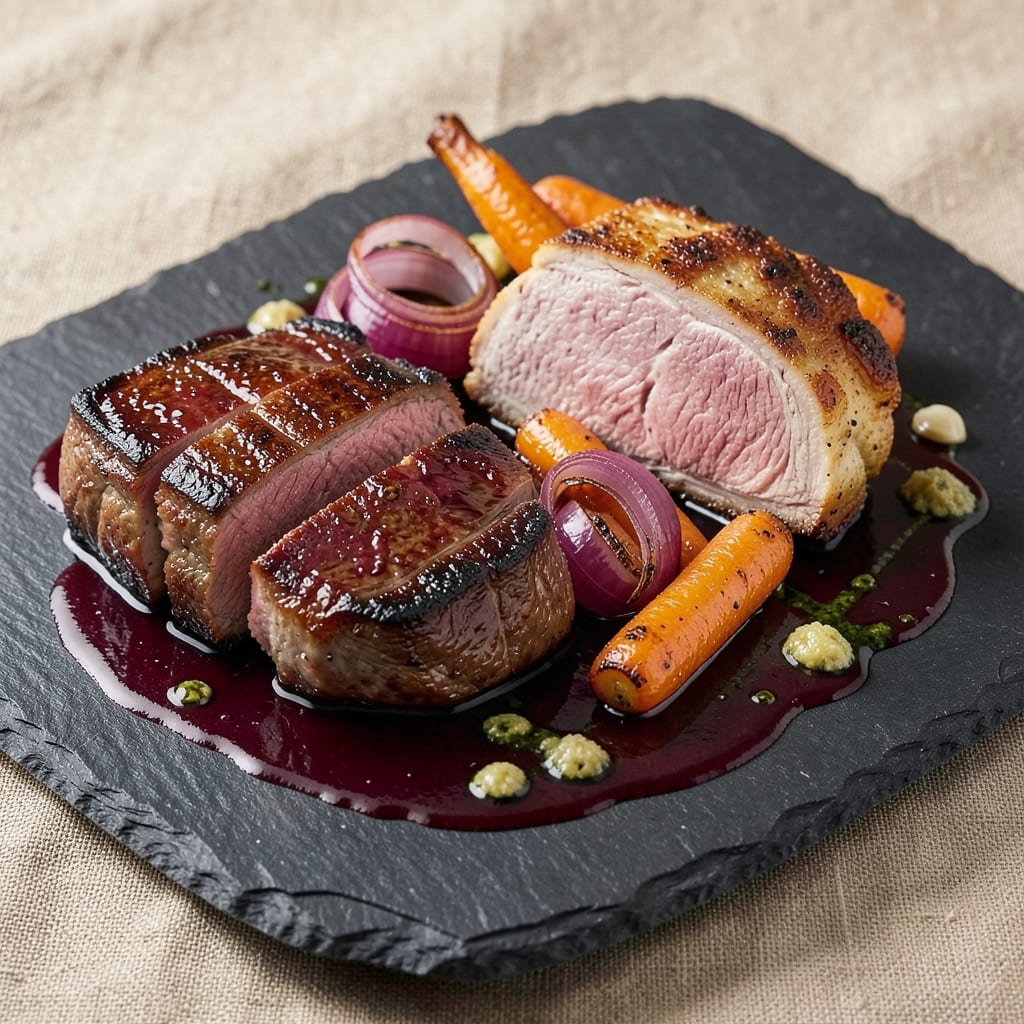
This beef and pork recipe transforms humble proteins into a restaurant-worthy one-pan masterpiece that'll have your dinner table feeling like a Charleston Sunday supper. 🌟 The secret lies in braising—where tender beef chuck and pork shoulder marry with aromatic vegetables and rich red wine, creating layers of flavor that develop over hours of slow cooking. I've been perfecting this technique for years, and it never fails to impress, even with picky eaters.
The magic happens in the braising process, where tough cuts become melt-in-your-mouth tender while absorbing all the surrounding flavors. We start with a simple sear to build depth, then let everything simmer until the meat falls apart at the touch of a fork. This method requires patience but delivers results that are impossible to achieve any other way—juicy, flavorful, and packed with that deep, caramelized richness that makes every bite satisfying.
What you'll end up with is a dish that's hearty enough for a family feast but elegant enough for company. The beef and pork share the spotlight, each contributing their own textures and flavors—tender beef with its rich, beefy depth and pork that's impossibly tender with just a hint of smokiness. The vegetables become caramelized and sweet, while the sauce reduces to a perfect consistency that coats every bite.
Serve this masterpiece with crusty bread to soak up the delicious sauce or alongside buttery mashed potatoes for a complete meal. The leftovers reheat beautifully, making it perfect for meal prep or feeding a crowd. Here's how to create this one-pan wonder that'll become a staple in your cooking repertoire.
Ingredients for beef and pork
Six hearty ingredients turn tough cuts into melt-in-your-mouth perfection—this one-pan wonder delivers restaurant-quality flavor with minimal effort.
| Ingredient | Amount | Notes |
|---|---|---|
| Beef Chuck Roast 🥩 | 2 ½ lb | Bone-in preferred for flavor |
| Pork Shoulder 🐖 | 2 ½ lb | Bone-in, well-marbled |
| Yellow Onions 🧅 | 2 whole | Medium size, peeled |
| Carrots 🥕 | 4 whole | Medium size, peeled |
| Garlic Cloves 🧄 | 8 cloves | Peeled, smashed |
| Red Wine 🍷 | 1 ½ cups | Bold, dry variety |
| Beef Broth 💧 | 2 cups | Low-sodium preferred |
| Tomato Paste 🍅 | ½ cup | Smooth, no sugar added |
| Olive Oil 🫒 | 2 tbsp | Extra-virgin for richness |
| Fresh Thyme 🌿 | ½ oz | Or 2 tbsp dried |
| Fresh Rosemary 🌿 | ¼ oz | Or 1 tbsp dried |
| Bay Leaves 🍃 | 2 whole | Dried, standard size |
| Salt 🧂 | 1 ½ tsp | Kosher or sea salt |
| Black Peppercorns 🌶️ | 1 tsp | Freshly cracked |
The beef and pork are the stars here. Chuck roast and pork shoulder are your best bets—they're tough enough to braise beautifully but packed with enough fat to stay juicy. Costco or local butchers usually have these cuts pre-cut, but if you're buying whole, look for good marbling and ask for bone-in pieces. The red wine? Cabernet Sauvignon or Merlot work perfectly, but whatever bold red you've got open will do. For the broth, low-sodium is key—you don't want to over-salt your dish later. I always grab the Whole Foods 365 brand when I need a quick pantry option, but homemade is even better.
No red wine? Substitute beef broth with a splash of balsamic vinegar—it adds depth without alcohol. Fresh thyme and rosemary are ideal, but dried works at one-third the amount. If you're short on garlic, garlic powder at half the amount gets you close, though fresh is always better. The carrots can be baby carrots if that's what you've got, but whole carrots stay firmer and caramelize beautifully. For tomato paste, Trader Joe's squeeze tubes are perfect—they're convenient and keep well. The onions? Yellow or red both work, but yellow has a slightly sweeter flavor that pairs well with the beef.
This dish tastes even better the next day as all the flavors meld together. Store leftovers in an airtight container in the fridge for up to 5 days, or freeze portions for 3 months. I always make double batches because it reheats beautifully—perfect for busy weeknights. For serving, crusty bread or buttery mashed potatoes soak up all that delicious sauce. The sauce thickens as it cools, so you can always add a splash of broth when reheating if it gets too thick.
Why You'll Love This Recipe
- One-Pot Magic: I swear by this—just toss the beef chuck, pork shoulder, onions, and carrots into a Dutch oven with garlic and broth, then walk away. The slow simmer does all the work while you handle the rest of your day.
- Deep, Rich Payoff: That caramelized beef and pork shoulder? It’s ridiculously tender with a crust that cracks under pressure. Honestly, the first bite makes me forget about grocery shopping for a week.
- Leftovers That Shine: This isn’t just dinner—it’s your freezer’s new best friend. Toss it into wraps, reheat for tacos, or serve it cold in sandwiches. My kids beg for it three days in a row, no complaints.
- Budget-Friendly Feast: You’re getting two kinds of meat—beef and pork—for less than takeout. Between us, this feeds six for under $25, and the flavors make it taste like a restaurant special. (Yes, even on a Tuesday night.)
Step-by-step instructions for one-pan braised masterpiece
This rich, flavorful braise delivers melt-in-your-mouth beef and pork with minimal effort.
🍳 Step 1: Sear the Meats for Maximum Flavor
Heat a large Dutch oven over medium-high heat until hot. Add the 2 tablespoons olive oil and let it shimmer for 30 seconds. Place the 2.5 lb beef chuck roast and 2.5 lb pork shoulder in the pot, bone-side down if they have bones. Let them sear undisturbed for 5-6 minutes until deeply browned on all sides.
This searing step is critical—it creates the Maillard reaction that builds deep, complex flavors. I press down gently on the meats during the first minute to prevent curling and ensure even contact with the pan. Once browned, transfer the meats to a plate and set aside.
👨🍳 Step 2: Build the Aromatic Base
In the same Dutch oven, add the 2 whole yellow onions cut into wedges, 4 whole carrots cut into large chunks, and the 8 cloves garlic cloves (smashed). Cook for 8-10 minutes until the onions soften and the carrots begin to caramelize slightly. Stir occasionally to prevent burning.
Here's where the magic happens—I like to let the vegetables develop some color before adding the liquids. The deeper caramelization means more flavor in every bite. When the onions are translucent and the carrots yield slightly when pressed, it's time for the next step.
🍳 Step 3: Deglaze and Simmer the Braise
Pour in the 1.5 cups red wine, scraping up all the browned bits from the bottom of the pot with a wooden spoon. Let it simmer for 3-4 minutes until reduced by half. Add the 2 cups beef broth, 0.5 cup tomato paste, 1.5 teaspoons salt, and 1 teaspoon black peppercorns, stirring to combine.
Return the meats to the pot, along with the 0.5 oz fresh thyme, 0.25 oz fresh rosemary, and 2 whole bay leaves. The liquid should come about halfway up the sides of the meats. If it's too shallow, add a splash of water or broth to reach the proper level.
⏰ Step 4: Braise Until Fork-Tender
Bring the liquid to a gentle simmer, then reduce heat to low and cover with a tight-fitting lid. Let it cook for 2.5-3 hours, turning the meats occasionally, until they're fork-tender and easily pull apart. The pork shoulder should reach 203°F internally, while the beef should be 195°F.
I know it's tempting to peek, but every time you lift the lid, you lose valuable heat and moisture. Instead, trust the cooking time and let the meats work their magic in that steamy environment. The result will be fall-apart tender meat with a rich, flavorful sauce.
🍽️ Step 5: Rest and Serve
Remove the meats from the pot and transfer them to a cutting board. Tent loosely with foil and let them rest for 15-20 minutes. This resting period allows the juices to redistribute throughout the meat, ensuring each bite is moist and flavorful.
While the meats rest, skim any excess fat from the surface of the braising liquid. You can serve the meat sliced directly from the cutting board, or shred it for sandwiches or tacos. The sauce can be served as-is, or thickened slightly by simmering uncovered for 5-10 minutes to reduce further. Enjoy your one-pan masterpiece with crusty bread or over mashed potatoes!
Pro Tips For Making Beef And Pork
- SEAR IN BATCHES: Don’t toss both roasts in the pan at once—crowding steams the meat instead of browning it. Cut the pork shoulder into 2-inch chunks first, then work in batches with the beef chuck. A hot, dry skillet (cast iron, preferably) and 3-4 minutes per side will give you that deep, caramelized crust that makes all the difference in flavor.
- CHOP ONIONS THICK: Thinly sliced onions turn to mush in a slow-cooked beef and pork dish. Cut them into ½-inch chunks—they’ll soften beautifully but stay intact, adding texture and sweetness without disappearing. (Yes, even if you’re impatient like me, resist the urge to dice them small.)
- USE COLD MEAT: Pull the beef chuck and pork shoulder straight from the fridge—room temperature meat cooks unevenly and loses moisture. Pat them dry first, then season generously and let them sit on the cutting board for 10 minutes max. This guarantees a better crust and juicier interior.
- SIMMER WITH LIDS OFF: After the initial sear, add liquid and let the mixture bubble hard for 5 minutes before covering. This burns off the alcohol (if using wine) and deepens the flavor—something I learned the hard way after a watery, bland batch. Low and slow after that, but start with a blast of heat.
Perfect pairings for this recipe
Bread Pairings
Nothing complements this braise like a warm, crusty loaf to soak up every drop of that rich sauce. I always reach for a baguette from my local French bakery—its crisp exterior and soft interior make it perfect for mopping up the flavors. For something heartier, try sourdough with its tangy bite that cuts through the meat's richness. If you're feeling fancy, focaccia with rosemary and olive oil adds another layer of aromatic harmony. 🥖
Wine Pairings
Since we're using red wine in the braise, I recommend continuing the theme with a bold Cabernet Sauvignon or Syrah from the Southeast—think Georgia or North Carolina vineyards. The tannins in these wines stand up to the dish's richness while complementing the beef's depth. For something lighter, a Merlot with its softer finish works beautifully. Pro tip: Let the wine breathe for 15-20 minutes before serving to enhance its aromas. 🍷
Beer Pairings
If you prefer beer, a dark amber ale with caramel and toasty notes pairs wonderfully. I love New Belgium Fat Tire—its malty sweetness balances the braise's savory depth. For craft beer lovers, a Belgian-style dubbel with its rich, spiced profile adds complexity. Avoid heavy IPAs or stouts, as their bitterness can overpower the dish. A cold beer also helps cleanse your palate between rich bites. 🍺
Vegetable Sides
To round out the meal, I suggest roasted Brussels sprouts with a sprinkle of balsamic glaze—their crisp texture contrasts perfectly with the tender meats. Another favorite is creamy mashed potatoes with a touch of garlic and chives, which soak up the braising sauce beautifully. For something lighter, a simple arugula salad with lemon vinaigrette cuts through the richness. 🥦
Cheese Board Finish
End the meal with a Southern-style cheese board featuring sharp cheddar, aged gouda, and creamy brie. Add fig jam or honey for a sweet contrast, and crackers or apple slices to balance the flavors. This adds a communal element that makes the meal feel even more special—just like my grandma's Sunday suppers growing up in Georgia. 🧀
Dessert Pairings
For dessert, I recommend peach cobbler—its warm spices echo the rosemary and thyme in the braise. Another crowd-pleaser is chocolate lava cake with vanilla ice cream, which provides a sweet contrast to the savory meal. If you're keeping it simple, vanilla bean ice cream with a drizzle of caramel sauce is always a winner. 🍰
Nutrition facts
Frequently asked questions
Can I substitute pork shoulder with another cut?
Yes! For a leaner option, try pork loin (cook it 10-15 minutes less), or pork ribs for extra richness. Just adjust cooking time—ribs may need 2 hours while loin should reach 145°F internally. Bone-in cuts stay juicier, but boneless works too if trimmed of excess fat.
Why does my braise turn out dry?
Dryness usually means the liquid evaporated too quickly. Always ensure your pot has a tight-fitting lid and maintain a gentle simmer—never a rolling boil. If needed, add ½ cup broth during cooking. The meat should be submerged halfway; if not, increase liquid by ¼ cup increments.
How can I make this recipe faster?
For a quicker version, use a pressure cooker (reduce braising time to 45 minutes) or slow cooker (6-8 hours on low). Skip the sear and add 1 extra cup broth to compensate. The meat will still be tender, though flavors develop differently. For best results, stick to the braising method for maximum depth.
What's the best way to reheat leftovers?
Reheat in the same Dutch oven over low heat with 2-3 tablespoons broth to restore moisture. Cover and warm for 10-15 minutes, stirring occasionally. Microwaving works too—cover with a damp paper towel and heat in 1-minute intervals until steaming. Never reheat above 165°F to prevent drying.
Can I use this sauce for sandwiches or tacos?
Shred the meat and mix it with the sauce for sliders or tacos. For extra richness, thicken the sauce by simmering uncovered for 5-10 minutes until slightly reduced. Serve on brioche buns or corn tortillas with pickled onions and avocado for balance.