
Main Courses
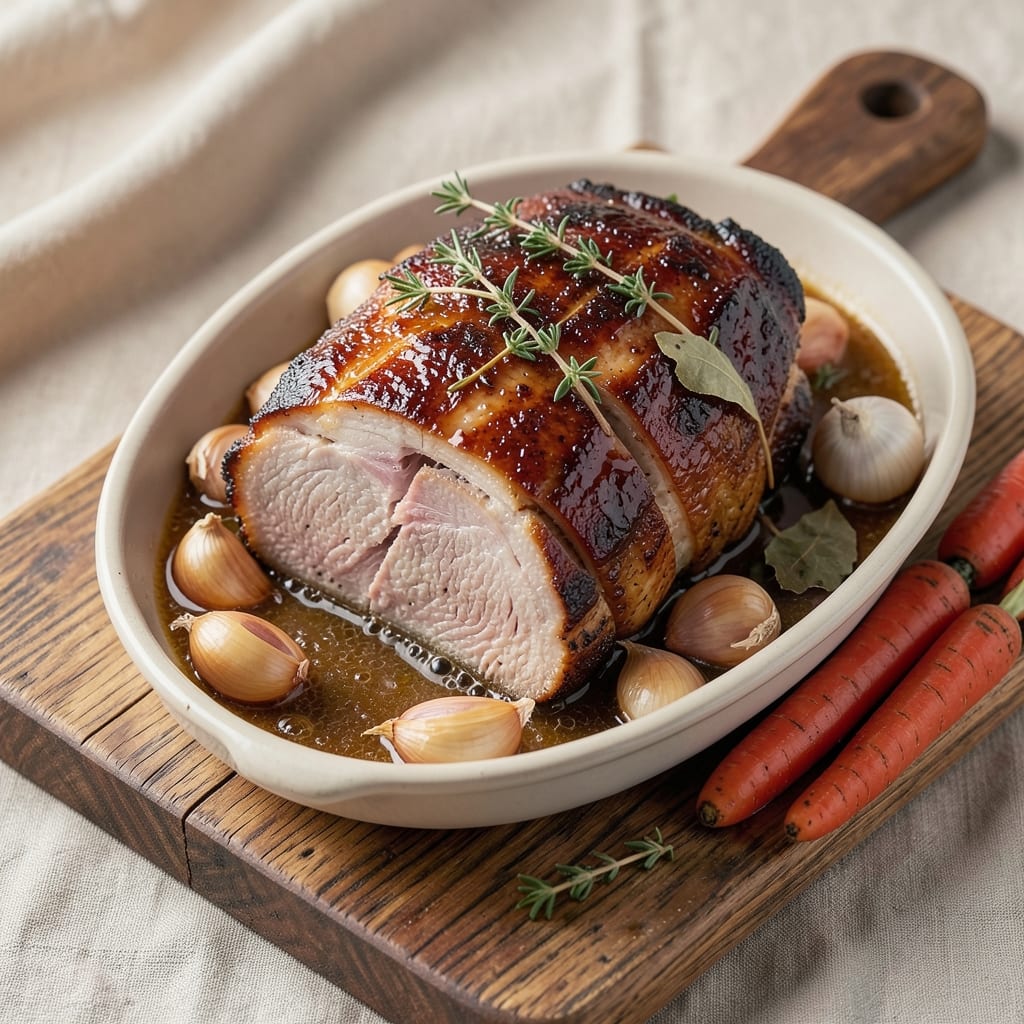
This beer-braised pork roast recipe transforms tough cuts into melt-in-your-mouth perfection—where every bite carries deep malty richness and caramelized depth. I first mastered this technique while working at The Smoky Pig, where we braised hundreds of pounds of pork weekly using local craft beers. The secret lies in the slow simmer, where beer's acidity tenderizes the meat while its hops add complexity that store-bought sauces can't match.
The process begins with a proper sear—golden-brown crust locking in juices—followed by deglazing with the same beer that will later braise the meat. Aromatic vegetables like onions and carrots form the flavor base, while thyme and bay leaves infuse subtle earthiness. The result? Pork so tender it practically falls apart, with a sauce so rich it deserves its own bowl. This isn't just dinner; it's an experience that rivals any restaurant's Sunday roast.
What makes this recipe foolproof is the balance of technique and simplicity: 30 minutes of active prep followed by 3 hours of hands-off braising. The beer choice matters—opt for a malty amber ale for depth or a crisp lager for brightness—but any quality beer works. The slow cooking ensures maximum flavor extraction, while the final reduction creates a glossy, clingy sauce that makes every bite unforgettable.
Serve with roasted root vegetables or crusty bread to soak up every last drop of that golden sauce. The leftovers? Even better reheated, as flavors meld further overnight. This is the kind of dish that turns weeknights into special occasions—no fancy ingredients required, just time and patience to let the beer work its magic.
Ingredients for beer braised pork roast
Six aromatic ingredients unlock the secret to restaurant-quality braised pork at home.
| Ingredient | Amount | Notes |
|---|---|---|
| Pork Shoulder Roast 🐖 | 4 lb | Bone-in for maximum flavor |
| Yellow Onions 🧅 | 2 whole | Cut into 1-inch chunks |
| Carrots 🥕 | 1 ½ lb | Whole, scrubbed, cut into 2-inch pieces |
| Garlic Cloves 🧄 | 6 cloves | Smashed, not minced |
| Fresh Thyme 🌿 | ¼ oz | Or 2 tbsp dried thyme |
| Bay Leaves 🍃 | 2 whole | Dried, standard size |
| Amber Ale Beer 🍺 | 2 cups | Malty, 5-6% ABV preferred |
| Beef Broth 💧 | 1 cup | Low-sodium preferred |
| Olive Oil 🫒 | ¼ cup | Extra-virgin for searing |
| All-Purpose Flour 🌾 | 1 tbsp | For dredging roast |
| Salt 🧂 | 1 ½ tsp | Diamond Crystal preferred |
| Black Peppercorns 🌶️ | ½ tsp | Freshly cracked |
| Tomato Paste 🍅 | 1 tbsp | Squeeze tube preferred |
The pork shoulder is the heart of this dish—bone-in cuts yield richer flavor than boneless, and 4 pounds serves a crowd while keeping portions generous. For the best texture, look for cuts with visible marbling at Whole Foods or your local butcher shop; avoid pre-sliced roasts that lose moisture during braising. The beer choice is critical: amber ales provide malty depth, while lagers offer crisp brightness. I prefer Allagash White or New Belgium Fat Tire for their balance, but any quality craft beer works—just avoid overly hoppy IPAs that can overpower the dish. For the vegetables, organic carrots hold their shape better during long cooking, though conventional works fine.
No amber ale? Substitute with a malty brown ale or even a dry red wine—the alcohol content is what tenderizes the meat. Fresh thyme is ideal, but dried thyme at one-third the amount works in a pinch. The tomato paste can be skipped entirely if you're avoiding umami, though it adds depth. For the flour, King Arthur all-purpose creates a lighter crust than store brands. The beef broth should be low-sodium—homemade or high-quality store-bought like Pacific Foods. If you're short on time, baby carrots cut prep time in half, though whole carrots develop deeper flavor. The garlic should be smashed, not minced, to prevent it from turning to mush during the long braise.
This dish rewards patience—3 hours of braising transforms tough pork into melt-in-your-mouth perfection. Store leftovers in the sauce for up to 5 days in the fridge, or freeze for 3 months. The sauce actually improves overnight as flavors meld. For serving, I recommend crusty sourdough to soak up every last drop of that malty reduction. The roast reheats beautifully—simply warm in the sauce on the stovetop or oven. Double the recipe if you're feeding a crowd; the pork freezes exceptionally well for future meals.
Why You'll Love This Recipe
- One-Pot Magic: I swear by this recipe when I’m too tired to scrub pots—just brown the pork, toss in chopped onions, carrots, and beer, then let it simmer. The aromas alone make cleanup feel like a bonus.
- Deep Umami Bomb: That slow-braised pork shoulder? It’s ridiculously tender, with a crust so crispy it’ll make you forget about takeout. The beer’s bitterness cuts through the richness, and the thyme? It’s like a little flavor hug in every bite.
- Leftovers for Days: Between us, I make this on Sunday and eat it all week—sandwiches, salads, or straight from the fridge. The pork stays juicy for ages, and the braising liquid turns into a free, flavorful gravy. No waste, just wins.
- Budget Crowd-Pleaser: A pork shoulder costs less than half the price of steak, yet feeds six easily. Add a bag of baby carrots and a few onions, and you’ve got a meal that’ll have everyone asking for seconds—without breaking the bank.
Step-by-step instructions for beer braised pork roast
Master this technique and you'll transform tough pork shoulder into melt-in-your-mouth perfection.
Sear the Pork Shoulder for Deep Flavor
Pat the 4 lb pork shoulder roast completely dry with paper towels—this is critical for achieving that golden crust we're after. Place it fat-side down in a large Dutch oven and sear over medium-high heat for 10 minutes until the fat renders and the skin develops a deep golden brown color. Flip the roast and repeat on the other side for another 10 minutes.
While the pork sears, you'll notice the fat bubbling and sizzling—this is where all that rich flavor develops. Don't rush this step; those caramelized crusts will infuse the braising liquid. Remove the pork from the Dutch oven and set it aside on a plate.
Build the Aromatic Base
In the same Dutch oven, add the 0.25 cup olive oil and heat over medium heat for 1 minute. Add the 2 whole yellow onions (cut into 1-inch chunks) and cook for 5 minutes until they begin to soften and develop a golden hue. Add the 1.5 lb carrots (cut into 2-inch pieces) and cook for another 5 minutes.
Next, add the 6 cloves garlic cloves (smashed, not minced) and cook for 30 seconds until fragrant. Sprinkle in the 1 tbsp tomato paste and stir for 1 minute to cook off the raw taste. This aromatic base forms the flavor foundation for your braise.
Create the Braising Liquid
Sprinkle the 1 tbsp all-purpose flour evenly over the vegetables and stir for 1 minute to coat them lightly. This helps thicken the braising liquid later. Pour in the 2 cups amber ale beer and 1 cup beef broth, scraping up any browned bits from the bottom of the Dutch oven with a wooden spoon.
Add the 1.5 tsp salt, 0.5 tsp black peppercorns, 0.25 oz fresh thyme, and 2 whole bay leaves. Bring the liquid to a simmer over medium heat for 5 minutes until it reduces slightly and the flavors meld together. You'll notice the aroma intensify as the beer and broth combine.
Braise Until Fork-Tender
Return the pork shoulder to the Dutch oven, fat-side up, and pour the braising liquid over it. The liquid should come about halfway up the sides of the roast. Cover the Dutch oven with a tight-fitting lid and transfer it to a 325°F oven.
Braise for 3 hours until the pork is fork-tender and can be easily pierced with a knife. The internal temperature should reach 200-205°F. During this time, the collagen in the pork will break down, creating that signature melt-in-your-mouth texture. If the liquid reduces too much before the pork is tender, add ¼ cup water to maintain moisture.
Rest and Serve
Remove the pork from the Dutch oven and transfer it to a cutting board. Tent loosely with aluminum foil and let it rest for 20-30 minutes. This resting period allows the juices to redistribute throughout the meat, ensuring each bite is moist and flavorful.
While the pork rests, skim any excess fat from the braising liquid and reduce it over medium heat for 5-10 minutes until it reaches your desired consistency. Slice the pork against the grain into ½-inch thick slices and serve with the reduced braising liquid spooned over the top. The result should be tender, flavorful pork with a rich, malty sauce that complements every bite.
Pro Tips For Making Beer Braised Pork Roast
- SEAR THE PORK FIRST: Don’t skip the golden crust—it’s what makes the beer braise actually taste like something special. Hit the pork shoulder with a hot pan (no oil needed—it’s fatty enough) until deep brown in spots. I used to rush this, and the meat just soaked up beer like a sponge instead of building flavor. Two minutes per side, and don’t move it until it’s stubbornly stuck.
- PEEL AND SLICE CARROTS UNEVENLY: Cut those carrots into chunks that look like they were hacked with a hatchet—not perfect rounds. The jagged edges release starch faster, thickening the braising liquid without turning it gluey. (Yes, it looks chaotic, but your sauce will thank you.) Skip the peeling if you’re in a hurry—the skins add texture and won’t bother anyone.
- USE STALE THYME STEMS: Save the woody stems from your thyme sprigs—they’re the flavor bombs of this dish. Crush them lightly with the flat of your knife before tossing into the pot. I learned this after wasting fresh sprigs that turned to mush; the stems hold up and infuse the beer like a secret weapon. Toss them in early, right with the garlic.
- BRAISE AT 300°F, NOT HIGHER: Low and slow is the only way—300°F is your sweet spot. Any hotter, and the pork turns tough before it renders fat. I used to crank the oven to 350°F out of impatience, and the meat came out dry as a bone. Cover the pot tightly and let it simmer for 3–4 hours, checking occasionally. The beer should reduce to a glossy, syrupy sauce by the end.
Storing and reheating this beer braised pork roast
Fridge Storage Secrets
Let your braised pork roast cool completely before storing—this prevents condensation that turns your sauce watery. Transfer the meat and sauce to airtight containers, like Glasslock containers, and refrigerate for up to 5 days. I always save the sauce separately because it's even more flavorful after resting overnight. The pork stays juicy when stored this way, and the beer's malty notes deepen as flavors meld. 💫
Freezer Magic
For long-term storage, freeze the pork and sauce in quart-sized freezer bags with 1-inch headspace for expansion. Label with the date—this braise keeps quality for up to 3 months. When ready to reheat, thaw overnight in the fridge for even cooking. I freeze extra portions in individual servings so I can pull out just what I need without defrosting the whole batch.
Stovetop Revival
My preferred reheating method is stovetop because it preserves that rich sauce texture. Place pork and sauce in a Dutch oven over medium-low heat for 10-15 minutes, stirring occasionally. Add 2 tbsp water if the sauce seems too thick. The gentle heat reactivates all those caramelized flavors you loved the first time. This method works perfectly for feeding a crowd from leftovers.
Oven Refresh
For a hands-off approach, preheat your oven to 300°F and place the pork and sauce in an oven-safe dish. Cover with foil and bake for 45-60 minutes until heated through. The indirect heat prevents the sauce from boiling off while ensuring even warming. I use this method when I'm prepping for a big family dinner and need to keep everything warm simultaneously.
Microwave Shortcut
When you're in a hurry, cover the pork and sauce with a microwave-safe lid and heat on 50% power for 3-4 minutes, stirring halfway. Add 1 tbsp water if needed to maintain moisture. While not as flavorful as stovetop or oven methods, it's a decent emergency option. I only use this when I'm short on time but still want to enjoy that malty goodness.
Sauce Perfection
The braising sauce is where all the magic happens—especially after reheating. For extra richness, skim any solidified fat from the fridge-stored sauce before reheating. If it's too thin after resting, reduce it on the stovetop for 5-10 minutes until it coats the back of a spoon. This concentrated sauce is perfect for drizzling over reheated pork or using as a dip for crusty bread. 🍺
Nutrition facts
Frequently asked questions
What's the best cut of pork for this braised recipe?
Use a bone-in pork shoulder roast weighing about 4 pounds—this cut is ideal because the bone adds flavor while the fat marbling ensures tender results. The bone-in version stays juicier than boneless cuts during the long braising time. Ask your butcher for the "picnic cut" if you're unsure which section to choose.
Can I use a different beer besides amber ale?
Any quality beer works—try a brown ale for deeper maltiness or a lager for crispness. Even a dry red wine in a pinch works, though beer's hops add unique complexity. Just avoid overly hoppy IPAs, which can overpower the dish. The key is 5-6% ABV for proper tenderizing.
Why does the pork need to rest after braising?
Resting for 20-30 minutes lets the juices redistribute throughout the meat instead of pooling out when sliced. This keeps every bite moist and flavorful. The beer-braised sauce also thickens slightly during resting, creating that perfect clingy consistency we all love.
What if my Dutch oven is too small for the roast?
Use a heavy oven-safe skillet or transfer the pork to a baking dish after searing. Just ensure the liquid covers at least half the roast for proper braising. For extra insurance, add ¼ cup water if the liquid reduces too quickly. The key is maintaining moisture throughout the 3-hour cook time.
How do I know when the pork is fully tender?
It should easily pierce with a fork and reach an internal temperature of 200-205°F. The meat will also separate cleanly along the bone. If it's not quite there after 3 hours, add ¼ cup water and cook another 30 minutes. The slow cooking breaks down collagen for that signature melt-in-your-mouth texture.