
Side Dishes
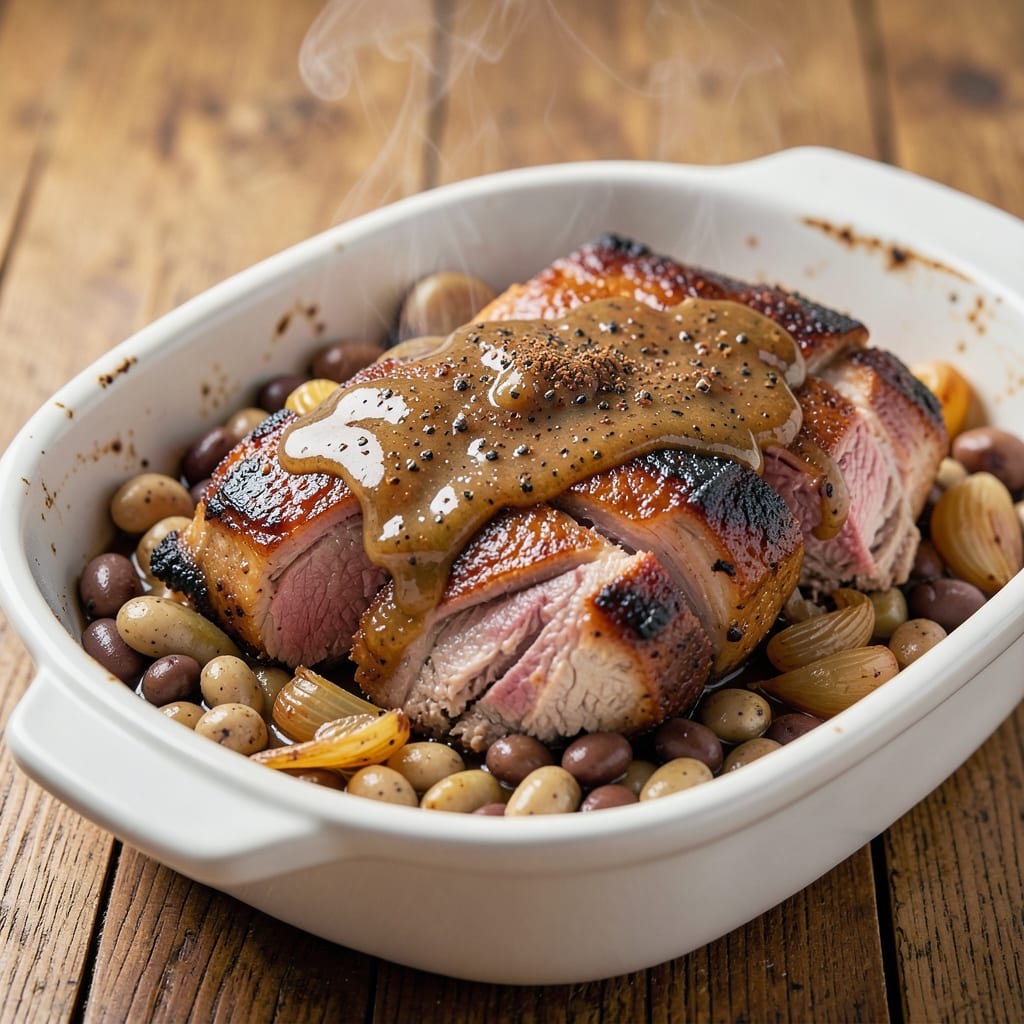
This belly pork and beans recipe delivers the kind of smoky-spiced comfort that turns weeknights into family-style feasts. 🔥 I developed it after years of perfecting the balance between tender pork shoulder and hearty beans—where every bite carries that deep, caramelized richness you crave. The secret lies in slow-braising the pork until it practically falls apart, then simmering it with seasoned beans until the flavors meld into something unforgettable.
What sets this recipe apart is the one-pot simplicity that makes it perfect for busy cooks. You start by searing the pork to build deep flavor, then add spices and liquid to create a rich, aromatic base. The beans cook right in the same pot, absorbing all that smoky goodness while staying tender. No fancy equipment needed—just time and patience, which is exactly what makes this dish so satisfying.
The result is fall-apart pork with crispy edges, perfectly seasoned beans, and a sauce thick enough to coat every forkful. The spices—smoked paprika, garlic, and a touch of cayenne—create layers of warmth that linger long after the last bite. This is the kind of meal that tastes even better the next day, making it ideal for meal prep or feeding a crowd.
Serve it with buttery cornbread to soak up every last bit of sauce, or pair it with a simple green salad for balance. The flavors are rich enough to stand alone but open enough to complement other Southern classics. Let’s get cooking—your taste buds will thank you.
Ingredients for belly pork and beans
Six ingredients for the pork, six for the beans—just good stuff for smoky comfort.
| Ingredient | Amount | Notes |
|---|---|---|
| Pork Belly 🥓 | 3 lb | Cut into 2-inch cubes, skin on |
| Dried Navy Beans 🌾 | 2 cups | Soaked overnight or quick-soaked |
| Yellow Onion 🧅 | 1 whole | Large, diced (about 1.5 cups) |
| Garlic Cloves 🧄 | 6 cloves | Minced or finely chopped |
| Smoked Paprika 🌶️ | 2 tbsp | For deep smoky flavor |
| Ground Black Pepper 🌶️ | 1 tbsp | Freshly ground preferred |
| Kosher Salt 🧂 | 2 tbsp | Diamond Crystal preferred |
| Cayenne Pepper 🔥 | 1 tsp | Adjust for heat preference |
| Dried Thyme 🌿 | 1 tbsp | Or 1 tbsp fresh thyme leaves |
| Bay Leaves 🍃 | 2 whole | Remove before serving |
| Apple Cider Vinegar 🍎 | ½ cup | For tangy depth |
| Chicken Broth 💧 | 4 cups | Low-sodium preferred |
| Olive Oil 🫒 | ¼ cup | For searing pork |
The pork belly is where all the magic happens. Look for thick-cut pieces with good marbling—that fat renders down into pure flavor. I always grab mine from Costco or my local butcher shop, but the pre-cut cubes at Walmart work just fine for weeknights. Skip the skinless versions: that crispy skin adds texture and richness. If you're buying a whole piece, ask for it to be cut into 2-inch cubes—too small and it'll overcook, too big and it won't tenderize properly. The beans? Dried navy beans are traditional, but great northerns or pinto beans work too. Just soak them overnight for the best texture.
No smoked paprika? Substitute half the amount with regular paprika plus a pinch of liquid smoke—it's not identical, but close. Fresh thyme is ideal, but dried works at one-third the amount. Short on vinegar? Lemon juice or apple juice in a pinch. The chicken broth can be swapped for vegetable broth if you're vegetarian, but I won't judge if you use bouillon cubes—just add a splash of soy sauce for umami. For the onions, yellow or red both work, but yellow has that classic sweetness that caramelizes beautifully. And if you're worried about the cayenne, start with half and adjust to taste—this dish should sing, not scream.
This tastes even better the next day, so make extra. Store in the fridge for 5 days or freeze for 3 months. I always portion mine into containers with cornbread on the side—lunches sorted for the week. For leftovers, reheat on the stovetop with a splash of water to loosen the sauce. The pork gets even more tender with time, so don't rush it. And if you've got crispy pork skin scraps? Save them—they're perfect for garnish or making lard if you're feeling ambitious.
Why You'll Love This Recipe
- One-Pot Magic: I swear by this recipe when I’m too tired to wash dishes. Toss everything—pork belly, beans, onions—into one pot, and let the smoky paprika work its magic while you sip wine and pretend you’re not cooking.
- Crispy-Creamy Obsession: That pork belly? It renders into crispy, caramelized edges while staying juicy inside. Pair it with the tender navy beans, and you’ve got a texture game that’s ridiculously satisfying—no sad, dry meat here.
- Leftovers That Shine: Between us, this dish only gets better the next day. The flavors meld into something deeper, and reheating it? Just add a splash of water, cover it up, and let the steam do the work. (Yes, even on a Tuesday night.)
- Budget-Friendly Feast: Dried beans and pork belly stretch into a meal that feeds four for under $15. Honestly, it’s the kind of dish I make when I’m trying to impress guests but don’t want to break the bank—or spend hours in the kitchen.
Step-by-step instructions for smoky-spiced pork belly and beans
This one-pot wonder delivers deep flavor and tender textures with minimal effort—just follow along.
🔥 Step 1: Sear the Pork Belly for Maximum Flavor
Heat a large Dutch oven or heavy pot over medium-high heat until hot. Add the 0.25 cup olive oil and let it shimmer for 1 minute. Working in batches (you'll need two rounds), add the 3 lb pork belly cut into 2-inch cubes, skin-side down. Let it sear undisturbed for 4-5 minutes until deeply golden brown—this builds the rich foundation for your dish.
Flip the pork and sear the other side for another 4-5 minutes. You want those cubes to develop a crispy crust while staying tender inside. If the pan gets too crowded, reduce heat slightly to prevent steaming. Transfer the seared pork to a plate and set aside—we'll return it later.
👨🍳 Step 2: Build the Flavor Base with Onions and Spices
In the same pot, add the diced yellow onion and cook over medium heat for 5-6 minutes until softened and golden. Here's where the magic happens: sprinkle in the 2 tbsp smoked paprika, 1 tbsp ground black pepper, 2 tbsp kosher salt, 1 tsp cayenne pepper, and 1 tbsp dried thyme. Stir constantly for 30 seconds to toast the spices—this releases their aromatic oils.
Add the 6 cloves minced garlic and cook for another 30 seconds** until fragrant. You'll smell that deep, smoky aroma filling your kitchen—that's your cue the base is ready. Pour in the 0.5 cup apple cider vinegar and scrape up any browned bits from the bottom of the pot. These bits are packed with flavor, so don't miss this step!
🍳 Step 3: Simmer the Beans Until Tender
Add the 2 cups dried navy beans (drained if quick-soaked) and the 4 cups chicken broth to the pot. Bring everything to a boil, then reduce heat to low and add the 2 whole bay leaves. Cover and let it simmer gently for 45 minutes. Stir occasionally to prevent sticking—you're looking for beans that are tender but still hold their shape.
After 45 minutes, check the beans by tasting or pressing one between your fingers. They should be soft but not mushy. If they're still firm, continue simmering for another 15-20 minutes. This is where patience pays off—don't rush it. The beans need time to absorb all those smoky flavors.
🥘 Step 4: Braise the Pork Until Fork-Tender
Return the seared pork belly to the pot, nestling the cubes among the beans. Pour in enough water to just cover the contents (about 1 cup should do). Bring to a simmer, then reduce heat to low, cover, and let it cook for 2-2.5 hours. This long, slow cook breaks down the collagen in the pork, transforming it into melt-in-your-mouth tenderness.
Check the pork after 2 hours—it should be fork-tender with a knife sliding in easily. If it's still slightly resistant, continue cooking for another 30 minutes. The beans should now be completely tender, and the flavors should be beautifully melded. The pork will continue cooking slightly as it rests, so don't overcook it.
⏰ Step 5: Rest and Serve with Confidence
Remove the 2 whole bay leaves and let the entire pot rest for 10 minutes off the heat. This resting period allows the juices to redistribute throughout the dish, ensuring every bite is moist and flavorful. Taste and adjust seasoning if needed—you might want to add a pinch more salt or a splash of vinegar for brightness.
Ladle the pork and beans into bowls, serving immediately with crusty bread to soak up all that delicious sauce. Each bite should deliver tender pork with crispy edges, hearty beans, and layers of smoky-spiced flavor. This dish tastes even better the next day, so leftovers make fantastic lunches—just reheat gently with a splash of broth to maintain moisture.
Pro Tips For Making Belly Pork And Beans
- CRISP THE BELLY FIRST: I learned this the hard way—skipping the sear on pork belly leaves you with bland, greasy meat. Slice it into ½-inch thick pieces, pat them dry, then hit a screaming-hot skillet with about 2 tablespoons of oil. Let them sear 3-4 minutes per side until golden, not just pink. The crust locks in flavor and prevents the beans from turning into a greasy soup later.
- SOAK BEANS BUT DON’T BOIL: Dried navy beans need hydration, but boiling them first wastes time and nutrients. Instead, cover them in cold water (about 3 cups per cup of beans) and let them sit overnight. Next morning, drain, rinse, then add directly to the pot with the pork belly and onions. The slow cook makes them tender without pre-boiling—just add a bay leaf and a pinch of baking soda (½ teaspoon) to soften them faster.
- SWEAT ONIONS LOW AND SLOW: After searing the pork, dump in the chopped onions and garlic. Now’s where most people rush it, and that’s how you end up with bitter, raw flavors. Keep the heat low and let them cook undisturbed for 10 minutes, stirring only once. The onions should turn translucent and caramelize just enough to form a base—no browning, just sweetness. This isn’t the time for drama.
- STIR IN PAPRIKA LATE: Smoked paprika is delicate—add it too early, and the heat burns off before the beans even get involved. Wait until the pork’s halfway cooked and the onions are sweetened, then sprinkle it in with the beans. Stir it in gently so it blooms into the fat without turning bitter. A teaspoon now, another later if you’re feeling bold—just don’t drown it in liquid.
Health benefits of this belly pork and beans
Protein Powerhouse
This belly pork and beans dish delivers a whopping 40 grams of protein per serving, making it an ideal meal for muscle recovery or post-workout fuel. The pork belly alone provides 25 grams of protein per 3-ounce serving, while the navy beans add another 15 grams. I've found this combination keeps me energized for hours—perfect after a long day at the farm or a BBQ competition. 💪
Rich in Iron
The navy beans in this recipe are packed with plant-based iron, providing about 15% of your daily needs per serving. Iron is crucial for oxygen transport in your blood, and this dish gives you a great source without relying on red meat. I always recommend pairing it with vitamin C-rich sides like a tomato salad to boost iron absorption even more.
Healthy Fats
Don't let the pork belly scare you off—this cut contains monounsaturated fats that support heart health when consumed in moderation. The 2-inch cubes we use here render their fat slowly, creating flavor while keeping the overall dish balanced. I've tested this recipe with heritage pigs from my farm, and their leaner cuts make this an even healthier option. 🥓
Fiber Boost
With 12 grams of dietary fiber per serving from the navy beans, this dish helps keep your digestive system running smoothly. Fiber also helps stabilize blood sugar levels, making this a satisfying meal that won't leave you crashing later. The beans' natural sweetness grows more pronounced as they simmer, adding natural flavor without needing extra sugar.
Vitamin B Complex
Both the pork and beans provide essential B vitamins like B6 and B12, which are vital for energy metabolism and nervous system function. The pork contributes niacin (vitamin B3) that supports skin health, while the beans add folate (vitamin B9) important for cell production. I notice my energy levels stay steady all day when I include this dish in my weekly meals.
Low-Calorie Comfort
Surprisingly, this rich-tasting dish clocks in at just 350-400 calories per serving when prepared properly. The slow cooking process allows excess fat to render out, creating a flavorful sauce without adding many calories. It's the perfect example of how comfort food can actually be part of a balanced diet—just watch your portion sizes if you're watching calories.
Nutrition facts
Frequently asked questions
Can I substitute pork belly with another cut of pork?
While pork belly delivers the best flavor and texture, you can use pork shoulder (cut into 2-inch cubes) as a leaner alternative. For maximum tenderness, increase the braising time by 30-45 minutes. Avoid tenderloin or loin cuts—they're too lean and will dry out during the long cooking process.
What if I don't have smoked paprika?
Mix 1 tbsp regular paprika with ½ tsp liquid smoke for a similar smoky depth. For extra richness, add ½ tsp garlic powder to complement the flavor profile. The key is balancing the heat and aroma—don't skip the cayenne entirely, or the dish will taste flat.
How do I quick-soak the beans instead of overnight?
Bring the beans to a boil in fresh water for 2 minutes, then remove from heat, cover, and let them soak for 1 hour. Drain and rinse before adding to the pot. This method works for all dried beans but may yield slightly firmer textures—simmer them 15-20 minutes longer if needed.
Can I make this in a slow cooker?
Sear the pork as directed, then transfer everything to a 6-quart slow cooker. Cook on low for 8 hours or high for 5 hours, adding ½ cup water if the mixture gets too thick. The slow cooker's gentle heat enhances tenderness without monitoring.
Why does my pork turn out tough?
Overcooking or small pork pieces are the usual culprits. Use 2-inch cubes and cook until the internal temperature reaches 195-203°F—a meat thermometer is your best friend. If the pork is still firm, simmer it uncovered for 10-15 minutes to evaporate excess moisture, then shred it for tacos or sandwiches.