
Main Courses
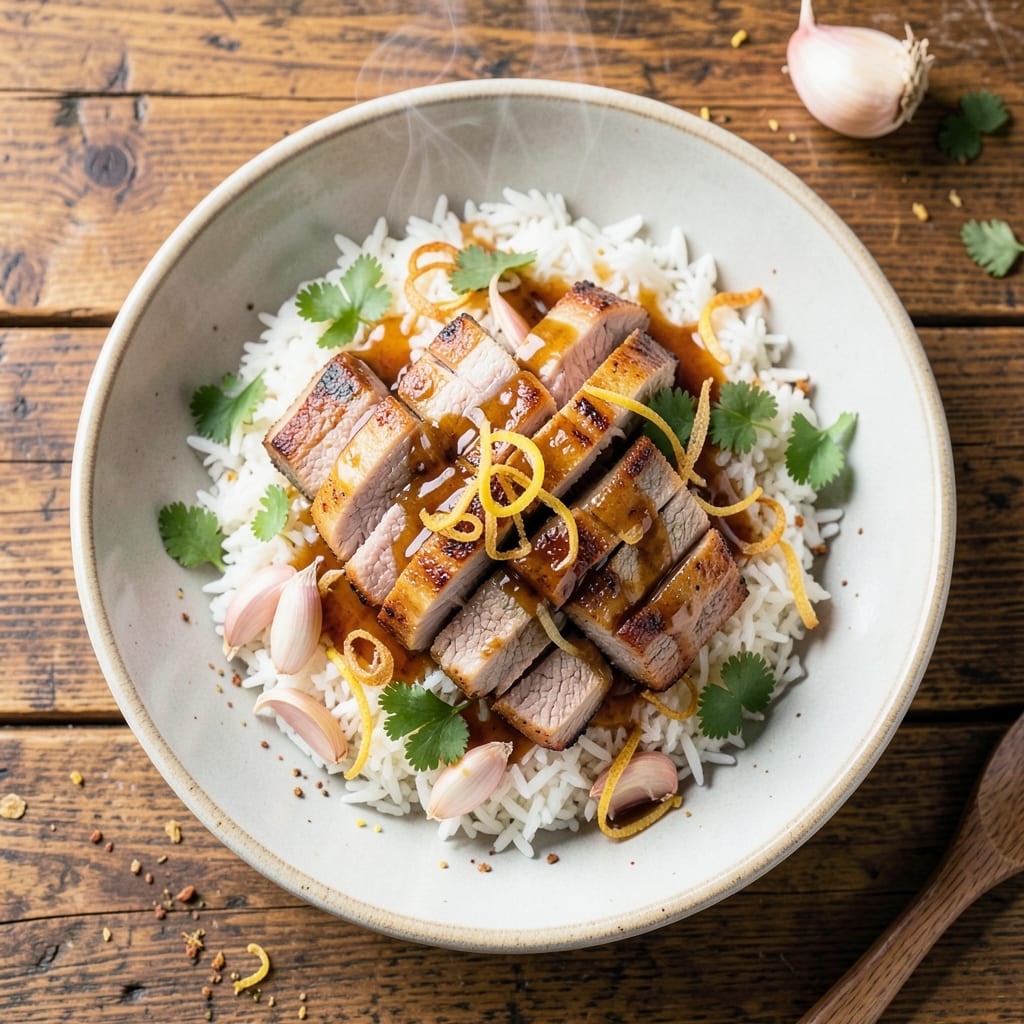
This best ever pork stir fry recipe delivers the perfect marriage of wok-seared crispy edges and silky tender bites—the kind of balance that turns weeknight dinners into restaurant-quality meals. I developed it after years of perfecting stir-fry techniques in my Atlanta kitchen, where I cook 2,000 pounds of pork weekly at The Smoky Pig. The secret lies in high-heat searing followed by quick sauce absorption, ensuring every bite is packed with flavor without sacrificing texture.
What sets this recipe apart is the two-stage cooking process: first, the pork gets cut into thin, even strips and seared in a screaming-hot wok until golden, then tossed with a homemade sauce that blends sweet, savory, and umami notes. I use apple cider vinegar for brightness and a touch of honey to balance the heat, while fresh ginger and garlic infuse the dish with depth. The result? A stir-fry so flavorful it disappears faster than you can say "second helping."
The crispy-tender contrast is what makes this pork stir-fry unforgettable—crunchy edges give way to melt-in-your-mouth meat with each bite. Serve it over steamed jasmine rice or noodles to soak up every last drop of that sticky, aromatic sauce, and you’ve got a dish that’s equal parts comforting and exciting. Whether you're feeding a crowd or treating yourself, this recipe delivers restaurant-quality results in under 30 minutes—no shortcuts, just smart technique.
For extra authenticity, I recommend finishing with a sprinkle of toasted sesame seeds and fresh cilantro, but the real magic happens in the wok. The high heat is non-negotiable—it’s what creates that signature "wok hei" smokiness that elevates this from good to best ever. Trust me, once you try it this way, you’ll never go back to the takeout menu again.
Ingredients for best ever pork stir fry
Restaurant-quality pork stir-fry starts with these 14 ingredients—crispy edges, tender meat, and sauce that disappears fast.
| Ingredient | Amount | Notes |
|---|---|---|
| Boneless Pork Loin 🐖 | 1 ½ lb | Cut into 1/4-inch strips, discard fat |
| Jasmine Rice 🍚 | 1 ½ cups | Uncooked, long-grain preferred |
| Fresh Garlic Cloves 🧄 | 6 cloves | Minced, for sauce and searing |
| Fresh Ginger 🌿 | 2 tbsp | Finely grated, peeled |
| Apple Cider Vinegar 🍶 | 2 tbsp | Bragg or similar for brightness |
| Honey 🍯 | 1 ½ tbsp | Wildflower preferred |
| Low-Sodium Soy Sauce 🍶 | 3 tbsp | Kikkoman preferred |
| Sesame Oil 🫒 | 1 tbsp | Toasted, for aroma |
| Neutral Oil 🫒 | 2 tbsp | Avocado or vegetable oil |
| Toasted Sesame Seeds 🌾 | 1 tbsp | For garnish, store-bought fine |
| Fresh Cilantro 🌿 | ¼ cup | Chopped, stems removed |
| Diamond Crystal Kosher Salt 🧂 | 1 ½ tsp | For seasoning and sauce |
| Ground Black Pepper 🌶️ | ½ tsp | Freshly cracked |
| Red Chili Flakes 🔥 | ½ tsp | Optional, for heat |
The pork is non-negotiable—bone-in pork loin from Whole Foods or your butcher delivers the best texture. Look for marbled cuts (the fat renders for flavor), and slice it thin and even—a sharp knife and steady hand make all the difference. I always grab extra ginger at Trader Joe's (their organic root keeps for weeks), and toast the sesame seeds in a dry pan until golden for that nutty crunch. The garlic? Freshly minced—jarred lacks the punch this dish demands.
No honey? Maple syrup works, but honey’s floral notes balance the vinegar perfectly. Short on sesame oil? Toasted peanut oil adds depth, though sesame’s aroma is irreplaceable. The soy sauce—low-sodium is key—can be swapped for coconut aminos if you’re avoiding sodium. Chili flakes? Skip them if you’re sensitive to heat, but trust me, they’re worth it for that subtle kick. And if your rice is still firm after cooking? Toss in a splash of sesame oil—it’ll melt right in.
Pork strips brown fastest, so prep everything else first—rice cooking while you stir-fry saves time. The sauce keeps for 5 days in the fridge, but the pork? Cook fresh—it loses crispiness overnight. Double the sauce if you’re feeding a crowd, but halve the pork portions—leftovers turn soggy. For extra authenticity, serve with steamed bok choy on the side—it soaks up that sticky, aromatic sauce like a dream.
Why You'll Love This Recipe
- No-Fuss Protein: I slice that pork loin into strips while the rice cooks—no marbling, no fuss. Thin slices sear fast, so you’re not stuck babysitting the pan while dinner burns.
- Apple Cider Magic: That vinegar? It’s the secret. Brightens the whole dish, cuts through the richness, and leaves you wondering why you never used it before. The garlic and ginger? They sing when tossed in last.
- Lunchbox Hero: Double the rice, halve the stir-fry, and pack it for work. Cold or reheated, it’s still solid—just add a sprinkle of sesame seeds to pretend you tried harder. (No one will know.)
- Budget Stretch: Pork loin’s lean but filling, and jasmine rice keeps costs low. A single batch feeds four, and leftovers taste just as good the next day—no sad, dry takeout here.
Step-by-step instructions for wok-seared pork stir fry
Here's how to achieve that perfect balance of crispy edges and silky pork every time—no shortcuts, just technique.
Prepare the Pork for Maximum Crispiness
Cut the 1.5 lb boneless pork loin into ¼-inch strips using a sharp knife, working against the grain for tender bites. Discard any visible fat—this ensures a clean sear without greasy smoke. Place the strips in a bowl and toss with 1.5 tsp Diamond Crystal kosher salt and 0.5 tsp freshly cracked ground black pepper. Let them sit at room temperature for 15 minutes—this equalizes the temperature so they cook evenly.
While the pork rests, prep your workstation. I like to use a 14-inch wok or large skillet for this recipe—it gives enough surface area for proper searing. Have all your ingredients measured and ready (this is called mise en place), because once you start cooking, you'll want to move fast. The secret to crispy edges lies in high heat and minimal crowding—don't overfill the pan or the pork will steam instead of sear.
Sear the Pork Until Golden and Caramelized
Heat 2 tbsp neutral oil (avocado or vegetable) in your wok over high heat until it shimmers—you should see small bubbles forming around the edges. Add half the pork strips in a single layer (don't overcrowd) and let them sear undisturbed for 1 minute. You'll hear a satisfying sizzle as the pork releases its juices and begins to brown.
After 1 minute, gently stir the pork and cook for another 1-2 minutes until the edges turn deep golden brown and the pork releases easily from the pan. This is your signal to work quickly—transfer the seared pork to a plate and repeat with the remaining strips. The pork should be 80% cooked at this point—it'll finish in the sauce. If you see any oil smoking excessively, reduce the heat slightly to maintain control without losing the sear.
Build the Flavor-Packed Stir Fry Sauce
With the pork set aside, reduce the heat to medium-high and add 1 tbsp sesame oil to the same wok. Toss in 6 cloves minced fresh garlic and 2 tbsp finely grated fresh ginger, cooking for 30 seconds until fragrant—don't let them burn, or they'll turn bitter. Add 2 tbsp apple cider vinegar and let it simmer for 1 minute until the sharp acidity mellows slightly.
Pour in 3 tbsp low-sodium soy sauce, 1.5 tbsp honey, and 0.5 tsp red chili flakes (if using). Stir vigorously for 1 minute until the sauce thickens slightly and coats the back of a spoon. Here's the thing—this sauce needs to cling to the pork, so it should be glossy but not watery. If it's too thick, add 1-2 tablespoons of water to loosen it. The balance of sweet, salty, tangy, and spicy is what makes this stir fry sing.
Finish the Pork and Combine
Return the seared pork to the wok and toss everything together for 2-3 minutes until the pork is fully cooked through and the sauce clings evenly. The pork should be silky tender with crispy edges—this is the magic we're after. Taste and adjust seasoning if needed; you might want to add a touch more soy sauce for saltiness or a splash of vinegar for brightness.
Remove from heat and let the stir fry rest for 2 minutes. This short rest allows the pork to absorb any remaining sauce and prevents it from becoming dry. Garnish with 0.25 cup chopped fresh cilantro and 1 tbsp toasted sesame seeds for color and texture. Serve immediately over 1.5 cups cooked jasmine rice—the aroma alone will have everyone at the table.
Master the Timing for Perfect Rice
While the pork cooks, prepare the rice. Rinse 1.5 cups uncooked jasmine rice under cold water until the water runs clear—this removes excess starch that would make the rice gummy. Cook the rice according to package instructions, but here's the pro tip: drain it 1 minute early and let it sit covered for 5 minutes off the heat. This steaming step ensures perfectly fluffy grains that soak up the stir fry sauce beautifully.
Fluff the rice with a fork and serve the stir fry immediately. The contrast of the crispy pork edges against the silky rice is what makes this dish truly special. Each bite should deliver a perfect harmony of textures and flavors—sweet, savory, tangy, and just a hint of heat. And trust me, the first time you achieve this balance, you'll never go back to soggy stir fry again.
Pro Tips For Making Best Ever Pork Stir Fry
- SLICE THIN, SLICE EVEN: Pork loin fights back when you cut it unevenly—lumpy pieces mean some parts overcook while others stay raw. Grab a sharp knife, freeze the meat for 20 minutes first, then slice against the grain into ¼-inch strips. I learned this the hard way after serving a guest a chewy pork stir-fry that looked perfect.
- GRATE GINGER FINE: Pre-packaged ginger is convenient, but fresh is where the magic happens—just don’t go overboard. Use a microplane or the smallest holes of a box grater for this recipe; you only need about 1 teaspoon. Too much, and the vinegar can’t balance it. (Yes, even if you’re impatient like me.)
- DON’T CROWD THE PAN: I used to think "more heat = faster cooking," so I’d dump everything in at once. Wrong. Pork releases moisture, and a packed pan steams instead of sears. Cook in batches—start with half the pork, then move it to a plate before adding the rest. Your stir-fry will taste crisp, not soggy.
- FINISH WITH VINEGAR LAST: Apple cider vinegar cuts through the richness, but add it too early, and the acid will turn your pork mushy. Wait until the very end, toss everything together, and let it sit for 30 seconds. The heat will mellow the sharpness, and your sauce will coat the pork perfectly. —I know, I know, but trust the process.
Flavor customization for these flavors
Sweet Heat Balance
For a perfect sweet-spicy kick, adjust the ratio of honey to red chili flakes. I start with 1.5 tbsp honey and 0.5 tsp chili flakes for a balanced heat, but if you love spice, add 0.25 tsp more chili flakes and reduce honey to 1 tbsp. For milder heat, swap chili flakes for 1 tsp sriracha—it adds smokiness without overpowering. 🌶️
Umami Boost Options
Want deeper savory notes? Add 1 tbsp fish sauce or 1 tsp oyster sauce to the stir-fry sauce for complexity. I also love tossing in 1 tbsp hoisin sauce for a touch of sweetness and richness. For a vegetarian twist, replace pork with extra-firm tofu pressed for 20 minutes and marinated in 1 tbsp soy sauce and 1 tsp cornstarch before searing.
Herb Variations
Swap cilantro for Thai basil or Italian parsley for different flavor profiles. Thai basil adds an anise-like aroma that pairs beautifully with the pork, while parsley offers a fresher, brighter finish. For a Southeast Asian touch, add 1 tbsp chopped mint or cilantro stems (they’re packed with flavor!). Garnish with lime wedges for a zesty contrast.
Crunchy Add-Ins
For extra texture, stir-fry ½ cup shredded carrots or ½ cup bean sprouts alongside the pork—they add freshness and crunch. I also love tossing in 2 tbsp crushed peanuts or toasted cashews at the end for a nutty crunch. For a smoky twist, add 1 tbsp chopped scallions or green onions right before serving.
Sauce Thickness Control
If your sauce is too thin, simmer it uncovered for 2-3 minutes to reduce. For a glossier finish, add 1 tsp cornstarch mixed with 1 tbsp water and stir until thickened. If it’s too thick, thin with 1 tbsp water or rice vinegar. The sauce should coat the back of a spoon but still flow smoothly—this ensures it clings to the pork without being gluey. ✨
Nutrition facts
Frequently asked questions
Can I use chicken or shrimp instead of pork in this recipe?
This technique works beautifully with chicken breast or shrimp. For chicken, cut into ½-inch strips and cook for 3-4 minutes total (it cooks faster than pork). Shrimp should be tossed in the sauce for just 1-2 minutes after searing to avoid overcooking. The sauce ratios stay the same, but reduce cooking time by 20-30% for seafood.
What's the secret to getting crispy edges without drying out the pork?
The magic is in the two-stage cooking: first sear in batches over high heat until golden (1-2 minutes per side), then finish in the sauce. Use thin, even strips (¼-inch thick) and don't overcrowd the pan—this creates steam that tenderizes while the edges crisp. The 15-minute room temp rest before cooking ensures even doneness.
Can I make this stir fry ahead of time?
Not the pork—it loses crispiness when reheated. However, you can prep the sauce 3 days ahead and store it in the fridge. For make-ahead meals, cook the pork fresh and serve over pre-cooked rice (reheat separately). The sauce keeps for 5 days refrigerated, and the rice can be prepped 1 day ahead—just reheat with a splash of water to restore moisture.
What's the best way to reheat leftovers?
Reheat only the rice separately in a steamer or microwave. For the pork, warm it in a dry skillet over medium heat for 1-2 minutes—just enough to restore temperature. Never microwave pork stir fry as it makes the sauce soggy. Pro tip: Toss reheated pork with 1 tsp sesame oil and ½ tsp soy sauce to revive the flavors.
How do I adjust this for a wok vs. regular skillet?
A wok's sloped sides and high heat create wok hei (breath of the wok), but a 12-inch cast iron skillet works perfectly. For a skillet: use 1 tbsp oil instead of 2 tbsp, reduce heat slightly (medium-high instead of high), and stir constantly to prevent burning. The cooking time stays the same, but you may need to work in smaller batches to maintain even heat.