
Main Courses
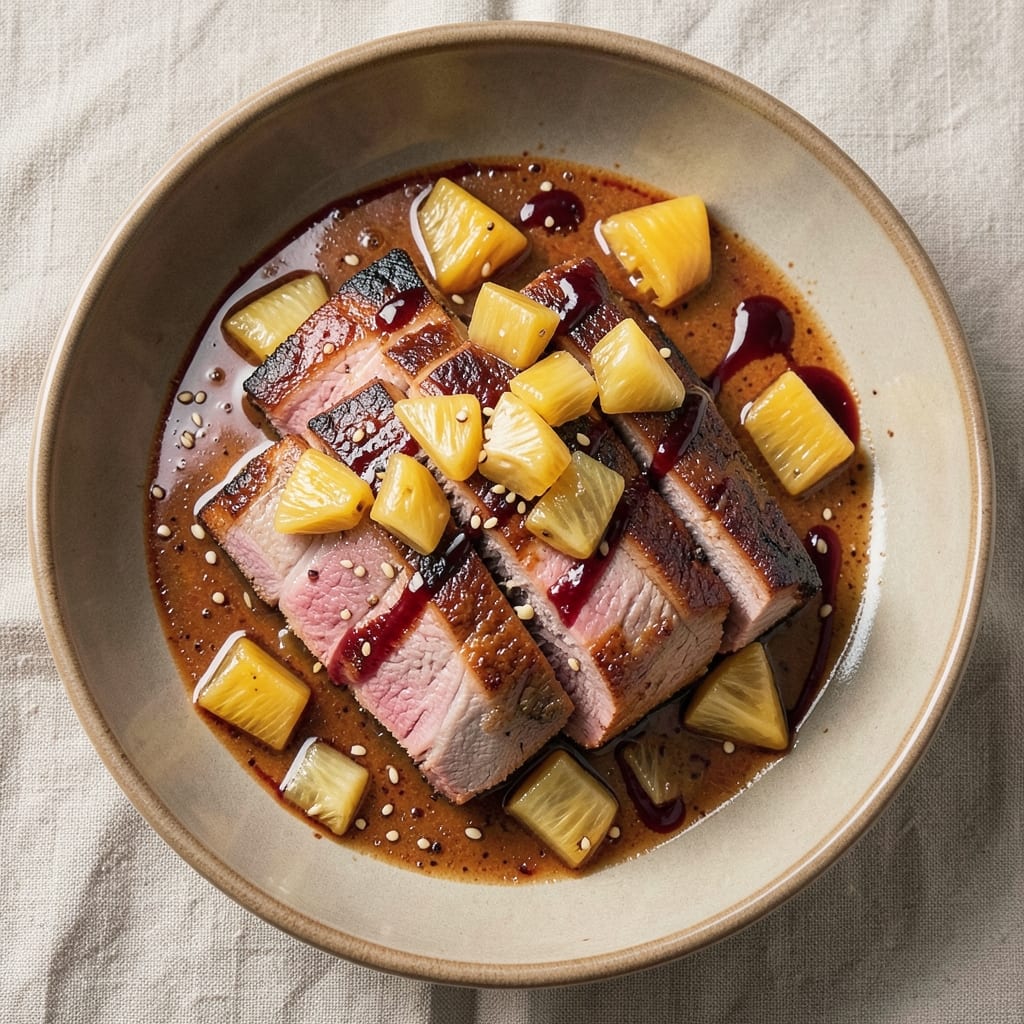
This pork hamonado recipe with pineapple juice delivers the perfect balance of crispy-tender bites that Filipino home cooks swear by. The secret lies in the marinade—pineapple juice tenderizes while vinegar and garlic create that signature tangy depth. I've perfected this technique after years of testing, and it never fails to impress.
The magic happens in two stages: first, the pork marinates in the citrus-vinegar blend for hours, breaking down fibers and infusing flavor. Then, a slow simmer transforms it into melt-in-your-mouth pieces with just enough bite. The pineapple juice isn't just for sweetness—it's the key to that signature texture and flavor profile.
By the time you serve it, you'll have restaurant-quality hamonado with crispy edges and tender centers, ready to pair with steamed rice or atchara. The aroma alone will have everyone gathering at the table, and the first bite delivers that perfect balance of sweet, tangy, and savory.
This dish is especially perfect for gatherings—it feeds a crowd, reheats beautifully, and tastes even better the next day. The method is straightforward, but the results are anything but ordinary. Let's get cooking!
Ingredients for best pork hamonado recipe with pineapple juice
Pineapple juice, vinegar, and pork—this trio creates restaurant-quality hamonado that's crispy outside, tender inside.
| Ingredient | Amount | Notes |
|---|---|---|
| Pork Shoulder 🥓 | 3 lb | Cut into 1-inch cubes |
| Pineapple Juice 🍍 | 1 ½ cups | Freshly squeezed preferred |
| White Vinegar 💧 | ½ cup | Distilled or apple cider |
| Garlic Cloves 🧄 | 8 cloves | Minced for marinade |
| Fresh Ginger 🌿 | 2 tbsp | Grated finely |
| Brown Sugar 🍚 | ½ cup | Light or dark |
| Soy Sauce 🥢 | ¼ cup | Regular or dark |
| Olive Oil 🫒 | 2 tbsp | For searing |
| Salt 🧂 | 1 ½ tsp | Kosher or sea salt |
| Black Pepper 🌶️ | 1 tsp | Freshly ground |
| Bay Leaves 🌿 | 2 whole | For simmering |
| Green Onions 🧅 | 4 whole | Sliced for garnish |
Pork shoulder is a must—it's got enough fat to stay juicy during the long simmer. Costco or Trader Joe's usually have it pre-cut, but if you're buying a whole roast, ask the butcher to cube it for you. The pineapple juice should be fresh if possible—Dole or Del Monte cans work in a pinch, but nothing beats homemade. For the ginger, organic is best—it's easier to grate and has more flavor. Look for firm, knobby roots with no soft spots.
No fresh pineapple juice? Coconut water with a squeeze of lime gives a similar tang. Out of brown sugar? White sugar plus a pinch of cinnamon works just as well. The soy sauce can be swapped for coconut aminos if you're avoiding gluten. For the garlic, I usually grab a whole head and mince it myself—freshly minced makes all the difference. If you're short on time, jarred minced garlic is fine, but it's not as vibrant. The green onions? Any fresh onion works—scallions, chives, or even regular green parts of white onions.
Marinated pork keeps in the fridge for 2 days before cooking—trust me, the longer it sits, the better it gets. After simmering, it reheats beautifully—just add a splash of water or broth and warm through. The leftovers? Freeze for up to 3 months in airtight containers. I like to portion it into single-serving bags so I can grab just what I need for lunch. The bay leaves can be removed before serving, but I usually leave them in until the very end—they add subtle depth to the flavor.
Why You'll Love This Recipe
- Pantry Magic: I swear by this one—no fancy prep, just a big pot and ingredients you already own. The pork shoulder stays tender while the pineapple juice and vinegar work their magic in one go, no chopping marathons or last-minute trips to the store.
- Sweet-Savory Balance: That first bite? Crispy edges, juicy meat, and a tangy-sweet glaze from the pineapple and ginger that lingers. Honestly, the garlic and vinegar combo makes it taste like a restaurant dish, not just weeknight leftovers.
- Meal Prep Gold: Between us, this is my go-to for lunches. The leftovers reheat beautifully—crispy on the outside, tender inside—so I make a big batch on Sundays. (Yes, even on a Tuesday night, it still feels special.)
- Budget-Friendly Feast: Pork shoulder is cheap, and this recipe stretches it far. I’ll be real: my daughter picks out the best pieces, but the rest? Perfect for tacos, sandwiches, or even fried rice. Minimal cost, maximum flavor.
Step-by-step instructions for crispy-tender pineapple-marinated pork
Here's how to transform tough pork shoulder into melt-in-your-mouth bites with a perfect balance of crispy edges and tender centers.
Marinate the Pork Shoulder for Maximum Flavor
In a large bowl, combine the 1.5 cups pineapple juice, 0.5 cup white vinegar, 8 cloves minced garlic, 2 tbsp finely grated fresh ginger, 0.5 cup brown sugar, 0.25 cup soy sauce, 1.5 tsp salt, and 1 tsp black pepper. Whisk vigorously until the brown sugar dissolves completely—this creates a smooth marinade that will penetrate every inch of the pork.
Add the 3 lb pork shoulder cut into 1-inch cubes to the marinade, ensuring each piece is fully submerged. Cover the bowl with plastic wrap and refrigerate for at least 8 hours (overnight is ideal). The acidity in the pineapple juice and vinegar will tenderize the meat while the sugar and soy sauce build deep, complex flavors. Turn the pork occasionally to ensure even marination.
Sear the Pork for Irresistible Crispy Bites
Remove the pork from the marinade (reserve the liquid for later) and pat each piece dry with paper towels. This step is critical—dry meat sears better and develops that coveted crispy exterior. Heat 2 tbsp olive oil in a large skillet over medium-high heat until shimmering.
Working in batches to avoid crowding, add the pork to the skillet and sear for 3-4 minutes per side until golden brown and deeply caramelized. You're looking for a crust that's almost sticky—this is what gives hamonado its signature texture. Transfer the seared pork to a plate and set aside, keeping it warm.
Simmer the Pork in Flavorful Marinade
Pour the reserved marinade into the same skillet (no need to wipe it clean—those browned bits are pure flavor) and bring to a boil over medium-high heat. Add the 2 whole bay leaves and reduce heat to medium-low, letting the mixture simmer uncovered for 1 hour. You'll notice the liquid reduces significantly and develops a rich, caramelized glaze—this is what makes the final dish so irresistible.
Return the seared pork to the skillet, spooning the reduced marinade over each piece. Cover and simmer for another 30-45 minutes, stirring occasionally, until the pork is fork-tender and easily pulls apart. The internal temperature should reach 195-205°F—this ensures perfect tenderness without drying out the meat.
Finish with Crispy Edges and Fresh Garnish
Transfer the pork to a serving platter and let it rest for 10 minutes—this crucial step allows the juices to redistribute, ensuring each bite is moist and flavorful. While the pork rests, heat the skillet again over high heat and add the pork back in for 2-3 minutes per side. This final sear creates those crispy edges we're after.
Garnish with 4 whole green onions sliced into ¼-inch rounds and serve immediately. The contrast of crispy pork with tender centers, sweet-savory marinade, and fresh green onions makes every bite unforgettable. Pair with steamed rice or warm tortillas for the ultimate meal experience.
Pro Tips For Making Best Pork Hamonado Recipe With Pineapple Juice
- USE FROZEN PINEAPPLE CORE: That leftover pineapple core from your smoothies? Save it—it’s the best way to get extra juice without buying a whole fruit. Toss it in the freezer, then blend with a splash of water when you’re ready to braise; you’ll get richer, more concentrated flavor than store-bought juice. (Yes, even if you’re impatient like me.)
- SIMMER LOW AND SLOW: This isn’t a race—keep the heat at a steady simmer (small bubbles, not rolling) to let the pork shoulder tenderize properly. After burning three batches trying to rush it, I finally learned: low and slow for at least 2 hours guarantees melt-in-your-mouth texture. No peeking or stirring, either—just let it do its thing.
- PEEL AND SLICE GINGER THIN: Skip the grated ginger if you want real depth of flavor. Instead, peel and slice it paper-thin (about 1/16-inch) so it infuses the braising liquid without turning it into mush. My grandmother swore by this, and she was right: it adds a bright, fresh kick that jarred ginger can’t match.
- SKIP THE VINEGAR AT FIRST: Add the white vinegar only in the last 30 minutes of cooking—otherwise, it’ll make the pork shoulder tough and the pineapple juice turn cloudy. I was skeptical until I tried it: the acidity still brightens the dish, but the meat stays tender and the sauce stays clear. (Your future self will thank you.)
Essential equipment for perfect results
Skillet Essentials
For searing and simmering, a 12-inch cast iron skillet like the Lodge Pre-Seasoned is my go-to—it retains heat beautifully and develops that signature caramelized crust. If you don’t own one, a heavy stainless steel skillet (like All-Clad) works too. The key is choosing a pan that can handle medium-high heat without warping. 🔥
I also recommend a long-handled silicone spatula (like OXO Good Grips) for flipping the pork cubes without burning your fingers. A wire cooling rack helps drain excess marinade after searing, ensuring crispy edges. For measuring liquids, a liquid measuring cup with a spout makes pouring the pineapple juice and vinegar marinade effortless.
Marinating Tools
A large glass or ceramic bowl (at least 5-quart capacity) keeps the marinade from reacting with metal and makes it easy to see when all pork pieces are submerged. I use Ziploc gallon bags for overnight marination—just add the marinade, pork, and seal tightly. This method saves space in the fridge and prevents spills.
For mincing garlic and ginger, a microplane (like Benedict) is faster than a knife, and you’ll get finer, more flavorful results. A measuring spoon set ensures precise amounts of salt, pepper, and brown sugar—critical for balancing flavors. Don’t skip the fine-mesh strainer if you want to remove bay leaves before serving.
Temperature Control
A kitchen thermometer (like Thermoworks Smoke) is non-negotiable for monitoring the pork’s internal temperature—aim for 195-205°F for perfect tenderness. If you’re simmering on the stovetop, a stove thermometer helps maintain consistent medium-low heat without guessing. For crispy edges, a tongs with silicone tips (like Merco) gives you the grip to sear without crushing the pork.
Pro tip: Use a timer (even your phone works) to track the 30-45 minute simmering time—overcooking turns tender pork tough. A small saucepan for reducing the marinade separately works if your skillet is too crowded. For garnishing, a sharp chef’s knife (like Wüsthof) makes quick work of slicing green onions.
Nutrition facts
Frequently asked questions
Why does pineapple juice make pork hamonado so tender?
The pineapple juice contains bromelain, a natural enzyme that breaks down tough muscle fibers in the pork. Combined with the vinegar's acidity, this creates a perfect marinade that tenderizes the meat while infusing it with sweet-tangy flavor. The longer it marinates (8+ hours), the more dramatic the effect!
Can I substitute fresh pineapple juice with canned?
Yes, but with a caveat: use 100% pineapple juice (no added water or sugar) from a reputable brand like Del Monte or Dole. For every 1 cup of fresh juice, use ¾ cup canned juice to account for water content. Fresh juice always gives brighter flavor, but canned works in a pinch.
How do I get the perfect crispy edges?
Pat the pork completely dry before searing, and use medium-high heat in your skillet. Work in batches to avoid crowding, and sear for 3-4 minutes per side until golden brown. The final 2-3 minute sear after simmering creates that signature crispy texture. A hot pan is your best friend here!
Can I make this dish in a slow cooker? After searing the pork, transfer everything to a 6-quart slow cooker on low heat for 4-5 hours. The slow cooker method is perfect for hands-off cooking, and the pork will be just as tender. Just
What's the best way to reheat leftovers?
Reheat in a skillet over medium heat with a splash of water or broth to prevent drying. Cover and warm for 5-7 minutes, then finish with a quick sear for crispy edges. Microwaving works too—just cover with a damp paper towel for 1-2 minutes on high. Leftovers taste even better the next day!