
Main Courses
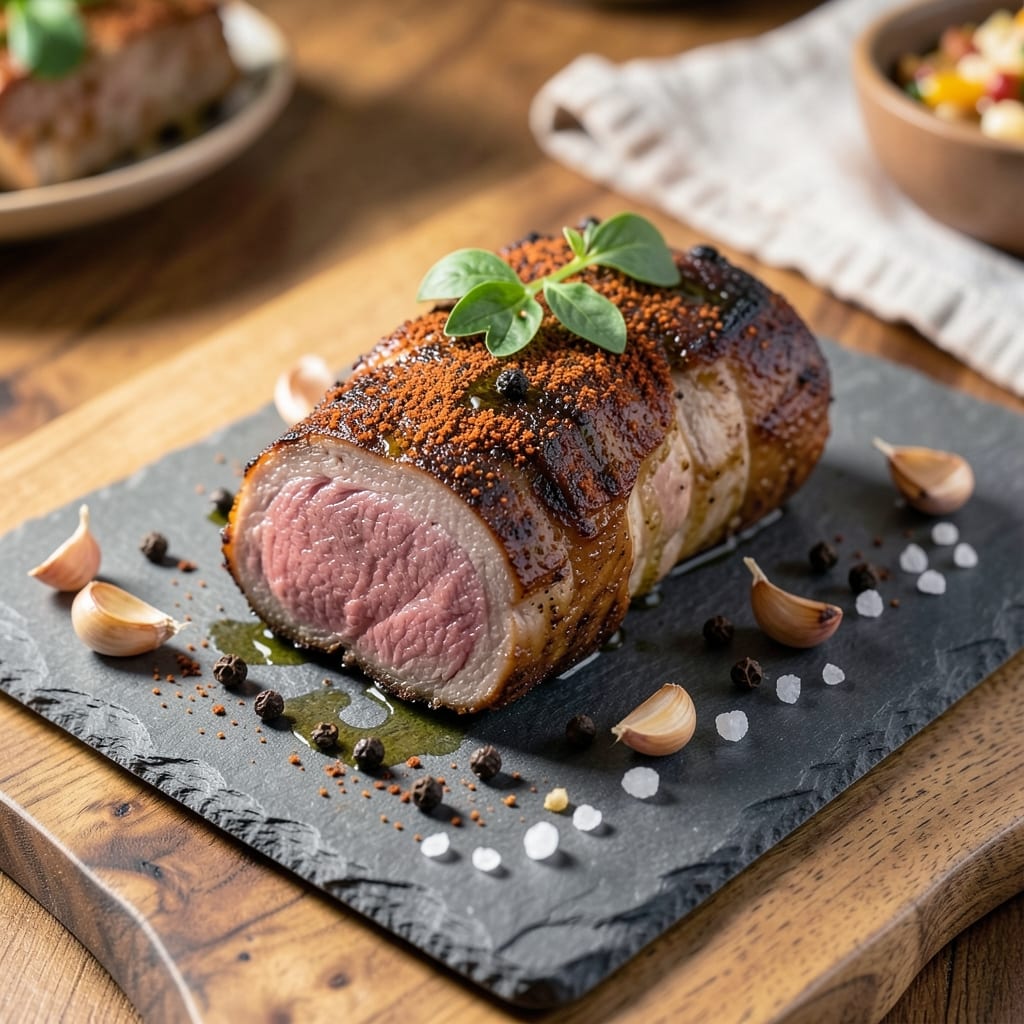
This Biggest Loser pork tenderloin recipe delivers restaurant-quality flavor while keeping calories in check—perfect for fitness-focused meals that still satisfy. 💪 The secret lies in a bold yet balanced seasoning blend that transforms lean protein into a standout main course without heavy sauces or excess fat. I developed this after years of perfecting protein-packed meals for athletes, ensuring every bite is tender, flavorful, and guilt-free.
What sets this recipe apart is the foolproof technique for achieving perfectly cooked pork tenderloin every time—juicy on the inside, slightly caramelized on the outside, and ready in just 30 minutes. The seasoning mix of garlic, paprika, and herbs creates a savory crust that locks in moisture while keeping the dish light enough for meal prep or portion control. This is the kind of protein that fits seamlessly into a balanced diet without sacrificing taste.
By the time you're done, you'll have a tender, restaurant-worthy pork tenderloin that pairs beautifully with roasted vegetables, quinoa, or a light citrus glaze. The recipe serves four, making it ideal for family dinners or meal prepping for the week. Each portion delivers lean protein with minimal fat, proving healthy eating can still be delicious and satisfying.
Whether you're training for a competition or simply watching your waistline, this recipe proves pork tenderloin can be both nutritious and exciting. The method is simple enough for weeknight cooking but impressive enough for guests. Let's get started on a meal that delivers on flavor without the guilt.
Ingredients for biggest loser pork tenderloin
Lean protein meets bold seasoning in this fitness-approved pork tenderloin masterpiece.
| Ingredient | Amount | Notes |
|---|---|---|
| Pork Tenderloin 🐖 | 1 ½ lb | Center-cut, trimmed of silver skin |
| Extra-Virgin Olive Oil 🫒 | 2 tbsp | For searing, high-quality preferred |
| Garlic Cloves 🧄 | 4 cloves | Minced, fresh preferred |
| Smoked Paprika 🌶️ | 1 tbsp | High-quality smoked variety |
| Ground Black Pepper 🌶️ | 1 tsp | Freshly cracked for intensity |
| Diamond Crystal Kosher Salt 🧂 | 1 ½ tsp | Fine grain for even distribution |
| Fresh Rosemary 🌿 | 1 tbsp | Finely chopped, fresh preferred |
| Fresh Thyme Leaves 🌿 | 1 tsp | Dried works at one-third amount |
| Lemon Juice 🍋 | 1 tbsp | Freshly squeezed, no pulp |
| Low-Sodium Chicken Broth 💧 | ½ cup | For deglazing, homemade preferred |
| Fresh Parsley 🌿 | 2 tbsp | Chopped, for garnish |
| Avocado Oil Spray 🫒 | 1 tbsp | For basting, high smoke point |
The pork tenderloin is the star, so center-cut and silver-skin-free is non-negotiable—it cooks faster and stays juicier. Whole Foods or your local butcher will have the best quality cuts. Look for even, pale pink color with minimal marbling. The smoked paprika from Penzeys adds depth without overpowering, while fresh rosemary and thyme elevate the dish beyond basic seasoning. For the garlic, elephant garlic if you want extra punch, but regular works fine too. The lemon juice isn't just for flavor—it tenderizes the meat slightly during cooking.
No smoked paprika? Substitute with equal parts sweet paprika plus a pinch of liquid smoke—it's a game-changer. Fresh herbs not available? Dried rosemary and thyme at one-third the amount will work, but you'll lose some brightness. The chicken broth can be swapped for low-sodium vegetable broth if you're avoiding poultry. For the olive oil, avoid light or refined oils—they lack flavor. The avocado oil spray is optional but worth it for basting—Meadowbrook Farms makes a great one. If you're meal prepping, cook the pork slightly underdone (135°F internal) and finish it in the pan before serving to maintain tenderness.
Pork tenderloin should rest 10-15 minutes after cooking before slicing—this keeps it juicy. Store leftovers in an airtight container for 3-4 days in the fridge, or freeze for up to 3 months. For reheating, use the microwave with a damp paper towel over the top to retain moisture. The seasoning mix keeps well for 2 weeks if stored in a sealed container away from light. Double the recipe and freeze half—perfect for busy weeknights when you need restaurant-quality protein in minutes.
Why You'll Love This Recipe
- One-Pan Magic: I swear by this recipe when I’m too tired to scrub pots—just sear the tenderloin in olive oil, toss in minced garlic and smoked paprika, and let the oven do the work. The crust forms right on the pan, so cleanup is basically nonexistent.
- Smoky Garlic Kiss: That first bite? The paprika gives it a deep, earthy warmth while the garlic sizzles into a fragrant crust. It’s the kind of flavor that makes you pause mid-chew, even if you’ve eaten it a dozen times.
- Weeknight to Dinner Party: Same effort, different occasions. Weeknights? Serve with roasted potatoes and a quick salad. Guests coming over? Add a splash of balsamic glaze and fancy up the plate. It’s my go-to for when I need something reliable but impressive.
- Budget-Friendly Protein: Pork tenderloin is lean, affordable, and cooks faster than a steak—no wasted leftovers here. A single tenderloin feeds four, and the leftovers reheat beautifully in the morning with a fried egg on top. My wallet and my family thank me.
Step-by-step instructions for lean protein powerhouse pork tenderloin
Here's the method for a perfectly cooked, restaurant-quality pork tenderloin that delivers maximum tenderness and bold flavor.
🔥 Step 1: Prep and Season the Pork Tenderloin
Pat the 1.5 lb pork tenderloin completely dry with paper towels—this is critical for achieving a crispy exterior. I like to use two layers of paper towels and press firmly all over, including the ends, to remove any surface moisture. The drier the meat, the better the sear.
Place the pork on a cutting board and make a few shallow slashes about ¼-inch deep along the length of the meat using a sharp knife. This helps the seasoning penetrate deeper and prevents curling during cooking. In a small bowl, combine the 1.5 tsp Diamond Crystal kosher salt, 1 tbsp smoked paprika, 1 tsp ground black pepper, 1 tbsp finely chopped fresh rosemary, and 1 tsp fresh thyme leaves. Rub this mixture all over the pork, pressing firmly so the seasoning adheres well. Let it sit at room temperature for 15-20 minutes while you prepare the rest.
🍳 Step 2: Sear the Pork for Maximum Flavor
Heat a large skillet over medium-high heat until it's smoking hot. Add 1 tbsp of the extra-virgin olive oil and swirl to coat the pan evenly. Place the pork tenderloin in the skillet and sear for 3-4 minutes per side, pressing down gently with a spatula during the first minute to ensure even contact. You're looking for deep golden-brown coloration—this builds incredible flavor through the Maillard reaction.
Once seared on all sides, remove the pork from the skillet and set it aside on a plate. Reduce the heat to medium and add the remaining 1 tbsp extra-virgin olive oil along with the 4 minced garlic cloves. Sauté for 30 seconds until the garlic becomes fragrant but doesn't brown. This aromatic base will infuse into your pan sauce later.
🔥 Step 3: Roast to Perfect Medium-Rare
Preheat your oven to 400°F. Transfer the seared pork tenderloin to a baking dish and place it on a wire rack set over a baking sheet. This rack setup allows heat to circulate around the meat evenly, preventing steaming. Roast for 15-18 minutes for medium-rare doneness, or until the internal temperature reaches 145°F when measured with a meat thermometer inserted into the thickest part.
About 5 minutes before the pork is done, spray it generously with the 1 tbsp avocado oil spray using an even mist. This basting technique creates a beautiful caramelized crust while keeping the meat juicy. The pork is done when it reaches 145°F internally and the juices run clear when pierced with a knife.
🥘 Step 4: Create the Pan Sauce
While the pork rests, return the skillet with garlic to the stove over medium heat. Add the 1 tbsp lemon juice and 0.5 cup low-sodium chicken broth, scraping up any browned bits from the bottom of the pan with a wooden spoon. This deglazing step captures all the flavorful fond that's built up during searing.
Bring the mixture to a gentle simmer and cook for 3-4 minutes until it reduces slightly and thickens enough to coat the back of a spoon. Taste and adjust seasoning with additional salt if needed. The sauce should be bright, slightly tangy, and well-balanced with the smoky paprika and herbal notes.
🍽️ Step 5: Rest and Serve with Garnish
Transfer the pork tenderloin to a cutting board and let it rest for 10 minutes before slicing. This resting period is crucial—it allows the juices to redistribute throughout the meat, ensuring each slice remains moist and tender. To serve, slice the pork into ½-inch thick medallions against the grain for maximum tenderness.
Spoon the pan sauce over the sliced pork and garnish with the 2 tbsp chopped fresh parsley. The finished dish should feature beautifully caramelized edges, a juicy pink center, and a sauce that clings perfectly to each slice. Serve immediately with roasted vegetables or a fresh salad for a complete, protein-packed meal.
Pro Tips For Making Biggest Loser Pork Tenderloin
- Pat the meat dry: Pork tenderloin is lean—don’t skip this step. I used to rush it, and the oil would just pool instead of searing. Grab paper towels and press hard all over, even if it feels excessive.
- Sear in batches: A crowded pan steams instead of browns. Split that tenderloin into two if needed—just 2-3 minutes per side over high heat. The crust is where all the flavor hides, and you can’t fake it.
- Smoked paprika first: Toss the meat in the spice before hitting the pan. I learned this after burning garlic cloves to a crisp—now I coat the pork evenly, then add minced garlic after the initial sear. Less smoke, more flavor.
- Rest under foil: Ten minutes, no peeking. The meat will keep cooking and stay juicy. I know, I know—you want to cut into it. But slicing too soon turns tenderloin into sad, dry strips. Trust the wait.
Troubleshooting this recipe
Overcooked Pork Fix
If your pork tenderloin tests dry or tough, it likely overcooked past 145°F. My go-to fix is the "reverse sear" method: slice the pork into ½-inch medallions, sear them in a hot skillet for 30 seconds per side with 1 tbsp butter and 1 tsp fresh thyme, then finish with a splash of lemon juice. The high heat caramelizes the exterior while keeping the inside moist. 💫
Uneven Cooking
Uneven doneness usually means the pork wasn't fully thawed or the oven temperature fluctuated. For next time, let the meat sit at room temperature for 20 minutes before cooking. If using a cast iron skillet, place it on the middle rack of the oven for even heat distribution. I've also found that a wire rack over a baking sheet helps prevent steam buildup that can create cold spots.
Sauce Too Thin
A watery pan sauce happens when you don't reduce it long enough. After deglazing with broth, simmer uncovered for 5-7 minutes until it coats a spoon. For extra thickness, whisk in 1 tsp cornstarch mixed with 1 tbsp cold water and cook for 1 more minute. Pro tip: Use a heavy-bottomed skillet like my Lodge cast iron to prevent scorching while reducing.
Pale, Bland Meat
Pale pork means it didn't develop enough crust or internal color. For better results, sear the pork longer—aim for 4-5 minutes per side until deep golden brown. The smoked paprika should be Penzeys brand for real depth, and don't skip the garlic sauté in the pan. If your pork is already cooked, brush slices with 1 tsp olive oil and broil for 2 minutes to add color and flavor.
Seasoning Too Salty
If your pork tastes over-salted, the issue is usually uneven distribution. For future batches, mix your seasoning with 1 tbsp olive oil before rubbing it on—this helps it adhere better. To fix already-seasoned pork, slice it thin and serve with extra sauce or a lemon wedge to cut the saltiness. For a quick fix, add 2 tbsp heavy cream to your pan sauce to mellow the flavors.
Meat Stuck to Pan
When pork sticks to the pan, it's usually because the surface wasn't hot enough or the meat wasn't dry. Next time, heat your skillet until it's smoking hot before adding oil, and pat the pork completely dry with paper towels. For stuck pork, place the pan under cold running water for 10 seconds to loosen it, then slide the meat onto a cutting board. Use a thin metal spatula to help release any remaining bits.
Nutrition facts
Frequently asked questions
Can I use this recipe for meal prep?
Cook the pork slightly underdone (135°F internal) and finish it in the pan before serving to maintain tenderness. Store leftovers in an airtight container for 3-4 days in the fridge or freeze for up to 3 months. For reheating, use the microwave with a damp paper towel to retain moisture.
What's the best way to cook pork tenderloin for maximum tenderness?
The secret is medium-rare doneness (145°F internal) and resting for 10-15 minutes before slicing. Use a meat thermometer to avoid overcooking, and never skip the resting period—it keeps all those juices locked in for perfect slices every time.
Can I substitute chicken broth with another liquid?
Yes! Use low-sodium vegetable broth or even unsalted chicken broth if you prefer. For extra brightness, try lemon juice or apple cider vinegar instead—just reduce the amount to 2 tbsp and simmer for 3 minutes to balance the acidity.
How do I know when pork tenderloin is fully cooked?
Use a meat thermometer—it's the only reliable method. Insert it into the thickest part until it reads 145°F. The juices should run clear, not pink. If you don't have a thermometer, cut into the thickest part: it should feel slightly springy with no pink center.
What's the best way to slice pork tenderloin?
Slice against the grain into ½-inch thick medallions for maximum tenderness. Use a sharp knife and cut perpendicular to the muscle fibers—this shortens them, making each bite more tender. For even slices, secure the pork with kitchen twine before slicing.