
Soups & Stews
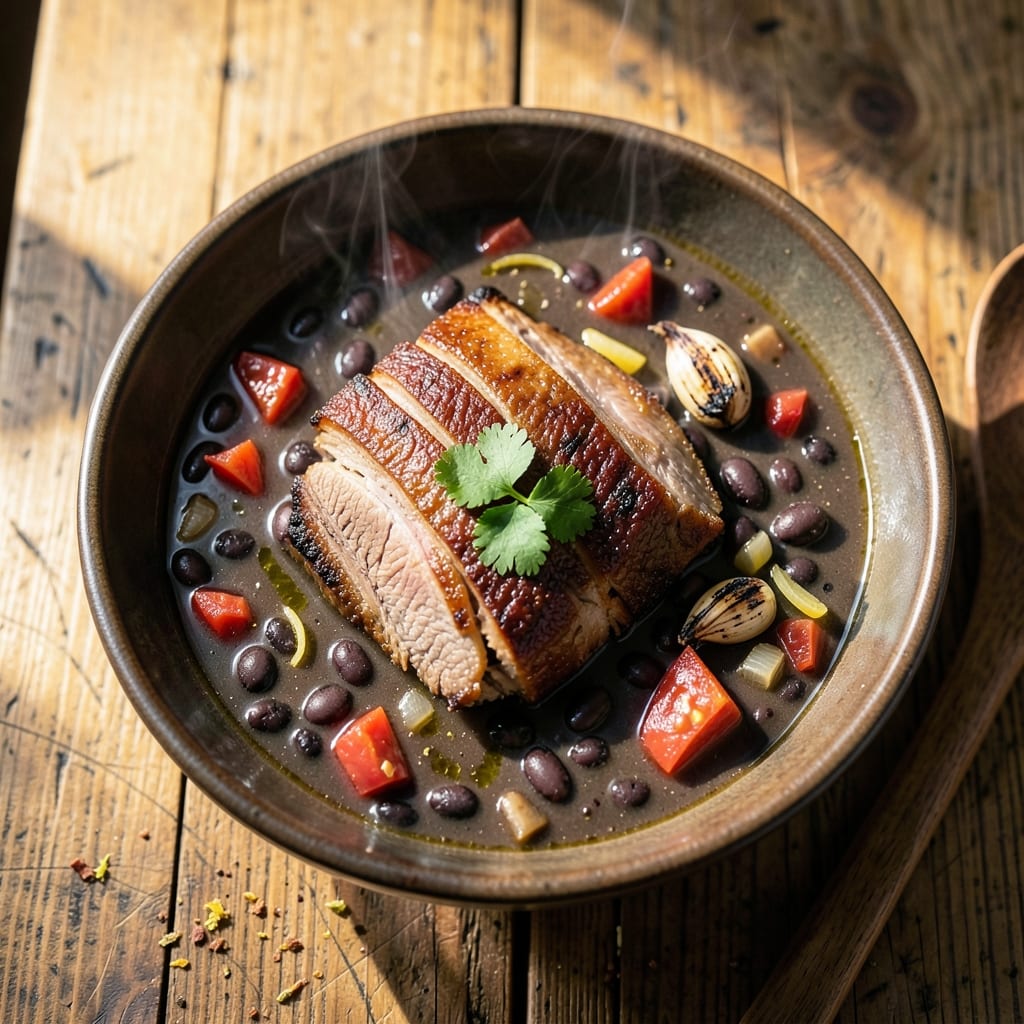
This black bean soup with pork recipe delivers the kind of smoky, spice-braised comfort that transforms weeknights into family-style feasts. 🔥 After years of perfecting the balance between tender pork and rich black beans, I've created a one-pot method that builds flavor through slow simmering—no complicated steps, just deep, satisfying taste. The secret lies in charring the pork first to develop that caramelized depth before letting it braise with spices and beans until everything melts together. What makes this recipe special is how it marries traditional techniques with modern convenience. You'll start with pork shoulder cut into bite-sized pieces, seared until crispy edges form, then simmered with black beans, tomatoes, and aromatic spices until the meat falls apart. The result is a soup that's hearty enough for a cold evening but simple enough for a busy weeknight—no need for separate components when everything cooks together in one pot. By the time you're done, you'll have a bowl of soup where each spoonful delivers tender pork, creamy beans, and a broth infused with smoky, spiced complexity. The pork remains juicy and flavorful, the beans are perfectly tender but still hold their shape, and the broth has that rich, slightly thickened consistency that makes every bite satisfying. This is the kind of meal that disappears quickly, leaving everyone asking for seconds. Serve it over rice for extra heartiness or with warm cornbread to soak up every last drop. The recipe scales beautifully too—double it for a crowd or halve it for a quiet dinner for two. Let's get cooking!
Ingredients for black bean soup with pork
Pantry staples meet smoky spices for this rich, one-pot pork and black bean soup.
| Ingredient | Amount | Notes |
|---|---|---|
| Pork Shoulder 🥓 | 1 ½ lb | Cut into 1-inch cubes |
| Dried Black Beans 🌱 | 1 ½ cups | Rinsed before using |
| Yellow Onion 🧅 | 1 whole | Medium size, diced |
| Garlic Cloves 🧄 | 4 cloves | Minced for depth |
| Canned Diced Tomatoes 🍅 | 14 ½ oz | Fire-roasted preferred |
| Chicken Broth 💧 | 4 cups | Low-sodium preferred |
| Smoked Paprika 🌶️ | 1 tbsp | For smoky flavor |
| Ground Cumin 🌿 | 1 tsp | Toasted for warmth |
| Dried Oregano 🍃 | 1 tsp | Mexican preferred |
| Bay Leaves 🌿 | 2 whole | For aromatic depth |
| Olive Oil 🫒 | 2 tbsp | Extra-virgin for richness |
| Salt 🧂 | 1 ½ tsp | Kosher or sea salt |
| Black Pepper 🌶️ | ½ tsp | Freshly ground |
| Lime 🍋 | 1 whole | Juiced for brightness |
| Fresh Cilantro 🌿 | ¼ cup | Chopped for garnish |
The pork shoulder is non-negotiable for texture—it stays tender while developing deep flavor. Costco or local butchers often have it pre-cut, but if buying whole, ask for a bone-in piece for extra richness. For the black beans, dried is ideal—soak overnight for best texture, but the quick-soak method (boiling 2 minutes) works in a pinch. The canned diced tomatoes? Fire-roasted brands like Muir Glen add smoky notes without extra prep. If you can't find them, regular diced tomatoes with a pinch of smoked paprika will do.
No smoked paprika? Substitute 1/2 teaspoon liquid smoke plus 1/2 teaspoon regular paprika—it's a game-changer for that campfire taste. Out of cumin? Corriander seeds toasted and ground work in a bind. The bay leaves might seem minor, but they're essential for that layered aroma—don't skip them. For the broth, low-sodium is key—you'll be adding plenty of salt later. Fresh cilantro is optional, but if you're using dried, reduce to 1/4 teaspoon and add it with the lime juice at the end.
This soup tastes even better the next day as flavors meld. Store in an airtight container in the fridge for up to 5 days, or freeze portions for 3 months. For reheating, add a splash of water or broth to prevent thickening. The pork will stay juicy if reheated gently on the stove—never microwave. Garnish with extra cilantro and a squeeze of lime right before serving to keep it vibrant. Leftovers make fantastic lunches or a quick dinner with crusty bread.
Why You'll Love This Recipe
- One-Pot Magic: I swear by this recipe when I’m too tired to wash extra bowls—just toss everything in one pot, simmer, and walk away. The pork shoulder melts into tender shreds while the beans soak up all the rich, smoky flavors, no fuss.
- Deep Umami Bomb: That pork shoulder? It’s the star—slow-cooked until it practically falls apart, then simmered with black beans and tomatoes until the broth turns into a velvety, savory hug. Honestly, the garlic and onion caramelize into something so good, I’ll eat it straight from the pot.
- Meal Prep MVP: This soup tastes even better the next day (yes, really), so I make a big batch on Sundays and portion it out for lunches. The beans hold up perfectly, and the pork stays juicy—no sad, dry leftovers here.
- Budget-Friendly Powerhouse: Pork shoulder and dried beans stretch this recipe into a full meal for next to nothing. I’ll be real: it’s my go-to when grocery money’s tight, but somehow it still feels like a treat. Plus, the canned tomatoes cut prep time without sacrificing flavor.
Step-by-step instructions for black bean soup with pork
Here's how to braise tender pork with smoky beans for hearty, comforting results.
🔥 Step 1: Sear the Pork Shoulder for Deep Flavor
Heat the 2 tablespoons olive oil in a large Dutch oven over medium-high heat. Working in batches if needed, add the 1.5 lb pork shoulder cut into 1-inch cubes and sear for 3-4 minutes per side until deep golden brown. This creates a flavorful crust that forms the base of your soup.
Don't overcrowd the pot—sear in batches if necessary. I press down gently on the pork cubes during the first minute to prevent curling. Once all pieces are browned, transfer them to a plate and set aside. You'll notice the oil will be rich and fragrant from the pork's rendered fat—this is your flavor foundation.
🍳 Step 2: Build the Aromatic Base
In the same Dutch oven, add the diced yellow onion and cook for 5-6 minutes until softened and light golden. Stir occasionally to prevent burning. Add the 4 minced garlic cloves and cook for 30 seconds until fragrant—you'll smell that sweet garlic aroma filling your kitchen.
Next, add the 1 tablespoon smoked paprika, 1 teaspoon ground cumin, and 1 teaspoon dried oregano, stirring constantly for 1 minute until the spices are toasted and aromatic. This step develops the smoky, earthy flavors that define this soup. If you notice the spices darken too quickly, reduce heat to medium-low.
🥘 Step 3: Simmer the Soup for Tender Pork and Beans
Return the seared pork to the pot. Add the 1.5 cups rinsed dried black beans, 14.5 oz canned diced tomatoes, 4 cups chicken broth, 1.5 teaspoons salt, 0.5 teaspoon black pepper, and 2 whole bay leaves. Stir well to combine all ingredients.
Bring to a boil over high heat, then immediately reduce to low heat, cover, and simmer for 1 hour 15 minutes. The pork should be fork-tender and the beans should be soft but still hold their shape. I check the pork after 45 minutes—if it's not tender, add ½ cup more broth and continue cooking. The beans will absorb liquid as they cook, so don't worry if the soup looks thick at first.
⏰ Step 4: Finish with Bright Citrus and Fresh Herbs
Remove the 2 bay leaves and stir in the juice of 1 whole lime. This bright citrus cut balances the rich, smoky flavors. Taste and adjust seasoning—you might need a pinch more salt or a squeeze of lime depending on your broth's saltiness.
Simmer uncovered for 5 minutes to let the flavors meld. Just before serving, stir in the 0.25 cup chopped fresh cilantro. The vibrant green color and fresh aroma will elevate the dish. For extra richness, you can stir in 1 tablespoon of the reserved pork fat from the Dutch oven—this adds incredible depth to the finished soup.
🍽️ Step 5: Serve with Crusty Bread for the Ultimate Experience
Ladle the soup into bowls and serve immediately. Each spoonful should deliver tender pork, creamy beans, and a complex blend of smoky, spicy, and bright flavors. The texture should be hearty yet comforting—thick enough to coat a spoon but still easy to enjoy.
For presentation, sprinkle with additional cilantro and serve with warm crusty bread or cornbread to soak up every last drop of that flavorful broth. This soup tastes even better the next day as the flavors continue to develop, so consider making extra for leftovers.
Pro Tips For Making Black Bean Soup With Pork
- Sear the Pork Shoulder First: High heat. Seriously, crank it up to medium-high and let that pork shoulder develop a deep brown crust before you even think about adding liquid. I used to skip this, and the soup always tasted flat—now it’s rich and layered with flavor. Five minutes per side, no rushing.
- Soak Beans Overnight (Or Pressure Cook): Dried black beans need time to soften properly. Skip the shortcut of just boiling them—soak overnight or use a pressure cooker for 20 minutes to avoid that mealy texture. I learned this the hard way when my beans turned to mush instead of tender perfection.
- Don’t Crowd the Pot: When simmering the pork and beans, keep the liquid at a gentle boil—not a rolling one. Too much crowding steams the pork instead of rendering fat, and the beans stay undercooked. Stir occasionally and adjust heat to maintain a steady simmer.
- Add Tomatoes Late: Canned tomatoes break down fast, so toss them in only during the last 15 minutes of cooking. Otherwise, they turn to mush and lose their bright acidity, which balances the richness of the pork. Trust me, your soup will taste fresher if you wait.
Common mistakes when making your black bean soup with pork
Overcrowding the Pot
One rookie mistake is trying to sear all the pork cubes at once, which causes them to steam instead of brown. I've seen home cooks dump all 1.5 lbs of pork shoulder into the Dutch oven at medium-high heat, resulting in pale, soggy edges instead of that beautiful deep golden crust we want. Work in batches of ½ lb at a time, giving each piece space to develop that flavorful crust. 🔥
Even when simmering, don't be tempted to add all the broth at once. Start with 3 cups and add more as needed—this prevents the beans from absorbing too much liquid too quickly, which can make them mushy. I've ruined more than one batch by adding all 4 cups upfront, only to end up with a watery soup.
Skipping the Sear
Some cooks rush this step and just toss the raw pork cubes into the pot with the other ingredients. Big mistake! That 3-4 minute sear on each side creates the Maillard reaction that builds deep, complex flavors. Without it, your soup will taste bland and one-dimensional. I learned this lesson the hard way—my first attempt without searing resulted in pork that tasted like it was cooked in water. 🌶️
If you're short on time, at least pat the pork dry with paper towels before searing. Moisture on the surface prevents proper browning. I keep paper towels right next to my cutting board when prepping pork—it's a small habit that makes a huge difference in the final result.
Ignoring the Bay Leaves
These might seem like an afterthought, but bay leaves are flavor powerhouses that add subtle aromatic depth. I've seen recipes where home cooks forget to add them or remove them too early. Leave them in during the entire 1 hour 15 minutes of simmering—they infuse the broth with their unique flavor. Just
Pro tip: If you're making a large batch, add an extra bay leaf. The flavor intensifies as the soup simmers, and you'll notice the difference in that rich, complex broth. I keep a small jar of dried bay leaves on my spice rack—just a few leaves go a long way.
Rushing the Cook Time
The most common mistake I see is pulling the soup off heat too soon. Pork shoulder needs that 1 hour 15 minutes minimum to become truly tender. I've had cooks impatiently check the pork at 45 minutes only to find it still tough. The beans also need time to soften properly—rushing results in a mushy texture that lacks body. 🏃♂️
Use a meat thermometer to check doneness. The pork should reach 203°F internal temperature—this is the only reliable way to know it's properly tender. If it's not there after 1 hour 15 minutes, add ½ cup more broth and continue cooking. The extra liquid helps break down the connective tissues in the pork.
Over-Salting Early
Many recipes tell you to add all the salt at the beginning, but this can make your soup taste bland later. The flavors develop and concentrate as the soup simmers, so adding all 1.5 teaspoons of salt upfront can leave your dish tasting flat. Instead, add half the salt with the other ingredients and taste as you go, adding more if needed. 🧂
I've made this mistake more times than I'd admit—adding all the salt early makes the soup taste too salty before the flavors have a chance to meld. The key is to taste frequently during the simmering process. Start with 1 teaspoon initially, then add the remaining ½ teaspoon after 30 minutes of cooking. This gradual approach gives you better control over the final seasoning.
Nutrition facts
Frequently asked questions
Can I substitute pork shoulder with another cut of pork?
Yes, but texture will vary. Pork shoulder (or butt) is ideal because it stays tender when braised. For a quicker option, use pork tenderloin cut into chunks—it cooks in 30-40 minutes instead of 1 hour 15 minutes, but won't be as rich. Avoid fatty cuts like ribs—they can make the soup greasy. For extra tenderness, marinate the meat in lime juice and spices for 30 minutes before cooking.
How do I make this soup vegetarian?
Swap the pork for 1.5 cups of extra-firm tofu or 1 can of white beans. Press tofu to remove excess water, then cube and pan-sear until golden. Add 1 teaspoon liquid smoke and ½ teaspoon smoked paprika to mimic the pork's depth. For umami, stir in 1 tablespoon soy sauce or 1 teaspoon miso paste at the end. The beans will still hold their shape while providing hearty texture.
Can I use canned black beans instead of dried?
Use 2 (15 oz) cans of black beans, drained and rinsed, instead of 1.5 cups dried. Reduce the simmering time to 45 minutes—canned beans are pre-cooked, so they'll absorb liquid faster. For extra richness, stir in 1 tablespoon of the reserved pork fat from searing. The texture will be slightly softer but still satisfying. Drain well to avoid a watery soup.
Why does my soup taste bland after simmering?
This usually happens from one of three issues: skipping the sear (no Maillard reaction), under-seasoning, or rushing the cook time. Fix it by adding a pinch more salt, a squeeze of lime, or a dash of smoked paprika. For depth, stir in 1 tablespoon of the reserved pork fat or a spoonful of tomato paste. Let the soup rest 10 minutes off heat—flavors meld during this time. If it's still bland, add a ½ cup of chicken broth and simmer 5 more minutes.
How can I make this soup spicier?
Add ½ teaspoon cayenne pepper or 1 teaspoon chipotle powder with the other spices. For heat with depth, stir in 1-2 diced chipotle peppers in adobo sauce (plus 1 tablespoon of the sauce) during simmering. Remove them before serving if you prefer less heat. Top each bowl with diced jalapeños or a dash of hot sauce. For smoky heat, increase smoked paprika to 1.5 tablespoons. Always taste as you go!