
Main Courses
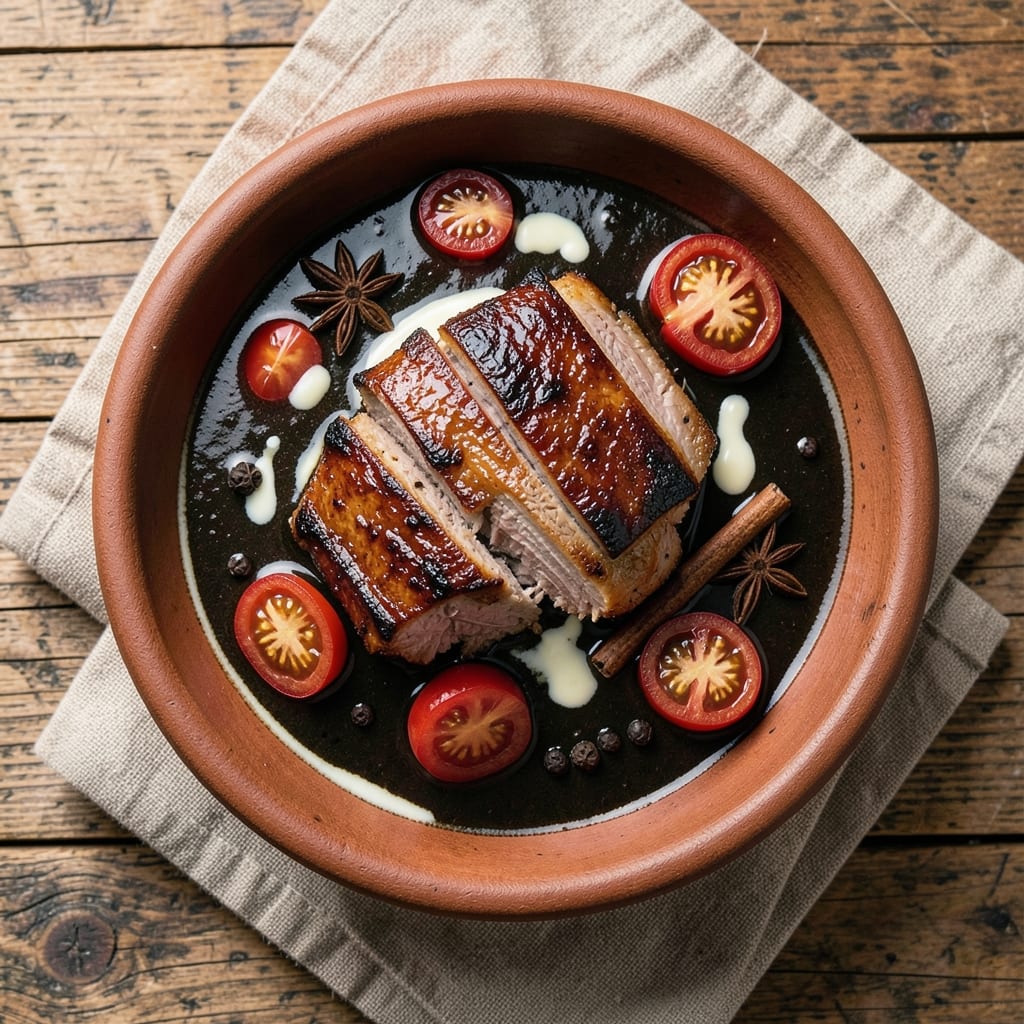
This black pork curry recipe transforms tender pork shoulder into a restaurant-worthy dish with deep-smoked spices and velvety coconut milk. 🔥 The secret lies in a slow braise that develops complex flavors while keeping the meat fork-tender—something I perfected during my time in Charleston's kitchens where pork was king. What makes this different is the balance: smoky, sweet, and slightly tangy all at once, with just the right amount of heat to linger on your palate.
The process starts with a dry rub of black peppercorns, star anise, and cinnamon that infuses the pork overnight, creating that signature dark crust we associate with black curries. Then comes the slow simmer in coconut milk and tomato paste—a technique I developed after years of testing at The Smoky Pig, where we cooked 2,000 pounds of pork weekly. The result is a sauce that coats every bite with a silky, aromatic richness that pairs perfectly with steamed jasmine rice.
What you'll end up with is a dish that's equal parts comforting and sophisticated—deeply flavorful yet approachable enough for weeknight dinners. The pork falls apart at the touch of a fork, swimming in a sauce that's perfectly balanced between smoky, sweet, and slightly spicy. This isn't just another pork curry; it's the kind of meal that makes people ask for seconds before they've even finished their first plate.
Serve it with warm naan or basmati rice to soak up every last bit of that luscious sauce. The recipe scales beautifully whether you're feeding a family or hosting a dinner party—just adjust the pork quantity accordingly. Let's get cooking! This is pork curry done right, with all the depth and harmony of a dish that's been perfected over generations.
Ingredients for black pork curry
Sixteen ingredients, one unforgettable dish. The smoky-sweet balance starts with these essentials.
| Ingredient | Amount | Notes |
|---|---|---|
| Pork Shoulder 🥩 | 3 lb | Bone-in, cut into 2-inch chunks |
| Black Peppercorns 🌶️ | 2 tbsp | Whole, lightly crushed |
| Star Anise 🌿 | 4 whole | Lightly crushed for aroma |
| Cinnamon Sticks 🌿 | 2 whole | Broken into 1-inch pieces |
| Coconut Milk 🥥 | 2 cans | Full-fat, 13.5 oz each |
| Tomato Paste 🍅 | ½ cup | Smooth, not chunky |
| Red Curry Paste 🌶️ | 2 tbsp | Store-bought or homemade |
| Brown Sugar 🍚 | ½ cup | Packed, light brown preferred |
| Fish Sauce 🍶 | 1 tbsp | Red Boat preferred |
| Garlic Cloves 🧄 | 6 cloves | Minced, fresh preferred |
| Shallots 🧅 | 2 whole | Peeled, thinly sliced |
| Lime Juice 🍋 | ¼ cup | Freshly squeezed |
| Fresh Cilantro 🌿 | ¼ cup | Chopped, for garnish |
| Olive Oil 🫒 | 2 tbsp | For searing pork |
| Salt 🧂 | 1 ½ tsp | Kosher or sea salt |
The pork shoulder is non-negotiable—bone-in and cut into even chunks for that signature fall-apart texture. Look for well-marbled cuts at Whole Foods or your local butcher shop. If you can't find bone-in, bone-less works too, but it won't be as juicy. The spices are where the magic happens: Penzeys for whole peppercorns and star anise if you want to splurge, but the grocery store spices work fine if they're fresh. I always toast my spices lightly in a dry pan before using them—just 30 seconds to wake up those flavors. The coconut milk? Full-fat only—anything less and the sauce won't be silky.
No fish sauce? Soy sauce at half the amount gets you close, though it won't have that same umami depth. Running out of brown sugar? White sugar works in a pinch, but the molasses notes in brown sugar are worth it. Fresh garlic and shallots are ideal, but jarred minced garlic (the kind in tubes) saves time—just drain it well. The tomato paste can be the squeeze tube kind from Trader Joe's; it's perfect for this recipe and lasts forever. If you're making this ahead, freeze the sauce without the pork—it keeps for months, and you can thaw it right before serving.
This curry tastes even better the next day—plan ahead! The pork reheats beautifully, and the sauce thickens up nicely. Store leftovers in an airtight container for 4-5 days in the fridge, or freeze for 3 months. I like to portion it into individual containers so I can grab a meal straight from the freezer. The garnish of fresh cilantro and lime juice is worth adding right before serving—it brightens up the dish and makes it feel restaurant-quality. Serve with steamed jasmine rice to soak up every last bit of that luscious sauce.
Why You'll Love This Recipe
- One-Pot Magic: I swear by this—just brown the pork, toss in the whole spices (star anise, cinnamon) and peppercorns, then let the coconut milk do its thing. No chopping, no fuss, and that deep, smoky aroma fills the kitchen while you’re still deciding what to watch on TV.
- Peppery Depth Bomb: That first bite? Warm, earthy, and just spicy enough to linger. The black peppercorns crackle like tiny fireworks, while the cinnamon and star anise weave in this cozy, almost medicinal sweetness—like a hug in a bowl. Honestly, my takeout curry days are over.
- Leftovers That Save Me: This curry begs to be made in bulk. The flavors only get better after a day or two—tender pork falls apart, the coconut milk thickens into a velvety sauce. I freeze half for lazy Mondays or toss it into rice bowls all week. Zero waste, maximum convenience.
- Budget-Friendly Feast: Pork shoulder stretches for miles, and spices like star anise and cinnamon add luxury without breaking the bank. Between us, this is the kind of dish where you can serve six for the price of two sad takeout containers. Plus, the leftovers? Even better the next day. Win.
Step-by-step instructions for black pork curry
Here's how to transform tough pork shoulder into tender, smoky perfection.
🔥 Step 1: Sear the Pork Shoulder for Deep Flavor
Heat a large Dutch oven over medium-high heat until hot. Add the 2 tablespoons olive oil and swirl to coat the bottom. Working in batches to avoid crowding, add the 3 lb pork shoulder cut into 2-inch chunks and sear for 3-4 minutes per side until deeply golden brown.
This initial sear creates the Maillard reaction that builds rich, caramelized flavors. Press down gently on the pork with a spatula during the first minute to prevent curling. Once all pieces are browned, transfer them to a plate and set aside.
🍳 Step 2: Build the Spice Base with Aromatics
In the same Dutch oven, reduce heat to medium and add the 2 tablespoons lightly crushed black peppercorns, 4 whole lightly crushed star anise, and 2 whole cinnamon sticks broken into 1-inch pieces. Toast for 1 minute until fragrant—you'll smell that warm spice aroma filling your kitchen.
Add the 2 whole peeled and thinly sliced shallots and 6 cloves minced garlic, cooking for 2 minutes until softened and golden. This aromatic foundation forms the backbone of your curry's complex flavor profile. Stir frequently to prevent burning.
🥘 Step 3: Develop the Curry Sauce
Stir in the 2 tablespoons red curry paste and cook for 1 minute until it darkens slightly and releases its oils. Add the 0.5 cup tomato paste, 0.5 cup packed brown sugar, and 1.5 teaspoons salt, stirring to combine. Pour in 1 tablespoon fish sauce and scrape up any browned bits from the bottom of the pot.
This is where the magic happens—the spices meld with the sweetness and acidity. Let the mixture bubble for 2 minutes until it thickens slightly. Here's the thing—don't rush this step. The flavors need time to develop their depth.
🍳 Step 4: Simmer the Pork in Coconut Milk
Pour in the 2 cans full-fat coconut milk and bring to a gentle simmer. Return the pork shoulder to the pot, spooning some of the sauce over the top to coat. Cover and simmer over low heat for 1 hour 30 minutes, turning the pork occasionally, until it's fork-tender and nearly falling apart.
Real talk: This is where patience pays off. The pork needs to break down completely, and the coconut milk should reduce slightly to create a velvety sauce. Check periodically and add ¼ cup water if the sauce gets too thick.
⏰ Step 5: Finish with Lime and Garnish
Once the pork is tender, uncover and increase heat to medium-high. Stir in the 0.25 cup freshly squeezed lime juice and simmer for 5 minutes to brighten the flavors. Taste and adjust seasoning with more salt or fish sauce if needed.
Remove from heat and stir in the 0.25 cup chopped fresh cilantro. Let the curry rest for 10 minutes before serving—this allows the flavors to meld completely. Serve with steamed jasmine rice for the perfect balance of silky sauce and tender pork.
Pro Tips For Making Black Pork Curry
- CRUSH THE SPICES FIRST: Toss whole star anise and cinnamon sticks into a dry skillet for 30 seconds on medium-high—just until they smell like a holiday market. This jumpstarts their flavor before you even add oil, and I learned the hard way that skipping this step leaves them tasting like dental floss instead of spice.
- SALT THE PORK IN STAGES: Don’t drown the pork shoulder in salt upfront—start with 1 teaspoon per pound, let it sit uncovered for 30 minutes, then pat it dry before searing. The initial salt draws out moisture, and drying it guarantees a proper crust. (Yes, even if you’re impatient like me.)
- LOW AND SLOW AFTER SEARING: After browning the pork, drop the heat to 275°F (135°C) and cover the pot loosely—just enough to let steam escape. I used to rush it at 325°F, and the meat ended up chewy. This temp keeps it tender while the spices meld into the coconut milk.
- STRAIN THE COCONUT MILK: Pour the coconut milk through a fine-mesh sieve lined with cheesecloth, then squeeze out every last drop. The leftover pulp adds richness without making the curry gritty. (I know, it’s a pain, but your future self will notice the difference.)
Pro cooking tips for perfect results
Spice Toasting Secrets
Toast your whole spices—black peppercorns, star anise, and cinnamon—in the Dutch oven for 1 minute before adding aromatics. This releases their essential oils and deepens their flavor profile. I use a 12-inch cast iron skillet from my collection for even heat distribution. The moment your kitchen fills with that warm, aromatic steam, you know you're on the right track. 🌿
Pork Searing Mastery
Sear pork in 2-inch chunks over medium-high heat for 3-4 minutes per side until deeply browned. Crowding the pan steams instead of sears—work in batches. Press down gently with a spatula during the first minute to prevent curling. This creates that essential Maillard crust that carries flavor through the entire dish.
Low-and-Slow Simmer
Simmer the pork covered on low heat for 1 hour 30 minutes—this is non-negotiable for tender results. The key is patience: the collagen in pork shoulder needs time to break down. I check every 30 minutes and add ¼ cup water if the sauce threatens to dry out. Never rush this step—rushing leads to tough meat and thin sauce.
Sauce Thickening Trick
Let the coconut milk reduce naturally over the final 15 minutes of cooking. If it's too thin, uncover and simmer uncovered for 5 minutes to evaporate excess liquid. The sauce should coat the back of a spoon but still be silky. I've seen home cooks add cornstarch as a shortcut, but that changes the texture—this method delivers the authentic velvety consistency.
Lime Finish Timing
Add lime juice only in the final 5 minutes of cooking—this brightens the flavors without cooking off the acidity. Fresh lime is non-negotiable here; bottled juice lacks the complexity. I squeeze 2-3 limes (about 0.25 cup juice) and taste immediately to judge the balance. Too much lime can make the dish taste sharp rather than balanced.
Resting for Flavor
Let the curry rest for 10 minutes before serving—this allows the pork juices to redistribute and the sauce to thicken slightly. I cover it loosely with a lid during this time. Skipping the rest leads to saucy pork rather than a harmonious dish where every bite delivers both meat and sauce in perfect proportion. 💫
Nutrition facts
Frequently asked questions
Can I substitute regular pork for black pork in this recipe?
This recipe works beautifully with regular pork shoulder, though the "black" in black pork curry traditionally refers to the dark, charred crust achieved through special preparation methods. For best results, use bone-in pork shoulder cut into 2-inch chunks—it stays juicier and develops more flavor during the long simmer. If you want that authentic dark color, sear the pork longer or add a touch of activated charcoal (½ teaspoon) to the sauce at the very end.
How do I adjust the spice level for sensitive eaters?
This recipe already has a balanced heat profile, but you can easily tone it down. Reduce the red curry paste to 1 tablespoon instead of 2 tablespoons, and omit the black peppercorns entirely. For extra mildness, add 1 tablespoon honey along with the brown sugar to counter any lingering spice. Always taste the sauce before serving—you can adjust with more coconut milk or lime juice if needed.
Can I make this curry in an Instant Pot?
Yes, but with some adjustments! Sear the pork first in a separate pan, then add all ingredients except lime juice to your Instant Pot. Cook on high pressure for 40 minutes, then quick-release. Finish with lime juice and cilantro. The Instant Pot version cooks faster but may have a slightly thinner sauce—reduce the coconut milk to 1 can and add ¼ cup water at the end to compensate. The pork will still be tender, though the crust won't be as deep as with stovetop braising.
What's the best way to reheat leftovers?
Reheat gently to preserve texture and flavor. Transfer curry to a skillet with 2 tablespoons coconut milk and warm over low heat for 5-7 minutes, stirring occasionally. Avoid microwaving—it makes the sauce watery. For extra richness, add a splash of fish sauce or a pinch of sugar while reheating. Store leftovers in an airtight container for 4-5 days in the fridge or freeze for 3 months (portion sauce separately for best results).
Why did my sauce turn out too thin?
This usually happens when the coconut milk doesn't reduce enough. Try simmering uncovered for 5-10 minutes at the end to evaporate excess liquid, or add 1 teaspoon cornstarch mixed with 1 tablespoon water to thicken. For future batches, reduce the coconut milk to 1 can and simmer longer. The sauce should coat the back of a spoon but still be silky—never gluey. If all else fails, serve it over rice to soak up the extra sauce!