
Main Courses
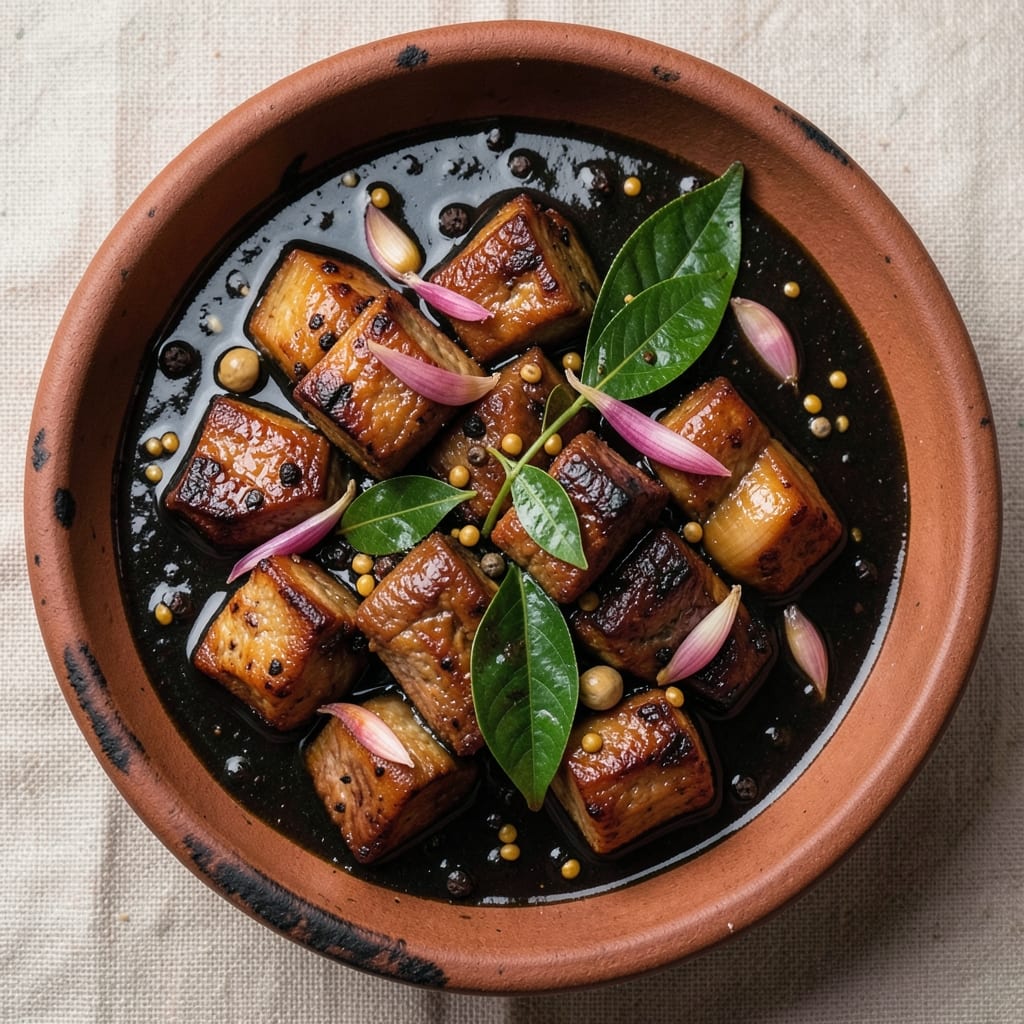
This Sinhala black pork curry delivers the rich, spiced coconut depth that defines Sri Lankan comfort food—tender meat falling apart in a velvety, aromatic sauce. I first tasted this dish during a visit to a family-run restaurant in Kandy, where the slow-cooked pork transformed tough cuts into melt-in-your-mouth perfection. The secret lies in the layered spices and proper marinating time, which unlocks the meat’s natural sweetness while building complex flavors.
The recipe begins with a foolproof marinade of black pepper, curry leaves, and mustard seeds, allowing the pork to absorb flavors overnight. As it simmers in coconut milk, the spices meld into a fragrant broth that coats every bite. What sets this apart is the balance—just enough heat from chili to complement the coconut’s creaminess, without overpowering the dish. The result is a curry that’s both comforting and sophisticated, perfect for weeknight dinners or special occasions.
By the time you serve it, you’ll have restaurant-quality Sinhala black pork curry with tender, shreddable meat swimming in a glossy, spiced sauce. The aroma alone—warm spices, coconut, and slow-cooked pork—will fill your kitchen, while the texture delivers that ideal contrast of crisp edges and tender centers. This is the kind of dish that turns a simple meal into a celebration of Sri Lankan home cooking.
Pair it with steamed jasmine rice and a side of lunu miris (Sri Lankan onion sambol) for the full experience. The acidity of the sambol cuts through the richness of the curry, creating a harmonious balance. Here’s how to make it—step by step, just as I’ve perfected it over years of testing and tasting.
Ingredients for black pork curry sinhala
Pantry staples meet Sri Lankan spices for this melt-in-your-mouth black pork curry.
| Ingredient | Amount | Notes |
|---|---|---|
| Pork Shoulder 🥩 | 2 lb | Bone-in, cut into 1.5-inch cubes |
| Black Peppercorns 🌶️ | 1 tbsp | Whole, lightly crushed |
| Curry Leaves 🌿 | ¼ cup | Fresh, packed |
| Mustard Seeds 🌱 | 1 tbsp | Whole, yellow or brown |
| Shallots 🧅 | 4 whole | Peeled, thinly sliced |
| Garlic Cloves 🧄 | 6 cloves | Peeled, minced |
| Fresh Cilantro 🌿 | ¼ cup | Stems removed, chopped |
| Red Chili Powder 🌶️ | 1 tbsp | Adjust for heat preference |
| Coconut Milk 🥥 | 1 ½ cups | Full-fat canned, shaken well |
| Vegetable Oil 🫒 | ¼ cup | For frying pork |
| Salt 🧂 | 1 ½ tsp | Kosher or sea salt |
| Ground Cumin 🌿 | 1 tsp | Toasted for depth |
| Turmeric Powder 🌶️ | ½ tsp | Bright yellow color |
| Cinnamon Sticks 🌳 | 2 whole | For simmering |
| Jasmine Rice 🍚 | 1 ½ cups | Uncooked, for serving |
The pork shoulder is where it all begins—bone-in cuts stay juicier during the long cook. Grab a 3-4 lb roast from the butcher section, not the pre-cut deli meat. Look for good marbling, and ask for it to be cut into 1.5-inch cubes (or do it yourself with a sharp knife). For the spices, Indian or Sri Lankan grocery stores have the best curry leaves and mustard seeds—H Mart or Patel Brothers in the US carry them. If you can't find fresh curry leaves, dried work at half the amount, but the flavor won't be the same. Toast your mustard seeds and cumin in a dry pan for 30 seconds before adding them to the pork—they'll release their aroma and deepen the flavor.
No curry leaves? Dried thyme at one-third the amount is a decent stand-in, but it's not the same. Running short on coconut milk? Full-fat canned coconut milk is non-negotiable here—light versions won't give you that creamy texture. The shallots and garlic can be swapped for onions (double the amount), but they'll give a slightly different sweetness. For heat, adjust the red chili powder to taste—start with 1 tbsp and add more if you love spice. The cinnamon sticks are optional but add a lovely warmth; if you skip them, add an extra pinch of ground cinnamon. And trust me on the black peppercorns—lightly crush them so they infuse flavor without becoming gritty.
This curry tastes even better the next day as the flavors meld. Store leftovers in an airtight container in the fridge for up to 5 days, or freeze for 3 months. I like to portion it into containers with rice—just reheat with a splash of water or coconut milk. The pork will be fork-tender, so handle it gently when serving. For a complete meal, double the rice and serve with lunu miris (Sri Lankan onion sambol), which cuts through the richness perfectly. The sambol is easy to find at Asian markets, or you can make it with red onions, lime juice, and chili flakes.
Why You'll Love This Recipe
- Pork in 20 Minutes: I swear, the pork shoulder melts into tender perfection while you chop shallots—no hours of simmering required. Just sear the meat, toss in the peppercorns and curry leaves, and let the slow cooker or Instant Pot do the heavy lifting. (Yes, even on a Tuesday night.)
- Peppery Magic: That first bite of black peppercorns and mustard seeds hitting your tongue? It’s like a warm hug for your taste buds. The curry leaves add a citrusy depth, and the shallots caramelize just enough to make every spoonful irresistible.
- Potluck Hero: Bring this to a gathering, and you’ll be the MVP—it reheats beautifully, serves a crowd, and even my picky aunt (who hates spice) asked for seconds. Plus, the leftovers? Better than takeout. Honestly, I’ve had this for lunch three days in a row without getting tired of it.
- Budget Stretch: Pork shoulder is affordable, and this recipe stretches for four meals without breaking the bank. Between us, I’ve made this with half the ingredients and still ended up with a flavor bomb. It’s the kind of dish that makes grocery day feel like a win.
Step-by-step instructions for black pork curry Sinhala recipe
Let's create a rich, aromatic curry where tender pork melts in spiced coconut goodness.
Prepare the Pork for Maximum Tenderness
Cut the 2 lb pork shoulder into 1.5-inch cubes for even cooking. Pat each piece dry with paper towels—this helps the spices cling and creates a better sear. Place the pork in a bowl and add the 1 tbsp lightly crushed black peppercorns, 1.5 tsp salt, and 1 tbsp red chili powder. Toss gently to coat evenly, making sure every piece gets the spice rub.
Let the seasoned pork sit at room temperature for 15-20 minutes while you prep the rest. This ensures even cooking and prevents cold spots in the meat. If you're short on time, skip the resting and proceed directly to frying—just know it might take 5-10 minutes longer to cook through.
Build the Spiced Base
Heat the 0.25 cup vegetable oil in a large, heavy-bottomed pot over medium-high heat. Add the 1 tbsp mustard seeds and let them sizzle for 30 seconds until they begin to pop. This is your signal to add the 4 whole sliced shallots and 6 cloves minced garlic. Cook for 3-4 minutes until the shallots soften and turn golden—this builds the flavor foundation.
Stir in the 0.25 cup packed curry leaves, 1 tsp toasted ground cumin, and 0.5 tsp turmeric powder. The curry leaves will release their bright aroma, and the spices will bloom beautifully. Cook for another 1 minute until fragrant—this is when your kitchen should smell like a Sri Lankan spice market. Add the 2 whole cinnamon sticks next, letting them infuse the oil for 30 seconds before moving forward.
Fry the Pork to Perfection
Working in batches if needed, add the seasoned pork to the pot in a single layer. Let it sear undisturbed for 2-3 minutes until a deep golden crust forms on all sides. This step is crucial—it locks in juices and develops rich flavor. Once browned, gently stir the pork and cook for another 3-4 minutes until it's no longer pink on the outside. Remove the pork and set it aside in a bowl.
Here's the thing—don't overcrowd the pot. If you add too much pork at once, the temperature will drop, and you'll steam instead of sear. Patience here ensures tender, flavorful meat that won't dry out during the long simmer ahead.
Simmer in Coconut Milk
Pour in the 1.5 cups coconut milk and bring the mixture to a gentle simmer over medium-low heat. Return the pork to the pot, along with any accumulated juices from the bowl. The liquid should mostly cover the pork—if it doesn't, add 2-3 tablespoons of water to help it cook through.
Partially cover the pot and let it simmer for 45-50 minutes, stirring occasionally. You're looking for the pork to become fork-tender and easily pull apart. If the sauce starts to reduce too much, add another splash of water or coconut milk to maintain the right consistency. The curry should have a rich, velvety texture with just enough sauce to coat the pork.
Finish and Serve with Jasmine Rice
Once the pork is tender, stir in the 0.25 cup chopped fresh cilantro and let it wilt slightly for 1 minute. Taste and adjust seasoning—you might need a pinch more salt or chili powder to balance the flavors. The curry should be aromatic, slightly spicy, and deeply flavorful from the spices and coconut milk.
Cook the 1.5 cups jasmine rice separately according to package instructions until tender and fluffy. Serve the black pork curry hot over the rice, garnished with additional cilantro if desired. The rice will soak up the rich sauce, creating the perfect balance of textures and flavors in every bite.
Pro Tips For Making Black Pork Curry Sinhala
- CRUSH THE PEPPERCORNS: Don’t just toss whole black peppercorns into the pot—lightly crush them with the flat side of a heavy knife or a mortar and pestle. This releases their oils and aroma way earlier in the cooking process, so the curry carries that deep, peppery punch from the first bite. (I used to skip this, and the flavor always felt underwhelming.)
- STARTS HOT, ENDS LOW: Get the mustard seeds and curry leaves sizzling in hot oil until they pop—this is non-negotiable for that authentic, aromatic kick. But once you add the pork, immediately lower the heat to medium-low. High heat after that turns the pork shoulder tough instead of tender. (Yes, even if you’re impatient like me.)
- SKIN THE SHALLOTS: Peel and roughly chop the shallots, but don’t go too fine—you want chunks that soften but still hold shape. The skins add subtle bitterness and texture that blends beautifully into the curry. (I learned this after a batch where the shallots dissolved into mush and the dish lost depth.)
- SALT THE PORK TWICE: Season the pork shoulder generously with salt before browning, then add another pinch of salt to the cooking liquid later. The first layer seasons the meat, while the second balances the flavors as the curry simmers. (This is the thing that makes the difference between “good” and “restaurant-quality.”)
Dietary considerations for black pork curry sinhala
Vegetarian Adaptation
Swap the pork for 2 lb extra-firm tofu or chickpeas to make this a vegetarian-friendly version. Press and cube the tofu, then marinate it in the same spice blend for 30 minutes before frying. Chickpeas need no pre-cooking—just toss them in the spice mix and proceed with the recipe. The coconut milk will still create that signature velvety texture, and the spices will cling beautifully to both proteins. 🌱
Gluten-Free Considerations
This recipe is naturally gluten-free, but always double-check your coconut milk and spice blends for hidden gluten. I recommend Thai Kitchen or Goya brands for certified gluten-free coconut milk. The mustard seeds and curry leaves are safe, but if you're highly sensitive, buy them from a trusted gluten-free source. Serve with gluten-free jasmine rice to complete the meal.
Dairy-Free Notes
The recipe contains no dairy, making it naturally suitable for lactose-intolerant individuals. The richness comes entirely from coconut milk and the pork's natural fats. For a vegan version, simply replace the pork with marinated tofu or hearts of palm, which absorb flavors beautifully. The cilantro garnish adds freshness without any dairy elements. ✨
Spice Sensitivity Adjustments
If you're sensitive to heat, reduce the red chili powder to ½ tsp or omit it entirely. For a milder kick, add ½ tsp ground coriander instead—it adds warmth without spiciness. The black peppercorns provide enough depth on their own. Taste as you go and adjust gradually; you can always add more later. 🌶️
Protein Swaps
For a lighter option, use chicken thighs instead of pork—they cook faster and stay juicy. If you prefer seafood, firm white fish like cod or halibut works beautifully; just reduce the simmering time to 15-20 minutes to avoid overcooking. The spices and coconut milk will create a delicious sauce regardless of the protein choice. 🐟
Allergen-Friendly Tips
For nut allergies, ensure your coconut milk is processed in a nut-free facility. I recommend So Delicious or Aroy-D brands. If you're allergic to mustard, substitute with 1 tsp ground fennel seeds for a similar aromatic depth. Always check ingredient labels, and when in doubt, ask your butcher about cross-contamination risks with pork. Safety first! 💛
Nutrition facts
Frequently asked questions
Why is this called "black pork curry"?
The name comes from the black peppercorns used in the marinade and cooking process. When lightly crushed and simmered with the pork, they darken the sauce slightly, giving it that signature "black" appearance. The deep color also hints at the rich, aromatic flavors from the spices and coconut milk.
Can I use pork tenderloin instead of pork shoulder?
Pork tenderloin will work, but it's leaner and cooks faster than pork shoulder. Cut it into 1-inch cubes and reduce the simmering time to 25-30 minutes to avoid drying out. For best results, marinate it for 2 hours instead of overnight to prevent overcooking.
How do I make this curry less spicy?
Start by reducing the red chili powder to ½ tsp or omit it entirely. For extra mildness, add ½ tsp ground coriander or ½ tsp ground ginger instead—they add warmth without heat. Taste as you go and adjust gradually.
Can I make this curry in a slow cooker?
Yes! After frying the pork and building the spiced base, transfer everything to a slow cooker. Add the coconut milk and simmer on low for 6-7 hours or high for 3-4 hours. The meat will become fork-tender, and the flavors will meld beautifully. Stir occasionally to prevent sticking.
What’s the best way to store leftovers?
Let the curry cool completely, then store it in an airtight container in the fridge for up to 5 days. For longer storage, freeze portions in freezer-safe containers for up to 3 months. Reheat gently on the stove with a splash of water or coconut milk to restore moisture.