
Main Courses
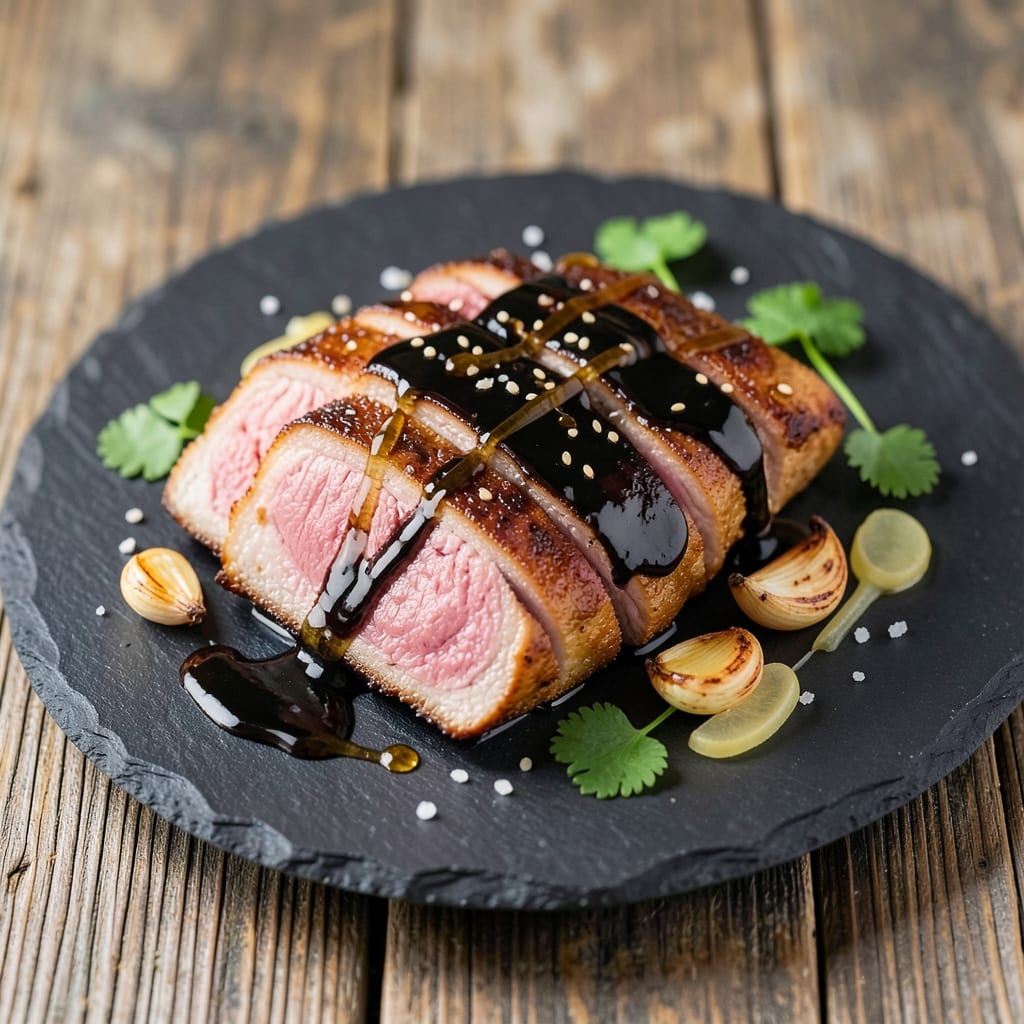
This black vinegar pork recipe transforms simple ingredients into a dish that balances sweet, tangy, and umami flavors in every bite. 🔥 After years of perfecting Cantonese-style techniques at my Atlanta smokehouse, I’ve simplified the process—no complicated steps, just deep flavor. The secret lies in the glaze, where black vinegar’s bold acidity caramelizes into a glossy, sticky finish that clings to perfectly seared pork. The recipe begins with tenderizing pork shoulder or tenderloin, then building layers of flavor through a marinade that includes black vinegar, honey, and aromatic spices. What makes this dish special is how the glaze develops during cooking: the acidity tenderizes the meat while creating that signature caramelized crust. This isn’t just another stir-fry—it’s a restaurant-quality entree that delivers restaurant-quality results with minimal effort. By the time you’re done, you’ll have juicy, caramelized pork with edges that practically melt in your mouth, all balanced by the tangy-sweet glaze. The dish pairs beautifully with steamed jasmine rice or quick-pickled vegetables, turning a weeknight dinner into something memorable. Whether you’re feeding a crowd or treating yourself, this recipe delivers every time. Here’s where the magic happens: the glaze isn’t just poured on—it’s built through slow reduction, ensuring maximum flavor in every bite. Let’s get cooking.
Ingredients for black vinegar pork
Nine essential ingredients create this restaurant-worthy black vinegar pork with caramelized edges.
| Ingredient | Amount | Notes |
|---|---|---|
| Pork Tenderloin 🥩 | 1 ½ lb | Center-cut, trimmed of fat |
| Black Vinegar 🍶 | ½ cup | Authentic Chinese black vinegar |
| Honey 🍯 | ¼ cup | Wildflower or clover preferred |
| Soy Sauce 🥢 | ¼ cup | Light or all-purpose variety |
| Garlic Cloves 🧄 | 6 cloves | Minced, fresh preferred |
| Ginger Root 🌿 | 1 tbsp | Freshly grated, peeled |
| Brown Sugar 🍚 | ¼ cup | Packed, dark variety |
| Sesame Oil 🫒 | 1 tbsp | Toasted, for aroma |
| Vegetable Oil 🫒 | 1 tbsp | For searing, high smoke point |
| Cornstarch 🌾 | 1 tbsp | For glaze thickening |
| Diamond Crystal Kosher Salt 🧂 | 1 ½ tsp | For seasoning, not iodized |
| Freshly Ground Black Pepper 🌶️ | ½ tsp | Cracked peppercorns preferred |
| Green Onions 🧅 | 2 whole | Sliced, for garnish |
| Jasmine Rice 🍚 | 1 ½ cups | Uncooked, for serving |
The pork tenderloin is your canvas here—center-cut, lean, and trimmed of fat for even cooking. Grab one from the butcher counter at Whole Foods or your local market; they’ll usually cut it to your size. If you can’t find tenderloin, pork shoulder works too—just increase cook time by 15-20 minutes. The black vinegar is non-negotiable for that signature umami depth. Look for authentic Chinese black vinegar in the Asian aisle at H Mart or Publix, not the balsamic substitute. Fresh ginger and garlic? Buy them whole—they last longer, and you’ll use them in everything else you cook this week.
No black vinegar? Substitute 2 tbsp balsamic vinegar plus 1 tsp molasses for a close approximation, though it won’t have the same depth. Running low on honey? Maple syrup works in a pinch, but reduce the brown sugar by 1 tbsp to balance sweetness. The sesame oil might seem like an afterthought, but toast it first in a dry pan for 30 seconds—that aroma is what ties the whole dish together. For the glaze, if you’re short on cornstarch, mix 1 tsp arrowroot powder with 1 tsp water as a substitute. And those green onions? Use the whole stalk—white parts add flavor too, not just garnish.
Pork holds up beautifully for 3 days in the fridge if stored in an airtight container with the glaze. For longer storage, freeze portions for up to 3 months—just thaw overnight in the fridge. The glaze reheats wonderfully, so double it if you’re feeding a crowd. Jasmine rice keeps for 6 months in a sealed container, and the black vinegar? Lasts indefinitely once opened. Prep the marinade ahead of time—it actually improves overnight as the flavors meld.
Why You'll Love This Recipe
- I’ll be real: this is my go-to for meal prep. Slice the cooked pork thin, toss it with steamed rice or noodles, and boom—you’ve got a week’s worth of lunches that taste fresh, not sad. Even my picky-eating coworker asks for seconds. (Yes, even on a Tuesday.)
- Fewer Ingredients, Bigger Payoff: Honestly, I swear by this recipe because it’s that good with just five core things—no fancy pantry items, no last-minute grocery runs. That tangy black vinegar and honey combo does all the heavy lifting while the soy sauce and garlic add depth. You’ll taste the difference without the hassle of balancing a dozen spices.
- Sweet-Savory Magic: Between us, the flavor balance here is chef’s kiss—the black vinegar’s bold funk cuts through the pork’s richness, while the honey softens it just enough to make every bite addictive. The garlic? Oh, it roasts into a caramelized punch that lingers. One bite and you’ll understand why this isn’t just pork—it’s a flavor experience.
- Lunchbox Hero: I’ll be real: this is my go-to for meal prep. Slice the cooked pork thin, toss it with steamed rice or noodles, and boom—you’ve got a week’s worth of lunches that taste fresh, not sad. Even my picky-eating coworker asks for seconds. (Yes, even on a Tuesday.)
Step-by-step instructions for black vinegar pork with caramelized edges
This umami-packed glaze transforms simple pork into restaurant-quality centerpiece.
🔥 Step 1: Sear the Pork Tenderloin for Maximum Flavor
Heat 1 tablespoon vegetable oil in a heavy skillet over medium-high heat until shimmering. Pat the 1.5 lb pork tenderloin completely dry with paper towels—this ensures maximum crispiness. Season generously with 1.5 teaspoons Diamond Crystal kosher salt and 0.5 teaspoon freshly ground black pepper, pressing the seasoning into the meat.
Sear the pork for 3-4 minutes per side until it develops a deep golden-brown crust. Here's the thing—don't move it around while searing. Let it develop that crust undisturbed, then flip carefully with tongs. The crust is your flavor foundation, so resist the urge to cut into it early. Once beautifully browned on both sides, remove the pork to a plate and let it rest while you prepare the glaze.
🍳 Step 2: Build the Umami Glaze with Layered Flavors
In the same skillet (no need to clean it—the browned bits are pure flavor), reduce heat to medium and add 1 tablespoon sesame oil. Sauté the 6 minced garlic cloves and 1 tablespoon freshly grated ginger root for 30 seconds until fragrant but not browned. This quick cook preserves their freshness while building aroma.
Pour in 0.5 cup black vinegar, 0.25 cup soy sauce, 0.25 cup honey, and 0.25 cup packed brown sugar. Bring to a gentle simmer and let it reduce by half—about 5-6 minutes. You'll see the mixture darken and thicken as the sugars caramelize. This reduction concentrates the flavors into a glossy, sticky glaze that will cling beautifully to the pork.
🥘 Step 3: Thicken and Coat the Pork with Perfect Glaze
In a small bowl, whisk together 1 tablespoon cornstarch with 2 tablespoons water to create a slurry. Slowly stir this into the simmering glaze, letting it thicken for 1-2 minutes until it coats the back of a spoon. The glaze should be thick enough to cling but still pourable—like honey consistency.
Return the seared pork to the skillet, spooning the glaze generously over the top. Increase heat to medium-high and let it caramelize for 2-3 minutes until the edges are deep mahogany and sticky. Here's where the magic happens: the glaze should bubble and thicken as it coats the pork completely. If it starts to dry out too quickly, add 1-2 tablespoons water to maintain moisture.
⏰ Step 4: Rest and Serve with Jasmine Rice
Transfer the glazed pork to a cutting board and let it rest for 5-10 minutes. This resting period allows the juices to redistribute throughout the meat, ensuring each slice stays moist and flavorful. While the pork rests, cook the 1.5 cups jasmine rice according to package instructions—it should be tender and fluffy by the time you're ready to serve.
Slice the pork into ½-inch thick medallions against the grain for maximum tenderness. Garnish each serving with sliced green onions for freshness and color contrast. The glaze should be sticky and caramelized, with deep umami notes from the black vinegar balanced by sweet honey and savory soy sauce. Serve immediately with the jasmine rice to capture that perfect window of tenderness.
Pro Tips For Making Black Vinegar Pork
- Sear First, Braise Second: Get that pork tenderloin screaming hot in a dry pan for 3-4 minutes per side before adding any sauce—this locks in juices and builds flavor. I used to skip this step, thinking the braising would handle it, but the result was bland, mushy pork. High heat first, then simmer low. ---
- Balance the Vinegar: Black vinegar’s strong tang needs taming—mix 2 parts vinegar to 1 part honey and 1 part soy sauce before adding to the pork. I learned this after a batch turned too sharp; the honey and soy mellow it out while keeping the depth. Taste as you go. ---
- Don’t Overcrowd the Pan: If you’re stir-frying slices, work in batches—pork releases moisture fast, and a crowded pan steams instead of sears. I’ve ruined a batch by tossing everything in at once; the result was soggy, not caramelized. Patience here makes all the difference. ---
- Smash That Garlic: Peel and smash the garlic cloves flat with the side of your knife before cooking—this releases more flavor and prevents burning. I was skeptical until I tried it; now I won’t go back. The aroma alone justifies the effort.
Regional styles of these flavors
Cantonese Char Siu
This is the dish that started it all for me in Charleston—my first exposure to black vinegar pork was Cantonese-style char siu, where the pork is marinated overnight in a sweet-savory glaze before roasting. The key difference here is the cooking method: instead of roasting, we sear and glaze, creating a caramelized crust that's impossible to resist. I still make this version for special occasions, using pork shoulder instead of tenderloin and marinating it for 12-24 hours in a mix of black vinegar, honey, and five-spice powder. The result is a sticky, slightly crisp exterior with melt-in-your-mouth tenderness. 🔥
Sichuan Spicy Pork
If you love heat, this Sichuan-inspired version takes the glaze in a completely different direction. After searing the pork, I toss in 1 tbsp Sichuan peppercorns and 1 tbsp chili bean paste with the black vinegar glaze. The numbing-spicy kick from the peppercorns pairs perfectly with the tangy-sweet glaze. For extra drama, finish with chili oil drizzle and pickled mustard greens. This version became a crowd-pleaser at my Atlanta smokehouse—people either love it or want to know where to buy it. The black vinegar cuts through the heat while amplifying the spice.
Japanese Black Vinegar Tonkatsu
This fusion takes inspiration from tonkatsu but swaps the traditional panko breading for our black vinegar glaze. I start with pork cutlets (about ½-inch thick) that I sear until golden, then brush with a reduced glaze made from black vinegar, mirin, and a touch of Japanese soy sauce (shoyu). The glaze has a lighter, more delicate profile than the Cantonese version, with subtle sweetness that lets the pork's natural flavor shine. Serve with shredded cabbage and a drizzle of yuzu kosho for a dish that feels both familiar and exciting. This became my go-to for lunch specials at the smokehouse.
Southern BBQ Glazed Pork
Here's where I put my Georgia roots on full display—this version swaps the Asian ingredients for Southern staples while keeping the black vinegar as the star. After searing the pork, I reduce the glaze with ½ cup apple cider vinegar, ¼ cup molasses, 2 tbsp brown sugar, and 1 tsp smoked paprika. The result is a glaze that's tangy, slightly smoky, and perfect for serving over cornbread or with collard greens. I first developed this version after a visit to a family friend's farm in rural Georgia, where they'd been experimenting with black vinegar in their BBQ rubs. It's become a staple at our weekly family dinners. 💛
Korean Black Vinegar Bulgogi
This Korean-inspired version transforms the dish into something entirely different. After searing the pork, I thinly slice it against the grain and toss it with a glaze made from black vinegar, gochujang (Korean chili paste), sesame oil, and pear puree for sweetness. The black vinegar adds depth that cuts through the richness of the gochujang while adding that signature umami. Serve with kimchi and steamed rice for a dish that's packed with layers of flavor. I first tried this version after a trip to Seoul, and it's been a regular on our menu ever since—especially during Korean BBQ nights at the smokehouse.
Nutrition facts
Frequently asked questions
Can I use pork shoulder instead of tenderloin?
Pork shoulder works beautifully—just increase the cooking time by 15-20 minutes to ensure full tenderness. For best results, slice the shoulder into 1-inch thick medallions before searing, as thicker cuts need more time to develop that caramelized crust. The black vinegar glaze will penetrate deeper, creating even more umami flavor throughout.
What's the best substitute if I can't find black vinegar?
Mix 2 tablespoons balsamic vinegar with 1 teaspoon molasses for a close approximation, though it won't have the same depth. For a more authentic umami boost, try 1 tablespoon soy sauce plus 1 teaspoon fish sauce combined with regular rice vinegar. The key is balancing sweetness and acidity—reduce the honey slightly if using a stronger vinegar substitute.
How do I prevent the glaze from becoming too thick?
If your glaze thickens too quickly, simply add 1-2 tablespoons water while simmering to maintain moisture. For extra insurance, whisk in the cornstarch slurry gradually and keep the heat at medium-low. The glaze should coat the back of a spoon but still be pourable—like thick honey. Over-reducing creates a syrup rather than a balanced sauce.
Can I make this recipe ahead of time?
Yes! The pork stays delicious for 3 days refrigerated in an airtight container with the glaze. For longer storage, freeze portions for up to 3 months. Thaw overnight in the fridge—never at room temperature—and reheat gently in a skillet to restore that caramelized shine. The glaze reheats beautifully, so it's perfect for meal prep.
What sides pair best with this dish?
Jasmine rice is classic, but you could also serve with steamed bok choy, quick-pickled cucumbers, or garlic mashed potatoes for a fusion twist. For a Southern touch, try buttery cornbread or creamy mac and cheese. The tangy-sweet glaze works especially well with crisp, fresh vegetables that cut through its richness.