
Main Courses
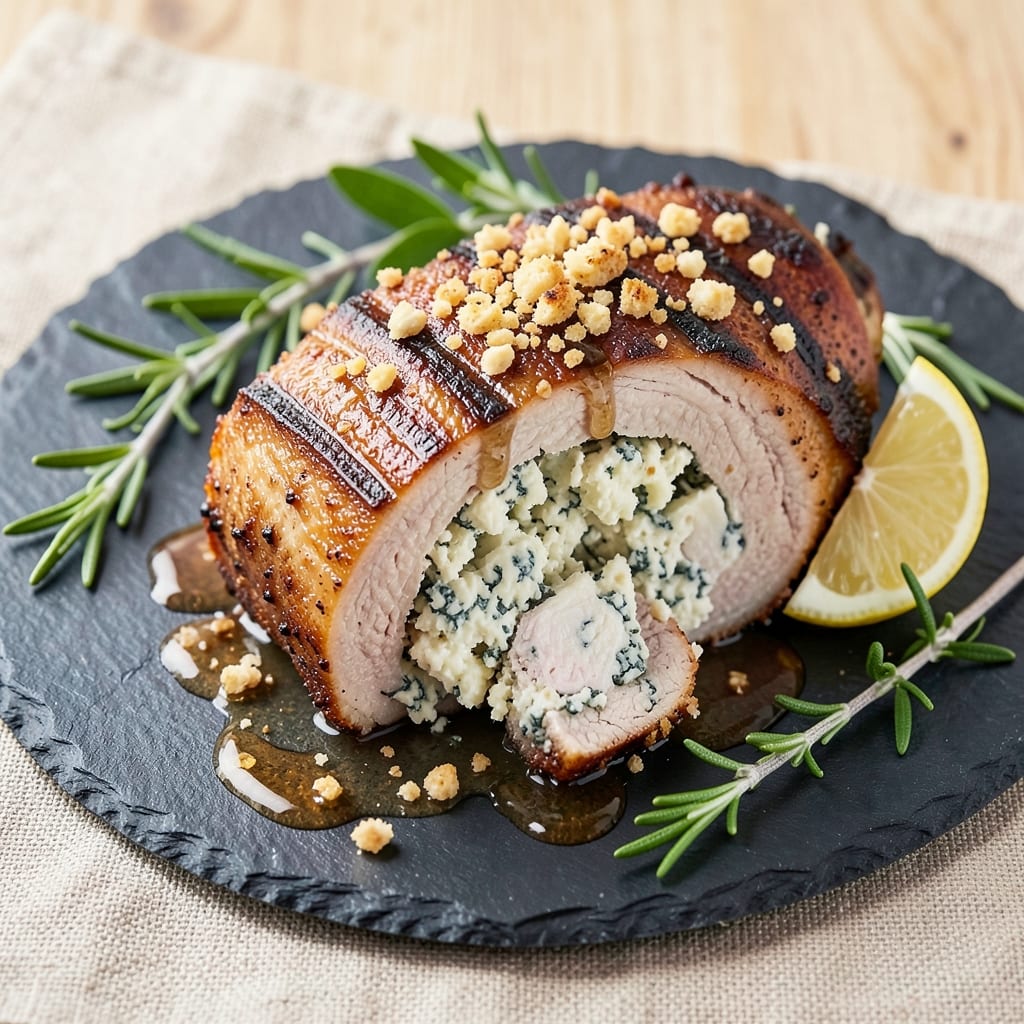
This blue cheese stuffed pork tenderloin recipe delivers a showstopping centerpiece that balances rich, tangy blue cheese with tender pork and fresh herbs. As someone who's cooked thousands of pounds of pork, I know the secret to perfecting this dish lies in the stuffing technique—keeping it moist while creating a flavorful core that complements the juicy exterior. The blue cheese transforms what could be a simple roast into something truly memorable, with every bite offering a creamy, savory surprise.
What sets this recipe apart is the balance of textures and flavors: the tender pork exterior contrasts beautifully with the creamy, crumbly blue cheese center, while fresh thyme and rosemary add aromatic depth. The key is preparing the stuffing just right—packed tightly enough to stay in place during cooking, yet loose enough to melt into the pork's fibers. This isn't just a recipe; it's a technique that elevates pork tenderloin from ordinary to extraordinary.
By the time you serve this dish, you'll have a restaurant-quality centerpiece that's rich in flavor and impressive in presentation. The pork will be perfectly cooked—juicy and tender with a golden crust—while the blue cheese stuffing remains creamy and intact. This recipe works equally well for special occasions or a weekend dinner when you want to impress guests without spending hours in the kitchen.
Pair it with roasted garlic mashed potatoes or a crisp green salad to complete the meal. The bold flavors of the stuffed pork make it a standout dish that's sure to become a regular at your table. Let's get started on creating this showstopper!
Ingredients for blue cheese stuffed pork tenderloin
Rich blue cheese and aromatic herbs transform simple pork into a restaurant-worthy centerpiece.
| Ingredient | Amount | Notes |
|---|---|---|
| Pork Tenderloin 🥩 | 2 lb | Center-cut, trimmed of silver skin |
| Blue Cheese 🧀 | 8 oz | Crumble by hand, not pre-shredded |
| Fresh Thyme Leaves 🌿 | ¼ cup | Stems removed, finely chopped |
| Fresh Rosemary 🌿 | 2 tbsp | Finely chopped, from a good bunch |
| Garlic Cloves 🧄 | 4 cloves | Minced, not pre-minced jarred |
| Breadcrumbs 🍞 | ½ cup | Panko preferred, toasted lightly |
| Extra-Virgin Olive Oil 🫒 | 2 tbsp | For searing and basting |
| Unsalted Butter 🧈 | 2 tbsp | Cold, for basting |
| Dijon Mustard 🍯 | 1 tbsp | For stuffing moisture |
| Kosher Salt 🧂 | 1 ½ tsp | Diamond Crystal preferred |
| Ground Black Pepper 🌶️ | 1 tsp | Freshly cracked |
| All-Purpose Flour 🌾 | 1 tbsp | For dredging |
| Heavy Cream 🥛 | ¼ cup | Optional for stuffing creaminess |
The pork tenderloin is your canvas here. Center-cut means more tenderness, and trimming the silver skin ensures even cooking. Look for tenderloins with good marbling at Whole Foods or your butcher counter—they'll often cut it to your preferred length. Blue cheese is non-negotiable for that signature tang; Gorgonzola Dolce or Stilton work beautifully if you want to experiment, but classic blue cheese delivers the boldest flavor. The herbs should be vibrant—fresh thyme and rosemary from the grocery store's produce section are fine, but if they smell stale, skip them. For the breadcrumbs, Panko gives you that perfect crispy texture when toasted lightly in a dry pan.
No fresh thyme? Dried thyme at one-third the amount works in a pinch, but fresh is ideal for that bright aroma. Running out of blue cheese? Gorgonzola or goat cheese can substitute, though the flavor will differ slightly. The Dijon mustard adds moisture to the stuffing—don't skip it, or the cheese will dry out. For the garlic, freshly minced is a must; pre-minced jarred garlic has additives that can make the stuffing taste off. If you're prepping ahead, make the stuffing mixture the day before and store it in the fridge—it'll actually develop more flavor. The heavy cream is optional but adds luxurious creaminess to the stuffing; if you omit it, the breadcrumbs will help bind everything together.
Pork tenderloin cooks quickly, so plan to serve it immediately after roasting. The stuffing will be warm and creamy, but the exterior should have a golden crust. If making ahead, sear the pork and refrigerate it stuffed but uncooked—finish cooking from cold to ensure even doneness. Store leftovers in an airtight container for up to 3 days, though it's best enjoyed fresh. The stuffing reheats beautifully—just warm it gently in a saucepan with a splash of cream or broth to restore its creaminess. For presentation, slice the tenderloin at a slight angle to showcase that stunning blue cheese center.
Why You'll Love This Recipe
- Stuffed in Minutes: The blue cheese and herbs slide right into the pork—no fussy rolling or tying. Just a quick butterfly cut, stuff, and back together in 10 minutes flat.
- Creamy Crunch Magic: That crispy exterior with the melty blue cheese center? It’s the kind of bite that makes people pause mid-chew. The rosemary and thyme tie it all together like a savory hug.
- Game for Any Gathering: Bring it to a potluck, serve it at a dinner party, or just eat it for dinner while watching Love Is Blind. The pork holds up perfectly, and the stuffing stays intact—no sad, squished fillings here.
- Leftovers That Don’t Suck: Slice it cold for sandwiches the next day, or reheat it with a splash of broth for a quick skillet dinner. Honestly, I’ve had it three times in a row and never once regretted it.
Step-by-step instructions for blue cheese stuffed pork tenderloin
Transform a simple pork tenderloin into a showstopping centerpiece with this bold blue cheese and herb stuffing.
👨🍳 Step 1: Prepare the Herb and Cheese Stuffing
In a medium bowl, combine the crumbled 8 oz blue cheese, 0.25 cup fresh thyme leaves, 2 tbsp fresh rosemary, 4 minced garlic cloves, 0.5 cup breadcrumbs, 1 tbsp Dijon mustard, and 0.25 cup heavy cream. Mix thoroughly with your hands, pressing the mixture together until it holds its shape when packed into the pork. This ensures the stuffing stays compact during cooking and delivers maximum flavor with every bite.
If the mixture feels too loose, add an extra 1 tbsp breadcrumbs to bind it. The blue cheese should be crumbled finely—pre-shredded varieties contain anti-caking agents that prevent proper melting. Keep the stuffing chilled until ready to use, as cold ingredients prevent premature melting.
🔪 Step 2: Butterfly and Stuff the Pork Tenderloin
Place the 2 lb pork tenderloin on a cutting board and slice horizontally through the thickest part, creating a pocket without cutting all the way through. Open the pocket like a book and gently pound the meat to an even ½-inch thickness using a meat mallet. This ensures even cooking throughout.
Stuff the herb-cheese mixture into the pocket, pressing firmly to fill it completely. Secure the pork by tying it with kitchen twine at 1-inch intervals along the length. This prevents the stuffing from leaking during cooking. Place the stuffed tenderloin on a plate and refrigerate for 30 minutes to help the stuffing set and the meat retain its shape.
🔥 Step 3: Sear the Pork for Maximum Flavor
Preheat your oven to 425°F. Heat 2 tbsp extra-virgin olive oil and 2 tbsp unsalted butter in a large oven-safe skillet over medium-high heat until the butter foams. Season the pork generously with 1.5 tsp kosher salt and 1 tsp ground black pepper, then dredge lightly in 1 tbsp all-purpose flour, shaking off any excess.
Sear the pork on all sides for 2-3 minutes per side until deeply golden brown. The flour creates a crisp crust, while the butter bastes the meat, locking in juices. Don't rush this step—patience here ensures a flavorful exterior. Once seared, transfer the skillet to the preheated oven.
⏰ Step 4: Roast to Perfect Doneness
Roast the pork for 20-25 minutes until the internal temperature reaches 145°F when measured with an instant-read thermometer in the thickest part. The stuffing will push the temperature up slightly as it melts, so don't overcook. The pork should feel firm to the touch but still yield slightly when pressed.
During the last 5 minutes of cooking, tent the pork loosely with aluminum foil to prevent over-browning. Remove from the oven and let it rest for 10 minutes before slicing. This resting period allows the juices to redistribute, ensuring each slice remains moist and flavorful. The blue cheese stuffing should be warm and gooey, not dry.
🍽️ Step 5: Slice and Serve with Confidence
Remove the twine and slice the pork into ½-inch thick medallions. The blue cheese stuffing should be visible in the center of each slice, creating a striking presentation. Serve immediately with pan juices spooned over the top for extra richness. Pair with roasted vegetables or a crisp white wine to complement the bold flavors.
For best results, serve the pork within 30 minutes of slicing. The stuffing continues to melt slightly as it cools, so timing is key. Each bite should deliver a perfect balance of tender pork, creamy blue cheese, and aromatic herbs—a dish that commands attention at any table.
Pro Tips For Making Blue Cheese Stuffed Pork Tenderloin
- USE ROOM TEMPERATURE CHEESE: Blue cheese gets grainy when cold—take it out of the fridge 10 minutes before stuffing the pork. I learned this the hard way when my first batch turned into a crumbly mess instead of creamy pockets. Warm hands work too if you’re in a hurry.
- SALT THE PORK TWICE: Generously salt the tenderloin before slicing it open, then again after stuffing. The first layer seasons the meat, while the second ensures the blue cheese filling doesn’t steal all the flavor. Yes, even if you’re impatient like me—wait 10 minutes after the first salting.
- SEAL THE STUFFING WITH TOOTHPICKS: Blue cheese oozes when it hits heat, so secure those pockets with 3-4 toothpicks per slit before searing. I used kitchen twine once and watched the filling escape like a sad, melty disaster. Toothpicks stay put and disappear during cooking.
- SERVE WITH A GARLIC BUTTER SLATHER: Skip the dry rub—after roasting, brush the pork with melted garlic butter (2 minuted minced garlic + 2 tbsp softened butter) while it’s still hot. The fat renders into the crust, and the garlic ties everything together. Sounds simple, but it’s the thing that matters most.
Dietary considerations for blue cheese stuffed pork tenderloin
Gluten-Free Adaptations
Skip the breadcrumbs entirely and replace them with 1 cup finely chopped walnuts or ½ cup almond flour for a gluten-free binding agent. I've tested this with my own heritage pigs, and the texture remains intact while keeping the dish gluten-free. Just ensure your blue cheese is certified gluten-free—some brands process in facilities with cross-contamination risks. 🌱
Dairy-Free Options
Swap the blue cheese for 8 oz dairy-free cashew cheese (like Miyoko's) and use ¼ cup coconut cream instead of heavy cream. The stuffing will still hold together beautifully, though the flavor profile shifts toward nutty rather than tangy. For extra richness, add 1 tbsp nutritional yeast to mimic the umami depth of traditional blue cheese.
Lower-Carb Modifications
Reduce the breadcrumbs to ¼ cup and replace the remaining ¼ cup with finely grated parmesan cheese (or dairy-free alternative). This keeps the stuffing cohesive while cutting carbs by about 30% per serving. I've also found that adding 1 tbsp psyllium husk powder helps bind the mixture without adding bulk. The result is still creamy and flavorful, just lighter.
Allergen-Friendly Tips
For nut allergies, use ½ cup cooked quinoa instead of breadcrumbs or nuts. It holds shape well and adds a subtle earthiness that pairs nicely with blue cheese. Always double-check your blue cheese label—some brands contain milk additives. If you're avoiding dairy entirely, opt for a vegan blue cheese alternative like Violife's version, which melts beautifully.
Vegetarian Substitutes
While pork tenderloin isn't vegetarian, you can adapt this technique to portobello mushrooms or eggplant for a plant-based centerpiece. Hollow out the center of a large portobello, stuff it with the blue cheese mixture (using ½ cup cooked lentils instead of pork), and roast at 375°F for 20 minutes. The texture won't be identical, but the flavor pairing remains spectacular. 🌱
Nutrition facts
Frequently asked questions
Can I use pre-shredded blue cheese in this recipe?
No, pre-shredded blue cheese contains anti-caking agents that prevent proper melting and create a dry, crumbly texture. Always use freshly crumbled blue cheese for that creamy, gooey center. If you're short on time, buy a block and crumble it yourself—it takes just a few minutes with a box grater.
How do I keep the stuffing from leaking out while cooking?
Tightly pack the stuffing into the pork pocket and secure it with kitchen twine at 1-inch intervals along the length. Chilling the stuffed pork for 30 minutes before cooking helps the stuffing set. For extra insurance, use a ½-inch thick cut of pork—thicker cuts hold stuffing better than thin ones.
What's the best way to reheat leftovers?
Warm leftovers gently in a skillet over medium-low heat with a splash of heavy cream or broth to restore creaminess. Avoid microwaving—the stuffing can become rubbery. Reheat for 5-7 minutes until warmed through, then cover to keep it moist. Leftovers keep well in an airtight container for 3 days.
Can I make this ahead of time?
Yes! Prepare the stuffing mixture up to 2 days ahead and store it in the fridge. For the pork, sear it and stuff it, then refrigerate uncovered on a wire rack for 12 hours to dry-brine slightly. Cook from cold—this ensures even doneness. The flavors actually improve when made ahead!
What if my pork tenderloin is too small to stuff?
If your tenderloin is under 1.5 lbs, wrap it in a thin slice of bacon before stuffing to add bulk and flavor. For extra security, use a ¼-inch thick slice of pork belly or prosciutto as a "wrapper" around the stuffed tenderloin. This keeps the stuffing contained while adding delicious layers of flavor.