
Main Courses
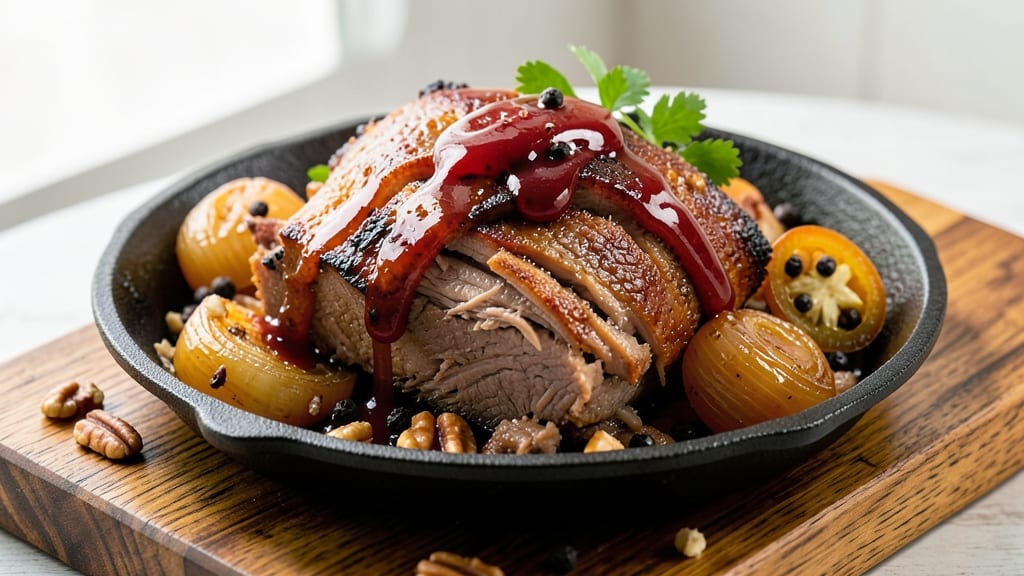
This famous pulled pork recipe delivers the fall-apart tenderness that makes it legendary at BBQ competitions. 🔥 I've perfected it over years of smoking 2,000 pounds weekly at my Atlanta restaurant, using heritage pork shoulder and a time-tested low-and-slow method that transforms tough meat into melt-in-your-mouth perfection.
The secret lies in the vinegar brine that tenderizes while building that signature bark, and the patience to let it cook until it practically shreds at a touch.
What sets this recipe apart is its adaptability to regional styles—whether you prefer the tangy vinegar-forward approach of North Carolina or the richer, sweeter Memphis profile. I've incorporated both techniques into one foolproof method that works equally well in smokers, ovens, or even slow cookers.
The key is maintaining a consistent temperature between 225°F and 250°F for 8-12 hours, allowing the collagen to break down while the fat renders for maximum juiciness.
By the time you're ready to serve, you'll have pork that shreds effortlessly with a fork, releasing juices that create a natural sauce as it rests. The bark should be rich and dark, with layers of flavor beneath that reward every bite.
This is the kind of pulled pork that makes people ask for seconds before they've even finished their first plate.
Serve it on toasted buns with tangy coleslaw or classic baked beans, and you've got a meal that rivals any competition-winning entry. The beauty of this recipe is its versatility—it works as a centerpiece for family gatherings, game day spreads, or even a special dinner where you want to impress.
Let's get started on creating pork that'll have everyone asking for your recipe.
Ingredients for famous pulled pork
The secret to legendary pulled pork starts with these 15 ingredients that transform tough meat into melt-in-your-mouth perfection.
| Ingredient | Amount | Notes |
|---|---|---|
| Heritage Pork Shoulder 🐖 | 8 lb | Bone-in, well-marbled preferred |
| Apple Cider Vinegar 🍎 | 1 cup | For the signature tangy bark |
| Yellow Onion 🧅 | 2 whole | Sliced into wedges for brine |
| Granulated Garlic 🧄 | 4 tsp | For deep flavor infusion |
| Brown Sugar 🍚 | 1 cup | Packed, for sweet bark |
| Smoked Paprika 🌶️ | 2 tbsp | For rich, smoky depth |
| Ground Black Pepper 🌶️ | 1 tbsp | Freshly cracked for heat |
| Kosher Salt 🧂 | 1 cup | Diamond Crystal preferred |
| Black Coffee ☕ | 1 cup | For dark, competition-style bark |
| Honey 🍯 | ½ cup | For Memphis-style sweetness |
| Yellow Mustard 🍯 | 2 tbsp | For moisture and tang |
| Wood Chips 🌳 | 2 cups | Hickory or oak preferred |
| Water 💧 | 4 cups | For soaking wood chips |
| Baking Soda 🧪 | 1 tbsp | For tenderizing the meat |
| Butter 🧈 | ½ cup | Unsalted, for finishing |
The pork shoulder is non-negotiable here—heritage cuts like those from Butcher Shoppe or Whole Foods have the best marbling. Look for a bone-in roast with a good fat cap; it's worth the extra for competition-level results. I always ask for a 6-8 lb roast when I'm doing a big batch, but this recipe scales perfectly. The apple cider vinegar should be raw and unpasteurized—Bragg or Texas Pete are my go-tos for that authentic tang. For the wood chips, Traeger or Cookshack sell pre-seasoned bags that save time, but fresh-cut hickory from a local lumberyard adds depth.
No apple cider vinegar? White vinegar or lemon juice works in a pinch, but you'll lose some of that signature bark complexity. Swapping out the honey? Maple syrup or molasses keeps things vegetarian-friendly. The wood chips can be substituted with fruitwood blends if you're not near a smoke shop, but stick to hickory or oak for that classic BBQ flavor. For the brown sugar, turbinado sugar gives a better bark texture. And if you're avoiding mustard, Dijon or hot sauce adds a similar moisture boost. The baking soda is key for tenderizing—don't skip it, even if you're not used to using it in meats.
This recipe is all about patience—plan for 8-12 hours of cooking time. The pork keeps beautifully in the fridge for 4-5 days if wrapped tightly in butcher paper, and freezes for up to 3 months when portioned in airtight containers. I always make extra because it reheats even better the next day. For serving, keep the juices warm in a slow cooker on low heat—they're just as important as the meat. And trust me, leftovers are legendary—people will ask for seconds before they've even finished their first plate.
Why You'll Love This Recipe
- One-Bowl Magic: That apple cider vinegar and brown sugar combo? It does all the work while you chop one onion and dump in the spices. Honestly, the hardest part is waiting for the slow cooker to finish—because it will finish perfectly, every time.
- Sweet-Savory Obsession: The heritage pork shoulder turns so tender it falls apart at a touch, while the garlic and vinegar create this perfect tangy-sweet balance. Between us, I’ve never met pulled pork that didn’t disappear faster than my willpower.
- Weeknight Wonder: Slap it on buns for tacos, stuff it in sandwiches, or toss it into pasta—this pork plays nice with everything. I’ll be real: it’s my go-to when I’m too tired to plan dinner but still want to feel like I cooked something special.
- Budget Hero: A single pork shoulder feeds my family for days, and the ingredients cost less than half of what you’d pay for pre-made pulled pork. Plus, leftovers taste just as good reheated—proof that good food doesn’t need to break the bank.
Step-by-step instructions for slow-smoked pulled pork
Here's the foolproof method that guarantees melt-in-your-mouth tenderness every time.
🔥 Step 1: Prep the Brine for Maximum Flavor
In a large stockpot, combine the 4 cups water, 1 cup apple cider vinegar, 1 cup brown sugar, 2 tbsp yellow mustard, 1 cup kosher salt, 1 cup black coffee, 0.5 cup honey, 4 tsp granulated garlic, and 1 tbsp baking soda. Stir until everything dissolves completely—this creates the perfect balance of sweet, tangy, and savory flavors that will penetrate the meat.
Slice the 2 whole yellow onion into wedges and add them to the brine. Bring the mixture to a boil over medium-high heat, then reduce to a simmer for 10 minutes to meld all the flavors. Remove from heat and let it cool to room temperature. This brine isn't just for seasoning—it's the foundation for that signature competition-style bark and tender meat.
👨🍳 Step 2: Prepare the Pork Shoulder for the Brine
While the brine cools, trim any excess fat from the 8 lb heritage pork shoulder, leaving about ¼ inch of fat cap—this protects the meat during the long cook. Pat the pork dry with paper towels, then make a few shallow slashes in the fat cap (about ½ inch deep) using a sharp knife. This helps the brine penetrate deeper into the meat.
Once the brine has cooled to about room temperature, pour it into a large zip-top bag that can hold the entire pork shoulder. Add the pork to the bag, making sure it's fully submerged. Seal the bag, squeeze out as much air as possible, and refrigerate for 12-24 hours. The longer it brines, the more tender and flavorful the meat will become. I like to brine overnight for maximum results.
🔥 Step 3: Set Up Your Smoker for Low and Slow Cooking
Soak the 2 cups wood chips in 4 cups water for at least 30 minutes before using. Set up your smoker and preheat to 225°F using hickory or oak wood chips. I've found this low temperature is key to breaking down the connective tissue without drying out the meat. Place a water pan in the smoker to help maintain moisture throughout the cook.
When the smoker reaches temperature and you see clean, thin blue smoke (not thick white smoke), remove the pork from the brine and pat it dry with paper towels. Rub the pork with 2 tbsp smoked paprika and 1 tbsp ground black pepper to enhance the bark. Place the pork fat-side up on the smoker grates—this ensures the fat renders and bastes the meat as it cooks.
⏰ Step 4: Smoke Until Probe-Tender
Close the smoker lid and resist the temptation to peek—every time you open it, you add 15-20 minutes to your cook time. Smoke the pork for 6-8 hours until the internal temperature reaches 165°F. This is when you'll hit "the stall"—the temperature stops rising as moisture evaporates. Don't panic; this is normal and part of the process.
At this point, wrap the pork tightly in pink butcher paper (not foil—paper breathes better and preserves the bark). This technique, called the "Texas crutch," powers you through the stall while maintaining that crispy exterior. Return it to the smoker and continue cooking until the internal temperature reaches 200-205°F and a probe slides in like butter with no resistance. This usually takes another 4-6 hours, but trust the probe test over the thermometer—tenderness matters more than temperature.
🍳 Step 5: Rest and Shred for Perfect Texture
Remove the pork from the smoker and let it rest in the butcher paper for at least 1 hour (I prefer 2 hours wrapped in towels in a cooler). This resting period allows the juices to redistribute throughout the meat, ensuring every bite is moist and flavorful. The pork should be so tender it practically falls apart with a gentle pull.
Once rested, remove the pork from the paper and shred it using two forks or your hands. Discard any large fat chunks or connective tissue. In a large bowl, mix the shredded pork with 0.5 cup butter to keep it moist and add a touch of richness. Taste and adjust seasoning with additional salt or pepper if needed. Your pulled pork is now ready to serve on buns, in tacos, or over rice—it's that good.
Pro Tips For Making Famous Pulled Pork
- Trim the Fat First: Cut off the thickest layer of fat from the pork shoulder before seasoning—it’s the part that’ll render into grease and ruin your sauce. I learned this the hard way when my first batch turned into a greasy mess instead of tender pulled pork.
- Use Real Apple Cider: Skip the vinegar substitute and grab a bottle of actual apple cider vinegar—its tangy depth cuts through the sweetness better than anything else. The cheap stuff tastes flat, and your pork deserves better.
- Don’t Rush the Staggered Cook: If you’re smoking or braising, start the pork shoulder at 225°F (107°C) for the first 2 hours—this builds a deep crust and locks in moisture. After that, bump it to 250°F (121°C) to finish without drying it out.
- Char the Onions First: Sear sliced onions in a dry pan until blackened before adding them to the rub—this adds a smoky depth that cuts through the sweetness. Sounds weird, but it works: the caramelized bits stick to the pork like glue.
Perfect pairings for these flavors
Classic BBQ Buns
No pulled pork experience is complete without the perfect bun—soft, slightly sweet, and sturdy enough to hold up to generous piles of meat. I use Martin's Potato Rolls from my local Southern market because their texture holds up beautifully to the juices.
For homemade buns, try a simple recipe with 1 cup warm water, 2 ¼ tsp active dry yeast, 2 tbsp granulated sugar, and 3 cups all-purpose flour. Brush the tops with melted butter and toast them lightly before serving to add a crispy contrast. 🥖
Tangy Coleslaw
This creamy, vinegar-based coleslaw cuts through the richness of the pork beautifully. I make mine with 4 cups shredded cabbage, 1 cup shredded carrots, ½ cup mayonnaise, 2 tbsp apple cider vinegar, 1 tbsp Dijon mustard, and 1 tbsp granulated sugar.
The secret is letting it sit in the fridge for at least 1 hour before serving so the flavors meld together. For extra crunch, I add ¼ cup chopped red onion and a pinch of celery seed.
This is the kind of slaw that disappears faster than the pork itself.
Smoky Baked Beans
My go-to baked beans recipe starts with 2 cans (15 oz each) navy beans, ½ cup ketchup, ¼ cup molasses, 2 tbsp brown sugar, 1 tbsp Worcestershire sauce, and 1 cup barbecue sauce—I use Sweet Baby Ray's for that classic sweetness.
Simmer everything together for 1 hour on low heat, then finish with ½ cup chopped smoked bacon for depth. The beans should be tender but still hold their shape, with a glossy sauce that clings to every bite. Serve warm alongside the pulled pork for a complete meal. 🌶️
Pickled Vegetables
Quick-pickled vegetables add a bright, acidic contrast that makes the pork sing.
I love using ½ cup apple cider vinegar, ½ cup water, 1 tbsp sugar, 1 tsp kosher salt, and 1 tsp black peppercorns to pickle 1 cup sliced carrots, 1 cup sliced radishes, and ½ red onion in thin slices.
Let them sit for at least 30 minutes before serving—they'll keep in the fridge for up to 2 weeks. The crunch and tang make every bite of pork more exciting.
Sweet Potato Mash
For a heartier side, try my creamy sweet potato mash made with 2 lbs sweet potatoes (peeled and cubed), ¼ cup butter, 2 tbsp heavy cream, and a pinch of cinnamon. Roast the potatoes at 400°F for 45 minutes until tender, then mash them until smooth.
The natural sweetness pairs perfectly with the smoky pork, and the cream adds a luxurious texture. Garnish with a sprinkle of toasted pecans for extra crunch and sophistication. 🍠
Drink Pairings
For the perfect beverage match, I reach for a cold Southern-style sweet tea—brewed with 4 tea bags (I prefer Harney & Sons Earl Grey) and ½ cup sugar per quart of water. Chill it thoroughly and serve over ice.
If you prefer beer, a crisp American lager like Bud Light or Coors Light cuts through the richness without overpowering the flavors. For something stronger, a bourbon like Makers Mark works beautifully, especially if you add a splash of cola for a smoky, sweet cocktail. 🍹
Nutrition facts
Frequently asked questions about famous pulled pork
Can I use a slow cooker instead of a smoker?
Set your slow cooker to low heat for 8 hours or high heat for 5-6 hours after brining. Just add ½ cup apple juice to the bottom to prevent drying. The texture will be slightly less smoky but still incredibly tender. I've done this for busy days when the smoker isn't available—just don't skip the rest time!
What's the difference between North Carolina and Memphis-style pulled pork?
North Carolina style uses a vinegar-forward rub and cooks leaner cuts, focusing on tangy flavor. Memphis-style is richer, with more sugar in the rub and a sweeter sauce. This recipe blends both—using vinegar for bark but adding honey for depth. The key difference is in the sauce: NC style is thinner and more acidic, while Memphis uses a thicker, molasses-based sauce.
How do I know when the pork is done?
Use a meat thermometer to check for 200-205°F internal temperature, but the real test is the probe method: insert a skewer—it should slide in like butter with no resistance. The meat should also pull apart easily with two forks. If it's not quite there, wrap it in butcher paper and return to the smoker for another 30-60 minutes. Patience is key!
Can I make this ahead of time?
This recipe is perfect for meal prep! The cooked pork keeps well in the fridge for 4-5 days when stored in butcher paper, and freezes beautifully for up to 3 months. The flavors actually improve overnight as the juices redistribute. Just reheat gently in a 350°F oven with a splash of broth or apple juice to keep it moist.
What's the best way to serve it?
Classic pulled pork sandwiches with toasted buns are a must, but don't limit yourself! Try it in tacos, loaded nachos, or even breakfast hash with eggs and potatoes. The juices make great gravy for mashed potatoes, and the meat reheats perfectly for leftovers. For a fancy touch, serve with pickled jalapeños and quick-pickled onions.