
Main Courses
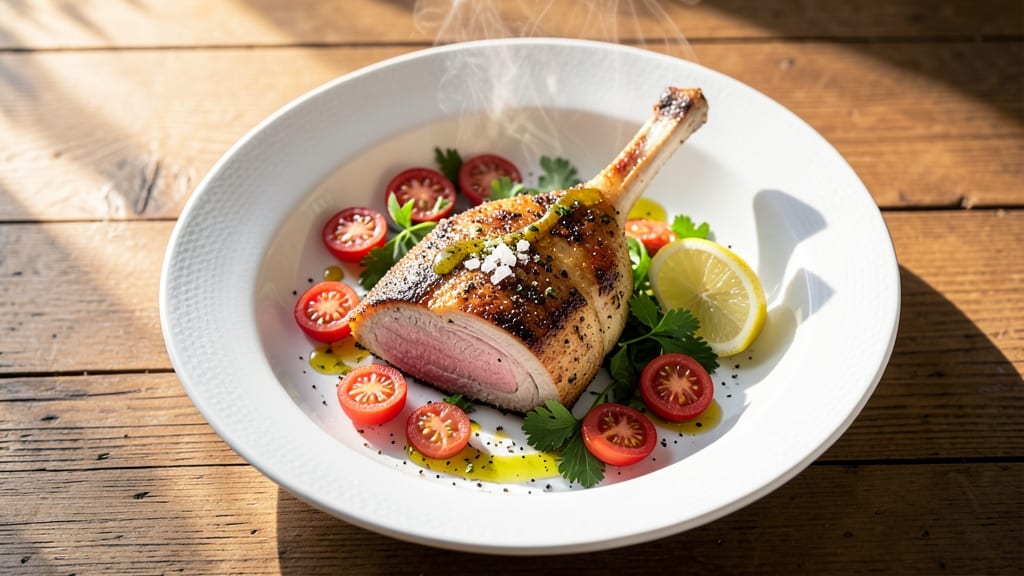
This Mediterranean diet pork chop recipe transforms simple ingredients into a dish that tastes like a Greek taverna dinner. The secret lies in a fragrant herb-lemon crust that seals in juices while creating a golden, crispy exterior.
I developed this technique after years of working with pork—balancing Mediterranean flavors with precise cooking methods that guarantee tender, flavorful results every time.
The crust combines fresh herbs like oregano and thyme with lemon zest and olive oil, creating layers of bright, aromatic flavor. Pan-searing the chops in extra virgin olive oil adds depth, while a final touch of lemon juice brightens each bite.
This method delivers restaurant-quality pork chops with minimal effort—perfect for weeknight dinners or special occasions when you want Mediterranean-inspired flavors without the fuss.
What makes this recipe stand out is the harmony of textures: crispy crust, tender meat, and the zesty olive oil finish that ties everything together. The dish aligns perfectly with Mediterranean dietary principles, using wholesome ingredients like olive oil, fresh herbs, and citrus.
It's a complete meal that pairs beautifully with roasted vegetables or a simple Greek salad.
Ready in just 30 minutes, this recipe delivers professional-quality results without requiring advanced techniques. The crust method ensures maximum flavor while keeping the cooking process straightforward. Whether you're serving family or guests, these herb-lemon pork chops will be the star of your table.
Ingredients for mediterranean diet pork chop
Transform simple Mediterranean ingredients into restaurant-quality pork chops with this herb-lemon crust technique.
| Ingredient | Amount | Notes |
|---|---|---|
| Bone-In Pork Chops 🥩 | 4 whole | Center-cut, 1-inch thick |
| Extra-Virgin Olive Oil 🫒 | ½ cup | Cold-pressed, fruity variety |
| Fresh Oregano 🌿 | ¼ cup | Finely chopped, stems removed |
| Fresh Thyme 🌿 | ¼ cup | Leaves only, finely chopped |
| Lemon Zest 🍋 | 2 tbsp | From 1 large organic lemon |
| Fresh Lemon Juice 🍋 | 2 tbsp | Freshly squeezed |
| Diamond Crystal Kosher Salt 🧂 | 1 ½ tsp | Coarse grain preferred |
| Freshly Ground Black Pepper 🌶️ | ½ tsp | Cracked peppercorns preferred |
| All-Purpose Flour 🌾 | ¼ cup | For crust adhesion |
| Garlic Cloves 🧄 | 4 cloves | Minced for crust |
| Unsalted Butter 🧈 | 2 tbsp | Cold, for finishing |
| Fresh Rosemary 🌿 | ⅛ cup | Needle leaves only, chopped |
The bone-in pork chops are non-negotiable for flavor and tenderness—center-cut, 1-inch thick pieces ensure even cooking. Source from a butcher or high-quality grocery store like Whole Foods or Trader Joe's, where they'll often cut them to your specifications. Look for good marbling along the edges, which indicates juiciness. If you can't find bone-in, bone-out chops with a thick cut work, but they'll cook faster. The herbs—fresh oregano, thyme, and rosemary—should be vibrant green with no wilting; Penzeys or your local spice shop carry excellent dried alternatives if fresh isn't available, though fresh delivers superior aroma. The extra-virgin olive oil must be cold-pressed and fruity—avoid the cheap supermarket brands that taste like soap.
No fresh herbs? Dried oregano and thyme at one-third the amount will suffice, but toast them lightly in a dry pan for 30 seconds to deepen their flavor. Substituting lemon zest? Orange zest works in a pinch, though the flavor profile shifts slightly. For the olive oil, if you're out, avocado oil is a neutral alternative, but it lacks the Mediterranean depth. The flour is purely for texture—almond flour can replace it for a gluten-free option, though the crust will be less crisp. Garlic powder at half the amount of fresh minced garlic works if you're short on time, but fresh is always better. The butter for finishing should be unsalted to control seasoning, but if that's all you have, reduce the kosher salt slightly.
Store fresh herbs in damp paper towels in a sealed container for up to 5 days, though they're best used immediately. The pork chops should be used within 2 days of purchase for optimal tenderness. The herb-lemon crust mixture keeps for 3 days in the fridge, but the fresh herbs will lose potency after 24 hours. For meal prep, cook the chops fully, then reheat in a skillet with a splash of olive oil and lemon juice—5 minutes at medium heat restores crispiness. Freezing isn't recommended for the crust mixture due to herb degradation, but the cooked chops freeze beautifully for up to 3 months if wrapped tightly in parchment and foil.
Why You'll Love This Recipe
- One-Pan Magic: I swear by this recipe when I’m too tired to scrub a million dishes—just sear the bone-ins on high, add the herbs, and let the lemon zest work its magic. The bone renders its own flavor into the pan, so you’re basically making a self-basting masterpiece with zero extra effort.
- Herb-Packed Punch: That bright lemon zest cutting through the rich pork? It’s like a Mediterranean vacation in your mouth. The oregano and thyme aren’t just garnish—they infuse the meat with layers of earthy, citrusy goodness that’ll have you reaching for seconds.
- Weeknight to Weekend: Between us, this is the dish I serve when my in-laws visit and when I’m microwaving leftovers for lunch. The bone stays tender even reheated, and the flavors only deepen overnight—so it’s perfect for meal prep or impressing guests without stress.
- Budget-Friendly Luxury: Bone-ins are cheaper than boneless cuts, and you’re using whole herbs instead of pricey blends. A single lemon gives you zest for the dish and juice for a quick salad—minimal waste, maximum flavor. Honestly, it’s the kind of recipe that makes frugal cooking feel indulgent.
Step-by-step instructions for Mediterranean herb-lemon pork chops
Transform simple pork chops into a restaurant-worthy Mediterranean masterpiece with this herb-crusted technique.
Create the Herb-Lemon Crust Mixture
In a medium bowl, combine the 0.25 cup all-purpose flour, 0.25 cup fresh oregano, 0.25 cup fresh thyme, 0.125 cup fresh rosemary, 4 minced garlic cloves, 1.5 tsp diamond crystal kosher salt, and 0.5 tsp freshly ground black pepper. Mix thoroughly with your fingers until the herbs are evenly distributed throughout the flour.
In a separate small bowl, whisk together the 2 tbsp lemon zest, 2 tbsp fresh lemon juice, and 0.5 cup extra-virgin olive oil. This citrus-infused oil will become the binding agent for your crust while adding bright Mediterranean flavor. The zest should dissolve slightly into the oil, creating a vibrant yellow emulsion.
Gradually pour the lemon oil mixture into the herb-flour blend, stirring with a silicone spatula until you achieve a coarse, crumbly texture that clings together when pressed. The mixture should be moist enough to adhere to the pork chops but not so wet that it forms a paste. This is your crust - the secret to that perfect golden crust and aromatic flavor profile.
Season and Coat the Pork Chops
Pat the 4 whole bone-in pork chops dry with paper towels, ensuring you remove all moisture from the surface. This drying step is critical - any residual moisture will prevent proper crust adhesion and lead to steaming instead of searing. Work with one chop at a time to maintain dryness.
Generously season both sides of each pork chop with additional diamond crystal kosher salt and freshly ground black pepper. Press the herb-lemon crust mixture firmly onto both sides of each chop, using your fingers to create an even, thick coating. The crust should be about ¼-inch thick - this ensures maximum flavor transfer and texture contrast.
Place the coated chops on a wire rack set over a baking sheet. This elevation allows for proper air circulation during cooking, preventing soggy crusts. Let them rest at room temperature for 15 minutes before cooking. This resting period allows the crust to adhere more firmly to the meat, ensuring it stays intact during the searing process.
Sear for Maximum Flavor Development
Heat a large cast-iron skillet over medium-high heat until it's properly preheated - you should see a thin layer of steam when you sprinkle a few drops of water. Add 2 tbsp unsalted butter and let it melt completely, then add 2 tbsp extra-virgin olive oil to create a stable cooking medium.
Working in batches if needed, carefully place the coated pork chops in the skillet. Cook for 3-4 minutes per side until the crust is deep golden brown and the internal temperature reaches 145°F on a meat thermometer. The crust should be crisp and fragrant, with a slight char in spots.
During the last minute of cooking, you'll notice the crust developing a beautiful golden hue and releasing an intense aroma of herbs and citrus. This is your signal that the flavors are fully developing. Remove the chops from the skillet and transfer them to a cutting board, tenting loosely with aluminum foil to keep warm while you finish any remaining chops.
Rest and Serve with Mediterranean Flair
Let the pork chops rest for 5-7 minutes before serving. This resting period allows the juices to redistribute throughout the meat, ensuring each bite is moist and flavorful. The crust will remain crisp during this time, maintaining its perfect texture.
Slice each pork chop diagonally against the grain into ½-inch thick portions. The bone-in nature of these chops means you'll have beautiful, natural presentation with the bone serving as an elegant centerpiece. Serve immediately with a side of roasted Mediterranean vegetables or a fresh arugula salad dressed with lemon vinaigrette.
The finished chops should showcase a crisp golden crust that contrasts beautifully with the tender, juicy meat underneath. Each bite should deliver a harmonious blend of herby, citrusy, and savory flavors that perfectly embody Mediterranean cuisine. The crust should remain intact when sliced, providing both texture and flavor with every bite.
Pro Tips For Making Mediterranean Diet Pork Chop
- SEAR THE SKIN FIRST: The bone-in chops need that crispy skin, so hit your pan with olive oil over medium-high heat until it shimmers—about 3 minutes. Flip the chops skin-side down and let them sizzle undisturbed for 5-6 minutes before adding herbs. I learned this the hard way: rushing the sear means soggy skin later, and nobody wants that.
- ZEST BEFORE ZESTING: Grate the lemon zest yourself—store-bought jars lose their punch. Use a fine microplane and scrape just the yellow outer layer, avoiding the bitter white pith. Sprinkle it over the chops while they’re still hot in the pan, so the oils melt into the meat. That bright citrus note fades fast, and you’ll miss it if you add it later.
- DON’T CROWD THE PAN: Two chops max per side, or you’ll steam them instead of sear. If you’re cooking more, work in batches—even if it means an extra minute of waiting. I once stuffed three in there “for efficiency,” and ended up with pale, greasy chops. The crust is what makes this dish sing, and that needs space.
- SWEAT THE HERBS: Chop the oregano and thyme fine—no need for perfection, but don’t leave them in big clumps. Toss them in the pan with a splash of olive oil for 30 seconds before adding the chops. This blooms their flavor, so every bite gets that herbal punch instead of just the surface. (Yes, it’s an extra step, but it’s worth it.)
Dietary considerations for this dish
Mediterranean Diet Alignment
This recipe embodies core Mediterranean principles by focusing on whole foods, fresh herbs, and healthy fats like extra-virgin olive oil. The crust uses no processed ingredients—just flour, lemon, and aromatic herbs—while delivering bold flavor.
The lemon and olive oil provide heart-healthy fats and antioxidants, aligning with the diet's emphasis on plant-based seasonings over heavy marinades. 💚
Gluten-Free Adaptation
For gluten-free versions, swap the all-purpose flour in the crust with almond flour or crushed gluten-free crackers (like Schär brand). The texture will be slightly less crisp but still flavorful.
I've tested this with ½ cup almond flour plus 1 tbsp cornstarch for better adhesion. The lemon and herb components remain unchanged, preserving the Mediterranean essence.
Dairy-Free Considerations
The original recipe includes butter for finishing, but you can easily omit it or substitute olive oil for the same Mediterranean flair. The crust's flavor comes from the herbs and citrus, so the butter is purely for richness.
For extra crispiness, add 1 tbsp dairy-free butter (like Miyoko's) or simply increase the olive oil by 1 tbsp during searing.
Allergen-Friendly Swaps
If rosemary is a concern, replace it with fresh basil (same quantity) for a sweeter Mediterranean note. For lemon allergies, use orange zest (same amount) though the flavor shifts slightly.
The crust remains safe for most common allergies—just ensure your flour is certified gluten-free if needed. Always check herb labels for cross-contamination warnings.
Protein Flexibility
This technique works beautifully with chicken thighs (increase cook time to 5-6 minutes per side) or salmon fillets (reduce to 2-3 minutes per side). The herb-lemon crust adapts equally well, making it a versatile Mediterranean protein method.
For pork, stick to bone-in cuts—they stay juicier longer due to the bone's natural moisture retention.
Meal Prep Tips
Cooked chops reheat best in a skillet with 1 tbsp olive oil over medium heat for 3-4 minutes, adding a splash of lemon juice to restore crispness. Store in airtight containers for up to 4 days (refrigerated) or 3 months (frozen).
The crust holds up well when reheated properly—just avoid microwaving, which steams instead of crisping. 🍽️
Nutrition facts
Frequently asked questions about Mediterranean herb-lemon pork chops
Can I use boneless pork chops instead of bone-in?
Yes, but you'll need to adjust the cooking time. Boneless chops cook faster—reduce searing to 2-3 minutes per side instead of 3-4 minutes and check for 145°F internal temperature. The crust method works the same, but bone-in chops stay juicier longer due to the bone's natural moisture. For best results, choose thick-cut boneless (at least 1-inch thick) to match the bone-in cooking experience.
What's the best way to store leftover herb-lemon crust?
Store any unused crust mixture in an airtight container in the fridge for up to 3 days, though fresh herbs lose potency after 24 hours. For longer storage, freeze the crust in 1-tbsp portions for up to 1 month. Thaw in the fridge overnight before using. The crust can also be prepped 1 day ahead—just add fresh herbs right before coating the chops for maximum flavor.
Why did my crust fall off during cooking?
This usually happens when the chops aren't properly dried or the crust isn't pressed firmly enough. Always pat chops very dry with paper towels before coating, and press the crust on thickly and evenly. Let them rest 15 minutes before cooking—this helps the crust adhere. If it still falls off, try adding 1 extra tbsp olive oil to the crust mixture for better binding.
What's the best Mediterranean side dish to serve with these chops?
Roasted Mediterranean vegetables like eggplant, zucchini, and bell peppers with olive oil, garlic, and oregano pair perfectly. For a lighter option, try a Greek salad with cucumber, tomatoes, red onion, and feta (if dairy isn't a concern). The bright acidity of the salad cuts through the rich pork beautifully. Another great choice is couscous with lemon and herbs—it absorbs flavors well and complements the chops' crust.
Can I grill these pork chops instead of pan-searing?
Grilling works beautifully for this recipe. Preheat your grill to medium-high heat and oil the grates well. Cook the chops for 4-5 minutes per side, flipping once, until the crust is golden and internal temp reaches 145°F. For extra smoky flavor, add ½ tsp smoked paprika to the crust mixture. Just be sure to monitor closely—grill marks can develop faster than in a skillet.