
Main Courses
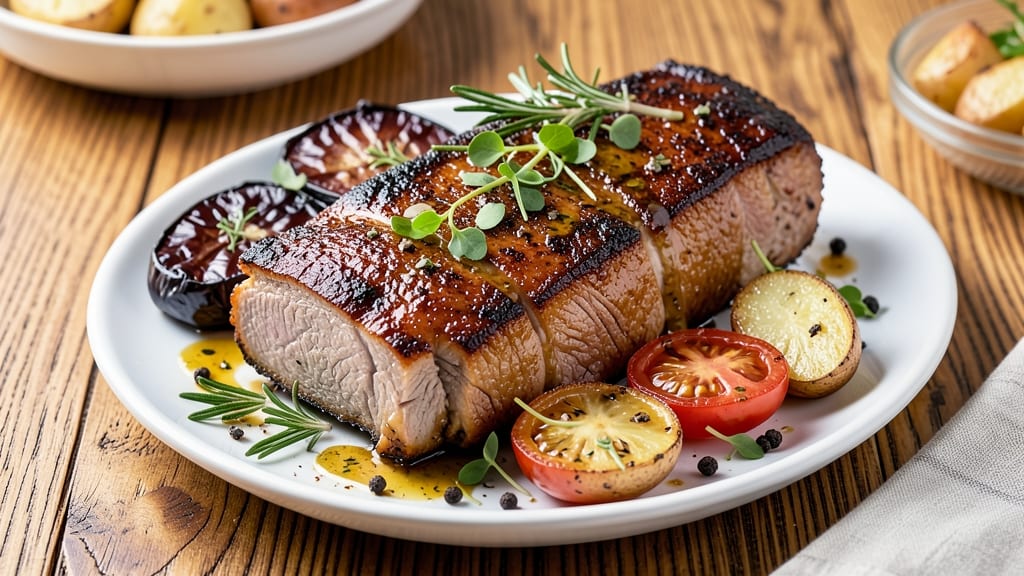
This Mediterranean pork loin recipe delivers juicy pink hearts with a fragrant herbed lemon-garlic crust—perfect for a restaurant-worthy dinner that still feels effortless. 🌟 I developed this technique after years of perfecting pork roasts for my restaurant, where we serve hundreds of pounds weekly.
The secret lies in a slow roast that keeps the meat tender while building deep, caramelized flavors through basting.
The recipe combines classic Mediterranean techniques with modern precision—think bright lemon, aromatic herbs, and a crisp crust that seals in juices. Unlike tough, overcooked pork, this method guarantees tender, moist meat with a golden crust that locks in every flavor.
The marinade infuses the pork overnight, while the roasting process transforms simple ingredients into something extraordinary.
What you'll achieve is a beautifully seared pork loin with perfectly pink centers and a crust that's crisp yet tender. The lemon-herb basting adds bright, fresh notes that cut through the richness, creating a balance that's both comforting and elegant.
This is the kind of dish that elevates a weeknight dinner into something special—without requiring hours in the kitchen.
Pair it with roasted Mediterranean vegetables or a simple couscous salad for a complete meal. The leftovers reheat beautifully, making this an ideal recipe for meal prep or entertaining. Let's get started on creating your best pork loin yet.
Ingredients for mediterranean pork loin
Restaurant-quality pork loin starts with these Mediterranean essentials—juicy meat meets bright citrus and aromatic herbs.
| Ingredient | Amount | Notes |
|---|---|---|
| Pork Loin (Bone-In) 🐖 | 2 lb | Center-cut, 1.5-inch thick |
| Extra-Virgin Olive Oil 🫒 | ¼ cup | High-quality, fruity variety |
| Fresh Lemon Juice 🍋 | ¼ cup | From 2-3 medium lemons |
| Garlic Cloves 🧄 | 8 cloves | Minced, fresh preferred |
| Fresh Rosemary 🌿 | ¼ cup | Finely chopped, stems removed |
| Fresh Thyme Leaves 🌿 | ⅛ cup | Or 1 tbsp dried thyme |
| Kosher Salt 🧂 | 1 ½ tbsp | Diamond Crystal preferred |
| Freshly Ground Black Pepper 🌶️ | 1 tsp | Coarse grind preferred |
| Honey 🍯 | 2 tbsp | Wildflower or clover variety |
| Red Wine Vinegar 🍷 | 1 tbsp | Dry, bold variety |
| Unsalted Butter 🧈 | ¼ cup | Cold, cubed for basting |
| Fresh Oregano Leaves 🌿 | ⅛ cup | Chopped, or 1 tsp dried |
| Zest of 1 Lemon 🍋 | 1 tbsp | Finely grated, bright yellow |
The pork loin is the foundation—center-cut ensures tenderness, and bone-in adds flavor. Source from a trusted butcher like Whole Foods or D'Artagnan for optimal marbling. A 1.5-inch thickness guarantees even cooking while preserving that juicy pink heart. For best results, let the meat sit at room temperature for 30 minutes before roasting. The extra-virgin olive oil should be cold-pressed and have a fruity aroma—California Olive Ranch or Colavita are excellent choices. Fresh herbs like rosemary and thyme should be vibrant green, not wilted, and purchased from a reputable market or grocery store's produce section.
No fresh rosemary? Dried works at half the amount, but fresh delivers that bright, piney aroma critical for this dish. Substitute lemon zest with orange zest if needed, though lemon's acidity is ideal. For the olive oil, if you're using a lighter variety, increase to 0.33 cup for richness. The honey should be raw and unfiltered—Manuka honey adds subtle depth. If you lack red wine vinegar, balsamic vinegar suffices, though it's slightly sweeter. The butter must be unsalted to control seasoning—Plugrá brand is a professional favorite. For a gluten-free adaptation, omit the honey and use maple syrup instead.
Marinate the pork overnight for maximum flavor infusion, then pat dry before roasting. Store any unused fresh herbs in a damp paper towel in a sealed container for up to 5 days. The olive oil keeps indefinitely in a cool, dark place, while lemon juice lasts 3 days refrigerated. For meal prep, roast an extra loin and store portions in airtight containers for up to 4 days. The herb crust can be prepped ahead and refrigerated for 2 days, then added just before roasting. Freeze the pork loin for up to 3 months—thaw overnight in the fridge before cooking.
Why You'll Love This Recipe
- Minimal Chopping Required: I swear by this—just a few garlic cloves, a sprig of rosemary, and a lemon squeezed over the pork. No dicing, no mincing, no stress. The bone-in cut even stays juicy while you’re sipping wine, pretending you’re on vacation.
- Crispy Edge, Juicy Core: That golden crust from the olive oil and garlic? It’s the star. The rosemary infuses into the meat while it roasts, and the lemon keeps it bright—no dry, sad pork here. Honestly, my first bite makes me forget I’m cooking.
- Weeknight or Weekend Star: Slap this on the table for a lazy Friday night or a fancy-ish dinner with friends. Slice it thin for sandwiches, serve it whole with crusty bread, or toss it into grain bowls later. It’s the kind of dish that doesn’t care what you call it.
- Budget-Friendly Feast: Pork loin stretches further than you’d think, and the ingredients? Olive oil, garlic, lemon—stuff you already own. Leftovers? Even better. Reheat slices in a pan with a splash of lemon for breakfast hash, and suddenly you’ve got a whole new meal. Win.
Step-by-step instructions for Mediterranean pork loin with herbed lemon-garlic crust
This method delivers perfectly juicy pork loin with a fragrant Mediterranean herb crust and bright citrus notes.
👨🍳 Step 1: Create the Herb-Lemon Marinade
In a small bowl, combine the 0.25 cup fresh lemon juice, 1 tbsp red wine vinegar, and 2 tbsp honey. Whisk until the honey dissolves completely, creating a glossy glaze. In a separate bowl, mix the 0.25 cup finely chopped fresh rosemary, 0.125 cup fresh thyme leaves, 0.125 cup chopped fresh oregano leaves, 1 tbsp lemon zest, 1.5 tbsp kosher salt, and 1 tsp freshly ground black pepper. This herb blend forms the aromatic base of our crust.
Transfer the herb mixture to the lemon-honey glaze and stir vigorously. The acids in the lemon and vinegar will begin breaking down the herb fibers, releasing their essential oils. Let this marinade sit at room temperature for 10 minutes while you prepare the pork. The flavors will meld together, creating a complex aromatic profile that will penetrate the meat during cooking.
🍳 Step 2: Sear the Pork for Maximum Flavor Development
Preheat your oven to 400°F. Pat the 2 lb bone-in pork loin completely dry with paper towels—this is critical for achieving that crispy crust. Place the pork on a wire rack set over a rimmed baking sheet (the rack allows air circulation for even browning). Rub the marinade all over the pork, pressing firmly to ensure even coating. Let it sit for 10 minutes to allow the marinade to adhere.
Heat 0.25 cup extra-virgin olive oil in a large oven-safe skillet over medium-high heat until shimmering. Add the pork and sear for 3-4 minutes per side until the crust develops a deep golden brown color. You'll see the marinade caramelizing and forming a sticky glaze on the surface. This searing step creates the Maillard reaction that builds deep flavor and texture contrast between the crispy exterior and tender interior.
🔥 Step 3: Roast with Butter Basting for Juicy Perfection
Transfer the skillet to the preheated oven and roast for 25-30 minutes until the internal temperature reaches 145°F (use a meat thermometer inserted into the thickest part). About halfway through cooking, remove the pork from the oven and add the 0.25 cup cold cubed unsalted butter to the skillet. Return the pork to the oven and baste it with the melted butter every 5 minutes for the remaining cooking time.
The butter basting adds rich flavor and helps create a golden crust while keeping the meat moist. Watch for the pork to develop a deep amber color and caramelized edges. If the crust starts to darken too quickly, tent loosely with foil. The pork is done when it reaches 145°F internally and the juices run clear when pierced with a knife. This temperature ensures perfectly pink, tender meat without being overcooked.
⏰ Step 4: Rest and Slice for Maximum Juiciness
Remove the pork from the oven and transfer it to a cutting board. Let it rest for 10-15 minutes before slicing. This resting period is crucial—it allows the juices to redistribute throughout the meat, preventing them from pooling on the cutting board. During this time, spoon any accumulated pan juices over the pork to keep it moist.
Slice the pork against the grain into ½-inch thick portions. The bone-in cut will yield beautiful, flavorful slices with a perfect balance of crispy crust and juicy interior. Serve immediately with the pan juices drizzled over the top. The combination of caramelized herbs, bright citrus, and rich butter creates a Mediterranean flavor profile that's both elegant and satisfying.
Pro Tips For Making Mediterranean Pork Loin
- SEAR THE FAT SIDE DOWN: The bone-in pork loin has fat on the edges—don’t skip it. Sear that side first in a screaming-hot pan with olive oil for 5-6 minutes until it’s deep golden, or even slightly blackened in spots. That’s where the flavor lives, and it won’t render out later like it does with lean cuts.
- SMASH THE GARLIC: Skip the minced garlic—it burns before the pork is ready. Instead, peel 4-5 cloves, wrap them loosely in a piece of foil, and smash them flat with the side of your knife. Tuck them into the cut between the meat and bone, then roast them whole. They’ll soften perfectly without turning bitter, and the aroma will seep into the pork.
- DON’T PUNCH THE MEAT: After searing, I used to turn the pork over and jab it with a knife to check doneness. Bad move. The juices rush out, and you end up with dry meat. Instead, use a meat thermometer—pull it at 140°F (it’ll rest to 145°F). If you’re old-school, press a finger gently into the thickest part; it should yield like firm tofu, not bounce back like a trampoline.
- COOK THE LEMON PEEL: Tossing in lemon juice at the end? You’re missing out. Zest a whole lemon (including the pith, but not the white part), then slice it thickly and tuck the slices into the cut alongside the garlic. Roast them with the pork—the peel infuses subtle bitterness and sweetness that brightens every bite, not just the sauce. (Yes, even if you’re impatient like me.)
Serving suggestions for this recipe
Mediterranean Sides
Roasted Mediterranean vegetables bring vibrant colors and fresh flavors to your plate.
Toss 2 lbs baby potatoes, 1 red bell pepper, 1 zucchini, and 1 red onion with 2 tbsp extra-virgin olive oil, 1 tsp dried oregano, ½ tsp smoked paprika, and ½ tsp sea salt. Roast at 400°F for 25 minutes until caramelized.
The smoky paprika complements the pork's herbed crust beautifully. 🌿
Couscous Salad
For a lighter option, prepare a refreshing couscous salad with 1 cup Israeli couscous, ½ cup cherry tomatoes, ¼ cup Kalamata olives, and 2 tbsp chopped fresh parsley.
Fluff the couscous with ½ cup chicken broth, then toss with 1 tbsp lemon juice and 1 tbsp olive oil. The bright acidity balances the rich pork perfectly.
Garlic Yogurt Sauce
Drizzle your sliced pork with a creamy garlic yogurt sauce made from ½ cup Greek yogurt, 1 minced garlic clove, 1 tbsp lemon juice, and ½ tsp ground cumin.
This sauce adds tangy contrast and keeps the dish light. I like to serve it alongside the roasted vegetables for dipping. 🍋
Warm Flatbread
Toast 2 pita breads in a skillet with 1 tbsp olive oil until puffed and golden. Brush with a mix of 1 tbsp melted butter and ½ tsp garlic powder while warm. The soft, pillowy texture soaks up any leftover pan juices from the pork. Perfect for scooping up flavors!
Plating Presentation
Arrange your pork slices horizontally on a platter, fanning them slightly for visual appeal. Place roasted vegetables around the pork in a loose cluster, then scatter fresh herbs like parsley or thyme on top.
Garnish with a few lemon wedges and a drizzle of olive oil for an elegant finish. The contrast of colors makes the dish look as delicious as it tastes. ✨
Nutrition facts
Frequently asked questions
Can I substitute bone-in pork loin for boneless in this recipe?
Yes, but adjust your cooking time and method. Boneless pork loin cooks faster—expect 15-20 minutes less roasting time at 400°F. Use a meat thermometer to check for 145°F internally. The bone-in version stays juicier longer due to its natural fat insulation. For boneless, sear first, then roast uncovered to prevent drying.
How far ahead can I prepare the marinade?
You can make the marinade up to 3 days ahead and store it in an airtight container in the fridge. The flavors deepen over time, but add 1 extra tbsp lemon juice before using to prevent oxidation. For best results, use fresh herbs within 24 hours of marinating to preserve their bright, aromatic qualities.
What's the best way to reheat leftover pork loin?
Reheat sliced pork in a skillet over medium-low heat with 1 tbsp olive oil and 2 tbsp chicken broth for 3-4 minutes per side until warmed through (165°F). Avoid microwaving—it makes the crust soggy. For whole leftovers, wrap tightly in foil and bake at 300°F for 15-20 minutes until internal temp reaches 165°F.
Can I grill this Mediterranean pork loin instead?
Preheat your grill to medium-high (400°F) and follow the same searing method. Grill the pork for 10-12 minutes per side, basting with butter every 3 minutes. Use indirect heat for the final 5 minutes to finish cooking. For extra smoky flavor, add ½ tsp smoked paprika to the marinade. Monitor closely—grill marks cook faster than oven roasting.
Why did my pork turn out dry?
Overcooking is the most common cause. Use a meat thermometer and stop at 145°F—never let it exceed 150°F. Other culprits: skipping the rest time (always wait 10-15 minutes before slicing) or using a thin-cut loin (1.5-inch thickness is ideal). For extra moisture, brush with melted butter during the last 5 minutes of cooking.