
Main Courses
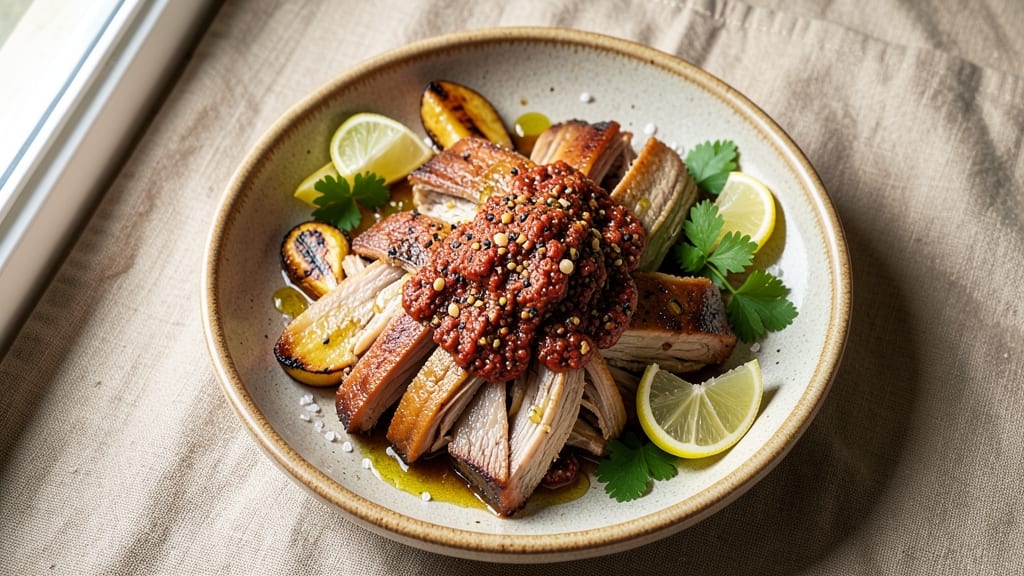
This Mediterranean pulled pork recipe transforms a classic slow-cooked dish into something vibrant and aromatic—where smoky za'atar meets tender, juicy pork. I developed it after years of perfecting pork techniques, blending my Southern roots with Mediterranean flavors that elevate every bite.
The key? A crust of fragrant za'atar and a celery-top that adds fresh crunch, turning a simple pulled pork into a showstopper.
What sets this apart is the balance of Mediterranean spices—garlic, lemon, and oregano—infused into the pork while slow-cooking until it practically melts. The za'atar crust adds a nutty, earthy depth, while the celery top keeps it bright and textured.
This isn't your average pulled pork; it's a dish that feels like a cross between a Greek taverna and a Southern pitmaster's table.
The result is pork so tender it falls apart at the touch, with a crust that crackles with every bite and a celery top that adds a satisfying crunch. Serve it with warm couscous, grilled vegetables, or a Greek salad for a meal that feels both comforting and sophisticated.
It’s the kind of dish that turns a weeknight dinner into a celebration.
Whether you're cooking for a crowd or treating yourself to a special meal, this recipe delivers restaurant-quality results with minimal fuss. The slow-cooking process ensures maximum tenderness, while the za'atar and celery toppings add layers of flavor and texture that make it unforgettable. Let’s get started!
Ingredients for mediterranean pulled pork
Six ingredients for the marinade, six more for the magic crust and toppings—simple but bold.
| Ingredient | Amount | Notes |
|---|---|---|
| Boneless Pork Shoulder 🥩 | 4 lb | With fat cap for moisture |
| Za'atar Spice Blend 🌿 | ½ cup | Store-bought or homemade |
| Extra-Virgin Olive Oil 🫒 | ¼ cup | For crust and cooking |
| Garlic Cloves 🧄 | 6 cloves | Minced for marinade |
| Lemon Juice 🍋 | ½ cup | Freshly squeezed |
| Dried Oregano 🌿 | 2 tsp | Mediterranean variety |
| Ground Cumin 🌿 | 1 tsp | Toasted for depth |
| Salt 🧂 | 1 ½ tsp | Kosher or sea salt |
| Black Pepper 🌶️ | ½ tsp | Freshly ground |
| Celery Stalks 🥬 | 4 whole | Thinly sliced for topping |
| Fresh Parsley 🌿 | ¼ cup | Chopped for garnish |
| Red Wine Vinegar 🍷 | 2 tbsp | For brightness |
| Honey 🍯 | 1 tbsp | For balance |
| Chicken Broth 💧 | 2 cups | Low-sodium preferred |
The pork shoulder is the star, so look for one with good marbling—that fat keeps it juicy. Costco or local butchers usually have the best cuts, but any grocery store pork shoulder works if it's well-trimmed. The za'atar is non-negotiable for that nutty, earthy flavor; Penzeys or Middle Eastern markets have the best blends. If you can't find it, mix equal parts sesame seeds, sumac, and dried thyme. The celery? Use the leafy tops too—they add extra flavor to the broth later.
No za'atar? Mix 2 tbsp sesame seeds, 1 tbsp sumac, and 1 tsp dried thyme for a DIY version. Short on celery? Substitute thinly sliced green onions or radishes for the crunch. The honey can be swapped for maple syrup if you prefer, but it helps balance the acidity from the lemon and vinegar. For the broth, low-sodium is key—you don’t want to over-salt the pork. If you’re in a pinch, use water plus a bouillon cube, but it won’t be as rich.
The pork keeps 3-4 days in the fridge once cooked, but it tastes even better reheated the next day—trust me. Store it in an airtight container with a splash of broth to keep it moist. The za'atar crust stays crispy for about 2 days if you keep it in a sealed container. For the celery topping, slice it just before serving so it stays fresh and crunchy. Freeze the cooked pork for up to 3 months—it’s perfect for meal prep.
Why You'll Love This Recipe
- One-Pan Magic: I swear by this recipe when I’m too tired to scrub pots—just rub the pork shoulder with za’atar, olive oil, and minced garlic, then let the oven do the work. That’s it. No extra dishes, no stress.
- Za’atar Zing: Honestly, the flavor profile is what keeps me coming back. The earthy, nutty za’atar with bright lemon juice and garlic? It’s like a Mediterranean vacation in every bite—tangy, herby, and just salty enough to make your taste buds dance.
- Lunchbox Hero: Between us, this pulled pork is my secret weapon for meal prep. Shred it once, and you’ve got sandwiches for days, wraps for picnics, or even a quick grain bowl when you’re starving but short on time.
- Budget Stretch: A pork shoulder goes a long way, and with za’atar and olive oil, you’re not breaking the bank. I’ve fed six people for under $15, and the leftovers? They’re even better the next day—just reheat and serve.
Step-by-step instructions for Mediterranean pulled pork
Here's how to transform a simple pork shoulder into tender, smoky pulled pork with a crispy za'atar crust.
Prepare the Pork and Marinade
In a large bowl, combine the 0.5 cup za'atar spice blend, 0.25 cup extra-virgin olive oil, 6 cloves minced garlic, 0.5 cup lemon juice, 2 tsp dried oregano, 1 tsp ground cumin, 1.5 tsp salt, and 0.5 tsp black pepper. Mix well until the spices are fully incorporated and the oil is evenly distributed.
Pat the 4 lb boneless pork shoulder dry with paper towels—this is crucial for developing that crispy za'atar crust. Rub the marinade all over the pork, pressing it into the meat so it sticks. Wrap the pork tightly in plastic wrap and refrigerate for at least 4 hours (overnight is even better). This step ensures deep flavor penetration and a perfect sear later.
Sear the Pork for Crispy Crust
Preheat your oven to 325°F. Heat a large Dutch oven or heavy pot over medium-high heat and add the pork shoulder. Sear it on all sides until the crust is deep golden brown and crispy, about 8-10 minutes per side. This step locks in juices and creates the signature crunch.
Here's the thing—don't rush this searing. You want that crust to form before you move to the oven. If it's not golden brown after 10 minutes, keep searing until it is. Once it's ready, remove the pork from the pot and set it aside on a plate.
Slow Cook Until Fork-Tender
Pour the 2 cups chicken broth into the same pot, scraping up all the browned bits from the bottom—this adds incredible depth of flavor. Return the pork to the pot, fat-side up, and cover tightly with a lid. Place the pot in the preheated 325°F oven and cook for 3 hours.
After 3 hours, check the internal temperature with a meat thermometer. It should read 195-200°F—this is when the pork becomes fork-tender. If it's not there yet, continue cooking for another 30-60 minutes. The pork will pull apart easily when ready, and the juices will run clear.
Shred and Finish with Bright Toppings
Remove the pork from the pot and transfer it to a cutting board. Let it rest for 10 minutes, then shred it using two forks. Discard any large fat pieces, but save the cooking juices from the pot—they're packed with flavor.
In a small bowl, whisk together the 2 tbsp red wine vinegar, 1 tbsp honey, and 0.25 cup chopped fresh parsley. Thinly slice the 4 whole celery stalks and toss them with the vinegar mixture. Stir this bright topping into the shredded pork along with the reserved cooking juices. The acidity and sweetness cut through the richness of the pork beautifully.
Serve Warm and Enjoy
Taste the pulled pork and adjust seasoning if needed—you might want to add a pinch more salt or a splash of lemon juice. Serve it warm, topped with the celery mixture and extra parsley for a pop of color. This dish pairs perfectly with crusty bread, roasted vegetables, or over a bed of couscous.
Real talk: the key to this recipe is patience. The slow cook ensures tender, juicy pork, while the za'atar crust and bright topping make it unforgettable. Leftovers? Store them in the fridge for up to 4 days—they reheat beautifully in a skillet with a splash of broth.
Pro Tips For Making Mediterranean Pulled Pork
- Trim the Fat First: Pat the pork shoulder dry with paper towels before searing—this isn’t just about crisping the skin, it’s about letting the za’atar cling properly. I used to skip this, and the spices would slide off mid-cook, leaving my pulled pork tasting like it was missing its soul.
- Sear in Batches: Don’t crowd the pan—work in 2-3 batches if needed. The pork needs to hit 375°F (190°C) oil hard enough to brown, not steam. I learned this the hard way when my first batch turned out pale and sad, like someone forgot to turn on the heat.
- Save the Juices: Deglaze that pan with white wine or lemon juice before adding the garlic. The caramelized bits stuck to the bottom are where the flavor lives—skip this, and you’re basically making pork instead of Mediterranean pulled pork. (Yes, even if you’re impatient like me.)
- Rest Before Pulling: Let the pork rest covered for 15 minutes after pulling from the oven—this isn’t optional. The meat keeps cooking off the heat, and the fibers relax enough to shred like butter. I was skeptical until I tried it; now, I’d never go back.
Wine and beer pairings for this mediterranean pulled pork
Greek White Wine
For this Mediterranean pulled pork, I always reach for a crisp Assyrtiko from Santorini—its bright acidity and citrus notes cut through the richness beautifully. The mineral finish complements the za'atar and lemon perfectly.
If you can't find Assyrtiko, Vermentino from Sardinia is another fantastic choice. Serve it slightly chilled to let the wine's crispness shine against the smoky pork. 🍷
Lebanese Red Blend
A bold Lebanese red blend like Château Musar adds depth to the dish's earthy flavors. This wine's dark fruit and spice notes harmonize with the cumin and oregano in the marinade.
I like to decant it for 30 minutes before serving to soften its tannins and let the aromas open up. The wine's slight sweetness also balances the vinegar in the celery topping.
Mediterranean Beer Pairings
For beer lovers, a Greek lager like Fix or Mythos is my go-to. The clean, crisp profile lets the pork's flavors take center stage while providing a refreshing contrast. If you prefer something with a little more character, try a Turkish raki—its anise notes complement the za'atar beautifully.
Serve the raki chilled with a side of mezze for an authentic experience. 🍺
Sweet Wine Contrast
Don't overlook Moscato d'Asti for a sweeter pairing option. The wine's light effervescence and honeyed notes mirror the dish's honey and celery topping while cleansing the palate between bites.
I often serve this when entertaining—it's surprisingly sophisticated yet approachable. The slight sweetness also helps balance the dish's acidity, making every bite more harmonious.
Regional Wine Adaptations
In Georgia, I'd pair this with a Rkatsiteli red—its earthy, spicy profile echoes the cumin and oregano in the marinade. For Charleston-style gatherings, a Carignan from California's Central Coast works wonders, offering a balance of fruit and earthiness.
The key is matching the wine's structure to the dish's bold flavors while keeping the palate fresh. 💫
Nutrition facts
Frequently asked questions
Can I substitute za'atar in this Mediterranean pulled pork?
If you can't find za'atar, mix 2 tablespoons sesame seeds, 1 tablespoon sumac, and 1 teaspoon dried thyme for a similar flavor profile. The sesame adds nuttiness, sumac provides tartness, and thyme brings herbal depth. Just toast the sesame seeds first for extra aroma.
How do I keep the za'atar crust crispy after cooking?
The secret is searing the pork until the crust is deep golden brown before slow-cooking. After shredding, broil the pork for 2-3 minutes under the oven's grill to revive the crust. For extra crunch, sprinkle more za'atar on top before broiling. Serve immediately to maintain that satisfying texture.
What's the best way to reheat leftovers without drying them out?
Reheat in a skillet over low heat with 1-2 tablespoons broth or water to restore moisture. For oven reheating, cover with foil and bake at 300°F for 15-20 minutes. Never microwave—it turns the pork rubbery. A splash of lemon juice can also revive the flavors.
Can I use a smoker instead of the oven?
Yes! Smoke the pork at 225°F with fruitwood or olive wood until it reaches 195-200°F internally. The smoky flavor pairs beautifully with the Mediterranean spices. Just wrap the pork in butcher paper after searing to maintain moisture during smoking.
What are the best sides to serve with this dish?
This pulled pork shines with Mediterranean sides like warm couscous, grilled eggplant, or a Greek salad with feta. For extra crunch, add pita chips or roasted red peppers. The bright acidity of the celery topping also pairs well with creamy tzatziki or hummus.