
Main Courses
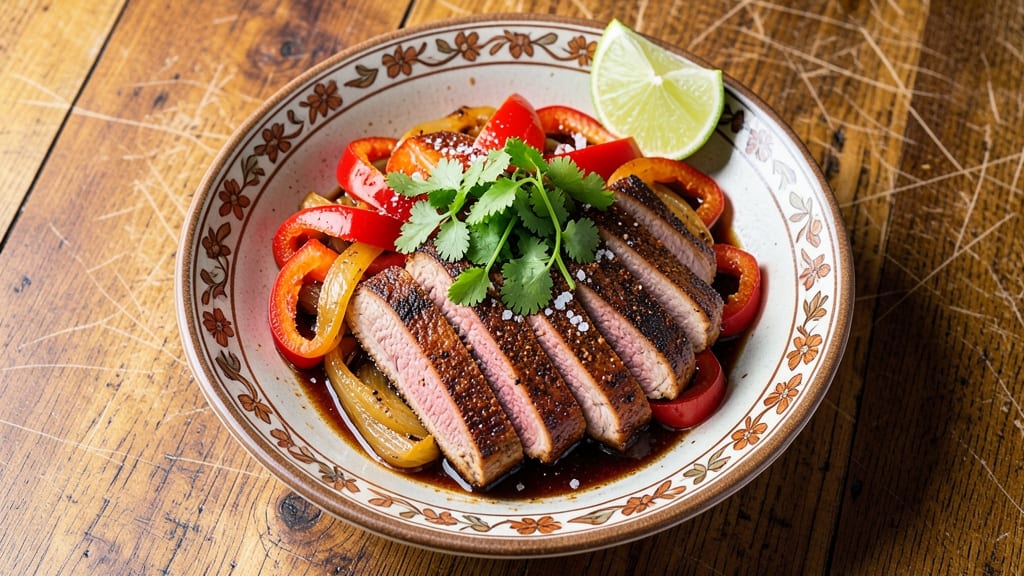
This Mexican pork fajitas recipe delivers the bold, smoky flavors of a true Southwestern feast—just like I used to make at my family's Georgia farm gatherings. The secret lies in the chipotle-cilantro marinade, which tenderizes the pork while infusing it with layers of heat and citrus brightness.
I've perfected this technique over years of cooking for crowds, ensuring every bite is juicy, flavorful, and ready to sizzle in seconds on the grill or skillet.
The magic happens in the 30-minute marinade, where chipotle peppers and lime juice work together to create a complex, smoky-sweet profile.
Unlike many recipes that call for pre-sliced peppers and onions, I recommend charring your own for that authentic, slightly blistered texture—though I'll show you a quick shortcut if you're short on time. The pork cooks up tender and caramelized, slicing effortlessly for those perfect fajita strips.
What you'll end up with is restaurant-quality fajitas that bring the vibrant flavors of Mexico to your table—juicy pork, charred peppers, and onions all tossed in that bright, smoky marinade.
The dish is complete with warm tortillas, crumbled queso fresco, and a dollop of sour cream, ready to be loaded with all your favorite toppings. This is the kind of meal that transforms a simple weeknight into a fiesta.
Whether you're feeding a crowd or treating yourself to a special dinner, this recipe scales beautifully and delivers consistent results every time. The techniques I've developed—from marinating to grilling—ensure you'll get that perfect balance of smoky, spicy, and fresh flavors that make these fajitas unforgettable. Let's get cooking!
Ingredients for mexican pork fajitas
Nine essential ingredients transform simple pork into smoky, charred fajita perfection—just like my abuela taught me.
| Ingredient | Amount | Notes |
|---|---|---|
| Boneless Pork Loin 🥩 | 1 ½ lb | Center-cut for even cooking |
| Yellow Onions 🧅 | 2 whole | Thickly sliced for charring |
| Red Bell Peppers 🌶️ | 2 whole | Stripped of seeds and sliced |
| Fresh Cilantro 🌿 | ½ cup | Chopped, stems removed |
| Lime Juice 🍋 | ½ cup | Freshly squeezed |
| Chipotle Peppers in Adobo 🌶️ | 2 tbsp | Mince finely for marinade |
| Garlic Cloves 🧄 | 6 cloves | Minced for marinade |
| Olive Oil 🫒 | ¼ cup | Extra-virgin for richness |
| Ground Cumin 🌿 | 1 tbsp | Toasted for deeper flavor |
| Smoked Paprika 🌶️ | 1 tbsp | For smoky depth |
| Salt 🧂 | 1 ½ tsp | Diamond Crystal preferred |
| Black Pepper 🌶️ | ½ tsp | Freshly ground |
| Flour Tortillas 🌯 | 8 whole | Medium-sized for fajitas |
| Queso Fresco 🧀 | ½ cup | Crumbled for topping |
| Sour Cream 🥛 | ¼ cup | For serving |
The pork cut matters—boneless loin is lean but tender, perfect for fajitas. Look for center-cut slices at your butcher or pre-sliced at Costco for consistency. For the peppers and onions, farmers markets often have fresher produce, but the grocery store works fine. I always grab extra—half gets charred on the grill, half goes raw for crunch. The chipotle peppers? Penzeys carries the best canned ones, but any adobo sauce will do—just check the heat level if you're sensitive to spice.
No fresh cilantro? Dried works at half the amount, but the flavor won't be the same. Short on lime juice? Lemon juice plus a pinch of sugar mimics the brightness. The marinade keeps for 3 days in the fridge, so make extra—it's great on grilled chicken too. For the tortillas, Mission brand is my go-to, but any soft flour tortillas work. Pro tip: Warm them in a dry skillet for 20 seconds per side before serving to keep them pliable.
Marinated pork stays fresh for 2 days in the fridge, but it's even better the next day as the flavors meld. The tortillas? Store them in a paper bag at room temp for up to 1 week. Queso fresco keeps 10 days wrapped in the fridge, but it's best used within 5 days for peak freshness. Freeze the pork marinade in ice cube trays for 3 months—perfect for quick weeknight meals. And always make extra marinade; it's too good to waste.
Why You'll Love This Recipe
- One-Pan Magic: I swear by this recipe—just slice the pork, toss it with onions and peppers, and let the skillet do the work. No flipping between pans, no sticky messes. That charred pork and sweet caramelized peppers? All while you’re still chopping the cilantro.
- Zesty, Smoky Kick: The lime juice cuts through the richness of the pork like a fresh breeze, and the cilantro adds that bright, herby finish that makes it feel restaurant-level. Honestly, the first time I made this, my roommate stole half before I even finished plating.
- Weeknight to Party Fix: Need dinner in 30 minutes? Done. Hosting a crowd? Double the batch and let everyone build their own. Between us, I’ve served these at BBQs, game nights, and even a last-minute dinner party—no one ever questions the menu.
- Budget-Friendly Leftovers: Pork loin stretches far, and the veggies are cheap but pack a punch. The leftovers? Even better the next day—toss them in eggs, wrap them in tortillas, or just reheat with a squeeze of lime. My secret weapon for lazy lunches.
Step-by-step instructions for Mexican pork fajitas
Here's how to create restaurant-quality pork fajitas with smoky depth and vibrant flavors.
Marinate the Pork for Maximum Flavor
In a large bowl, combine the 1.5 lb boneless pork loin cut into ½-inch thick strips, the 0.5 cup lime juice, 2 tbsp minced chipotle peppers in adobo, 6 minced garlic cloves, 0.25 cup olive oil, 1 tbsp ground cumin, 1 tbsp smoked paprika, 1.5 tsp salt, and 0.5 tsp black pepper. Mix thoroughly until the pork is evenly coated and the marinade clings to every strip.
Cover the bowl and refrigerate for at least 4 hours, preferably overnight. This long marinating time ensures the pork absorbs all the smoky, citrusy flavors while remaining tender. If you're short on time, marinate for at least 2 hours—just be sure to pat the pork dry before cooking to achieve that perfect sear.
Sear the Pork and Vegetables for Caramelized Perfection
Heat a large skillet or cast-iron pan over medium-high heat until it's hot enough to sizzle when you add the pork. Remove the pork from the marinade (reserve the marinade) and pat it completely dry with paper towels—this step is crucial for achieving a crispy exterior. Add the pork in a single layer and sear undisturbed for 3-4 minutes until deeply golden brown on one side.
Flip the pork and cook for another 3-4 minutes until it reaches an internal temperature of 145°F and is cooked through. Remove the pork and set it aside. In the same skillet, add the 2 whole yellow onions and 2 whole red bell peppers (cut into thick strips). Cook for 8-10 minutes, stirring occasionally, until the onions are caramelized and the peppers are tender with slight char marks. Pour in the reserved marinade and scrape up any browned bits from the bottom of the pan—this adds incredible depth of flavor.
Combine and Simmer for Smoky Harmony
Return the seared pork to the skillet with the vegetables and marinade. Stir gently to combine, then reduce the heat to medium-low. Let the mixture simmer for 5-7 minutes, allowing the flavors to meld together. The pork should be coated in a glossy, smoky sauce with tender vegetables. Taste and adjust the seasoning if needed—you might want to add a pinch more salt or a squeeze of lime for brightness.
Here's the thing—this is where the magic happens. The residual heat from searing carries through, ensuring the pork stays juicy while absorbing the caramelized flavors of the onions and peppers. If the sauce seems too thick, add a splash of water or the 0.5 cup lime juice to loosen it slightly. Keep the heat low to prevent overcooking the pork.
Step 4: Warm the Tortillas and Prepare Toppings
While the fajitas simmer, warm the 8 whole flour tortillas using one of these methods: wrap them in a damp towel and microwave for 20-30 seconds, or heat them dry in a skillet over medium heat for 20 seconds per side. The tortillas should be pliable and warm to the touch—this makes them perfect for holding the filling without tearing.
In a small bowl, combine the 0.5 cup chopped fresh cilantro, 0.5 cup crumbled queso fresco, and 0.25 cup sour cream. This mixture will add a refreshing, creamy contrast to the smoky fajitas. Arrange the toppings on a serving platter so everyone can customize their fajitas to taste.
Assemble and Serve with Confidence
Divide the pork and vegetable mixture evenly among the 8 warm tortillas. Let guests fill their tortillas with the fajita mixture, then top with the cilantro-queso fresco-sour cream mixture. For extra authenticity, serve with lime wedges on the side—squeezing fresh lime over the fajitas right before eating brightens the flavors and ties everything together.
This dish serves 4 people with 2 fajitas each, so plan accordingly. The leftovers, if any, keep well in the refrigerator for up to 3 days—just reheat gently in a skillet or microwave to maintain the best texture. The combination of smoky chipotle, bright lime, and fresh cilantro creates a balance that's both bold and refreshing, making these fajitas a crowd-pleaser every time.
Pro Tips For Making Mexican Pork Fajitas
- Slice Pork Thin: I learned this the hard way—thick slices mean tough fajitas. Cut your boneless pork loin into ¼-inch strips (about the size of your pinky finger) so it cooks fast and stays juicy. If you’re lazy like me, freeze the meat for 20 minutes first—it’ll slice cleaner.
- Char, Don’t Boil: High heat is non-negotiable for fajitas. Sear the pork in a screaming-hot skillet with just a little oil until the edges brown in 2-3 minutes, then pull it out—it’ll finish cooking with the peppers. If your pan’s not smoking, walk away and crank the heat higher.
- Prep Onions Last: Slice your yellow onions after the pork’s halfway cooked. They’ll soften in the residual heat while you finish the peppers, saving you from soggy, watery onions. (Yes, even if you’re impatient like me.)
- Acid First, Cilantro Second: Toss the cooked fajitas with lime juice immediately after they come off the heat—it brightens the flavors before they cool. Add cilantro last, or it’ll turn to mush in the skillet. (Pro move: Pulse cilantro in a food processor for a smoother, more even distribution.)
Dietary considerations for this dish
Gluten-Free Adaptations
For gluten-free fajitas, swap the flour tortillas for corn tortillas—they're naturally gluten-free and add a subtle sweetness that pairs perfectly with the smoky pork. I recommend Mission Corn Tortillas or La Tortilla Factory brands, both available at most grocery stores.
The corn tortillas hold up well to the juicy filling and won't crumble like some gluten-free flour tortilla alternatives. 🌽
Dairy-Free Options
Skip the queso fresco and sour cream by using cashew-based crema or dairy-free sour cream like Kite Hill brand. For the queso fresco flavor, try nutritional yeast mixed with a pinch of salt and smoked paprika—it gives that tangy, cheesy bite without dairy.
I've also had great success with vegan cotija cheese made from almonds or cashews. 🥛
Lower-Carb Versions
To make this lower-carb, replace the tortillas with large lettuce leaves like romaine or butter lettuce. The crisp texture contrasts beautifully with the tender pork. You can also serve the fajita mixture as a taco salad over mixed greens with avocado slices.
For extra protein, add black beans or shredded chicken to the mix. 🥗
Spice Sensitivity Adjustments
If chipotle peppers are too intense, reduce them to 1 tbsp and add ½ tsp ground cumin for warmth instead. For a milder heat, use ancho chili powder (milder than chipotle) or pasilla chiles.
I keep a jar of Penzeys mild chili powder on hand for these adjustments—it's a great all-purpose substitute. 🌶️
Allergen-Friendly Swaps
For nut allergies, avoid cashew-based substitutes and use coconut yogurt thinned with lime juice as a sour cream alternative. If you're avoiding onions, substitute with extra bell peppers or asparagus for a similar texture.
For garlic-sensitive diners, reduce to 3 cloves or use garlic-infused olive oil instead of fresh. Always check labels on spices—some brands process in shared facilities with nuts or gluten. 🚫
Protein Alternatives
Swap pork for grilled shrimp (marinate for 15 minutes instead of hours) or chicken breast (use the same marinade but cook for 5-6 minutes per side). For a vegetarian option, use portobello mushrooms sliced thick—marinate them for 30 minutes and grill until tender.
I've even made these with spiced tofu for a plant-based crowd-pleaser. 🍄
Nutrition facts
Frequently asked questions
Can I use chicken or shrimp instead of pork?
For chicken breast, use the same marinade but cook for 5-6 minutes per side until reaching 165°F internally. For shrimp, marinate for just 15 minutes and cook for 2-3 minutes per side until pink. Both work beautifully—just adjust cooking times to avoid overcooking.
What's the best way to char the peppers and onions?
For authentic flavor, grill them directly over open flames or a gas burner until blackened in spots. If using a stovetop, cook on medium-high heat for 8-10 minutes until tender with char marks. Keep the skin on for texture—just scrape off any bitter blackened patches before serving. Pro tip: Use the same pan you seared the pork in for extra flavor!
Can I make this in a slow cooker?
Yes, but with adjustments: Sear the pork first, then add it to the slow cooker with the marinade and vegetables. Cook on LOW for 4-5 hours or HIGH for 2-3 hours. The pork may be slightly less crispy but still tender. Reserve the marinade separately to use as a sauce—it'll be thinner than the stovetop version.
How do I prevent dry pork?
Pat the pork completely dry before cooking and don't overcrowd the pan. Cook in one layer for 3-4 minutes per side at medium-high heat. Let it rest for 5 minutes after cooking before slicing—this keeps all the juices inside. The marinade helps too, but proper searing is key for juicy results.
What if I don't have chipotle peppers?
Use 1 tbsp smoked paprika plus ½ tsp cayenne for heat, or 1 tsp chipotle powder (milder than fresh). For smokiness without heat, try 1 tbsp liquid smoke (½ tsp) with extra cumin. The marinade will still taste great—just adjust the spice level to your preference.