
Main Courses
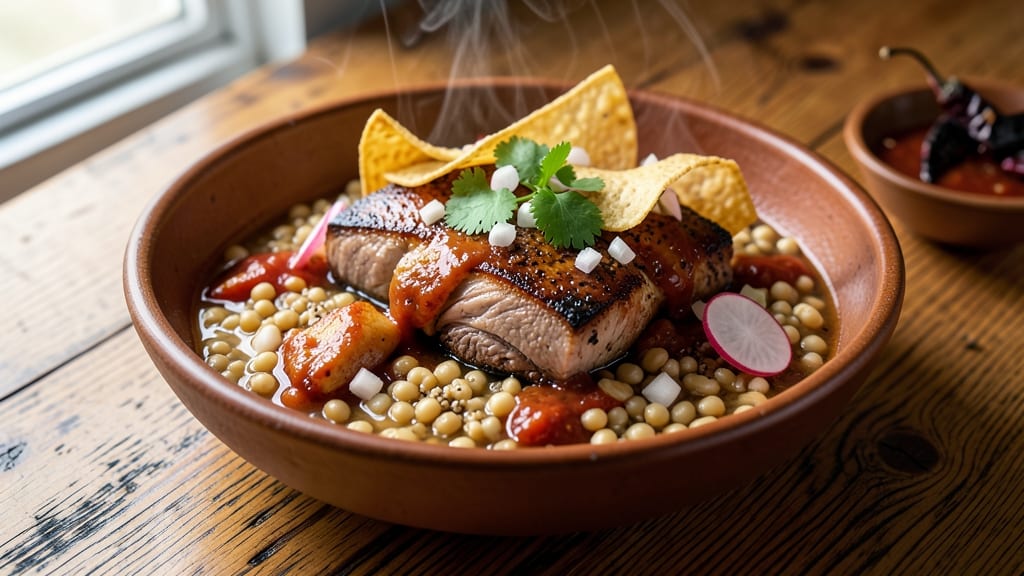
This Mexican pork posole recipe brings smoky chipotle warmth and homestyle comfort to your table in one satisfying bowl. 🔥 I developed this version after years of perfecting the balance between tender pork, hearty hominy, and deeply flavorful broth—just like my abuela used to make.
The secret lies in slow-cooking the pork with chipotle peppers until it practically falls apart, creating a rich, aromatic base that defines this classic Mexican stew.
The beauty of posole is its flexibility—whether you're serving a crowd or feeding your family, this recipe scales perfectly while keeping all the traditional elements. We start with a deep, smoky broth infused with garlic, cumin, and oregano, then build layers of texture with tender pork shoulder and plump hominy.
The key to success? Patience in the cooking process, which transforms tough pork into melt-in-your-mouth bites that soak up every drop of flavor.
By the time you're done, you'll have a steaming bowl of posole that's rich, comforting, and packed with authentic Mexican flavors. The smoky chipotle aroma fills your kitchen, while the tender pork and creamy hominy create the perfect balance of textures.
This is the kind of dish that feels like a hug in a bowl—ideal for chilly evenings or gatherings with loved ones.
Don't forget the toppings! Fresh radishes, crisp lettuce, diced avocado, and a squeeze of lime add brightness and crunch to each bite. Serve with warm tortillas or crusty bread to soak up every last drop of that flavorful broth. Let's get cooking—your taste buds will thank you.
Ingredients for mexican pork posole
Sixteen ingredients, one unforgettable bowl of smoky comfort. Your kitchen will smell like home.
| Ingredient | Amount | Notes |
|---|---|---|
| Pork Shoulder 🍖 | 3 lb | Bone-in for best flavor, cut into 2-inch chunks |
| Dried Hominy (Posole Corn) 🌽 | 2 cups | Rinsed well before adding, or use canned hominy |
| Chipotle Peppers in Adobo 🌶️ | 2 whole | Mild or hot, minced for smoky depth |
| Onion 🧅 | 1 whole | Yellow or white, chopped (about 2 cups) |
| Garlic Cloves 🧄 | 6 cloves | Peeled and smashed for maximum flavor |
| Ground Cumin 🌿 | 2 tbsp | Toasted for deeper aroma (optional) |
| Dried Oregano 🍃 | 1 tbsp | Mexican oregano preferred |
| Bay Leaves 🌿 | 2 whole | Fresh or dried, removed before serving |
| Salt 🧂 | 1 ½ tsp | Adjust to taste, kosher preferred |
| Black Peppercorns 🌶️ | ½ tsp | Freshly ground for best flavor |
| Chicken or Vegetable Broth 💧 | 6 cups | Low-sodium preferred, or homemade |
| Fresh Cilantro 🌿 | ½ cup | Chopped, for garnish (optional) |
| Lime 🍋 | 1 whole | Juiced, for serving |
| Avocado 🥑 | 1 whole | Diced, for serving (optional) |
| Radishes 🥕 | 1 cup | Sliced thin, for serving (optional) |
The pork shoulder is non-negotiable—bone-in gives the broth depth, and those tough cuts become melt-in-your-mouth tender. Grab the biggest cut you can find at Costco or your butcher shop, or use pre-cut pork shoulder from the grocery store's meat counter. Chipotles in adobo are a game-changer: look for brands like Goya or La Costeña at Latin markets or the international aisle. Toast your cumin seeds in a dry pan for 30 seconds before grinding them—trust me on this. And if you're using dried hominy, rinse it thoroughly to remove excess starch, or swap for canned hominy (drained and rinsed).
No chipotles? Smoked paprika plus a dash of liquid smoke gets you close, but it won't be the same. Running out of cumin? Swap for half the amount of coriander, though the flavor won't be identical. Using vegetable broth? Add a splash of soy sauce for umami depth. The adobo sauce from the chipotles? Don't toss it—simmer it with the broth for extra smokiness. For the toppings, skip avocado if it's not in season—diced mango or pineapple adds a bright contrast instead. And if you're serving a crowd, double the toppings—people will go back for seconds.
This tastes even better the next day, so make a big batch and store it in the fridge for up to 5 days. Freezes beautifully for 3 months—just thaw overnight in the fridge. I like to portion it into containers with a little broth on top, so each serving reheats perfectly. The pork gets even more tender as it sits, and the flavors meld into that cozy, smoky perfection. Serve with warm corn tortillas or crusty bread—the good stuff, not the pre-shredded kind.
Why You'll Love This Recipe
- One-Pot Magic: I swear by this recipe—just dump everything into a single pot, and let the pork shoulder melt into tender shreds while the hominy soaks up all the smoky chipotle goodness. No fancy techniques, no extra dishes to wash.
- Smoky Depth Bomb: That jar of chipotle peppers in adobo? Game changer. The heat lingers just enough to wake up your taste buds, while the garlic and onion caramelize into something rich and irresistible. It’s the kind of flavor that makes you pause mid-bite.
- Weeknight Crowd Pleaser: Between us, this is my go-to when friends drop by unannounced. The hominy adds that satisfying chew, the pork stays juicy, and everyone—even the picky eaters—comes back for seconds. No stress, all reward.
- Budget-Friendly Feast: Pork shoulder stretches for days, and dried hominy costs pennies. I make a double batch on Sundays, and by Wednesday, I’m reheating leftovers that taste just as good as day one. Minimal ingredients, maximum satisfaction.
Step-by-step instructions for smoky chipotle pork posole
Here's how to make this hearty posole that's packed with smoky chipotle flavor and tender pork.
🔥 Step 1: Sear the Pork Shoulder for Deep Flavor
Pat the 3 lb pork shoulder dry with paper towels and cut it into 2-inch chunks. Heat a large Dutch oven over medium-high heat and add the pork in batches, leaving space between pieces. Don't move them for 3-4 minutes until they develop a deep golden crust.
This searing step creates the rich, caramelized foundation for your posole. Once all pieces are browned, transfer them to a plate. In the same pot, add the 1 whole onion and 6 cloves garlic cloves (peeled and smashed). Cook for 5 minutes until softened and fragrant. Here's the thing—this step builds layers of flavor that can't be replicated by just simmering raw pork.
🍳 Step 2: Build the Smoky Spice Base
Remove the pot from heat and carefully stir in the 2 whole chipotle peppers in adobo (minced), 2 tbsp ground cumin, 1 tbsp dried oregano, 2 whole bay leaves, 1.5 tsp salt, and 0.5 tsp black peppercorns. Return to medium heat and cook for 1 minute to toast the spices and release their aromas.
This is where the smoky magic happens. The chipotle peppers will infuse the oil with their deep, smoky heat while the cumin and oregano toast slightly for maximum flavor. Don't skip this step—it's what transforms ordinary posole into something extraordinary.
🥘 Step 3: Simmer the Pork Until Fork-Tender
Pour in the 6 cups chicken or vegetable broth and bring to a boil. Return the pork to the pot, making sure it's mostly submerged. Reduce heat to low, cover, and simmer for 2-2.5 hours until the pork is fork-tender and easily pulls apart. Here's the key: check the broth level halfway through and add hot water if needed to keep the pork submerged.
You'll know it's done when the meat shreds easily with two forks and the broth has reduced slightly but still coats the back of a spoon. The pork should have a rich, deep color and be falling off the bone. This slow cooking is what makes posole so comforting and satisfying.
👨🍳 Step 4: Prepare and Add the Hominy
While the pork simmers, rinse the 2 cups dried hominy (posole corn) thoroughly under cold water. In a separate pot, cover the hominy with fresh water and bring to a boil. Reduce heat to low, cover, and simmer for 45-60 minutes until tender. Drain and set aside.
If you're using canned hominy, simply rinse it well to remove excess sodium. The hominy should be tender but still hold its shape—it's the perfect textural contrast to the tender pork. Don't skip rinsing, even with canned hominy, or your posole will be too salty.
🔥 Step 5: Finish and Serve with Fresh Toppings
Once the pork is tender, carefully remove it from the broth and shred it with two forks, discarding the bay leaves. Return the shredded pork to the pot and stir in the cooked hominy. Simmer for 5-10 minutes to heat everything through. Taste and adjust seasoning with additional salt if needed.
Ladle the posole into bowls and top with 0.5 cup chopped fresh cilantro, juice from 1 whole lime, 1 whole avocado (diced), and 1 cup sliced radishes. The contrast of cool avocado and crisp radishes against the warm, smoky broth is what makes this dish truly special. Serve immediately while hot—posole tastes best fresh from the pot!
Pro Tips For Making Mexican Pork Posole
- Sear the Pork Shoulder First: Brown the pork shoulder in batches before adding liquid—this builds flavor that won’t dissolve into the broth. I used to skip this, and the posole always tasted like it needed more salt. A hot, dry skillet for 3-4 minutes per side makes a real difference.
- Soak Hominy Overnight: Dried hominy expands dramatically—soak it in hot water for at least 8 hours (or overnight) to soften it properly. I learned this the hard way after serving chewy, undercooked kernels that ruined the texture. No shortcut here; patience pays off.
- Control the Chipotle Heat: Mince only 1-2 chipotles in adobo for a smoky depth, not a face-melting kick. The adobo sauce is salty and sweet—use just enough to flavor, not overpower. I once added 3 chipotles and had to dilute the whole pot with extra broth.
- Simmer Low and Slow: After the initial boil, reduce heat to a gentle simmer (small bubbles, not rolling) for at least 2.5 hours. Rushing this step turns the pork tough and the broth murky. Cover the pot and let it do its thing—your future self will thank you.
Troubleshooting great mexican pork posole
Pork Too Tough?
If your pork isn't tender after 2.5 hours, you're likely cooking at too high a temperature. Keep your heat at low to maintain a gentle simmer—190-200°F internal temperature is ideal. I've seen home cooks rush this step and end up with chewy meat.
Use a meat thermometer to check—pork should reach 203°F before it becomes fork-tender. If it's still tough, extend the cooking time by another 30-60 minutes with extra broth to prevent drying. 💪
Broth Too Weak?
Weak broth usually means insufficient flavor development. Always use bone-in pork shoulder—the marrow adds incredible depth. For extra richness, add 1-2 tbsp adobo sauce from the chipotle peppers to the broth. If you're using store-bought broth, opt for low-sodium and add 1 tsp fish sauce for umami.
Simmer uncovered for the last 15 minutes to reduce and intensify flavors. I've found that letting the broth reduce slightly at the end makes all the difference. 🌶️
Hominy Too Starchy?
Excess starch makes hominy gummy. Always rinse dried hominy thoroughly before cooking—this removes surface starch. For canned hominy, drain and rinse again. If your hominy still feels pasty, simmer it in fresh water instead of broth.
And here's a pro tip: add the hominy to the posole pot 5-10 minutes before serving so it absorbs flavor without overcooking. 🌽
Spices Too Overpowering?
If your posole tastes like a spice bomb, you likely added too much chipotle or cumin. Start with 1 chipotle pepper (not 2) and 1 tbsp cumin for a milder version. Toast your spices in the pot for just 30 seconds—over-toasting burns them.
For balance, add ½ cup sour cream or ¼ cup Mexican crema when serving. I've learned that a little goes a long way with these bold flavors. 🌿
Posole Too Watery?
Watery posole usually means the broth wasn't reduced enough. Simmer uncovered for the last 10-15 minutes to thicken it naturally. If it's still too thin, mash some of the cooked hominy with a fork to release starch, which will help thicken the broth.
For an instant fix, stir in 1 tbsp cornstarch mixed with 2 tbsp cold water and simmer for 2 minutes. Just don't overdo it—posole should be hearty but still spoonable. ✨
Toppings Too Bland?
Fresh toppings elevate posole from good to amazing. For extra punch, add pickled red onions (slice ½ red onion thin and soak in ¼ cup vinegar + 1 tsp sugar for 15 minutes). Swap radishes for quick-pickled jalapeños if you want heat.
Garnish with crumbled queso fresco and a sprinkle of toasted pumpkin seeds for texture. I always keep a bowl of lime wedges on the table—fresh lime juice brightens every bite. 🍋
Nutrition facts
Frequently asked questions
What's the best cut of pork for posole?
Use bone-in pork shoulder—it's the traditional choice! The bones add incredible depth to the broth, while the fat keeps the meat moist during slow cooking. If you can't find bone-in, pork butt works too. Never use lean cuts like tenderloin—they won't become tender enough.
Can I make posole in a slow cooker?
Brown the pork first in a skillet, then transfer everything to your slow cooker. Cook on low for 8 hours or high for 5 hours. The key is keeping the pork submerged in liquid. Add broth as needed during cooking. This method actually enhances the tenderness!
What's the difference between red and white posole?
Red posole uses dried chiles for its broth (like guajillo or ancho), giving it a deep red color and slightly spicy flavor. White posole skips the chiles and relies on hominy and pork broth for its creamy texture. This recipe is actually a green posole variation—it uses chipotle for smokiness but keeps the hominy as the star.
How do I store leftovers?
Store in an airtight container in the fridge for up to 5 days. The flavors actually improve overnight! For freezing, portion into containers with broth on top (to prevent drying) and freeze for up to 3 months. Reheat gently on the stove with a splash of water or broth.
What if I don't have chipotle peppers?
Use smoked paprika plus ½ tsp liquid smoke for a smoky flavor. For heat, add 1 tsp cayenne pepper or 1 tbsp hot sauce at the end. The smokiness is key—without it, you'll lose that authentic posole character. If you're feeling adventurous, try pasilla chiles for a different but delicious flavor profile.