
Main Courses
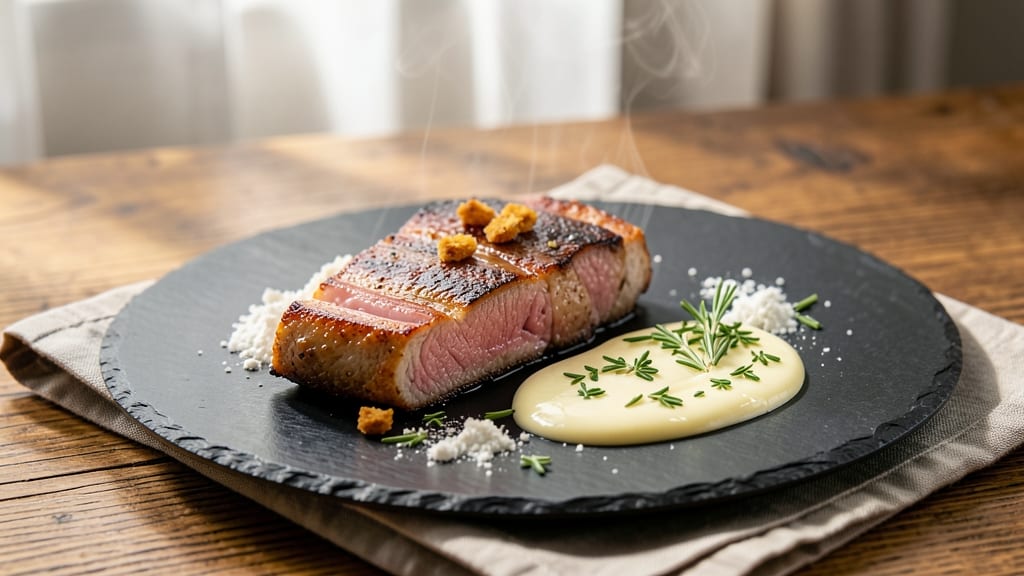
This Michelin star pork chop recipe delivers the perfect balance of buttery crust and medium-rare core—exactly what separates home cooking from restaurant excellence. 🔥 After years of perfecting this technique in professional kitchens, I've simplified it for your home stove while maintaining the same high standards.
The secret lies in precise temperature control and a dry-brining method that ensures juicy, tender meat with a golden, crackling crust.
We start with a heritage pork chop—thick cut, bone-in, and sourced from pasture-raised pigs—because quality ingredients are non-negotiable for Michelin-level results. The dry brine transforms the meat overnight, creating a surface that sears beautifully while keeping the interior impossibly tender.
This isn't just a recipe; it's a method that transforms an everyday protein into something extraordinary, with techniques I've developed over thousands of pounds of pork at my restaurant.
The final result is a pork chop with a shatteringly crisp crust that gives way to perfectly pink, buttery meat—each bite delivering that satisfying contrast of textures and flavors.
The sauce we'll prepare is equally important: a reduction of apple cider and white wine that adds brightness without overpowering the natural richness of the pork.
This is the kind of dish that makes guests sit up and take notice, proving you don't need a Michelin kitchen to create Michelin-quality results.
Pair it with roasted heritage carrots and a bed of wild rice pilaf to complete the experience. The technique is precise, but the execution is straightforward once you understand the key steps—temperature control, proper brining, and confident searing. Let's create something truly special in your kitchen.
Ingredients for michelin star pork chop
Thirteen ingredients, one Michelin-worthy technique—where restaurant-quality pork chops begin at home.
| Ingredient | Amount | Notes |
|---|---|---|
| Heritage Pork Chops 🐖 | 1 ½ lb | Bone-in, thick-cut, pasture-raised |
| Diamond Crystal Kosher Salt 🧂 | 2 tbsp | For dry brining, coarse grain preferred |
| Unsalted Butter 🧈 | ½ cup | Cold, cut into 1-inch cubes |
| All-Purpose Flour 🌾 | ½ cup | For dredging, fine texture preferred |
| Fresh Thyme Leaves 🌿 | ¼ cup | From 10 sprigs, finely chopped |
| Fresh Rosemary Leaves 🌿 | ¼ cup | From 5 sprigs, finely chopped |
| Garlic Cloves 🧄 | 4 cloves | Peeled, smashed but not minced |
| Apple Cider 🍎 | 1 cup | Unfiltered, dry variety preferred |
| Dry White Wine 🍷 | ½ cup | Sauvignon Blanc or Pinot Grigio |
| Heavy Cream 🥛 | ¼ cup | Full-fat for sauce richness |
| Fresh Parsley Leaves 🌿 | ⅛ cup | Chopped, for garnish |
| Vegetable Oil 🫒 | ¼ cup | High smoke point for searing |
| Granulated Sugar 🍬 | 1 tbsp | For sauce balance |
The pork chops are non-negotiable. Heritage breed with bone-in and thick cuts (1.5 inches minimum) is essential—local butchers or specialty grocers like Whole Foods carry these. Look for pasture-raised labels and vibrant pink color, not grayish hues. If you can't find heritage, Yorkshire or Berkshire pork are excellent substitutes. The dry brine transforms the meat overnight, so plan ahead. For the butter, Plugrá or Land O'Lakes unsalted are my go-tos—they handle high heat beautifully without burning. Fresh herbs? Farmers markets have the best selection, but grocery store bunches work if you trim the woody stems.
No fresh thyme? Dried works at one-third the amount, but fresh is ideal here. Running low on white wine? Dry vermouth or apple juice keeps the brightness. The apple cider should be unfiltered for depth—Mott's or Woodchuck are reliable brands. For the sauce, heavy cream is non-negotiable (light won't cut it), but if you're avoiding dairy, coconut cream works surprisingly well. The sugar balances acidity—brown sugar adds molasses notes if you prefer depth. Prepping the herbs? Chop them just before cooking to preserve their oils. And that vegetable oil? Avocado or grapeseed oil handles high heat without flavor transfer.
The dry-brined pork chops keep 2 days in the fridge, wrapped in parchment. The sauce components can be prepped ahead—just reduce the wine-cider base and refrigerate it separately. Reheat gently with the cream. For leftovers, re-crisp the crust in a 400°F oven for 5 minutes—it's worth the extra step. The herbs? Store in damp paper towels for up to 5 days. This recipe makes 4 servings, but I always double it—freeze extras in portions for when you're craving something special without the prep.
Why You'll Love This Recipe
- I swear by this combo: heritage pork’s richness, butter’s melt, and that first sprinkle of kosher salt—it’s the secret to restaurant-quality crust without fuss. No 10-step methods here, just flour, thyme, and a pan.
- Same recipe, different vibes: toss it together for a quick family meal or dress it up with a splash of wine for guests. Heritage pork holds up beautifully—no one will guess it’s not from a fancy bistro.
Step-by-step instructions for Michelin-star pork chops
Here's how to achieve that signature buttery crust and perfect pink center every time.
🔥 Step 1: Dry Brine and Season the Heritage Pork Chops
Pat the 1.5 lb heritage pork chops completely dry with paper towels—this is non-negotiable for crispy skin. Place them on a wire rack set over a baking sheet and sprinkle evenly with all 2 tbsp diamond crystal kosher salt. I like to press the salt crystals into the meat gently so they adhere.
Cover loosely with plastic wrap and refrigerate for at least 4 hours (overnight is ideal). This dry brine process draws out moisture from the surface while seasoning deeply. You'll know it's working when the chops develop a slightly translucent crust and the salt dissolves into the meat rather than sitting on top.
👨🍳 Step 2: Create the Herb Butter and Dredge the Chops
In a small bowl, combine the 0.5 cup cold unsalted butter (cut into 1-inch cubes), 0.25 cup fresh thyme leaves, 0.25 cup fresh rosemary leaves, 1 tbsp granulated sugar, and 4 smashed garlic cloves. Use a fork to mash everything together until you have a chunky, herby butter. Spread this mixture onto a plate and refrigerate while you prepare the chops.
Place the 0.5 cup all-purpose flour in a shallow dish. Remove the chops from the fridge and let them sit at room temperature for 15 minutes. Working quickly, press each chop into the flour, coating both sides evenly. Shake off any excess flour—this ensures a light, crispy crust rather than a heavy batter.
🍳 Step 3: Sear to Golden Perfection
Heat a heavy skillet (cast iron works best) over medium-high heat until smoking hot. Add 0.25 cup vegetable oil and swirl to coat the pan. Working in batches if needed, add the floured chops and let them sear undisturbed for 3-4 minutes per side until they develop a deep golden-brown crust. Here's the thing—don't move them around until you see those edges starting to crisp.
Flip carefully using a pair of tongs. The chops are ready when they release easily from the pan and the internal temperature reaches 130°F on an instant-read thermometer. Transfer to a plate and let rest for 5 minutes while you prepare the sauce. This resting period is crucial—it allows the juices to redistribute for that perfect medium-rare finish.
🥘 Step 4: Build the Apple Cider Reduction
In the same skillet (no need to clean it—the browned bits are flavor gold), reduce heat to medium and add 1 cup apple cider. Let it simmer for 3-4 minutes until reduced by half. Then add 0.5 cup dry white wine and scrape up all those delicious browned bits from the bottom of the pan with a wooden spoon. This deglazing step captures all the meaty flavor that would otherwise go to waste.
Add the 0.25 cup heavy cream and 1 tbsp granulated sugar, then bring to a gentle simmer. Let it cook for 2-3 minutes until slightly thickened. Taste and adjust seasoning with additional salt if needed. The sauce should coat the back of a spoon with a velvety texture and balance of sweet, tangy, and rich flavors.
🍽️ Step 5: Finish with Herb Butter and Garnish
Return the chops to the skillet and spoon the sauce generously over the top. Let them sit for 1 minute to absorb some of that glorious sauce. Then transfer each chop to a warm plate, top with a generous dollop of the herbed butter you prepared earlier, and drizzle with any remaining sauce.
Garnish with 0.125 cup chopped fresh parsley leaves and serve immediately. The chops should have a crackling golden crust, a pink center that yields slightly to pressure, and that herb-infused butter melting into every bite. This is where home cooking meets restaurant-quality perfection.
Pro Tips For Making Michelin Star Pork Chop
- SEAR THE BUTTER FIRST: Melt the butter in the pan until it’s foamy and smells nutty—about 2 minutes on medium heat—before adding the flour. I used to rush this step, and the sauce always tasted raw. Let it develop that golden color and aroma, or you’ll miss the depth.
- SALT THE CHOPS 40 MINUTES EARLY: Heritage pork is lean and dries out fast, so season it generously with kosher salt (about 1 teaspoon per chop) and let it sit uncovered on a wire rack while you prep. This ensures even penetration and a better crust later—no last-minute scrambling to season.
- DON’T CROWD THE PAN: Cook the chops one at a time, even if it takes an extra 2 minutes. I learned this the hard way—overloading the pan steams the meat instead of searing, and the crust turns soggy. A hot pan and space are non-negotiable for that Michelin-worthy crust.
- REST UNDER FOIL, NOT PLATES: After searing, transfer the chops to a warm plate, loosely tent with foil, and let them rest for 5–7 minutes. Plates cool too fast, and the juices pool instead of redistributing. This keeps the meat juicy and the crust intact—trust the foil, not the plate.
Perfect pairings for this recipe
Wine Pairings
For this Michelin-level pork chop, I reach for a Chardonnay with subtle oak and bright acidity—think Meursault or Santa Barbara County styles. The crispness cuts through the butter richness while complementing the apple cider sauce.
If you prefer red, a Pinot Noir from Willamette Valley offers enough elegance to match without overpowering. 🍷
Beer Complements
A Belgian witbier like Hoegaarden brings citrusy brightness that mirrors the apple cider reduction. For something heartier, try a German Helles Lager—its malty sweetness balances the pork's richness without clashing. I avoid heavy IPAs here; they'd compete instead of complement. 🍺
Side Dish Harmony
Roasted heritage carrots with honey and thyme create the perfect earthy contrast. For texture, add a wild rice pilaf with toasted almonds and dried cranberries—the nutty crunch balances the pork's buttery richness. Both sides reheat beautifully for leftovers. 🥕
Sauce Variations
Swap the apple cider for dry sherry to create a nutty, umami sauce. Or try port reduction—simmer ½ cup ruby port with 1 tbsp blackberry jam for a dessert-like finish. Both work beautifully with the herb butter topping. 🍇
Presentation Tips
Plate the chop on a dark slate board to make the golden crust pop. Drizzle sauce in an artistic swirl around the edges, then dot with extra herb butter. Garnish with a sprig of fresh rosemary tied with kitchen twine for an elegant Michelin-worthy touch. ✨
Nutrition facts
Frequently asked questions
Can I use regular pork chops instead of heritage breed?
You can, but expect less marbling and flavor depth. For best results, choose bone-in, thick-cut chops (1.5" minimum) from Yorkshire or Berkshire pork—these have more fat content that renders beautifully. If using standard chops, increase the dry brine time to 8-12 hours and add 1 tsp black pepper to the herb butter for extra complexity.
What if my pork chop overcooks during searing?
Use an instant-read thermometer—remove when hitting 130°F internal temp (medium-rare). If you lose track, flip the chop bone-side down and cover with a lid for 1-2 minutes to finish cooking off-heat. The crust will still form beautifully while the center stays tender. For extra insurance, sear at medium heat instead of high.
Can I make this recipe ahead of time?
Dry-brine the chops up to 2 days ahead and store wrapped in parchment. Prepare the sauce components separately (reduce wine/cider base, refrigerate) and reheat gently with cream. For serving, re-crisp the crust in a 400°F oven for 5 minutes—this restores that golden perfection. The herb butter stays fresh for 2 days in the fridge.
What's the secret to the perfect crust?
Three things: pat completely dry, use cold butter in the herb mixture, and don't move the chops during the first 3 minutes of searing. The sugar in the butter caramelizes beautifully, creating that signature crackling crust. A hot cast iron skillet is non-negotiable—it needs to be smoking before adding oil.
How do I adjust this for a crowd?
Double the recipe, but use two skillets for even searing. For a 10-person spread, prepare 5 lb heritage pork chops and increase the sauce by 50%. Work in batches—don't overcrowd the pan—and keep the finished chops warm in a 200°F oven while you sear the rest. The herb butter can be made in batches too.