
Side Dishes
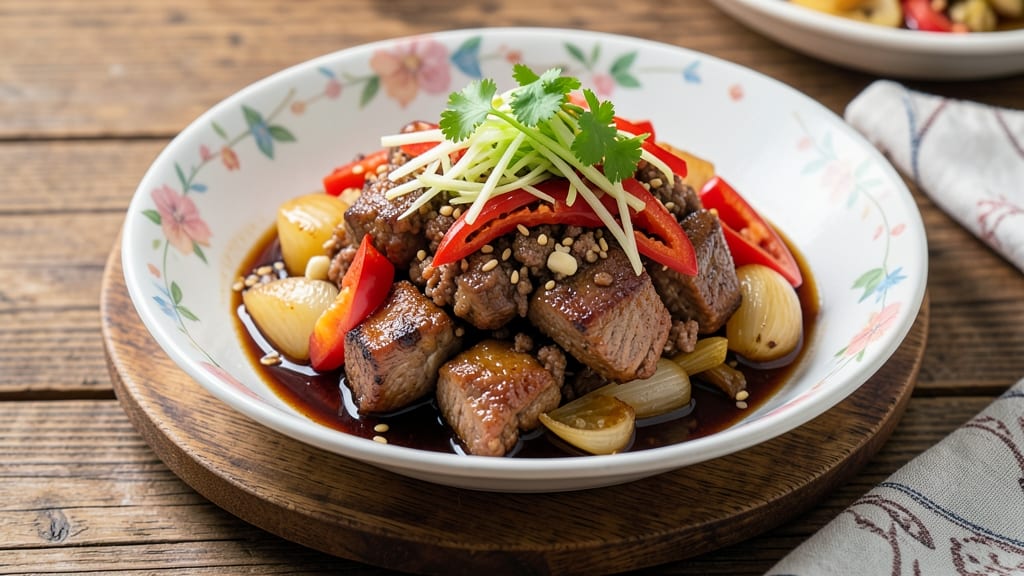
This minced pork and vegetables recipe transforms simple ingredients into a restaurant-worthy stir-fry that delivers bold umami flavor in just 25 minutes. 🔥 As someone who's spent years perfecting pork dishes at Atlanta's The Smoky Pig, I know the secret lies in high-heat searing and precise seasoning—no fancy techniques required.
The result? A dish that's packed with protein, vibrant vegetables, and layers of savory depth that'll make your dinner table the envy of the neighborhood.
The beauty of this recipe is its versatility—it works as a main dish for weeknights or a showstopper for guests, and it's easily adaptable to dietary needs (gluten-free, low-carb, or vegetarian with simple swaps).
We'll use a classic wok-fry method that creates crisp-tender vegetables and perfectly cooked pork, all while keeping the prep straightforward. The key ingredients—minced pork, bell peppers, onions, and a touch of soy sauce—come together in a symphony of textures and flavors that balance richness with freshness.
What you'll end up with is a dish that's golden-brown at the edges, fragrant with garlic and ginger, and packed with that irresistible umami punch that makes every bite satisfying. The vegetables stay crisp-tender while the pork develops a slightly caramelized crust, creating a perfect contrast.
This isn't just another stir-fry—it's a dish that feels special, even when you're cooking for one.
Serve it over steamed rice for a complete meal, or let it stand alone as a hearty side dish. The leftovers reheat beautifully, making it perfect for meal prep. Let's get cooking—this recipe is about to become your new weeknight staple.
Ingredients for minced pork and vegetables
High-heat searing meets umami-packed vegetables for a restaurant-quality stir-fry in record time.
| Ingredient | Amount | Notes |
|---|---|---|
| Minced Pork Shoulder 🐖 | 1 ½ lb | Finely minced for even cooking |
| Red Bell Peppers 🌶️ | 2 whole | Sliced into thin strips |
| Yellow Onions 🧅 | 1 whole | Thinly sliced for quick cooking |
| Garlic Cloves 🧄 | 6 cloves | Minced for aromatic depth |
| Fresh Ginger 🌿 | 1 tbsp | Grated, for zesty brightness |
| Low-Sodium Soy Sauce 🍶 | 3 tbsp | High-quality for umami |
| Oyster Sauce 🍜 | 2 tbsp | For rich, savory depth |
| Sesame Oil 🫒 | 1 tbsp | Toasted for nutty aroma |
| Cornstarch 🌾 | 1 tbsp | For crisp-tender pork |
| Neutral High-Smoke Point Oil 🫒 | 2 tbsp | Avocado or grapeseed oil |
| Green Onions 🧅 | 4 whole | Thinly sliced for garnish |
| Sesame Seeds 🌱 | 1 tsp | Toasted for crunchy texture |
| Diamond Crystal Kosher Salt 🧂 | ½ tsp | For seasoning balance |
| Freshly Ground Black Pepper 🌶️ | ¼ tsp | For subtle heat |
The minced pork shoulder is non-negotiable for authentic texture—ground too fine, and it turns mushy. Look for pre-minced pork at Asian markets like H Mart or 99 Ranch, where the fat content is ideal. If using a whole cut, pulse it in a food processor until it resembles coarse sand. Fresh ginger and garlic should be vibrant, not woody—Penzeys Spices carries excellent quality if you're not at the market. The low-sodium soy sauce matters too; brands like Kikkoman or Lee Kum Kee deliver consistent depth without overpowering saltiness.
No oyster sauce? Hoisin sauce plus a splash of fish sauce works in a pinch, though the umami won't be identical. Substituting mirin for sesame oil (1:1 ratio) adds sweetness but loses that nutty aroma. Bell peppers can be swapped for broccoli or snap peas—just adjust cooking time to avoid mushiness. The cornstarch is crucial for that wok-fried crunch; Bob's Red Mill brand is reliable for consistent results. For extra heat, add 1/2 tsp of chili flakes (adjust to taste), but omit if serving to children or sensitive palates.
Pork and vegetables cook best fresh but can be prepped 24 hours ahead—store separately in airtight containers. Reheat in a wok or cast-iron skillet over medium-high heat with a splash of water to steam. Leftovers keep for 3-4 days in the fridge or 3 months frozen. For meal prep, portion into glass containers—the pork stays juicier than plastic. Garnish with sesame seeds and green onions right before serving to preserve their crispness.
Why You'll Love This Recipe
- One-Pot Magic: I swear by this—no extra dishes, no stress. Just toss the minced pork, chopped veggies, and aromatics into one pan, and let the ginger and garlic work their magic while you stir. (Yes, even on a Tuesday night.)
- Flavor Bomb: That crispy sear on the pork shoulder paired with the sweetness of bell peppers and the zing of fresh ginger? It’s the kind of dish that makes you pause mid-bite. Honestly, my partner asks for it twice a week now.
- Leftover Hero: This recipe actually improves the next day. The flavors meld into something richer, and it reheats like a dream—perfect for packed lunches or a lazy weekend. I make a double batch just for this reason.
- Budget-Friendly Staple: Minced pork shoulder is my wallet’s best friend—cheaper than steak but just as satisfying. Add a handful of veggies, and you’ve got a hearty, filling meal that feeds four for under $15. (My college self would’ve cried.)
Step-by-step instructions for wok-fried minced pork with vegetables
Master this quick stir-fry technique for restaurant-quality texture and bold umami flavors.
🔥 Step 1: Prep the Pork for Maximum Crisp-Tenderness
In a medium bowl, combine the 1.5 lb minced pork shoulder, 1 tbsp cornstarch, 0.5 tsp Diamond Crystal kosher salt, and 0.25 tsp freshly ground black pepper. Use your hands to work the cornstarch evenly throughout the pork—this creates a light coating that prevents the meat from turning mushy during cooking. Let the mixture rest for 5 minutes while you prep the vegetables.
The cornstarch acts as a natural binder and tenderizer, ensuring your pork stays crisp at the edges while remaining juicy inside. Don't skip this step—it's what transforms ordinary ground pork into that signature wok-fried texture. I like to press the pork into a compact shape with my fingers before cooking, which helps it hold together better in the hot wok.
🍳 Step 2: Build Layered Flavors in the Wok
Heat a wok or large skillet over high heat until smoking, then add the 2 tbsp neutral high-smoke point oil. Once the oil shimmers (about 30 seconds), add the prepared pork in one batch. Stir-fry vigorously for 3-4 minutes until the pork turns golden brown and loses its raw color completely.
This initial searing develops the Maillard reaction, creating deep, caramelized flavors. Don't crowd the pan—work in batches if needed, but keep the heat high to maintain that signature wok-fried texture. Once the pork is fully cooked, remove it to a plate and set aside, leaving all the rendered juices in the wok.
👨🍳 Step 3: Stir-Fry Vegetables in Stages
In the same wok (no need to wipe it clean—the pork juices add flavor), add 1 tbsp neutral high-smoke point oil if needed, then add the 1 whole yellow onion and 2 whole red bell peppers (cut into thin strips). Stir-fry for 2-3 minutes until the onions soften and the peppers begin to blister slightly at the edges.
Next, add the 6 cloves minced garlic and 1 tbsp grated fresh ginger. Cook for 30 seconds until the garlic turns light golden and becomes fragrant—this prevents it from burning, which would make the dish bitter. The vegetables should be tender-crisp at this stage, not fully cooked through. Remove them to join the pork on the plate.
🥘 Step 4: Finish with Sauce and Aromatics
Return the wok to high heat and add the 3 tbsp low-sodium soy sauce and 2 tbsp oyster sauce. Let the sauces simmer for 1 minute until slightly reduced. Then add the pork and vegetables back to the wok, tossing everything together for 1-2 minutes to coat evenly in the sauce.
Drizzle in the 1 tbsp sesame oil and toss again. The sesame oil should infuse quickly—you'll notice the aroma become nutty and toasty. Taste and adjust seasoning if needed, adding a splash of water if the sauce is too thick. The dish should be glossy but not soupy.
🍽️ Step 5: Garnish and Serve Immediately
Transfer the wok-fried pork and vegetables to a serving platter. Garnish with 4 whole green onions (thinly sliced) and 1 tsp toasted sesame seeds. The green onions add a fresh contrast to the rich flavors, while the sesame seeds provide a satisfying crunchy texture.
Serve immediately while everything is piping hot. Each bite should deliver crisp-tender pork, vibrant vegetables, and a complex umami sauce. The dish pairs perfectly with steamed jasmine rice to soak up all those delicious juices. Real talk: this recipe tastes even better the second day when the flavors meld further.
Pro Tips For Making Minced Pork And Vegetables
- SEAR THE PORK FIRST: Don’t just toss raw minced pork into the pan—break it into small clumps with your hands, then sear it in batches over medium-high heat until it loses its raw pink color. This builds flavor and prevents a greasy final dish (trust me, I’ve learned this after making mushy pork twice).
- GRATE THE GINGER FINE: Skip the mincer—use a microplane or the smallest holes on a box grater for fresh ginger. You want it almost paste-like so it blends smoothly into the pork without leaving texture. I used to chop it, and it always sat awkwardly in the mix.
- SWEAT THE ONIONS LOW: Turn the heat down to medium-low once the onions hit the pan, and let them cook for 5–7 minutes until they’re translucent but not browned. Rushed onions add bitterness, and nobody wants that competing with the pork’s savory notes.
- ADD BELL PEPPERS LAST: Toss the sliced red bell peppers in only after the pork’s cooked through—about 2–3 minutes before serving. They’ll stay crisp and vibrant instead of turning soggy or releasing too much water into the pan (yes, this is why your dish looked sad before).
Essential equipment for great minced pork and vegetables
Wok Essentials
You don't need a fancy carbon steel wok to nail this recipe—I've made it in a 12-inch cast iron skillet from my collection when my wok was busy. The key is a heavy-bottomed pan that retains heat evenly.
My go-to is a 14-inch carbon steel wok from Made In, but a non-stick skillet works in a pinch if you're new to high-heat cooking. Just avoid thin aluminum pans—they won't get hot enough for that signature wok-fried texture. 🔥
Heat Control Tools
A long-handled spatula (I use Victorinox 12-inch) is non-negotiable for stirring without burning yourself. For temperature control, I keep a thermometer nearby—ideal wok temps hover around 450-500°F.
A small bowl of ice water on the counter comes in handy for quickly cooling hot tools or resetting your hands between batches. Pro tip: Invest in heat-resistant gloves if you're sensitive to hot pans.
Prep Station Setup
Organize your prep space like a pro chef: A cutting board (I prefer Teakha bamboo) for vegetables, a small mixing bowl (I use Le Creuset stoneware) for the pork marinade, and a sharp chef's knife (my Wüsthof Ikon 8-inch) make all the difference.
Keep your soy sauce, oyster sauce, and sesame oil in small bowls nearby for quick access. I like to toast my sesame seeds in a small dry skillet while prepping—just 30 seconds over medium heat until fragrant. 💫
Optional Upgrades
For next-level results, a wok burner (like King Kooker's) gives you precise heat control, but it's not essential. A mandoline slicer (I use Benedict 5-in-1) makes quick work of even vegetable strips. My vintage cast iron wok tongs from Lodge help with tossing without breaking up the pork.
And if you're serious about stir-fries, a gas stove (not electric) gives you the most responsive heat control—though I've adapted this recipe to electric cooktops with great success.
Nutrition facts
Frequently asked questions
Can I substitute ground pork with another type of meat?
For a leaner option, use ground chicken or turkey, but reduce cooking time by 1-2 minutes since they cook faster. For extra richness, try ground beef (80/20 blend)—just increase the cornstarch to 2 tbsp to prevent mushiness. Never use pre-cooked meats like deli ham, as they won't develop that signature crisp-tender texture.
How do I adjust this for a gluten-free diet?
Skip the soy sauce and oyster sauce, then use 3 tbsp gluten-free tamari plus 1 tbsp coconut aminos for umami depth. Add 1 tsp gluten-free fish sauce for extra savory notes. Double-check all sauces for hidden gluten—brands like San-J are reliable. The cornstarch is naturally gluten-free, but if you're avoiding all starches, omit it and cook the pork slightly longer.
Why did my pork turn out mushy instead of crispy?
This usually happens from one of three issues: overcrowding the pan (reduces heat), not using enough cornstarch (or skipping it), or cooking at too low heat. Always work in batches if needed, and use high heat—your wok should be smoking slightly. For extra insurance, pat the pork dry before seasoning to remove excess moisture.
Can I make this ahead of time for meal prep?
Yes! Cook the pork and vegetables separately, then store in airtight containers in the fridge for 3-4 days. When reheating, combine in a skillet with 1 tbsp water over medium-high heat for 3-4 minutes to restore crispness. For freezing, portion into single-serving containers—it keeps quality for 3 months. Just add fresh green onions and sesame seeds when serving.
What vegetables work best in this recipe?
Stick to high-water vegetables that stay crisp-tender: bell peppers, onions, snap peas, or broccoli work perfectly. For heartier options, try mushrooms or zucchini (reduce cooking time by 1 minute). Avoid leafy greens like spinach—they'll wilt instantly. Pro tip: Thinly sliced carrots or cabbage add great texture too.