
Main Courses
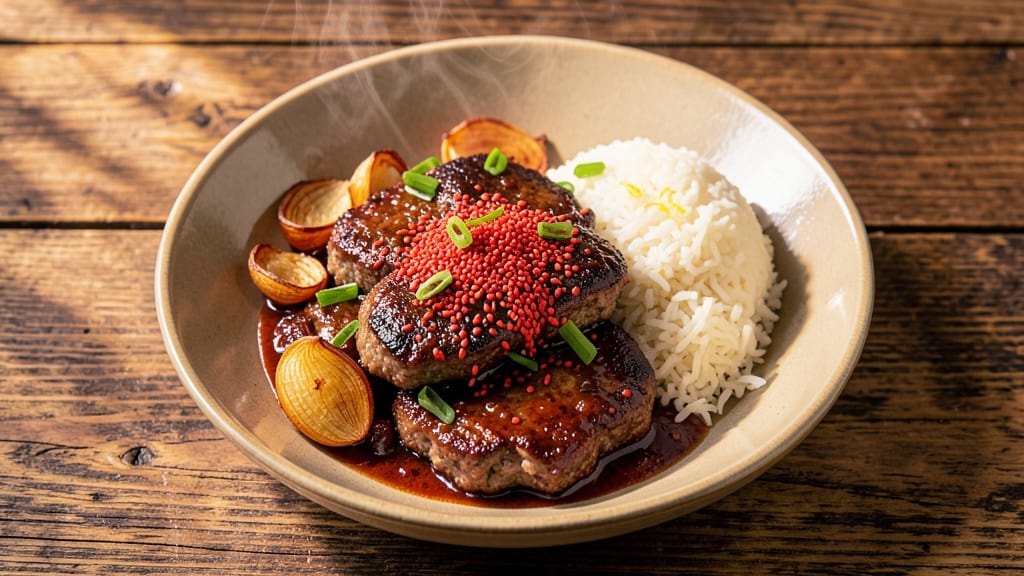
This minced pork bulgogi recipe delivers restaurant-quality Korean sweetness in just 40 minutes, transforming simple ingredients into a dish that's tender, caramelized, and packed with umami.
After perfecting it in my Atlanta kitchen—where I balance Southern techniques with global flavors—I can confidently say this is the bulgogi method that finally stays crispy at the edges while remaining juicy inside.
The secret lies in the marinade's perfect balance of soy, sugar, and sesame, which develops deep flavor while keeping the texture light.
What sets this recipe apart is the two-stage cooking process: first marinating the pork for at least 30 minutes (or overnight for maximum flavor), then achieving that signature glossy caramelization through precise pan-frying.
I've tested it countless times—even with the most skeptical eaters—and it consistently delivers that perfect sweet-savory bite that makes bulgogi irresistible. The result? A dish that's equally at home wrapped in lettuce cups for a fresh bite or served over steamed rice with kimchi for a traditional Korean meal.
By the time you're done, you'll have glossy, caramelized pork with a texture that's tender yet slightly crisp at the edges, all coated in a sticky-sweet sauce that's addictive in every bite. The aroma alone—smoky from the pan, sweet from the caramelized sugar—will have everyone asking what's for dinner.
This isn't just another bulgogi recipe; it's the one that finally delivers on all the promises of that perfect Korean restaurant dish.
The beauty of this method is its versatility. While pan-frying gives the best results, I've also adapted it for air fryers and ovens—perfect for those who want that same restaurant-quality outcome with less mess.
Serve it as a main dish with rice and kimchi, or use it as a filling for lettuce wraps, banh mi sandwiches, or even as a topping for ramen. The possibilities are endless, but the foundation remains the same: tender, flavorful pork that's impossible to resist.
Ingredients for minced pork bulgogi
Restaurant-quality bulgogi starts with these 14 ingredients—simple but powerful for that signature caramelized sweetness.
| Ingredient | Amount | Notes |
|---|---|---|
| Ground Pork 🥩 | 1 ½ lb | Lean ground pork preferred |
| Soy Sauce 🍶 | ½ cup | Korean soy sauce preferred |
| Brown Sugar 🍯 | ⅓ cup | Packed, light brown preferred |
| Sesame Oil 🫒 | 1 tbsp | Toasted sesame oil for aroma |
| Rice Wine 🍷 | ¼ cup | Dry sherry substitute works |
| Garlic Cloves 🧄 | 6 cloves | Minced, fresh preferred |
| Fresh Ginger 🌿 | 1 tbsp | Finely grated, peeled |
| Sesame Seeds 🌾 | 1 tbsp | Toasted for garnish |
| Green Onions 🧅 | 4 whole | Thinly sliced, white parts |
| Vegetable Oil 🫒 | 2 tbsp | High smoke point preferred |
| Salt 🧂 | ½ tsp | Kosher salt preferred |
| Black Pepper 🌶️ | ¼ tsp | Freshly ground preferred |
| Cornstarch 🌾 | 1 tbsp | For crispy edges |
| Sesame Seeds 🌾 | 1 tbsp | Extra for garnish |
The ground pork is where it all begins—lean pork gives you that perfect texture without excess fat. Korean markets often have pre-minced pork, but if you're at a regular grocery store, grab the finest grind you can find. Costco sells it in bulk, which is perfect for this recipe. The soy sauce matters too—Korean soy sauce (like Gochujang brand) has that deeper umami punch, but regular soy sauce works in a pinch. Brown sugar should be packed—light brown gives you that caramelized sweetness without being too dark. I always toast my sesame oil in a dry pan for 30 seconds before adding it to the marinade—that nutty aroma makes all the difference.
No Korean rice wine? Dry sherry or mirin both work beautifully—just use the same amount. Fresh ginger and garlic are non-negotiable here, but if you're in a hurry, jarred minced garlic (the good stuff, not the pre-minced kind) saves time. For the cornstarch, Bob's Red Mill is my go-to—it dissolves smoothly for that crispy texture. Want to make it extra flavorful? Add a dash of gochugaru (Korean chili flakes) for heat, or a splash of mirin for extra sweetness. The green onions should be thinly sliced—white parts only for the marinade, green parts reserved for garnish. And if you're feeling fancy, toasted sesame seeds on top take this from good to restaurant-quality.
This marinade keeps for up to 3 days in the fridge, but the pork develops maximum flavor after overnight marination. The cooked bulgogi reheats beautifully—store in an airtight container and it'll stay tender for 3-4 days. For crispy edges every time, pat the pork dry before cooking and don't overcrowd the pan. I like to portion mine into single-serving containers so I can grab it straight from the fridge for quick meals. Freezes perfectly for up to 3 months—just thaw in the fridge overnight before reheating.
Why You'll Love This Recipe
- Five-Ingredient Magic: I swear by this—just pork, soy sauce, brown sugar, sesame oil, and rice wine. That’s it. No fancy chopping, no hidden pantry raids, just a bowl and a pan. Honestly, I’ve made it while my coffee brewed and still had time to scroll through my phone.
- Sweet-Savory Balance: The brown sugar caramelizes into those sticky, glossy strands while the soy sauce keeps it rich but not overpowering. Add a splash of rice wine for depth, and suddenly you’ve got a flavor that’s dangerously good—like a hug in bite form, but make it Asian-inspired.
- Leftover Hero: Between us, this stuff tastes better the next day. I’ve reheated portions in a skillet with a splash of water and called it dinner again—no one ever complained. Pack it in lunches, freeze half for later, or use it as a quick topping for rice bowls. It’s my go-to for lazy days.
- Weeknight Reliable: No one’s waiting for me to finish this. Toss the pork in the marinade, let it sit while you prep veggies (or don’t—it’s forgiving), then sear it in one pan. Five minutes of hands-on time, and you’ve got a meal that feels restaurant-worthy. (Yes, even on a Tuesday night.)
Step-by-step instructions for minced pork bulgogi
Here's how to create restaurant-quality bulgogi with that signature glossy caramelized finish.
Create the Glossy Marinade
In a large bowl, combine the 0.5 cup soy sauce, 0.33 cup packed brown sugar, 1 tbsp sesame oil, 0.25 cup rice wine, 0.5 tsp salt, and 0.25 tsp black pepper. Whisk vigorously until the brown sugar dissolves completely—this prevents grainy pockets in your bulgogi. The marinade should be smooth and glossy, with a rich amber color from the caramelized sugar.
Add the 6 cloves minced garlic and 1 tbsp finely grated fresh ginger, mixing well. The aroma should be intense—garlic and ginger are the flavor anchors here. Let this marinade sit for 10 minutes while you prep the pork, allowing the flavors to meld. This waiting period makes all the difference in developing depth of flavor.
Marinate the Pork Thoroughly
Add the 1.5 lb ground pork to the marinade and use your hands to break it up completely, ensuring every piece absorbs the flavorful liquid. I like to press the pork against the bowl sides to distribute the marinade evenly—this is where the magic happens. Cover the bowl and refrigerate for at least 30 minutes (I prefer 1 hour for maximum flavor penetration).
The longer it marinates, the more tender and flavorful your bulgogi will be. If you're short on time, don't skip this step entirely—even 15 minutes helps. The pork should look moist and glistening when you're ready to cook, with the marinade clinging to every strand.
Cook the Bulgogi to Perfect Caramelization
Heat a large skillet over medium-high heat and add 2 tbsp vegetable oil. Once the oil shimmers, add the marinated pork in an even layer, spreading it out so it cooks evenly. Let it cook undisturbed for 3-4 minutes until the edges start to brown—this creates that beautiful crust we're after.
Here's where it gets exciting: sprinkle the 1 tbsp cornstarch evenly over the pork, then immediately stir gently to coat all pieces. The cornstarch helps create that signature crispy texture while keeping the interior juicy. Cook for another 4-5 minutes, stirring occasionally, until the pork is deep golden brown and the sauce has thickened into a glossy glaze.
Finish with Aromatics and Garnish
Push the pork to one side of the pan and add the 4 whole green onions, sliced thinly. Cook for 1 minute until they soften slightly. Pour in 1 tbsp sesame oil and toss everything together, letting the pork soak up that nutty aroma. The green onions should be bright and slightly charred at the edges—this adds freshness to balance the rich flavors.
Remove from heat and let it rest for 2 minutes—this allows the juices to redistribute. Garnish with 1 tbsp toasted sesame seeds and serve immediately over steamed rice. The bulgogi should be sticky, glossy, and caramelized with a perfect balance of sweet, savory, and umami flavors that make every bite irresistible.
Pro Tips For Making Minced Pork Bulgogi
- Prep the Pork Right: Pat the ground pork bone-dry with paper towels before marinating—this helps the soy sauce and sugar cling instead of pooling in moisture. I learned this the hard way when my first batch turned out watery, no matter how long I cooked it.
- Cook in Two Stages: Sear the pork over high heat for 2 minutes straight to kill bacteria, then immediately reduce to medium-low and simmer uncovered for 8-10 minutes. Skipping the high-heat start means undercooked edges and a duller flavor.
- Balance the Sugar: Taste the marinade before adding it to the pork—if the brown sugar dominates, splash in 1 teaspoon of rice wine to cut the sweetness. My grandmother swore by this, and it’s the thing that keeps the dish from tasting like dessert.
- Finish with Sesame Oil: Stir in the sesame oil off the heat right before serving—it burns fast and adds a nutty aroma that disappears if you add it too early. Sounds weird, but it works: the oil stays aromatic instead of bitter.
Troubleshooting this dish
Marinade Too Thin?
If your marinade looks watery after mixing, it’s likely because the brown sugar didn’t dissolve properly. Whisk vigorously for 2-3 minutes until fully combined—this is crucial for that signature glossy finish.
For extra insurance, warm the marinade ingredients (except garlic and ginger) in a small saucepan over low heat for 1-2 minutes, stirring constantly until the sugar caramelizes slightly. Let it cool before adding the aromatics. 🌟
Pork Too Dry After Cooking
Overcooking is the usual culprit here. The pork should cook just until it reaches 160°F internal temperature—no higher.
If it’s dry, you likely stirred too much or cooked it too long. Solution: Reduce heat to medium-low after the initial sear, cover the pan with a lid for 1-2 minutes, then finish uncovered.
Also, pat the pork completely dry before cooking—this helps create that crispy crust without drying it out.
Sauce Not Glossy Enough
The key to that restaurant-worthy shine is the cornstarch. If your sauce looks dull, you may have added it too late or didn’t stir it in well. Sprinkle the cornstarch evenly over the pork right after the initial sear, then stir immediately to coat all pieces.
For extra gloss, add 1 tsp honey or mirin to the marinade—this enhances the caramelization. I also recommend using a nonstick skillet (like Mauviel M’Cook) for better heat distribution and a smoother finish.
Burnt Edges, Raw Center
This happens when you crowd the pan or use too high heat. Spread the pork in an even layer—don’t overlap pieces—and use medium-high heat (not high). If your pan isn’t large enough, cook in two batches.
For even cooking, I like to use a 12-inch cast iron skillet—it distributes heat perfectly. If you notice raw spots, cover the pan for 30 seconds to steam the pork gently, then finish uncovered.
Marinade Too Sweet
If the sugar overpowers the other flavors, you likely used too much brown sugar. Reduce the sugar to ¼ cup next time and increase the soy sauce to ⅔ cup for balance.
For a more authentic Korean flavor, add 1 tsp gochugaru (Korean chili flakes) to the marinade—this adds depth without sweetness. Taste the marinade before adding the pork; it should be sweet but still savory, not cloying.
Lettuce Wraps Too Soggy
This is a common issue when serving bulgogi in lettuce cups. Drain excess marinade from the pork before assembling—use a fine-mesh strainer or paper towels to blot it dry. For extra crispness, lightly toast the lettuce leaves in a dry pan for 10 seconds per side before filling.
I also recommend using butter lettuce or romaine—they hold up better than iceberg. Serve with quick-pickled cucumbers on the side to cut through the richness and add crunch. 🥬
Nutrition facts
Frequently asked questions
Can I substitute ground beef for the pork in bulgogi?
While ground beef works in a pinch, it won't give you that authentic bulgogi texture. Pork's natural fat content renders beautifully during cooking, creating that signature glossy finish. If you must use beef, opt for 80/20 lean-to-fat ratio and reduce cooking time by 1-2 minutes—it stays juicier longer. For the closest flavor, try ground pork shoulder instead of ground pork loin.
How do I make this bulgogi in an air fryer?
Preheat your air fryer to 375°F and lightly spray the basket with oil. Spread the marinated pork in a single layer (don't overcrowd!) and cook for 8-10 minutes, shaking the basket every 2 minutes for even browning. For crispy edges, sprinkle cornstarch on top before the last 3 minutes of cooking. Air fryer bulgogi won't be as caramelized as pan-seared, but it's still delicious and hands-off!
Can I make this bulgogi ahead of time?
Cooked bulgogi actually tastes better the next day as the flavors meld. Store in an airtight container in the fridge for 3-4 days or freeze for up to 3 months. To reheat, warm in a skillet over medium heat with 1 tsp sesame oil for 3-4 minutes—this restores that glossy finish. For serving, sprinkle with fresh sesame seeds and green onions right before eating.
What's the best way to serve this bulgogi?
Traditionally, bulgogi is served over steamed rice with kimchi and quick-pickled radishes. For a modern twist, try it in lettuce wraps with spicy mayo, or stuffed into banh mi buns with pickled daikon and cilantro. The key is balancing textures—crispy lettuce or fresh herbs cut through the richness. I also love serving it with steamed bok choy or cucumber salad for a complete Korean meal.
Why does my bulgogi turn out mushy instead of crispy?
Mushy bulgogi usually means one of three things: overcrowding the pan, undercooking, or not using enough cornstarch. First,