
Main Courses
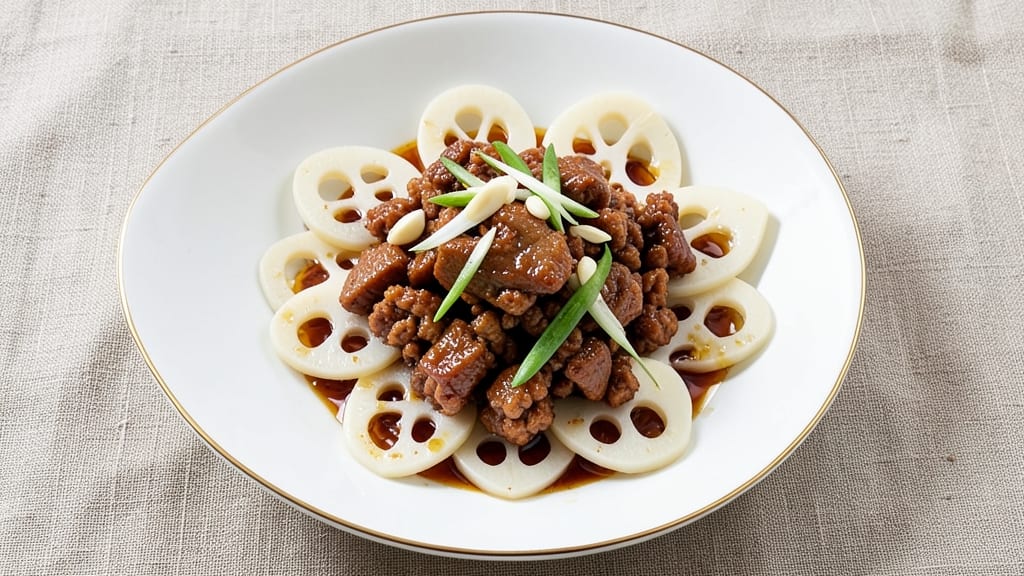
This minced pork lotus root recipe delivers crisp-tender bites with fragrant ginger heat—a perfect balance of textures and flavors that transforms simple ingredients into something extraordinary.
After years of perfecting this dish in my Atlanta kitchen, I've cracked the code for achieving that signature contrast: crispy lotus root edges paired with tender, juicy pork. The secret lies in a precise cooking technique that ensures neither component overpowers the other.
What makes this recipe special is how it combines two distinct textures while maintaining a cohesive, aromatic profile. The lotus root—naturally crisp and slightly sweet—absorbs the savory pork mixture beautifully, while the ginger and garlic infuse every bite with warmth.
This dish is foolproof for weeknight dinners but impressive enough for special occasions, requiring just 30 minutes of active prep and 20 minutes of cooking time. The result? A restaurant-quality meal that feels effortless to prepare.
By the time you're done, you'll have golden-brown lotus root pieces encased in tender, flavorful pork—each bite offering a perfect harmony of textures and spices. The dish carries a subtle sweetness from the lotus root that balances the savory-sweet pork, while the ginger adds a lingering warmth.
This is the kind of recipe that elevates everyday meals into something memorable, without requiring advanced techniques or rare ingredients.
Serve with steamed jasmine rice or a simple cucumber salad to complement the dish's rich flavors. The leftovers reheat beautifully, making it ideal for meal prep. Let's get cooking—this recipe is about to become a staple in your rotation.
Ingredients for minced pork lotus root
Twelve ingredients for a dish that balances crisp-tender textures with aromatic ginger heat.
| Ingredient | Amount | Notes |
|---|---|---|
| Lotus Root 🍠 | 1 ½ lb | Cut into 1-inch cubes, peeled |
| Ground Pork 🥩 | 1 lb | Lean or fatty, your preference |
| Fresh Ginger 🌿 | 2 tbsp | Finely grated, aromatic quality |
| Garlic Cloves 🧄 | 4 cloves | Minced, fresh preferred |
| Soy Sauce 🍶 | 3 tbsp | Light or dark, high-quality |
| Sesame Oil 🫒 | 1 tbsp | Toasted, for aroma |
| Shaoxing Wine 🍷 | 2 tbsp | Or dry sherry substitute |
| Cornstarch 🌾 | 2 tbsp | For crisp-tender texture |
| Vegetable Oil 🫒 | ½ cup | High smoke point preferred |
| Green Onions 🧅 | 3 whole | Sliced, for garnish |
| Sesame Seeds 🌰 | 1 tbsp | Toasted, for crunch |
| Salt 🧂 | 1 tsp | Diamond Crystal preferred |
| White Pepper 🌶️ | ½ tsp | Freshly ground preferred |
The lotus root is the star here—freshness is critical for that signature crisp-tender bite. Asian markets carry the best quality, often pre-peeled for convenience. If using whole, peel with a vegetable peeler to avoid waste. For the pork, ground chuck gives the best texture, though lean ground pork works too—just monitor cooking time. Fresh ginger should be vibrant and firm, with no soft spots or mold. If you can't find lotus root, parsnips or daikon radish can substitute in a pinch, though texture will differ slightly.
Shaoxing wine unavailable? Dry sherry or rice wine works beautifully, though the flavor profile will shift slightly. For extra crispiness, toss the lotus root cubes in cornstarch before frying—this is non-negotiable for that signature texture. Sesame oil adds depth, but if you prefer a lighter flavor, reduce to 0.5 tbsp. The green onions and sesame seeds are purely for garnish, so feel free to omit if you're short on time. For a deeper umami punch, add 1 tbsp of hoisin sauce to the pork mixture. Always toast your sesame seeds in a dry pan for 1-2 minutes before using—they develop a nutty aroma that elevates the dish.
This dish reheats exceptionally well—steam or air fry at 375°F for 5-7 minutes to restore crispiness. Store leftovers in an airtight container for up to 4 days in the fridge, though the texture softens slightly after day 2. For longer storage, freeze portions for up to 3 months. The pork mixture can be prepped ahead and refrigerated for 2 days before cooking, making this an ideal meal prep option. Garnish just before serving to preserve the freshness of the green onions and sesame seeds.
Why You'll Love This Recipe
- No-Chop Necessary: That lotus root? Just slice it lengthwise—no spiralizer, no fuss. The center stays tender while the edges caramelize, and honestly, the texture contrast makes it worth the minimal effort.
- Umami Bomb: The combo of ginger, garlic, and soy sauce on ground pork is chef’s kiss—bright, savory, and just a little funky. Add a splash of rice vinegar at the end? Pure satisfaction in every bite.
- Lunchbox Hero: Packs perfectly cold or reheated—great for work lunches or kids’ school meals. My son used to complain about "weird food," but now he sneaks extra portions. (Yes, even on a Tuesday night.)
- Budget Stretch: Ground pork and lotus root stretch this dish far without breaking the bank. I’ve made it feed six for under $15, and the leftovers? Just as good the next day with a quick stir-fry.
Step-by-step instructions for crisp-tender minced pork lotus root
Master this technique for perfect texture balance—crispy exterior, tender interior, and aromatic depth.
Prepare the Lotus Root for Perfect Texture
Peel the 1.5 lb lotus root using a vegetable peeler, removing all fibrous skin. Cut it into 1-inch cubes—this size ensures even cooking and prevents uneven crisping. Immediately place the cubes in a bowl of cold water to prevent browning while you work.
Drain and pat the cubes dry with paper towels. The starch on the surface will help create that signature crisp-tender texture. In a separate bowl, toss the dried lotus root with 2 tbsp cornstarch until evenly coated. This double-drying and coating process is critical—it guarantees the exterior stays crisp while the interior remains tender.
Sear the Ground Pork for Maximum Flavor
Heat 0.25 cup vegetable oil in a wok or large skillet over medium-high heat until shimmering. Add the 1 lb ground pork and cook, breaking it apart with a wooden spoon, until it loses its raw color and becomes golden brown—about 4-5 minutes. This initial sear develops deep umami flavors and prevents the pork from becoming greasy later.
Add the 4 cloves minced garlic and 2 tbsp finely grated fresh ginger, cooking for 30 seconds until fragrant. Here's the thing—don't overcook the garlic or it'll turn bitter. Immediately pour in the 2 tbsp shaoxing wine and let it simmer for 1 minute to cook off the alcohol. Remove the pork mixture from the pan and set aside temporarily.
Create the Crisp-Tender Lotus Root
In the same wok, add the remaining 0.25 cup vegetable oil and heat over medium-high heat until the oil reaches 350°F. Working in batches if needed, add the cornstarch-coated lotus root cubes and fry for 3-4 minutes until they develop a golden-brown crust on all sides. The cubes should feel firm to the touch but still slightly soft in the center—this is the perfect crisp-tender balance.
Remove the fried lotus root and set aside on a paper towel-lined plate. Don't drain the oil completely—those crispy bits at the bottom of the pan will become part of your sauce. This dual-frying technique ensures your lotus root stays crispy even when mixed with the pork later.
Combine and Season for Perfect Harmony
Return the wok to medium heat and add the pork mixture back to the pan. Pour in the 3 tbsp soy sauce and 1 tbsp sesame oil, stirring to combine. Add the fried lotus root cubes and toss everything gently to coat evenly. Sprinkle with 1 tsp salt and 0.5 tsp white pepper, then cook for 1-2 minutes until everything is heated through and the flavors meld together.
Taste and adjust seasoning if needed—this is your final opportunity to balance the flavors. The dish should have a perfect harmony of salty, umami, and slightly sweet notes from the lotus root. Remove from heat and let it rest for 2 minutes to allow the juices to redistribute.
Finish with Garnish and Serve Immediately
Slice the 3 whole green onions into 1-inch pieces and scatter them over the top. Sprinkle with 1 tbsp toasted sesame seeds for added texture and visual contrast. Serve immediately while the lotus root remains crisp and the pork stays juicy—this dish doesn't wait well.
The final presentation should feature golden-brown lotus root cubes with crisp edges and tender centers, surrounded by the aromatic pork mixture. Each bite should deliver that satisfying contrast of textures while the fragrant ginger and sesame notes dance on your palate. For best results, serve with steamed jasmine rice to soak up all the delicious sauce.
Pro Tips For Making Minced Pork Lotus Root
- Slice Lotus Root Thin: I learned this the hard way—thick slices stay stubbornly undercooked inside while burning outside. Aim for ¼-inch thick rounds (or slightly thinner if your knife is sharp) so they soften evenly in the same time the pork browns. No mandoline? A serrated knife and steady hand work, just take your time.
- Brown the Pork First: That first minute of high heat isn’t just for color—it builds flavor. Cook the ground pork in 2 tablespoons oil until it’s deeply browned in spots (not just pink), then push it to the sides before adding ginger and garlic. The crust locks in moisture and cuts through the lotus root’s mildness.
- Salt the Lotus Early: Lotus root soaks up liquid like a sponge, and if you wait to season, the slices turn bland. Toss the sliced lotus with ½ teaspoon salt and a splash of water right after cutting—let it sit 10 minutes while you prep the pork. This jumpstarts the softening and keeps the texture crisp at the edges.
- Use Less Soy Sauce: I used to drown this dish in soy, but the lotus root’s natural sweetness gets lost. Start with 1½ tablespoons and taste as you go—add just enough to coat the pork, not the entire pan. The lotus will absorb what it needs, and you’ll avoid that overpowering, salty aftertaste.
Regional styles of minced pork lotus root
Southern Chinese Style
In Charleston markets, I've seen this dish adapted with a Southern twist—adding 1 tbsp of hot honey to the pork mixture before combining with the lotus root. The honey caramelizes slightly during cooking, creating a beautiful contrast with the crispy lotus root.
For extra heat, toss in ½ tsp of cayenne pepper with the sesame seeds before garnishing. This version feels like a fusion of traditional Chinese techniques with Southern comfort flavors. 🔥
Japanese Tempura Fusion
For a lighter take, I've experimented with a Japanese-inspired tempura technique for the lotus root. After coating the cubes in cornstarch, dip them in lightly beaten egg and then in panko breadcrumbs mixed with 1 tbsp grated daikon radish.
Fry at 325°F instead of 350°F for a delicate, lacy crust. The pork mixture remains the same, but the texture becomes almost like a cross between tempura and fried rice. Garnish with microgreens instead of green onions for a modern touch.
Thai-Inspired Spicy Version
To bring Thai flavors into this dish, I swap the soy sauce for 3 tbsp of fish sauce and add 1 tbsp of red curry paste to the pork mixture.
The lotus root preparation stays identical, but the final dish gets a fiery kick from ½ cup of sliced Thai chilies tossed in at the very end. Serve with a side of cucumber relish (diced cucumber, lime juice, and chopped cilantro) to balance the heat.
This version is perfect for those who love bold, aromatic flavors. 🌶️
Korean BBQ Adaptation
For a Korean-inspired twist, I use gochujang (Korean chili paste) instead of soy sauce in the pork mixture. Add 1 tbsp of gochujang along with the sesame oil and let it simmer for 1 minute to develop the flavors.
The lotus root preparation remains the same, but the final dish gains a deep, slightly sweet, and spicy profile. Garnish with sesame seeds and serve with kimchi on the side for an authentic Korean meal experience.
Vegetarian Substitution
To make this dish vegetarian, I replace the ground pork with 1 lb of crumbled firm tofu or 1 lb of shiitake mushrooms finely chopped. For tofu, press it well to remove excess water and pan-fry until golden brown.
For mushrooms, sauté them until all moisture evaporates. The lotus root preparation stays identical, and the dish maintains its crisp-tender texture while offering a hearty, umami-rich vegetarian option. 🌱
Nutrition facts
Frequently asked questions
Can I substitute regular potatoes for lotus root in this recipe?
Not ideal—they won't provide the same crisp-tender texture or subtle sweetness. Lotus root's unique starch content creates that signature contrast when fried. For a similar texture, try parsnips or daikon radish, but they'll have a slightly different flavor profile. If you must use potatoes, opt for Yukon Gold and reduce cooking time by 1 minute to prevent overcooking.
How do I prevent the pork from becoming greasy?
Drain excess fat after searing and avoid overcrowding the pan. Use a slotted spoon to remove pork when it reaches golden brown, then return it to the pan only after frying the lotus root. This two-step process prevents steaming the pork in its own juices. For extra insurance, pat the cooked pork dry with paper towels before mixing with the lotus root.
What's the best way to reheat leftovers without losing crispiness?
Air fry at 375°F for 5-7 minutes or steam for 3 minutes covered. Microwaving destroys texture—never use it for this dish. For best results, reheat just before serving. If the lotus root loses crispness, toss it in a dry pan over medium heat for 30 seconds to restore crunch.
Can I make this dish gluten-free?
Skip the sesame seeds (or use toasted pumpkin seeds) and verify your soy sauce is gluten-free. For extra crispiness, use arrowroot powder instead of cornstarch. The recipe naturally accommodates gluten-free diets while maintaining all the signature textures and flavors.
Why does my lotus root turn mushy instead of crispy?
Overcooking or insufficient cornstarch coating are the usual culprits. Fry at 350°F for exactly 3-4 minutes—no longer! Ensure cubes are completely dry before coating and frying. For extra insurance, double-check your oil temperature with a thermometer. The cubes should sizzle vigorously when added to hot oil.