
Main Courses
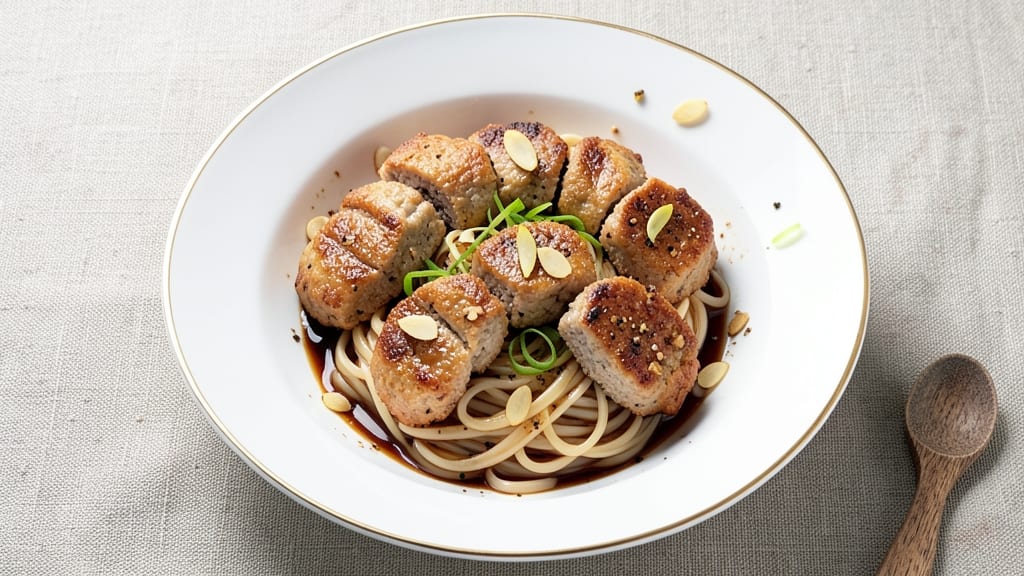
This minced pork noodle recipe delivers restaurant-quality stir-fry magic in just 20 minutes, transforming simple ingredients into a savory, aromatic dish that’s perfect for weeknights or quick lunches.
As someone who’s spent years perfecting pork techniques—from BBQ pits to wok stir-fries—I’ve honed this method to ensure tender, flavorful pork that clings to every noodle without drying out.
The secret lies in high-heat searing of the pork first, locking in juices before tossing it with fragrant aromatics like garlic, ginger, and soy sauce. Meanwhile, the noodles cook just until al dente, so they hold their shape when stir-fried to crispy perfection.
This approach keeps the dish balanced—savory, slightly sweet, and packed with umami without overpowering the fresh herbs and chili oil that finish it.
What you’ll end up with is a bowl of golden-brown pork nestled among glossy noodles, coated in a glossy sauce that’s rich but not heavy. The final garnish of green onions and sesame seeds adds freshness and texture, making each bite feel like a perfect harmony of textures and flavors.
It’s the kind of dish that disappears faster than you can say “second helping.”
Serve it over steamed rice for extra heartiness or keep it as-is for a satisfying solo meal. The beauty of this recipe is its flexibility—swap in shrimp or mushrooms for a vegetarian twist, or adjust the spice level to suit your taste. Let’s get cooking!
Ingredients for minced pork noodle
Simple ingredients that pack restaurant-quality stir-fry flavor in every bite.
| Ingredient | Amount | Notes |
|---|---|---|
| Ground Pork 🐖 | 1 lb | Freshly minced preferred |
| Eggs 🥚 | 1 whole | Beaten for binding |
| All-Purpose Flour 🌾 | ¼ cup | For coating pork |
| Rice Noodles 🍜 | 8 oz | Stir-fry variety, uncooked |
| Garlic Cloves 🧄 | 6 cloves | Minced finely |
| Fresh Ginger 🌿 | 2 tbsp | Grated finely |
| Light Soy Sauce 🍶 | 3 tbsp | Kikkoman preferred |
| Dark Soy Sauce 🍶 | 1 tbsp | For depth of flavor |
| Oyster Sauce 🍲 | 2 tbsp | High-quality preferred |
| Sesame Oil 🫒 | 1 tbsp | Toasted for aroma |
| Chili Oil 🌶️ | 1 tbsp | Adjust for spice level |
| Green Onions 🧅 | 3 whole | Sliced thin for garnish |
| Toasted Sesame Seeds 🌾 | 1 tbsp | For crunchy finish |
| Neutral Oil 🫒 | 2 tbsp | Peanut or vegetable oil |
| Salt 🧂 | 1 tsp | Kosher or sea salt |
The pork is where this dish shines. Freshly minced pork from the butcher counter has better texture than pre-ground, but the regular supermarket variety works fine if you're short on time. Look for good marbling—it means more flavor. I always grab mine from Whole Foods or the meat department at Trader Joe's, where they'll mince it fresh for you. If you're using pre-minced pork, pat it dry with a paper towel before cooking to get that perfect golden-brown sear. The eggs and flour create a light coating that keeps the pork tender while adding crispiness.
No oyster sauce? Vegetable broth with a splash of soy sauce works in a pinch, though it won't have the same depth. Fresh ginger loses potency fast, so grab it from the produce section and use it within a week. The green onions can be swapped for scallions, but the white parts add more flavor when minced into the pork. If you're sensitive to heat, reduce the chili oil to half a tablespoon or use a milder chili crisp. The rice noodles should be stir-fry variety—they cook faster and hold up better than wider noodles. Soak them in hot water for just 30 seconds before draining and tossing with oil to prevent sticking.
This dish reheats beautifully—just add a splash of water and stir-fry for 2 minutes over high heat. Store leftovers in an airtight container for up to 3 days in the fridge, though I rarely have any left that long. The sesame oil and chili oil keep best in the fridge after opening, so transfer them to small jars for easy access. For extra prep, chop all your aromatics and store them in a container in the fridge for up to 3 days. The minced pork mixture can be prepped ahead and refrigerated for 1 day before cooking—just cook it straight from the fridge for even tenderness.
Why You'll Love This Recipe
- No-Fuss Assembly: I swear by this recipe because it’s the kind of meal that doesn’t demand your full attention. Five minutes of stirring the ground pork with garlic and eggs—no fancy techniques, no waiting for hours—just let it cook until it’s fragrant and golden. The rice noodles soak in seconds, and boom, dinner’s ready.
- Umami Bomb: That crispy, caramelized pork patty (yes, we shape it like a patty) packed with garlic and a touch of soy? It’s the star. The egg adds richness, and the noodles soak up every last bit of that savory goodness. Honestly, it’s the kind of flavor that makes you forget you’re eating something simple.
- Lunchbox Hero: Between us, this is my secret weapon for packed lunches. Toss the cooled noodles into a container, and they hold up perfectly for work or school—no soggy mess. My kids actually ask for it, and I’ve even sent it in thermoses for potlucks. (Yes, even on a Tuesday night.)
- Budget Magic: Ground pork stretches farther than you’d think, and rice noodles cost a fraction of fresh pasta. I make a big batch on Sundays, and it feeds us for days—leftovers reheat like a dream. Plus, the ingredients? You’re probably already stocking them. That’s the kind of meal that doesn’t break the bank.
Step-by-step instructions for savory stir-fry magic
Follow this method for perfectly balanced flavors and tender noodles every time.
Prepare the Pork Mixture
In a medium bowl, combine the 1 lb ground pork, 1 whole egg, 1 tsp salt, and 0.25 cup all-purpose flour. Mix thoroughly with your hands until the pork is fully coated and forms a cohesive mixture. The egg acts as a binder, while the flour helps create a light, crisp coating when cooked. If the mixture feels too dry, add 1 teaspoon water at a time until it holds together without sticking to your fingers.
Real talk: Don't overwork the mixture—just combine until evenly distributed. Overmixing develops gluten in the flour, which can make the pork dense instead of tender. Cover the bowl and set it aside while you prepare the remaining ingredients. This step ensures your pork will stay juicy and flavorful during the quick stir-fry.
Cook the Pork to Perfect Doneness
Heat a large skillet or wok over medium-high heat until hot. Add 2 tablespoons neutral oil and swirl to coat the pan evenly. Working in batches if needed (to avoid overcrowding), add portions of the pork mixture. Press down gently with a spatula during the first 30 seconds to help the pork form a compact patty that crisps evenly.
Cook undisturbed for 2-3 minutes until the bottom develops a golden-brown crust. Flip and cook another 2-3 minutes until fully cooked through. The pork should be light brown on the outside and still juicy inside. Remove the cooked pork to a clean plate and set aside. Don't walk away—ground pork cooks quickly and can dry out if left unattended.
Stir-Fry the Aromatics and Sauce Base
In the same skillet (no need to clean it—the browned bits add flavor), add 2 tablespoons neutral oil if needed. Increase heat to high and add the 6 cloves minced garlic and 2 tbsp grated fresh ginger. Stir-fry for 30 seconds until fragrant—you should smell that bright, zesty aroma. Be careful not to burn the garlic; it should sizzle but not darken.
Pour in the 3 tbsp light soy sauce, 1 tbsp dark soy sauce, and 2 tbsp oyster sauce. Stir constantly for 1-2 minutes until the sauce begins to reduce slightly and thicken. This step develops the rich, umami foundation of your dish. If the sauce looks too thick, add 1 tablespoon water to help it coat the noodles properly later.
Cook the Rice Noodles Al Dente
While the sauce simmers, prepare the 8 oz rice noodles according to package instructions. Typically, this means soaking them in hot water for 5-8 minutes until pliable but still slightly firm to the bite. Drain immediately and rinse briefly under cold water to stop the cooking process. This prevents the noodles from becoming mushy when stir-fried.
Your noodles should be tender but still hold their shape when bitten. If they're too soft, they'll turn to paste in the hot pan. Work quickly here—rice noodles continue cooking even after draining. Once prepared, set them aside and toss them with 1 tbsp sesame oil to keep them moist during the final stir-fry.
Combine and Finish with Flavor
Return the skillet to high heat and add the drained noodles. Toss everything together for 2-3 minutes until the noodles are heated through and coated with the sauce. Add the cooked pork back to the skillet and stir-fry for another 1 minute to redistribute the flavors. The noodles should be hot but still slightly chewy—this is the ideal texture for stir-fried rice noodles.
Turn off the heat and stir in the 1 tbsp chili oil and 1 tbsp toasted sesame seeds. Garnish with 3 whole green onions, sliced thin. Serve immediately while hot, garnished with extra sesame seeds if desired. The dish should have a perfect balance of savory, slightly sweet, and spicy notes with a satisfying chew from the noodles. Each bite should deliver tender pork, aromatic aromatics, and that signature umami richness from the sauces.
Pro Tips For Making Minced Pork Noodle
- Sear the Pork Fast: Get that pan screaming hot before adding the ground pork—just 30 seconds on high heat. I learned this the hard way when my pork turned greasy instead of crispy, and now I never skip it. A minute of sizzling builds flavor and texture that no slow cooking can replace.
- Use Cold Eggs: Crack eggs straight from the fridge into your pork mixture—no pre-beating. The cold eggs bind better and won’t scramble into rubbery bits when you stir-fry. My grandmother swore by this, and she was right: the noodles stay tender, and the filling holds together.
- Soak Noodles Just Right: Rice noodles go mushy if you over-soak, but under-soaked ones turn to sawdust. Aim for 8–10 minutes in room-temp water, then drain and rinse once with cold water to stop cooking. This isn’t the prettiest method, but it’s the tastiest—no one likes a gummy bowl.
- Minimize Stir-Fry Crowding: Split your pork into two batches if your pan’s bigger than 10 inches. Piling it all in makes the filling steam instead of sear, and you’ll end up with a sad, watery mess. I skip this when I’m lazy, but the dish is noticeably better when I don’t—crispy edges matter.
Flavor customization for this minced pork noodle
Sweet & Smoky BBQ Twist
For a Southern-inspired variation, swap the soy-oyster sauce base for ½ cup BBQ sauce (I recommend Sweet Baby Ray's original) and add 1 tbsp smoked paprika to the pork mixture. Cook the pork as directed, then toss the noodles with the BBQ sauce and a splash of water to loosen.
Top with crumbled bacon and a drizzle of honey> for extra richness. This version reminds me of my time competing in the Southeast BBQ circuit—where pork and sweet-savory flavors are king. 🔥
Spicy Thai-Inspired Kick
Transform this into a Thai-style dish by adding 1 tbsp fish sauce and 1 tbsp palm sugar to the sauce base, along with 1-2 tbsp Thai chili paste> (adjust to taste). Toss in ½ cup sliced Thai basil and 1 tbsp lime juice> at the end for brightness.
Garnish with crushed peanuts> for crunch. This version channels my time in Charleston, where Thai street food stalls introduced me to bold, balanced flavors. 🌶️
Creamy Mushroom Fusion
For a vegetarian-friendly twist, replace the pork with 1 lb sliced shiitake mushrooms> and ½ cup finely chopped cremini mushrooms>. Sauté the mushrooms until golden, then add 2 tbsp cream cheese> to the sauce for a velvety texture.
Finish with fresh cilantro> and a squeeze of lime. This version keeps the dish hearty while adding earthy depth. I often make this for my farm hands when they need a quick, protein-packed meal. 🍄
Garlic Butter Upgrade
Elevate the dish with a garlic butter finish>: After combining the noodles and pork, remove the skillet from heat and stir in 2 tbsp melted butter> and 1 tbsp minced garlic>.
Let it sit for 1 minute> to infuse the flavors, then garnish with extra green onions. This adds a luxurious touch that feels like a restaurant-worthy upgrade. It’s a trick I learned from Master Chef Chen—simple but impactful. 🧄
Herb-Infused Freshness
Brighten the dish with a herb-forward finish>: Stir in 2 tbsp chopped cilantro>, 1 tbsp chopped Thai basil>, and 1 tsp lime zest> at the end. For extra freshness, add ½ cup shredded cabbage> to the noodles before stir-frying.
This version is perfect for hot summer days when you crave something light yet flavorful. It’s inspired by the vibrant street food I encountered during my travels. ✨
Nutrition facts
Frequently asked questions
Can I use ground beef instead of pork in this recipe?
Ground beef works well, though the flavor profile will differ slightly. Use an 80/20 blend for juiciness, and consider adding ½ teaspoon smoked paprika to mimic pork's depth. Cook the beef just until browned (about 1 minute per side) since it releases more fat than pork.
Why do my noodles turn mushy when stir-frying?
Overcooking is the usual culprit. Rice noodles should be al dente when drained—soak them for 30-45 seconds less than package instructions suggest, then rinse with cold water immediately. Also, keep your wok or skillet at high heat during stir-frying to prevent steaming.
How do I make this recipe gluten-free?
Swap the all-purpose flour for ½ cup gluten-free flour blend and use tamari instead of soy sauce. For extra binding, add 1 extra egg yolk to the pork mixture. Check that your oyster sauce is also gluten-free—many brands contain wheat.
Can I prepare the pork mixture ahead of time?
Yes, but with care. Form the pork mixture into 1-inch patties and refrigerate for up to 24 hours. Cook them straight from the fridge—no thawing needed—to maintain tenderness. For longer storage, freeze the patties for up to 3 months on a tray before bagging.
What's the best way to reheat leftovers?
Reheat in a dry skillet over medium heat for 2-3 minutes, adding 1 tablespoon water to prevent drying. For microwave reheating, cover with a damp paper towel and heat for 45 seconds. Never reheat above 165°F to maintain food safety.