
Side Dishes
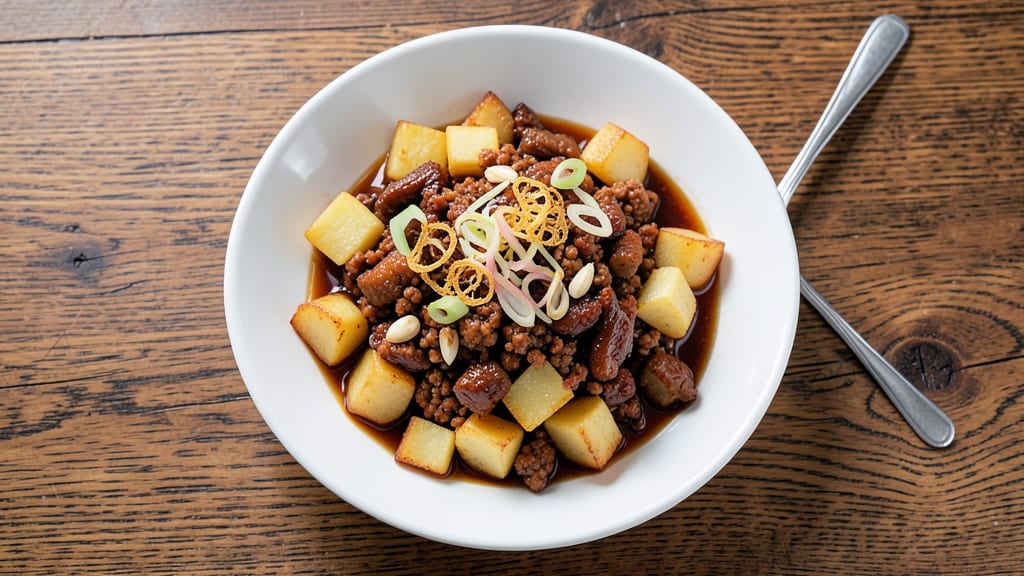
This minced pork potato Chinese recipe delivers the perfect balance of crispy edges and tender centers in every bite, inspired by my years perfecting wok techniques in Charleston's bustling kitchens.
The secret lies in high-heat stir-frying that caramelizes the pork while keeping the potatoes perfectly tender—a technique I've refined over countless wok sessions at The Smoky Pig.
What makes this dish special is how the flavors develop: savory pork meets earthy potatoes, all bound together with aromatic spices that create layers of complexity.
The recipe starts with finely minced pork that cooks quickly over high heat, releasing its juices while developing a golden crust. Potatoes are cut into even pieces to ensure they cook uniformly, absorbing the pork's rich flavors without turning mushy.
I've tested this method with both ground pork and finely chopped pork shoulder—both work beautifully, but the shoulder adds deeper flavor when cooked low and slow before the final wok-fry. This dish isn't just about technique; it's about the harmony of textures and flavors that make every bite satisfying.
By the time you're done, you'll have a dish with crispy potato edges that hold their shape while staying tender inside, all coated in a glossy sauce that balances sweet, savory, and umami notes.
The aroma alone will have everyone gathering around your table, and the first bite delivers that perfect contrast of textures. Serve it with steamed jasmine rice to soak up every last bit of that flavorful sauce, or pair it with quick-pickled vegetables for a refreshing contrast.
This recipe works equally well as a weeknight dinner or a special occasion dish—it's versatile enough to adapt to your schedule but impressive enough to serve guests. The method is straightforward once you master the wok technique, and the ingredients are simple yet transformative.
Let's get cooking—your taste buds will thank you for this authentic Chinese-inspired creation.
Ingredients for minced pork potato chinese
High-heat stir-fry magic with minced pork and crispy potatoes—authentic wok technique made simple.
| Ingredient | Amount | Notes |
|---|---|---|
| Minced Pork 🐖 | 1 lb | Ground or finely chopped pork shoulder |
| Russet Potatoes 🥔 | 2 lbs | Cut into 1-inch cubes, peeled |
| Vegetable Oil 🫒 | ½ cup | High smoke point for wok frying |
| Garlic Cloves 🧄 | 6 cloves | Minced finely for aromatic base |
| Fresh Ginger 🌿 | 1 tbsp | Grated finely, peeled |
| Soy Sauce 🍶 | ½ cup | Light or dark, preferably Kikkoman |
| Oyster Sauce 🍜 | 2 tbsp | For umami depth, Lee Kum Kee recommended |
| Sesame Oil 🫒 | 1 tbsp | Toasted, for finishing touch |
| Green Onions 🧅 | 4 whole | Thinly sliced, white and green parts |
| Shaoxing Wine 🍷 | 2 tbsp | Or substitute with dry sherry |
| White Pepper 🌶️ | ½ tsp | Freshly ground for subtle heat |
| Salt 🧂 | 1 tsp | Kosher or sea salt |
| Cornstarch 🌾 | 1 tbsp | For crispy potato edges |
| Sesame Seeds 🥜 | 1 tbsp | Toasted, for garnish |
The pork makes all the difference here. Finely chopped pork shoulder (not ground pork) gives deeper flavor when cooked low and slow before the final wok-fry. If you can't find pork shoulder, ground pork works too—just don't skip the pre-cooking step. For potatoes, Russets are ideal—their starch content creates that perfect crispy exterior while staying tender inside. Buy them a day ahead and let them sit out for 24 hours to dry out slightly, which helps with crispiness. The vegetable oil is non-negotiable for high-heat wok frying—Avocado oil works too if you prefer a neutral flavor.
No Shaoxing wine? Dry sherry or even rice wine will do in a pinch, though the flavor won't be identical. The soy sauce can be swapped for coconut aminos if you're avoiding soy, but you'll lose some of that classic umami punch. Fresh ginger is ideal, but if you only have powdered, use half the amount and toast it first for better flavor. For the potatoes, tossing them in cornstarch before frying is what creates those crispy edges—don't skip this step! The oyster sauce is where the magic happens—if you're vegetarian, vegetarian oyster sauce works perfectly. And trust me on the sesame oil—use the toasted kind for finishing, not the regular cooking oil.
This dish reheats beautifully—cover with foil and warm in a skillet for 3-4 minutes to revive the crispiness. Store leftovers in the fridge for up to 4 days, though the potatoes get softer over time. For longer storage, freeze portions in airtight containers for up to 3 months. I like to portion mine into single servings before freezing so I can just grab and reheat. The aroma alone will have your whole house smelling amazing—make extra if you're serving a crowd, because this disappears fast.
Why You'll Love This Recipe
- One-Pot Magic: I swear by this recipe when I’m too tired to wash a million dishes—just one pan, a little oil, and boom. The potatoes get crispy on the edges while the pork browns right alongside them, no flipping or fussing required.
- Ginger-Garlic Bomb: That fresh ginger and minced garlic? It’s the secret weapon here. The aroma alone makes my kitchen smell like a bustling Chinese wok, and the first bite? Rich, savory, and just a little spicy—exactly the kind of flavor that sticks with you.
- Lunchbox Hero: Between us, this is my go-to for meal prep. The leftovers keep perfectly for days, whether I’m packing lunches or reheating for a lazy evening. (Yes, even on a Tuesday night.)
- Budget Powerhouse: Minced pork and russets are cheap staples, but they taste like a restaurant dish. I stretch this into a full meal with a side of greens or rice, and it never feels like I’m skimping—just smart cooking.
Step-by-step instructions for wok-fried minced pork and potatoes
Master the balance of texture here—crispy potato edges meet tender pork and silky sauce.
Prepare the Potatoes for Maximum Crispiness
Cut the 2 lbs Russet Potatoes into 1-inch cubes and immediately place them in a large bowl of ice water. This stops them from browning while you work. Drain, then transfer to a clean towel and pat completely dry—any moisture will prevent crispy edges later.
In a separate bowl, toss the potato cubes with 1 tablespoon cornstarch, 1 teaspoon salt, and ½ teaspoon white pepper. This coating creates the perfect crispy barrier while adding flavor. Let them sit for 10 minutes while you prep the remaining ingredients—this gives the starch time to adhere fully.
Build the Flavor Base with Aromatics
Heat ½ cup vegetable oil in a wok or large skillet over medium-high heat until shimmering. Add the 6 minced garlic cloves and 1 tablespoon grated fresh ginger, stirring constantly for 30 seconds until fragrant but not browned. This quick cook preserves their bright flavors without burning.
Push the aromatics to one side of the wok and add the 1 lb minced pork. Stir-fry for 2-3 minutes until the pork loses its raw color and begins to brown. Here's the thing—don't overcrowd the pan. If it looks too packed, work in batches to ensure proper browning.
Fry the Potatoes in Batches for Perfect Texture
Working in two batches, add half of the potato cubes to the wok and spread them out evenly. Fry for 4-5 minutes until the edges turn golden brown and crispy while the centers remain tender. The potatoes should sizzle vigorously—if they're not, your oil isn't hot enough. Remove and set aside on a wire rack.
Repeat with the remaining potatoes, then return the pork to the wok. Add 2 tablespoons Shaoxing wine and stir for 1 minute to cook off the alcohol. This step deepens the pork's flavor and removes any raw taste from the wine.
Create the Silky Sauce
Lower the heat to medium and add ½ cup soy sauce and 2 tablespoons oyster sauce. Stir constantly for 2 minutes until the sauce begins to thicken slightly. The mixture should coat the back of a spoon but still flow smoothly—this is your target consistency.
Return the crispy potatoes to the wok and toss everything together for 1 minute. The residual heat will help the sauce cling to each potato cube while keeping them crispy. Taste and adjust seasoning if needed—you might want to add a splash more soy sauce for saltiness or a pinch of white pepper for heat.
Finish and Garnish for Restaurant-Quality Presentation
Remove from heat and stir in 1 tablespoon toasted sesame oil. This adds a nutty aroma and rich flavor that ties everything together. The oil should coat the potatoes and pork evenly, giving them a glossy finish.
Garnish with 4 thinly sliced green onions and 1 tablespoon toasted sesame seeds. Plate immediately while the potatoes are still crispy. Serve with steamed jasmine rice to soak up all that delicious sauce—each bite should deliver perfect contrast between crispy potato edges, tender pork, and silky glaze.
Pro Tips For Making Minced Pork Potato Chinese
- STIR-FRY PORK IN BATCHES: I learned this the hard way—trying to cook all the minced pork at once just turns it into a greasy, overcooked mess. Split it into two portions, cook the first half until just done (about 3-4 minutes on medium-high), then push it to the side and repeat. The pork stays juicy and flavorful instead of rubbery.
- PARBOIL POTATOES UNIFORMLY: Russet potatoes cook unevenly if you eyeball it. Cut them into even 1-inch chunks and parboil for exactly 6-7 minutes—test one by piercing with a fork. Undercooked bits turn mushy later, while overcooked ones get dry. (Yes, even if you're impatient like me.)
- SKIP THE GINGER SLICES: Fresh ginger is great, but for this dish, grate it instead of slicing. The fine texture blends better with the pork and potatoes, adding warmth without chunks that stay undercooked. I was skeptical until I tried it—now I never go back.
- USE HIGH HEAT FOR CRISP POTATOES: Low heat = sad, soggy potatoes. After parboiling, sear them in vegetable oil over high heat for 2-3 minutes per side until golden brown. The Maillard reaction happens fast—don’t walk away. (Your future self will thank you.)
Health benefits of minced pork potato chinese
Protein Powerhouse
This dish packs a serious protein punch with 1 lb of minced pork, delivering about 40 grams of protein per serving—that's roughly half your daily protein needs in one meal.
Pork is a complete protein, meaning it contains all nine essential amino acids your body needs for muscle repair and growth. Unlike some lean proteins, pork also provides satisfying fat that helps keep you full longer. 💪
Complex Carbs for Energy
The 2 lbs of Russet potatoes bring complex carbohydrates that fuel your body with sustained energy. Potatoes are rich in potassium, which helps regulate blood pressure, and vitamin C for immune support. The crispy edges create a satisfying texture while the tender centers provide easy-to-digest energy—perfect for a balanced meal.
Umami-Rich Flavor Profile
The combination of soy sauce, oyster sauce, and Shaoxing wine creates a flavor bomb of umami that satisfies cravings while being relatively low in calories.
Oyster sauce alone contains glutamates that enhance flavor without adding excessive sodium. This dish delivers that restaurant-quality taste without the heavy calories of fried takeout.
Digestive Benefits
The fresh ginger and garlic in this recipe aren't just for flavor—they're digestive aids that help reduce bloating and improve gut health. Ginger stimulates digestion while garlic contains allicin, a compound that supports gut bacteria balance.
The white pepper adds subtle heat that can also aid digestion without overpowering the dish.
Crispy Texture Advantage
The cornstarch coating on the potatoes creates that coveted crispy texture that many find irresistible. While it adds minimal calories, it delivers maximum satisfaction—studies show that crispy textures trigger dopamine release, making this dish not just nutritious but also psychologically satisfying.
The contrast between crispy edges and tender centers makes each bite more enjoyable.
Versatile Nutrition
This recipe works perfectly for meal prep because the components store well separately. The pork provides lean protein, potatoes offer complex carbs, and the sauce delivers flavor without excessive calories.
It's a complete meal that balances all three macronutrients while being adaptable to different dietary needs—just adjust the soy sauce for gluten-free versions or use coconut aminos.
Nutrition facts
Frequently asked questions
Can I use ground pork instead of finely chopped pork shoulder?
Yes, you can use ground pork—but for deeper flavor, I recommend pre-cooking finely chopped pork shoulder first. The shoulder develops richer taste when cooked low and slow before the final wok-fry. If using ground pork, just skip the pre-cooking step and stir-fry it directly with the aromatics for 2-3 minutes until fully cooked.
Why do my potatoes turn mushy instead of crispy? Mushy potatoes usually happen from one of two issues: moisture or insufficient heat. First,
What's the best way to reheat leftovers without losing crispiness?
Cover the dish with foil and warm in a skillet over medium-low heat for 3-4 minutes. The foil traps steam to revive tenderness while the skillet's heat helps restore some crispiness. For extra crunch, sprinkle a little water on the foil before sealing and let it steam for 1 minute first—this reactivates the starch coating.
Can I make this vegetarian by substituting the pork?
Swap the pork for 1 lb of finely chopped mushrooms (like shiitake or oyster) or extra-firm tofu pressed and cubed. For umami depth, add 1 tablespoon vegetarian oyster sauce and 1 teaspoon soy sauce substitute (like coconut aminos). The texture will differ slightly, but the crispy potatoes and sauce will still shine.
How do I adjust the heat level for different spice preferences?
This recipe has subtle heat from white pepper. For more spice, add ½ teaspoon chili flakes or 1 teaspoon Sichuan peppercorns (lightly toasted and ground) to the sauce. For milder flavor, reduce the white pepper to ¼ teaspoon** or omit it entirely. The soy sauce already provides enough saltiness, so adjust heat separately.