
Main Courses
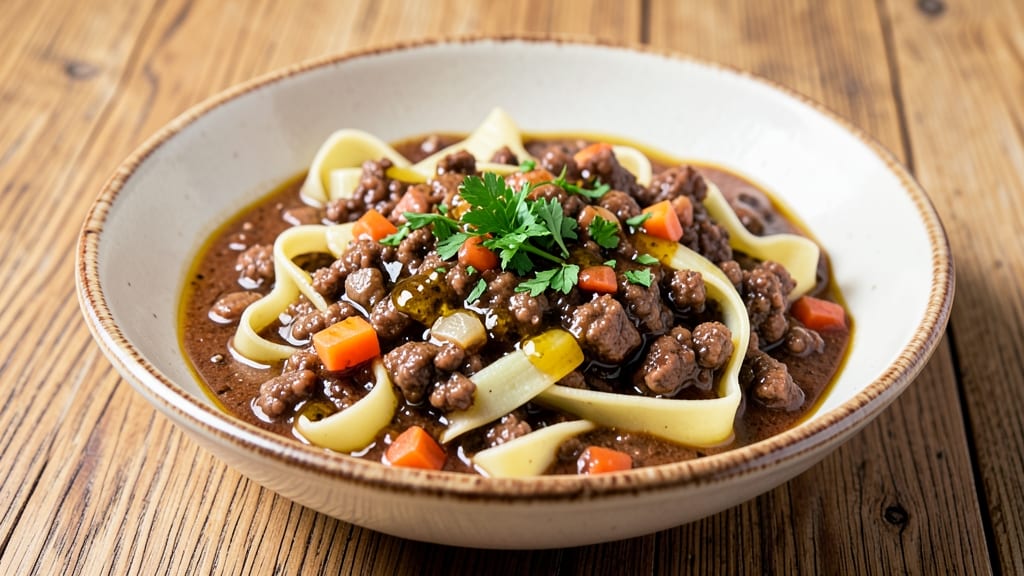
This minced pork ragu recipe transforms humble ingredients into a restaurant-worthy sauce that simmers for hours, developing layers of deep umami flavor. 🔥 As someone who's spent years perfecting ragùs in professional kitchens, I can tell you the secret lies in proper browning, slow reduction, and the right balance of aromatics.
My family's version has been passed down through generations, though I've adapted it for home cooks with a foolproof method that delivers professional results without requiring all day in the kitchen.
The foundation of great ragu begins with finely minced pork that develops a rich, meaty texture as it cooks.
We'll build flavor through careful browning in the pan, deglazing with wine to capture every bit of fond, and then letting it simmer gently until the sauce thickens into a velvety consistency.
The key ingredients—tomatoes, herbs, and a touch of sweetness—work together to create that perfect balance of acidity and depth that defines a classic ragù.
What you'll end up with is a sauce so rich and flavorful it transforms simple pasta into an elegant meal. The pork becomes tender and infused with all the aromatics, while the sauce develops a complex, slightly sweet profile that's impossible to resist.
This is the kind of dish that tastes even better the next day, making it perfect for meal prep or special occasions.
Serve it over al dente pasta, creamy polenta, or even as a filling for stuffed shells. The possibilities are endless, but the technique remains the same—slow cooking is what creates that unmistakable ragu flavor. Let's get started on creating your own version of this Italian classic.
Ingredients for minced pork ragu
The perfect balance of meaty richness and aromatic herbs—this is the core of authentic ragu.
| Ingredient | Amount | Notes |
|---|---|---|
| Ground Pork 🥩 | 1 ½ lb | Finely minced for even cooking |
| Extra-Virgin Olive Oil 🫒 | ¼ cup | For browning and richness |
| Yellow Onion 🧅 | 1 whole | Finely chopped for base |
| Garlic Cloves 🧄 | 4 cloves | Minced for aromatic depth |
| Carrots 🥕 | 2 medium | Chopped into small pieces |
| Celery Stalks 🥬 | 2 medium | Chopped for classic soffritto |
| Canned San Marzano Tomatoes 🍅 | 2 cans | Crushed, high-quality preferred |
| Dry Red Wine 🍷 | ½ cup | Bold variety like Cabernet |
| Fresh Tomato Paste 🍅 | 2 tbsp | For concentrated flavor |
| Fresh Rosemary 🌿 | ¼ cup | Chopped, for earthy aroma |
| Fresh Thyme 🌿 | ¼ cup | Leaves only, finely chopped |
| Bay Leaves 🍃 | 2 whole | For subtle depth of flavor |
| Salt 🧂 | 1 ½ tsp | Kosher or sea salt preferred |
| Ground Black Pepper 🌶️ | ½ tsp | Freshly ground for best flavor |
| Granulated Sugar 🍚 | 1 tsp | Balances acidity slightly |
The pork is non-negotiable—ground pork (not pre-minced) gives you that melt-in-your-mouth texture. Trader Joe's or Whole Foods carry the best quality, but any store's ground pork works if it's fresh. For the soffritto, chop the carrots and celery uniformly—they should be tiny dice, almost like confetti. The San Marzano tomatoes are worth the splurge; their sweetness and low acidity make all the difference. If you can't find them, any high-quality crushed tomatoes will do. The wine? Any bold red works—Cabernet, Merlot, whatever's open.
No red wine? Beef broth with a splash of balsamic gets you close. Fresh herbs are ideal but dried works at one-third the amount. The tomato paste can be from a tube if that's what you've got—Trader Joe's squeeze tubes are perfect for this. If you're using pre-minced pork, pulse it in a food processor to break up any large pieces. For the sugar, brown sugar works too—it adds a caramel note that pairs beautifully. The bay leaves? Don't skip them—they're subtle but essential for that classic ragu flavor.
This sauce tastes even better the next day—make extra if you can. Keeps 5 days in the fridge, 3 months frozen. I portion mine into glass jars so it's ready for quick meals. For freezing, let it cool completely first. The herbs? Wash and dry them thoroughly before chopping to avoid watery sauce. If you're prepping ahead, brown the pork and set it aside—you can finish the sauce later.
Why You'll Love This Recipe
- One-Pot Magic: Honestly, this ragu comes together in a single pan—no chopping mountains of veggies, no fancy techniques. Just brown the pork, toss in the onions and carrots (cut into chunks, no dice needed), and let it simmer. The garlic sneaks in at the end, and boom—flavor explosion with zero stress.
- Rich Without Effort: Between us, that ground pork releases so much flavor when it slow-cooks in olive oil. The onions caramelize just enough to deepen the sauce, and the carrots add natural sweetness that balances the richness. It’s the kind of dish where you forget how simple the ingredients are until you taste it—then you’ll wonder why you ever bought takeout.
- Meal Prep MVP: I make a double batch every Sunday because it reheats like a dream. Use it for pasta one night, stuff it into sandwiches the next, or even toss it with rice for a hearty lunch. The leftovers actually improve overnight—yes, really—so it’s my go-to for busy weeks when I need something reliable.
- Budget-Friendly Luxury: Ground pork stretches further than you’d think, and carrots plus onions bulk it up without breaking the bank. A splash of olive oil and a few garlic cloves turn basic ingredients into something that feels fancy. I’ll be real: this is the kind of dish that makes me feel like I’m cooking a restaurant meal, but my wallet stays happy.
Step-by-step instructions for slow-simmered minced pork ragu
This is where the magic happens—patient cooking transforms simple ingredients into deeply flavorful ragu.
🔥 Step 1: Brown the Pork for Maximum Flavor
Heat the 0.25 cup extra-virgin olive oil in a large, heavy-bottomed pot over medium-high heat. Add the 1.5 lb ground pork and break it apart with a wooden spoon, letting it sizzle and brown in batches if needed. This step is crucial—it develops that rich, meaty depth we're after.
Cook the pork for 8-10 minutes until it's no longer pink in the center and has released most of its fat. You'll know it's ready when the pork releases easily from the bottom of the pot and takes on a golden-brown color. Don't rush this—well-browned pork equals better ragu. Once done, use a slotted spoon to transfer the pork to a plate, leaving the rendered fat in the pot.
👨🍳 Step 2: Build the Soffritto Base
In the same pot (no need to wipe it clean—those browned bits are flavor gold), add the finely chopped yellow onion, minced garlic cloves, chopped carrots, and chopped celery stalks. Cook over medium heat for 8-10 minutes, stirring occasionally, until the vegetables soften and the onion becomes translucent.
Here's where the classic Italian technique comes in: add the 2 tbsp fresh tomato paste and stir to coat the vegetables completely. Cook for another 2 minutes until the paste darkens slightly—this develops even more flavor. You're creating the aromatic base that will carry your ragu.
🍳 Step 3: Deglaze and Simmer with Wine
Pour in the 0.5 cup dry red wine and scrape up all those delicious browned bits from the bottom of the pot. Let the wine simmer for 3-4 minutes until it reduces by about half. You'll notice the alcohol smell dissipating—that's when you know it's working.
Now add the 2 cans crushed San Marzano tomatoes, 1.5 tsp salt, 0.5 tsp ground black pepper, 1 tsp granulated sugar, 0.25 cup chopped fresh rosemary, 0.25 cup chopped fresh thyme, and 2 whole bay leaves. Stir everything together and bring to a gentle simmer over low heat.
⏰ Step 4: Slow Cook Until Rich and Tender
Return the browned pork to the pot and stir to combine. Here's where patience pays off: let the ragu simmer uncovered for 1.5-2 hours over low heat. Stir occasionally and add ½ cup water if it gets too thick. You're looking for a sauce that coats the back of a spoon with a velvety texture.
Real talk: your kitchen will smell incredible, but don't be tempted to rush this step. The longer it simmers, the deeper the flavors develop. The ragu is done when it's thick enough to coat a spoon and the pork is tender with no pink remaining. Taste and adjust seasoning if needed—this is your chance to perfect the balance.
🍽️ Step 5: Finish and Serve with Pasta
Once your ragu reaches that perfect consistency, remove the bay leaves and discard them. Taste again and adjust seasoning one final time. For extra richness, you can stir in 1-2 tbsp of the reserved pork fat from earlier.
Serve immediately over freshly cooked pasta like pappardelle or tagliatelle. The ragu should cling beautifully to each strand, creating that iconic Italian sauce-to-pasta ratio. For the full experience, sprinkle with additional fresh herbs and serve with a simple green salad.
Pro Tips For Making Minced Pork Ragu
- Brown the Pork Properly: Don’t just cook it—sear it. Break the ground pork into 1-inch chunks first, then spread them out in a cold pan. Let it sit for 2 full minutes before stirring, so you get deep browning instead of steaming. I used to rush this, and my ragu always tasted bland until I learned this.
- Sweat, Don’t Burn, the Onions: Low heat is your friend here. Thinly slice the onion and cook it in olive oil for at least 10 minutes, stirring often, until it’s translucent and just starting to soften—not golden or crispy. Burnt onions make the whole dish taste bitter, and no one wants that.
- Dice Carrots Small Enough: Tiny dice, not chunks. Cut the carrots into ¼-inch pieces so they cook down evenly with the pork. Big pieces stay tough and chewy, while small pieces melt into the sauce. I learned this after serving my family a ragu with "carrot bullets" that no one wanted to eat.
- Deglaze with Wine Early: As soon as the pork is browned, pour in a splash of white wine (or even broth) right away to lift those flavorful bits off the pan. Skip this, and you’ll lose half the depth of flavor. It takes 30 seconds but makes a real difference—your future self will notice.
Common mistakes when making great minced pork ragu
Skipping the Browning Step
I cannot stress this enough—never skip browning the pork. That golden crust releases deep, meaty flavors that form the foundation of your ragu. If you just toss in raw pork, your sauce will taste flat and one-dimensional.
I've seen home cooks rush this step, and it shows. Take the extra 8-10 minutes to properly brown the meat in batches if needed. The rendered fat also adds richness that can't be replicated. 🔥
Using Pre-Minced Pork
Store-bought pre-minced pork often contains fillers like soy or starch that make the texture gummy instead of tender. When I first started cooking ragu professionally, we always used freshly ground pork from the butcher.
If you must use pre-minced, pulse it in your food processor for 10-15 seconds to break up any large pieces. For best results, ask your local butcher to grind pork shoulder fresh—they'll often do it for free if you buy enough. 🥩
Adding Liquid Too Early
Many home cooks make the mistake of adding all their liquid at once, which dilutes the flavors. The secret is building layers: first brown the pork, then sauté the vegetables, deglaze with wine, and only then add the tomatoes.
If your ragu becomes too thin during cooking, add just ½ cup water at a time—never dump in a whole cup. This gradual approach lets the flavors concentrate properly. I've had to rescue many sauces by simmering them uncovered to reduce excess liquid.
High Heat Simmering
Simmering ragu over high heat causes the sauce to break and become grainy. The ideal temperature is just below a gentle bubble—you should see tiny, slow ripples on the surface. I use low heat and maintain a steady simmer for 1.5-2 hours.
If you see the sauce bubbling vigorously, reduce the heat immediately. This patience pays off with a velvety texture that clings beautifully to pasta. 🌡️
Overcooking the Pork
While slow cooking is essential, you don't want your pork to turn into dry, crumbly bits. The pork should be tender but still hold its shape when you spoon it onto pasta. I check doneness by pressing a piece with a fork—it should collapse slightly but still maintain structure.
If you notice the pork breaking apart too much, reduce your simmering time to 1 hour and adjust seasonings more carefully. The sauce will still develop depth without overcooking the meat.
Ignoring the Wine Reduction
Many recipes call for adding wine without letting it reduce properly. This is a huge mistake—the alcohol needs to cook off to develop the sauce's complexity. After adding the wine, let it simmer for 3-4 minutes until it reduces by about half.
You'll notice the alcohol smell dissipating—that's when you know it's working. Skipping this step leaves your ragu with a raw wine taste that's unpleasant. I've had to start over on sauces where cooks rushed this critical reduction phase. 🍷
Nutrition facts
Frequently asked questions
Can I substitute ground beef for the pork in this ragu?
Yes, but expect a different flavor profile. Ground beef (especially chuck) works well and adds more richness, but pork keeps the sauce lighter and more tender. For a hybrid version, use a 50/50 mix of pork and beef. If you're vegetarian, consider finely chopped mushrooms or lentils for texture and umami. The key is maintaining that meaty depth through proper browning.
How do I know when the pork is fully cooked?
The pork should reach an internal temperature of 160°F and have no pink remaining. Press a piece with a fork—it should collapse slightly but still hold together. If it crumbles completely, it's overcooked. For best results, remove the pork from the pot when it's just barely done, then return it to finish cooking in the sauce. This prevents dryness.
Can I make this ragu in a slow cooker?
Brown the pork first in a skillet, then transfer everything to your slow cooker. Cook on low for 6-8 hours or high for 3-4 hours. The texture will be slightly different (more tender), but the flavors develop beautifully. Just stir occasionally and add water as needed to maintain consistency. Perfect for hands-off cooking!
What's the best pasta to serve with this?
Wide, flat noodles like pappardelle or tagliatelle work best—they hold the rich sauce beautifully. For extra indulgence, try casarecce or even stuffed shells. If you prefer a heartier option, serve over creamy polenta or crusty bread. The sauce should coat the pasta completely, so aim for a 1:1 ratio (1 cup sauce per 2 oz pasta).
Why does my ragu taste bland after simmering?
Most likely, you didn't brown the pork enough or didn't reduce the wine properly. The foundation of flavor comes from those caramelized bits and the alcohol cooking off. For better results, try adding a pinch of red pepper flakes or 1 tsp soy sauce at the end for umami depth. Also, let the sauce rest for 10 minutes before serving—flavors meld during this time.