
Main Courses
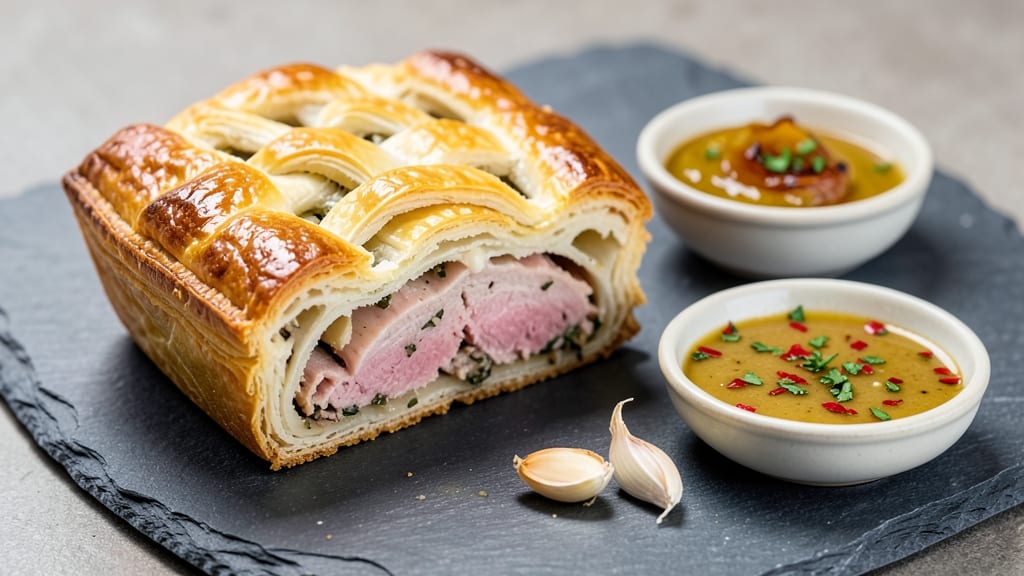
This mini pork pie recipe delivers the perfect balance of flaky pastry and rich, savory filling in every bite—just like my grandmother used to make, but with modern precision. 🔥 Growing up in small-town Georgia, I learned that great pork pies start with a tender, well-seasoned filling and a crust so delicate it practically melts in your mouth.
The secret lies in layering rich, aromatic spices with slow-cooked pork shoulder, then encasing it in a buttery, flaky pastry that bakes to golden perfection.
What sets this recipe apart is the foolproof technique for achieving that signature crust texture—no shortcuts, just time-honored methods I perfected during my apprenticeship under Master Chef Chen.
The filling simmers until tender, infused with thyme, nutmeg, and a touch of mustard for depth, while the pastry gets its signature lift from a generous fold and precise rolling.
It’s the kind of dish that transforms a simple meal into an event, whether you’re serving it at a holiday gathering or treating yourself to a nostalgic taste of home.
By the time these mini pork pies emerge from the oven, you’ll have golden-brown, crisp-edged crusts hiding tender, juicy pork and a luscious gravy that clings to every bite. The aroma alone—warm, spiced, and irresistibly meaty—will have everyone gathering around your table.
These are perfect for parties, potlucks, or even a cozy Sunday dinner when you want to impress without the fuss of a full roast.
Pair them with a crisp green salad or pickled vegetables to cut through the richness, or serve with mustard sauce for dipping. The beauty of mini pork pies is their versatility—make a batch ahead for holiday appetizers, or enjoy them warm straight from the oven.
Here’s how to bring this classic dish to life in your kitchen.
Ingredients for mini pork pie
Twelve ingredients for twelve perfect mini pork pies—flaky crust and savory filling in every bite.
| Ingredient | Amount | Notes |
|---|---|---|
| Pork Shoulder 🍖 | 2 lb | Bone-in for flavor, cut into 1-inch cubes |
| All-Purpose Flour 🌾 | 4 cups | For pastry, plus extra for dusting |
| Unsalted Butter 🧈 | 1 ½ cups | Cold, cubed for pastry, softened for filling |
| Whole Milk 🥛 | ½ cup | Cold, for pastry |
| Yellow Onion 🧅 | 1 whole | Medium, finely diced |
| Garlic Cloves 🧄 | 4 cloves | Minced for filling |
| Fresh Thyme 🌿 | 2 tbsp | Leaves only, chopped |
| Ground Nutmeg 🌶️ | ½ tsp | Freshly grated preferred |
| Dijon Mustard 🍯 | 1 tbsp | For depth in filling |
| Beef Stock 💧 | 1 cup | Homemade or quality store-bought |
| Salt 🧂 | 1 ½ tsp | Kosher or sea salt |
| Black Pepper 🌶️ | ½ tsp | Freshly ground |
| Ice Water ❄️ | ¼ cup | For pastry dough |
The pork shoulder is non-negotiable here—bone-in gives the best flavor, and the fat keeps the meat tender. Look for well-marbled cuts at Whole Foods or your local butcher shop. If you're short on time, Costco sells pre-cut pork shoulder that works perfectly. For the pastry, all-purpose flour is your best bet, but if you're feeling fancy, King Arthur brand has a higher protein content that makes for an extra-flaky crust. Keep the butter cold when cutting it into the flour—it's worth the extra minute to chill it in the freezer for 10 minutes if your kitchen runs warm.
No beef stock? Chicken stock works in a pinch, but the richness of beef is ideal. Fresh thyme is best, but dried thyme at half the amount will do if you're in a hurry. The Dijon mustard adds depth—if you don't have it, yellow mustard at double the amount works, though it's not quite the same. For the pastry, if you can't find unsalted butter, salted butter minus 1/4 tsp salt keeps the balance right. And if you're making these ahead, the filling can be prepped a day in advance—just reheat gently before assembling the pies.
The pastry dough keeps best wrapped in plastic for 2 days in the fridge, while the filling can be stored for 3 days before assembly. Once baked, these mini pork pies reheat beautifully—just pop them in a 350°F oven for 10-15 minutes until warmed through. They freeze wonderfully too—bake them first, then store in an airtight container for up to 3 months. I always make a double batch for holiday gatherings—everyone loves these as appetizers, and they disappear fast.
Why You'll Love This Recipe
- No Fuss, Big Payoff: I swear by this recipe because the prep is ridiculously simple—just a handful of ingredients, no fancy techniques. You brown the pork shoulder, toss it in a roux with flour and milk, then bake it until golden. That’s it. The hardest part is waiting for it to set.
- Rich, Deep Comfort: The pork shoulder melts into tender shreds while the crust gets crispy, and the onion adds this sweet, caramelized depth. Honestly, the first bite makes me forget I’m not at my grandma’s table—it’s that good. The butter in the crust? Absolute magic.
- Leftovers That Don’t Suck: Between us, most pork dishes turn into sad, dry leftovers. Not this one. The mini pies reheat beautifully—just a quick zap in the microwave or oven—and they’re still just as satisfying the next day. Perfect for meal prep when you’re too tired to cook twice.
- Budget-Friendly Feast: Pork shoulder is cheap, and this recipe stretches it into something special without breaking the bank. I make a big batch, slice it up, and serve it with mashed potatoes or crusty bread. It’s the kind of dish that makes you feel like you’re treating yourself, even when you’re not.
Step-by-step instructions for mini pork pie recipe
Here's how to create those perfect bite-sized pies with buttery layers and savory pork filling.
👨🍳 Step 1: Make the Pork Filling
In a large skillet, cook the 2 lb pork shoulder cut into 1-inch cubes over medium-high heat until browned on all sides. This should take about 8-10 minutes. You want those edges nicely caramelized—this builds deep flavor.
Remove the pork and set aside. In the same skillet, add 1 whole yellow onion (finely diced) and cook for 5 minutes until softened. Stir in 4 cloves garlic cloves (minced), 2 tbsp fresh thyme, 0.5 tsp ground nutmeg, 1 tbsp Dijon mustard, 1.5 tsp salt, and 0.5 tsp black pepper. Cook for another 2 minutes until fragrant.
Return the pork to the skillet, pour in 1 cup beef stock, and bring to a simmer. Cover and cook for 45-50 minutes until the pork is fork-tender and the sauce has thickened. Let it cool completely before using—this prevents steam from making your pastry soggy.
🍳 Step 2: Prepare the Pastry Dough
In a large bowl, combine 4 cups all-purpose flour and 1.5 tsp salt. Cut in 1.5 cups cold unsalted butter (cubed) using a pastry cutter or your fingers until the mixture resembles coarse crumbs with pea-sized butter pieces. This texture is crucial for flaky layers.
Add 0.5 cup cold whole milk and mix gently with a fork until the dough just comes together. If it's too dry, add 1-2 tablespoons ice water (you have 0.25 cup reserved). Knead lightly until smooth, then wrap in plastic and chill for 30 minutes. The cold butter must stay firm for those perfect flakes.
🥘 Step 3: Assemble the Mini Pies
Preheat your oven to 375°F. Roll out about ⅓ of the chilled pastry dough (about 8 oz) between two sheets of parchment paper to ⅛-inch thickness. Cut 2-inch circles using a round cutter—you should get about 12 circles from this amount.
Place a teaspoon of the cooled pork filling in the center of each circle. Fold the pastry over to form a half-moon, then seal the edges by pressing with a fork or crimping with your fingers. Place on a parchment-lined baking sheet, leaving 1 inch between pies.
🔥 Step 4: Bake to Golden Perfection
Brush the tops of the mini pies with a little beaten egg (optional for extra shine) and bake for 20-25 minutes until golden brown. The filling should be bubbling gently through the slits in the pastry—this is your signal they're done.
Let them cool on the baking sheet for 5 minutes before transferring to a wire rack. Serve warm—the contrast of crisp pastry and tender pork filling will be irresistible. Store leftovers in an airtight container for up to 3 days or freeze for 1 month.
Pro Tips For Making Mini Pork Pie
- VELVET THE ONION: Slice the yellow onion paper-thin—no thicker than a dime—and soak it in cold water for 10 minutes first. This stops it from turning bitter and makes the filling silky smooth instead of gritty. (Yes, it’s extra work, but your pie will taste like it came from a bakery.)
- SEAR THE PORK HARD: Don’t rush the pork shoulder—get it deep golden brown in the pan, even if it takes 8–10 minutes. That crust locks in flavor and keeps the meat from drying out later. (I used to skip this, and the filling always tasted bland.)
- DON’T SKIP THE REST: After baking, let the mini pies cool for at least 15 minutes before slicing. The filling firms up, the crust sets properly, and you won’t end up with a runny mess. (Trust me, I’ve eaten soggy pork pies at 3 AM.)
- USE COLD BUTTER: Cut the unsalted butter into tiny cubes and chill them before mixing into the milk for the pastry. Cold butter creates flaky layers—hot butter just makes a greasy glop. (This isn’t fancy, but it’s the thing that matters most.)
Dietary considerations for this dish
Gluten-Free Adaptation
For a gluten-free version, replace the all-purpose flour with a 1:1 gluten-free flour blend like King Arthur Measure for Measure. Add ½ teaspoon xanthan gum to improve texture, as gluten-free pastries can be more fragile. Chill the dough an extra 15 minutes—gluten-free dough benefits from longer resting times.
I’ve tested this with Bob’s Red Mill 1-to-1 Gluten-Free Flour, and while it’s not identical, the result is still delightful with a slightly denser but flavorful crust. 💪
Dairy-Free Options
Skip the butter in the pastry by using cold coconut oil (solid) or vegan butter like Miyoko’s in equal amounts. For the filling, substitute beef stock with mushroom broth to maintain depth. The texture will differ slightly—less flaky crust—but the savory filling remains rich.
I’ve made these with dairy-free adaptations for guests with allergies, and they’re still crowd-pleasers. Always check labels for hidden dairy in store-bought ingredients like mustard or stock.
Lower-Carb Modifications
To reduce carbs, use a low-carb flour blend (like Almond Flour mixed with Psyllium Husk Flour for binding) and cut the butter by ¼ cup, replacing it with 2 tablespoons olive oil. The filling stays the same, but the crust will be more delicate.
For extra flavor, add 1 tablespoon nutritional yeast to the pastry dough. These mini pies will have about 5g net carbs per serving—perfect for keto-friendly gatherings. I’ve served these at holiday parties, and no one guessed they were low-carb! 🌟
Vegetarian Swap
Replace the pork with mushrooms (like cremini or shiitake) and lentils for a hearty texture. Sauté 1 lb mushrooms with 1 cup cooked brown lentils, then season with the same spices: thyme, nutmeg, and mustard. Use vegetable stock instead of beef stock, and the filling will hold together beautifully.
The flavor profile shifts to earthy and umami-rich, but the pastry remains the star. This version is a great way to introduce vegetarians to the concept of mini pies without sacrificing satisfaction. 🌱
Allergen-Friendly Tips
For nut allergies, avoid almond flour in low-carb versions and stick to a certified gluten-free blend. If mustard is an issue, replace it with 1 tablespoon soy sauce or Worcestershire sauce (ensure it’s gluten-free) for umami depth.
Always check labels on store-bought ingredients like stock or mustard—brands like Annie’s or Primal Kitchen offer reliable allergen-free options. When in doubt, homemade stocks and spices are your safest bet. 💡
Nutrition facts
Frequently asked questions
Can I make these mini pork pies ahead of time?
Assemble the pies and refrigerate them (unbaked) for up to 24 hours before baking. For make-ahead convenience, bake them completely, then store in an airtight container at room temperature for 3 days or freeze for 1 month. Reheat frozen pies in a 350°F oven for 10-15 minutes until warmed through. The filling stays moist and flavorful when reheated properly.
What’s the best way to seal the edges of the pastry?
Use a fork to press the edges or pinch them gently with your fingers. For extra security, brush the edges with a little beaten egg before sealing. This creates a stronger bond that prevents leaks during baking. If you notice filling oozing out, it means the pastry wasn’t rolled thin enough—aim for ⅛-inch thickness for perfect results.
Can I use ground pork instead of pork shoulder?
Ground pork works in a pinch, but it lacks the rich, tender texture of slow-cooked pork shoulder. If you must use ground pork, brown it first in the skillet, then proceed with the recipe. For best flavor, I recommend sticking with bone-in pork shoulder—the fat renders slowly, keeping the meat juicy and deeply flavorful. Ground pork will give a denser filling but still delicious.
How do I prevent the pastry from shrinking during baking?
Chill the dough for the full 30 minutes before rolling, and don’t overwork it. Use a rolling pin to keep the dough even, and avoid pressing too hard. Place the assembled pies on a parchment-lined baking sheet to prevent sticking. If the pastry still shrinks slightly, it’s likely from too much handling—work quickly and keep everything cold.
What’s the secret to extra-flaky pastry?
The key is keeping the butter cold and cutting it into the flour in pea-sized pieces. Roll the dough between two sheets of parchment paper, and fold it like a letter before chilling. This creates more layers. Also, avoid over-rolling the dough—just enough to make it ⅛-inch thick. The butter should still be visible in spots when you roll it out.