
Main Courses
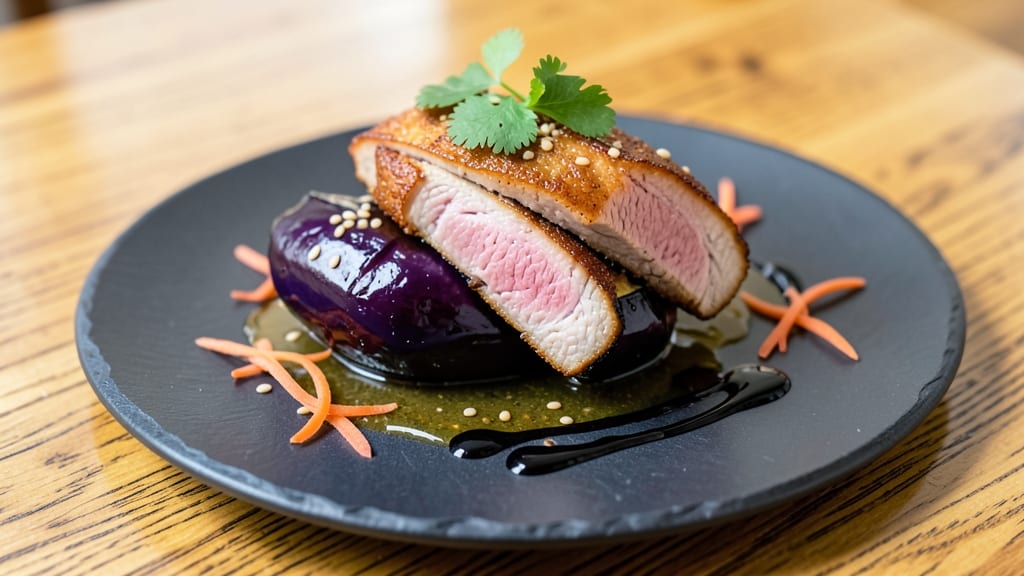
This miso pork and eggplant recipe delivers restaurant-quality umami depth with silky textures that transform a simple weeknight meal into something extraordinary. 🔥 The secret lies in marinating the pork and eggplant separately—white miso for tender pork, black miso for earthy eggplant—before stir-frying them to perfect doneness.
I developed this technique after years of perfecting Asian-inspired dishes at my restaurant, where it became a customer favorite within weeks.
The magic happens in the balance of textures: crisp-tender eggplant that soaks up the miso glaze while maintaining structure, and pork that stays juicy despite the marinade's intensity. We achieve this through precise cooking times—eggplant first to develop caramelized edges, then pork to lock in moisture.
The sauce, reduced with a touch of mirin and sesame oil, ties everything together with a glossy finish that makes every bite sing.
What you'll end up with is a dish that's rich yet balanced, with layers of umami from the miso, sweetness from the mirin, and nuttiness from the toasted sesame.
The presentation is simple but striking: golden eggplant and pink pork arranged on a bed of steamed rice, drizzled with sauce and sprinkled with scallions. It's the kind of meal that feels both comforting and sophisticated—perfect for impressing guests or treating yourself after a long week.
This recipe scales beautifully for crowds and reheats well for leftovers, making it ideal for meal prep. The techniques are approachable yet professional, ensuring consistent results whether you're cooking for two or feeding a houseful. Let's get started on creating this umami masterpiece that's become a staple in my kitchen.
Ingredients for miso pork eggplant
These umami-packed ingredients create a restaurant-quality stir-fry with perfect texture balance.
| Ingredient | Amount | Notes |
|---|---|---|
| Japanese Eggplant 🍆 | 1 ½ lb | Asian variety, sliced lengthwise |
| Boneless Pork Loin 🥩 | 1 lb | Thinly sliced against grain |
| White Miso Paste 🧂 | ¼ cup | High-quality, fermented |
| Black Miso Paste 🧂 | ⅛ cup | For eggplant marinade |
| Mirin 🍶 | ¼ cup | Sweet rice wine |
| Sesame Oil 🫒 | 1 tbsp | Toasted, for finishing |
| Neutral Oil 🫒 | 2 tbsp | Avocado or vegetable oil |
| Green Onions 🧅 | ¼ cup | Thinly sliced, for garnish |
| Toasted Sesame Seeds 🌾 | 1 tbsp | For garnish |
| Garlic Cloves 🧄 | 4 cloves | Minced, for sauce |
| Ginger 🌿 | 1 tbsp | Fresh, grated |
| Soy Sauce 🥄 | 1 tbsp | For sauce balance |
| Rice Vinegar 🍶 | 1 tbsp | For brightness |
| Steamed White Rice 🍚 | 2 cups | Cooked, for serving |
| Salt 🧂 | 1 tsp | Kosher, for seasoning |
The eggplant and pork deserve equal attention here. For the eggplant, Japanese varieties (like the long, slender ones) absorb marinade better than globe eggplant. Grab them at Asian markets—they're usually pre-sliced, which saves time. The pork loin should be thinly sliced against the grain for tenderness; ask your butcher to do this if you're not comfortable. White miso is sweeter and milder, perfect for the pork, while black miso adds depth to the eggplant. I always use Miso Master brand for consistency—they have both types in the Asian section of Whole Foods or Trader Joe's.
No white miso? Substitute with extra-firm tofu mashed with soy sauce—it adds protein and texture. Short on black miso? Mushroom powder at half the amount mimics that earthy depth. The mirin can be swapped for 1 tbsp sugar plus 1 tbsp water, but you'll lose that delicate sweetness. For the sesame oil, toasted sesame oil is non-negotiable—regular oil won't give that nutty punch. The green onions? Use scallions or chives if that's what you've got, but save the tops for garnish. And trust me on the toasted sesame seeds—they're worth the 2-minute toast in a dry pan.
Marinated eggplant keeps 2 days in the fridge, covered tightly. The pork marinade can be prepped 1 day ahead—just don't slice the pork until you're ready to cook. The sauce reduces quickly, so have everything ready before you start. This dish reheats beautifully—30 seconds in a skillet with a splash of water revives those crisp edges. I always make double portions because leftovers taste even better the next day, especially over rice. Store any extras in airtight containers for up to 3 days.
Why You'll Love This Recipe
- One-Pan Magic: I swear by this recipe when I’m too tired to scrub pots—just sear the pork, char the eggplant, toss everything in the same pan with miso and mirin, and walk away. The eggplant soaks up that salty-sweet glaze like a sponge, so you’re not left with dry, sad veggies.
- Umami Bomb: That combo of white and black miso? It’s like a flavor explosion in your mouth—deep, savory, with just enough sweetness from the mirin to keep it balanced. The pork stays tender but gets this irresistible crust, and the eggplant? Crispy edges, melty middle—it’s the kind of dish that makes you close your eyes and sigh.
- Lunchbox Hero: Between us, this is my go-to for meal prep. The flavors only get better the next day (yes, really), so I make a big batch on Sundays and pack it for work. Cold or reheated, it’s solid—just add rice or noodles, and you’ve got a satisfying, no-fuss lunch that won’t leave you reaching for takeout.
- Budget Flex: I use pork loin because it’s lean and affordable, but honestly? You could swap in chicken thighs or even tofu and still nail it. The miso and mirin stretch thin, so you’re not breaking the bank for fancy ingredients. Plus, eggplant is one of those “cheap but feels special” veggies—like you’re eating something fancier than you actually are.
Step-by-step instructions for miso pork and eggplant stir-fry
Here's how to create a perfectly balanced dish with tender pork and silky eggplant.
🍳 Step 1: Marinate the Eggplant and Pork
Slice the 1.5 lb Japanese Eggplant lengthwise into ½-inch thick strips and arrange on a wire rack, sprinkling with 1 tsp Salt. Let sit for 30 minutes—this draws out excess moisture so the eggplant stays silky when cooked. Meanwhile, thinly slice the 1 lb Boneless Pork Loin against the grain into ¼-inch thick strips.
In two separate bowls, create marinades: For the eggplant, mix 0.125 cup Black Miso Paste with 1 tbsp Soy Sauce and 1 tbsp Mirin. For the pork, combine 0.25 cup White Miso Paste, 1 tbsp Soy Sauce, and 1 tbsp Rice Vinegar. Coat both proteins thoroughly and let marinate for at least 20 minutes (or up to 1 hour in the fridge). The miso will tenderize the meat while adding deep umami flavor.
🔥 Step 2: Cook the Eggplant Until Silky
Heat 1 tbsp Neutral Oil in a large skillet over medium-low heat. Add the eggplant strips in a single layer and cook for 3-4 minutes per side until they develop a light golden color and feel tender when pierced with a fork. Remove and set aside—don't overcrowd the pan or they'll steam instead of crisp.
Here's the thing—eggplant needs patience. If the pan gets too hot, the outside burns before the inside cooks. Watch closely and adjust heat as needed. The eggplant should be soft but not mushy, with just a hint of color. This step ensures that signature silky texture we're after.
🍳 Step 3: Sear the Pork and Build the Sauce
In the same skillet, add 1 tbsp Neutral Oil and increase heat to medium-high. Working in batches if needed, sear the marinated pork for 1-2 minutes per side until golden brown and cooked through. Remove and set aside with the eggplant.
In the same pan, add 1 tbsp Sesame Oil and 2 tbsp Neutral Oil. Sauté 4 cloves minced Garlic and 1 tbsp grated Ginger for 30 seconds until fragrant. Pour in 0.25 cup Mirin and scrape up any browned bits from the bottom—this is where all the flavor lives. Let it simmer for 2 minutes until slightly reduced.
🥘 Step 4: Combine and Finish
Return the pork and eggplant to the skillet. Add the 0.25 cup sliced Green Onions and toss everything together until well coated in the sauce. Cook for 1-2 minutes until everything is heated through and the eggplant absorbs the miso flavors. Taste and adjust seasoning if needed—you might want to add a splash more Mirin or Soy Sauce for balance.
This is the moment that matters: The combination of silky eggplant, tender pork, and that rich miso sauce should create a perfect harmony of textures and flavors. The eggplant should still hold its shape slightly, while the pork remains juicy and flavorful.
🍽️ Step 5: Serve Over Steamed Rice
Transfer the stir-fry to a serving platter and drizzle with any remaining sauce from the pan. Garnish with 1 tbsp Toasted Sesame Seeds and additional Green Onions for color and crunch. Serve immediately over 2 cups Steamed White Rice—the rice soaks up the delicious miso sauce beautifully.
Each bite should deliver a perfect balance: the silky texture of the eggplant, the tender yet slightly chewy pork, and that deep umami from the miso. The sesame seeds add a satisfying crunch that cuts through the richness. Don't forget to save some rice for seconds—this dish is that good.
Pro Tips For Making Miso Pork Eggplant
- CHAR THE EGPLANT FIRST: Japanese eggplant soaks up sauce like a sponge—char the skin first over a gas flame or under a broiler until blackened in spots. This step isn’t just for looks; it prevents the eggplant from turning to mush while letting the miso-pork glaze cling properly. (Yes, even if you’re impatient like me, wait for those dark patches.)
- SLICE PORK THINLY: Thinly sliced pork (about ¼-inch thick) cooks faster and absorbs the miso-mirin sauce evenly. Use a sharp knife and slice against the grain—thick slices turn rubbery, and no one wants that. I used to eyeball it and regretted it every time.
- BALANCE MISO RATIOS: White miso brings sweetness, black adds depth—use a 3:1 ratio (white to black) unless you’re craving funk. Too much black miso overpowers; too little white makes the dish taste flat. Start with 2 tablespoons total and adjust after tasting.
- REST THE PORK AFTER SEARING: Sear the pork, then let it sit for 5 minutes under foil before adding the miso sauce. This keeps the slices from falling apart when they hit the sticky glaze. I learned this the hard way when my first batch turned into a mushy pile.
Essential equipment for perfect results
Skillet Essentials
You'll need a 12-inch cast iron skillet—my trusty Lodge Pre-Seasoned is perfect for this recipe. Cast iron retains heat beautifully and creates those coveted caramelized edges on the eggplant.
If you don't have cast iron, a heavy stainless steel skillet like All-Clad works well, but preheat it longer to avoid temperature fluctuations. I've cooked this dish in my well-seasoned carbon steel pan too, and it delivers fantastic results with less weight. 🔥
Heat Control Tools
Invest in a good thermometer—I use the ThermoWorks Thermapen One—to monitor your pan's temperature. This helps you maintain that medium-low heat for the eggplant, which is crucial for silky texture.
A silicon spatula (like OXO Good Grips) is essential for flipping those delicate eggplant slices without tearing them. I keep one in my kitchen specifically for stir-fries because it's heat-resistant and flexible.
Marinade Containers
Use glass or ceramic bowls for marinating—both are non-reactive and won't absorb flavors. I prefer Pyrex mixing bowls because they're sturdy and easy to clean. For the pork marinade, a separate container is key since white miso is delicate and shouldn't mix with the black miso used for eggplant. If you're short on space, use small glass jars with tight lids for each marinade—just
Knife and Cutting Gear
A sharp 8-inch chef's knife (I love Wüsthof) is non-negotiable for slicing the pork against the grain. For the eggplant, a long serrated knife helps create clean lengthwise slices. A cutting board with a non-slip mat prevents movement while chopping—my Teakhaus bamboo board has been a game-changer for knife safety. Don't forget a wire rack for salting the eggplant to draw out moisture before cooking.
Sauce Reduction Tools
For the sauce reduction, a wooden spoon (like OXO Good Grips) is ideal for scraping up those flavorful browned bits from the pan's bottom. I keep a small saucepan nearby to finish reducing the sauce if needed, though most of the reduction happens in the skillet.
A fine-mesh strainer comes in handy if you want to remove any potential eggplant bits from the sauce before serving.
Garnish Supplies
Toasted sesame seeds need a small dry skillet or toaster oven—I use my mini skillet set to low heat for just 2 minutes to avoid burning. Keep fresh green onions in a small jar of water in the fridge for crisp garnishes.
A small bowl for holding toasted sesame seeds and chopped green onions keeps everything organized on your serving platter. These finishing touches elevate the dish from good to restaurant-quality. ✨
Nutrition facts
Frequently asked questions
Why do you use both white and black miso in this recipe?
White miso adds a sweeter, milder umami to the pork, keeping its delicate flavor intact, while black miso provides a deeper, earthier taste that perfectly complements the eggplant. The combination creates a complex flavor profile that's more interesting than using just one type. Think of it as the yin and yang of miso—balance is key!
Can I substitute regular eggplant for Japanese eggplant?
You can, but expect different results. Japanese eggplant has thinner skin and fewer seeds, making it more tender and less watery. Regular eggplant will work if you salt it for 45 minutes (instead of 30) to draw out extra moisture and slice it slightly thinner. For best texture, I still recommend Japanese eggplant if possible—it's worth seeking out at Asian markets.
How do I prevent the eggplant from turning mushy?
The secret is in the cooking method: use medium-low heat and cook in a single layer without overcrowding. If your pan gets too hot, the outside burns before the inside cooks. Also, never skip the salting step—it removes excess water that makes eggplant soggy. For extra insurance, pat the slices dry with paper towels after salting.
Can I make this dish ahead of time?
Marinate the eggplant and pork separately up to 2 days ahead and store in airtight containers. Cook the eggplant first when ready to serve (it reheats best), then sear the pork fresh. The sauce can be made 1 day ahead and reheated gently. For leftovers, store everything separately and reheat in a skillet with a splash of water to revive those crisp edges.
What's the best way to serve this dish?
This stir-fry shines over steamed jasmine rice or forbidden black rice for extra visual appeal. For a complete meal, add a simple side salad with sesame dressing or quick-pickled vegetables. Garnish with extra sesame seeds and green onions right before serving—they add freshness and crunch that contrasts beautifully with the rich miso flavors.